


The introduction of the Bipartisan American Affordability and Jobs Act of 2026 (BAAJA) marks a pivotal moment in the multi-year effort to modernize the United States’ energy infrastructure and regulatory framework. Emerging from a protracted period of negotiation, the bill represents a complex compromise designed to resolve the long-standing bottlenecks in the nation’s power grid while simultaneously overhauling federal environmental standards. While the legislation includes landmark reforms for high-voltage transmission and grid efficiency, it also introduces significant changes to judicial remedies and environmental protections that have sparked intense debate among policymakers, industry leaders, and environmental advocates.
The legislation arrives at a time when the U.S. power grid is under unprecedented strain from aging infrastructure, the rising frequency of extreme weather events, and the surging electricity demand driven by artificial intelligence and data center expansion. Proponents of the bill argue that these reforms are essential for maintaining energy affordability and national security, while critics caution that the rollbacks of environmental safeguards could have irreversible consequences for public health and Tribal sovereignty.
A Chronology of Permitting Reform Efforts
The path to the Bipartisan American Affordability and Jobs Act of 2026 began in earnest during the 117th Congress, when initial attempts to pair permitting reform with clean energy incentives faced significant legislative hurdles. Following the passage of the Inflation Reduction Act in 2022, a subset of lawmakers argued that the incentives for renewable energy would remain underutilized without a streamlined process for building interstate transmission lines.
In 2023, the Fiscal Responsibility Act introduced modest changes to the National Environmental Policy Act (NEPA), but many in the energy sector viewed these as insufficient to address the decade-long timelines required for major projects. By 2024, the Federal Energy Regulatory Commission (FERC) issued Order 1920, which sought to improve regional transmission planning. However, legal challenges and jurisdictional disputes between states persisted.
The 2026 Act is the culmination of these efforts, attempting to codify FERC’s planning frameworks into federal law while expanding the scope of reform to include the Clean Water Act, the Endangered Species Act, and the National Historic Preservation Act. The bill’s drafting was heavily influenced by the need to balance the rapid deployment of clean energy with the demands of incumbent energy interests and the requirements of emerging industrial sectors.
Strategic Enhancements to the National Power Grid
The core strength of the BAAJA lies in its comprehensive approach to transmission and grid reform. The U.S. currently faces a backlog of approximately 2,000 gigawatts of proposed generation and storage waiting to connect to the grid, with nearly 85 percent of that capacity consisting of solar, wind, and battery storage. The bill addresses this "interconnection queue" by mandating more coordinated planning and providing developers with earlier, more transparent information regarding connection costs.
One of the most significant provisions in the bill is the strengthening of federal authority over large interstate transmission lines. Historically, individual states have held the power to block or indefinitely delay projects that offer broad regional benefits. Under the BAAJA, if a state rejects an eligible project or fails to act within a one-year window, FERC is required to issue a permit, provided the developer meets specific criteria. This shift ensures that national energy goals are not stymied by localized opposition.
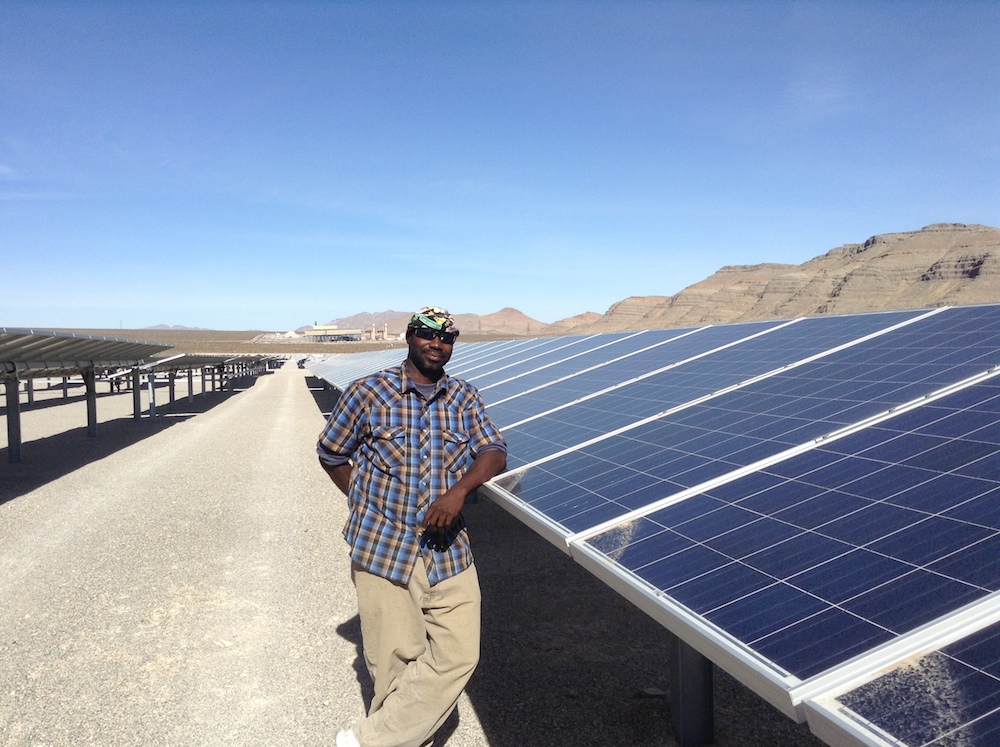
Furthermore, the bill targets the efficiency of existing infrastructure. It directs utilities to upgrade current transmission lines with advanced technologies, such as high-capacity conductors and dynamic line ratings, whenever the benefits outweigh the costs. Industry analysts estimate that aggressive deployment of these technologies could unlock more than 100 gigawatts of additional capacity—enough to power 75 million homes—at a fraction of the cost of building new lines.
Addressing the Data Center Surge and Geothermal Potential
The BAAJA specifically acknowledges the impact of the digital economy on the energy landscape. With data centers increasingly demanding high-density power, the bill introduces pricing rules to ensure these facilities (defined as those requiring 20 megawatts or more) pay for the transmission upgrades their presence necessitates. This prevents the financial burden of rapid industrial growth from being shifted to residential and small-business ratepayers.
Geothermal energy also receives a significant policy boost under the legislation. By lowering permitting barriers and increasing efficiency for geothermal development, the bill seeks to elevate this firm, carbon-free energy source. However, this support comes with a trade-off: the expansion of "categorical exclusions" originally designed for oil and gas activities. This allows for drilling and production on public lands with reduced environmental oversight, a move that has drawn concern from conservationists.
Concerns Over Project Certainty and Fiscal Exposure
A contentious element of the BAAJA is the "project certainty" language, which is intended to protect developers from arbitrary permit cancellations. While designed to provide a stable investment environment, critics argue the language is overly broad. These provisions largely prevent federal agencies from suspending or modifying permits once they are issued, even if new environmental harms are discovered.
The fiscal implications of these provisions are substantial. If a project is amended or canceled by the government, companies are empowered to sue for reinstatement and may be entitled to taxpayer-funded payments of 25 to 50 percent of the total project costs. In the case of large-scale industrial projects, these payouts could reach billions of dollars. Furthermore, the "disparate treatment" provision allows developers to sue agencies if they feel their project is being treated less favorably than others over a five-year period. Analysts warn this could lock in the policy preferences of previous administrations and create a litigation-heavy environment that favors incumbent fossil fuel interests.
Rollbacks of Core Environmental Protections
The bill introduces sweeping changes to several foundational environmental laws, most notably the Clean Water Act (CWA) and the National Environmental Policy Act (NEPA). Under the new framework, judicial remedies are sharply constrained. For instance, if a court finds a violation of NEPA, it is prohibited from stopping project construction while the agency corrects its environmental review. This "build-first" approach could result in irreversible ecological damage before a legal remedy can be fully implemented.
In terms of the Clean Water Act, the bill limits the ability of states and Tribes to set water quality standards for federal permits. Reviewing authorities for gas pipelines and transmission projects are now restricted to considering only "direct discharges" rather than broader construction impacts like erosion, sediment runoff, or groundwater contamination. Additionally, states must now prove water quality harms by "clear and convincing evidence"—a significantly higher legal threshold than the previous "reasonable evidence" standard.
Impacts on Tribal Sovereignty and Public Lands
The BAAJA has faced significant opposition from Indigenous groups due to changes in the National Historic Preservation Act (NHPA). Section 106 of the NHPA currently requires federal agencies to consult with Tribes to protect sacred sites and cultural landscapes. The 2026 Act curtails these rights, limiting Tribal participation and narrowing the definition of protected interests. Historically, Section 106 has been instrumental in protecting sites like the Pebble Mine area in Alaska and the Chaco region in New Mexico.

The bill also facilitates increased exploitation of public lands by the mining and fossil fuel industries. It allows mining companies to claim unlimited acreage for waste dumps and tailing storage on public lands, regardless of the proximity to the actual mine site. For the oil and gas sector, the bill exempts many wells drilled on private lands that tap into federal subsurface reserves from federal permitting. This "split estate" provision affects approximately 57 million acres, potentially stripping private landowners of protections and increasing the risk of orphaned wells.
Policy Implications and Economic Analysis
The long-term impact of the BAAJA on greenhouse gas emissions remains a subject of intense modeling. Preliminary assessments by the Natural Resources Defense Council (NRDC) and other policy groups suggest that while the transmission reforms will facilitate the transition to clean energy, the overall benefits could be offset by the bill’s support for fossil fuel infrastructure.
In a scenario where clean energy incentives remain strong, the transmission provisions are expected to produce modest to significant emissions reductions. However, if the regulatory environment shifts to favor fossil fuels, the bill’s "project certainty" and "disparate treatment" clauses could act as a shield for high-carbon projects, making them more difficult to regulate or phase out in the future.
The economic analysis also highlights a potential crisis in consumer costs. Previous assessments of deregulatory energy policies suggested that a shift away from climate standards could raise consumer electric bills by as much as $30 billion per year by 2035. Lawmakers are now being urged to weigh the immediate benefits of grid modernization against the long-term risks of environmental degradation and increased fiscal liability.
Conclusion and Future Outlook
The Bipartisan American Affordability and Jobs Act of 2026 represents one of the most ambitious and controversial legislative efforts in the history of U.S. energy policy. By attempting to solve the "transmission crisis," it offers a pathway to a more resilient and electrified economy. Yet, the price of this progress—a significant reduction in the power of environmental laws and Tribal consultation—has created a deep rift among stakeholders.
As the bill moves toward a final floor vote, the focus of the debate has shifted toward "technical corrections" and structural amendments. Advocates for reform are pushing for changes that would restore state and Tribal authority over water quality, remove the taxpayer-funded handouts for project delays, and ensure that "project certainty" does not come at the expense of public health. The outcome of these negotiations will determine whether the BAAJA becomes a cornerstone of a sustainable energy future or a cautionary tale of the risks inherent in radical regulatory reform.
