

About a year ago, the notion that speculative investment had inflated an "AI bubble" began to gain traction, swiftly becoming conventional wisdom. As bubbles are inherently unsustainable, the prevailing anxiety now centers on the dwindling time before this one inevitably bursts. This concern, however, risks overshadowing a more immediate and potentially destabilizing threat: the profound financial fragility that the artificial intelligence industry’s escalating reliance on borrowed capital could precipitate, potentially triggering a systemic crisis long before its most transformative applications materialize.
The Dual Nature of Speculative Bubbles
Historically, speculative bubbles, while often characterized by irrational exuberance and unsustainable valuations, have frequently left behind a legacy of tangible, valuable infrastructure. The dot-com boom of the late 1990s, for instance, despite its spectacular collapse, laid the groundwork for much of the internet’s physical and digital infrastructure that underpins today’s digital economy. Fiber optic networks, data centers, and sophisticated software architectures, born out of that era’s feverish investment, continue to serve critical functions. Similarly, the Dutch tulip mania of the 17th century, though a stark example of speculative excess, indirectly spurred advancements in horticulture and trade practices.
The current fervor surrounding Artificial Intelligence (AI) appears to be following a similar pattern. Unprecedented amounts of capital are being poured into AI research, development, and deployment. Companies are investing heavily in specialized hardware, such as advanced GPUs and custom AI chips, as well as in vast data storage and processing capabilities. The development of sophisticated algorithms, large language models, and AI-powered platforms represents a significant, albeit speculative, investment in future productivity and innovation. These are the foundational elements that could, indeed, form the bedrock of a new technological era.
However, the risk associated with the AI bubble differs significantly from its predecessors due to the nature and scale of its financing. Unlike previous speculative waves where a substantial portion of investment came from equity financing and venture capital, the current AI boom is increasingly characterized by a heavy reliance on debt. This shift introduces a critical vulnerability: a leveraged bubble is far more susceptible to a sharp and sudden contraction, with potentially devastating consequences for the broader financial system.
The Escalating Debt Burden in AI
The rapid ascent of AI has been fueled by an insatiable demand for computational power and data. Major technology firms are investing billions of dollars in building and expanding AI infrastructure, often financed through corporate bonds and other forms of debt. Venture capital firms, too, are extending substantial loans to AI startups, in addition to equity investments. This leverage magnifies both potential gains and potential losses.
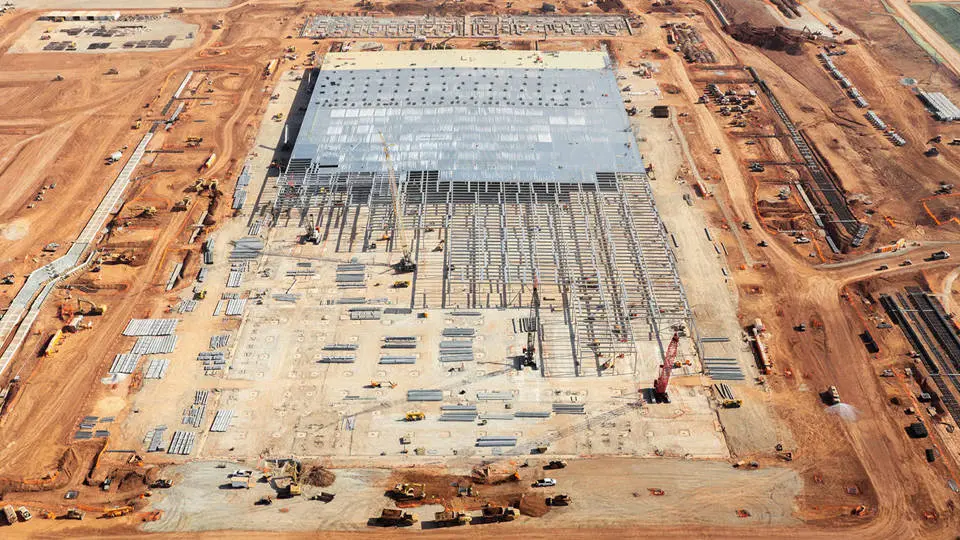
Consider the sheer scale of investment. Global spending on AI is projected to reach over $800 billion by 2026, according to some market analyses. A significant portion of this expenditure is dedicated to hardware procurement, with companies like NVIDIA, a primary supplier of AI-capable GPUs, experiencing record revenues. These companies, in turn, are investing heavily in expanding their manufacturing capacity, often through substantial capital expenditures financed by debt.
The problem arises when these investments are predicated on the assumption of continued exponential growth and the eventual realization of AI’s "world-beating applications." If market demand for AI services falters, or if the anticipated productivity gains do not materialize as quickly as expected, companies may find themselves saddled with massive debt obligations that they cannot service. This could trigger a cascade of defaults, impacting not only the AI companies themselves but also the financial institutions that have lent them money.
A Timeline of Escalation
The current AI investment surge can be traced back to several key inflection points:
- Early 2020s: The maturation of deep learning techniques and the availability of massive datasets began to unlock new capabilities in AI, particularly in areas like natural language processing and image recognition.
- 2022-2023: The public release and widespread adoption of generative AI models, such as OpenAI’s ChatGPT, ignited a new wave of public and corporate interest. This period saw a dramatic increase in venture capital funding for AI startups and significant R&D investments by established tech giants.
- Late 2023 – Present: The narrative shifted from pure research and development to the commercialization and deployment of AI across various industries. This has led to a substantial increase in the demand for AI infrastructure, driving up the value of AI-related companies and, crucially, their need for financing.
During this period, the funding landscape evolved. While equity rounds were substantial, the sheer capital requirements for building AI models and the necessary infrastructure – think thousands of GPUs for training a single large model – pushed many companies towards debt financing. This allowed for faster scaling but also increased financial risk. The borrowing costs, while historically low in preceding years, have begun to rise, adding another layer of pressure.
The Risk of a Contagion Effect
The potential for a financial crisis stemming from an AI bubble is not merely about the failure of individual AI companies. The interconnectedness of the financial system means that a significant wave of defaults in the AI sector could have far-reaching consequences.
- Banking Sector Exposure: Banks and other financial institutions that have extended significant credit lines to AI firms, hardware manufacturers, and data center operators could face substantial losses. This could lead to a tightening of credit conditions across the economy, impacting businesses and consumers alike.
- Venture Capital and Private Equity Fallout: Many venture capital and private equity firms have heavily invested in AI. A market correction could lead to significant write-downs, impacting their ability to fund future ventures and potentially causing distress within the broader investment community.
- Public Market Volatility: A sharp decline in the valuations of publicly traded AI companies, or companies heavily reliant on AI, could trigger broader stock market downturns. This could erode investor confidence and lead to a sell-off in other sectors.
- Supply Chain Disruptions: The AI ecosystem is heavily reliant on a complex supply chain, particularly for advanced semiconductors. A financial crisis in AI could disrupt this supply chain, impacting not only AI development but also other technology sectors that depend on these components.
Inferring Reactions and Analysis
While direct official statements regarding a specific "AI bubble" are rare, market regulators and central bankers have been vocal about the need for prudent risk management in rapidly growing technology sectors. For instance, statements from the U.S. Securities and Exchange Commission (SEC) and the European Central Bank (ECB) have consistently highlighted concerns about elevated valuations and the potential for financial instability stemming from leveraged investments in emerging technologies.
Economists and financial analysts are increasingly voicing caution. Some have pointed to the increasing correlation between AI company valuations and their debt levels, suggesting that a downturn in AI demand could quickly expose the fragility of these financial structures. The concern is that the "AI infrastructure" being built today, while potentially valuable in the long run, is being financed on a shaky foundation of debt, which could collapse under sustained economic pressure.
Fact-Based Analysis of Implications:
The implications of a leveraged AI bubble bursting are multifaceted:
- Stunted Innovation: A widespread financial crisis could significantly curtail investment in AI research and development, slowing down the pace of innovation and delaying the realization of AI’s potential benefits.
- Economic Slowdown: The ripple effects of a financial crisis could lead to a broader economic slowdown, characterized by reduced consumer spending, decreased business investment, and job losses.
- Shifting Technological Priorities: A major AI-related financial collapse might lead to a re-evaluation of investment priorities, potentially shifting capital away from ambitious AI projects towards more established and less speculative technological areas.
- Geopolitical Ramifications: The concentration of AI development and financing in specific regions could exacerbate geopolitical tensions if a financial crisis disproportionately impacts certain economies or leads to a race for control over dwindling AI resources.
Moving Forward: Prudence and Regulation
The current trajectory of AI investment, while promising in its long-term potential, carries significant financial risks. The industry’s reliance on debt financing amplifies the potential for a sharp correction, distinct from the more gradual unwinding of equity bubbles. As the world stands on the precipice of potentially transformative AI applications, it is crucial for investors, financial institutions, and policymakers to approach this era with a clear-eyed understanding of the inherent financial vulnerabilities. Prudent risk management, robust regulatory oversight, and a focus on sustainable financing models will be paramount in navigating the AI revolution without succumbing to a potentially devastating financial crisis. The legacy of AI could be one of profound progress, but only if its development is underpinned by financial stability, not speculative excess fueled by borrowed money.
