

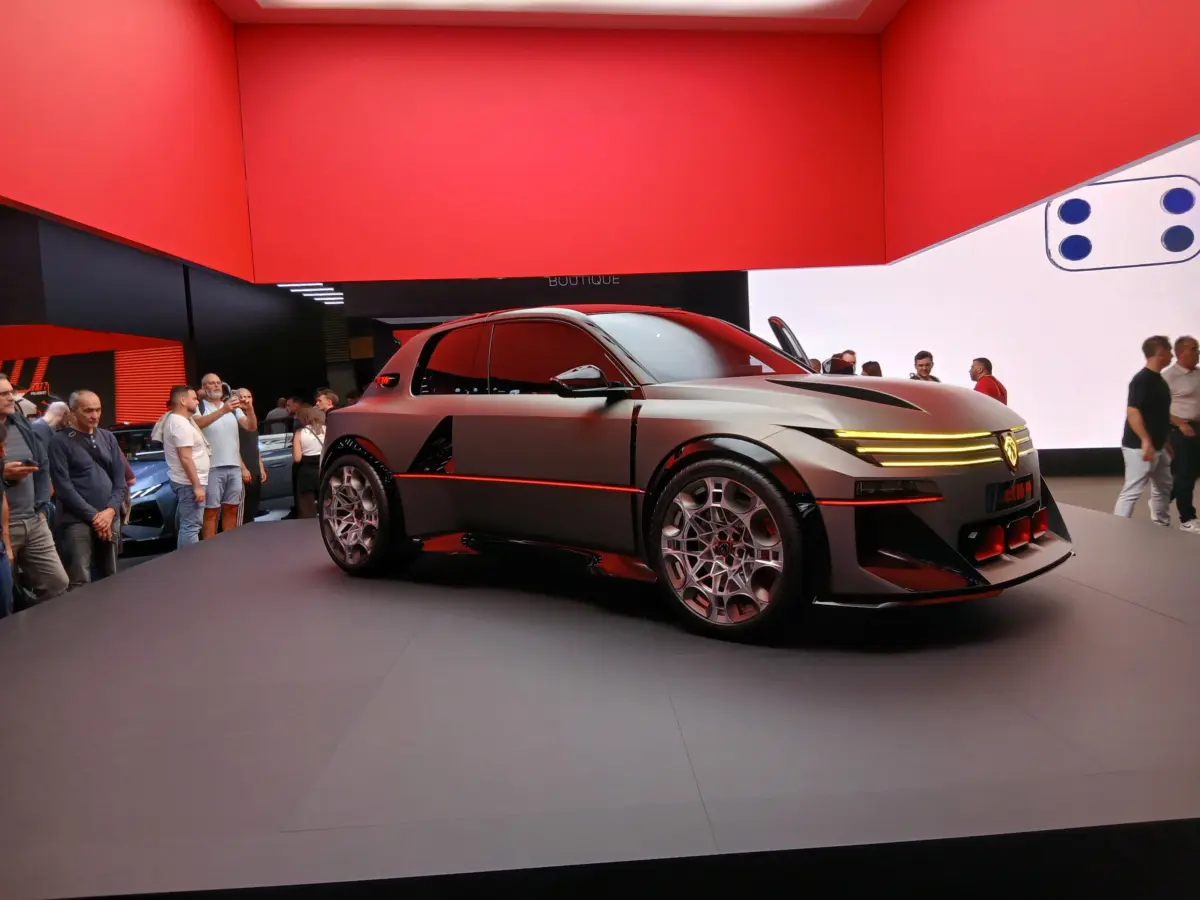
The 2026 Paris Auto Show, historically known as the Mondial de l’Auto, has emerged as a definitive turning point for the global automotive industry. While previous editions were marked by a sense of trepidation regarding the transition to electric mobility, the 2026 event showcased an industry in the midst of a high-stakes transformation. The exhibition halls were characterized by a stark contrast: the aggressive, tech-forward expansion of Chinese manufacturers and a revitalized, heritage-driven response from European legacy brands. Despite the notable absence of several major players, including BMW, MG, and the majority of Japanese original equipment manufacturers (OEMs), the show saw an increase in scale and attendance, signaling the critical importance of the European market in the current geopolitical and economic climate.
A Decisive Shift in the European Automotive Landscape
The presence of Chinese automakers, including BYD, Geely, and XPENG, was more than a mere exhibition; it was a declaration of market intent. These manufacturers presented stands that were not only expansive but also radiated a confidence born of rapid development cycles and supply chain dominance. Their electric vehicle (EV) lineups—characterized by sleek aesthetics, integrated advanced technology, and aggressive pricing—are no longer viewed as peripheral threats but as direct competitors for the mainstream European consumer.
In response, European manufacturers have shifted their strategy. After years of losing market share in the premium and SUV segments, local brands are now doubling down on their historical strengths: brand heritage, emotional design, and the compact city car category. This "retro-futuristic" movement is more than a design trend; it is a calculated business maneuver to leverage cultural capital that newer entrants lack. By reviving iconic nameplates and focusing on the A and B segments—areas often neglected due to slim profit margins—European OEMs are attempting to build a defensive wall around the continent’s urban markets.
The Strategic Revival of the Compact City Car
For nearly a decade, the city car segment (A-segment) was sidelined by European manufacturers in favor of higher-margin crossovers and SUVs. However, the 2026 Paris Auto Show proved that the city car is back, driven by the necessity of affordable electrification and the pressure of European Union emissions mandates. Interestingly, this is a segment where many Chinese OEMs have yet to establish a firm foothold in Europe, largely because the narrow margins of small cars are further squeezed by current EU import tariffs on Chinese-made vehicles.
Smart #2: A Return to Urban Roots
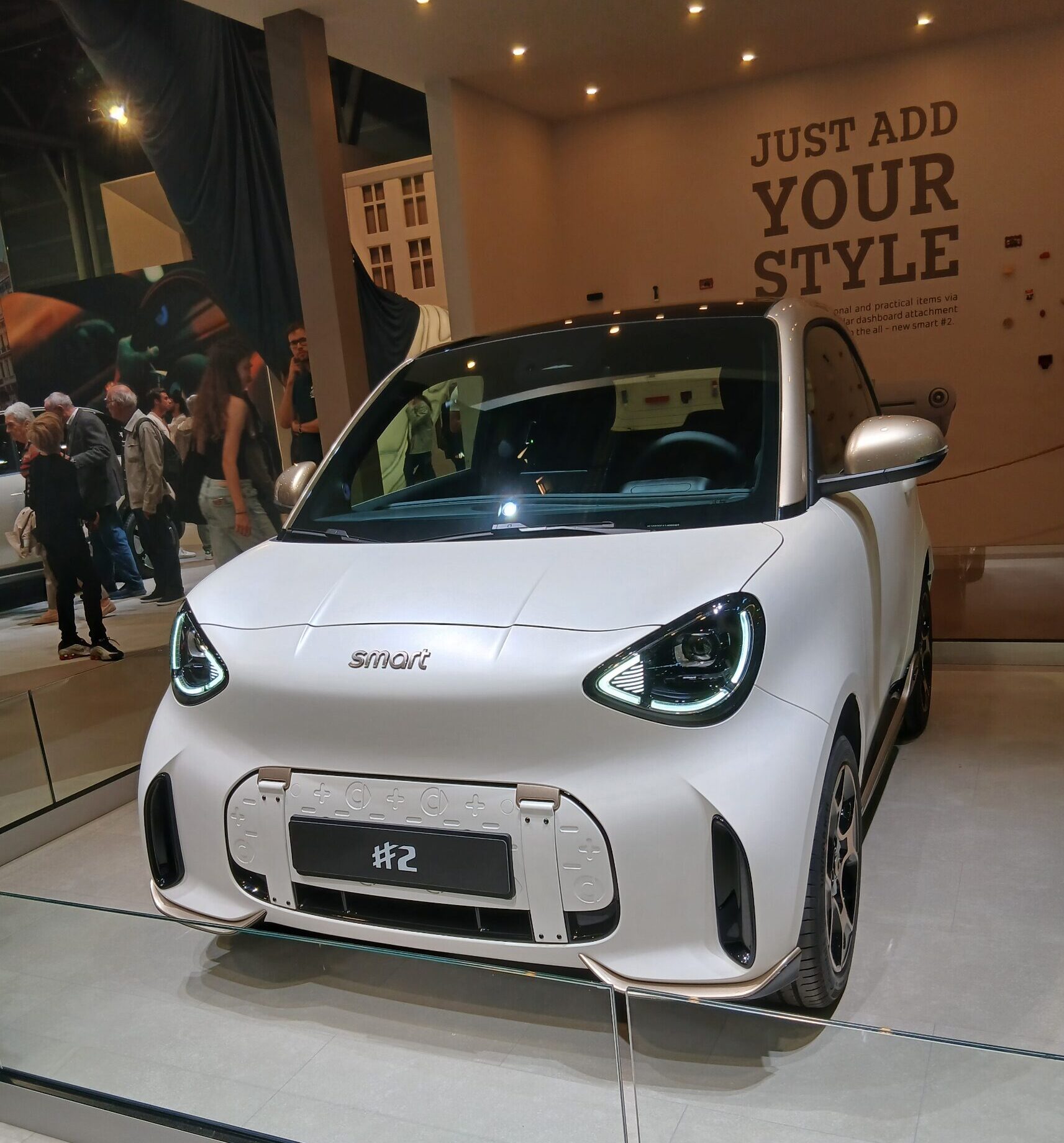
One of the most discussed reveals of the show was the Smart #2. After several years of experimenting with larger crossovers and fastbacks, Smart has returned to the "back to basics" philosophy that originally defined the brand. The #2 is a dedicated two-seater city car featuring a 36 kWh Lithium Iron Phosphate (LFP) battery, providing a WLTP-rated range of 290 kilometers.
While the starting price of €20,000 positions it as a premium choice within the city car segment, the vehicle offers significant upgrades over its predecessors, including a 308-liter trunk and highway-capable performance. Industry analysts suggest that while the #2 may remain a niche product with an estimated sales volume of 40,000 units annually, its profitability will likely depend on the upcoming #4—a four-seater variant designed to share the same platform and drive higher volume.
Citroën’s Retro-Futurist Gamble with the 2CV
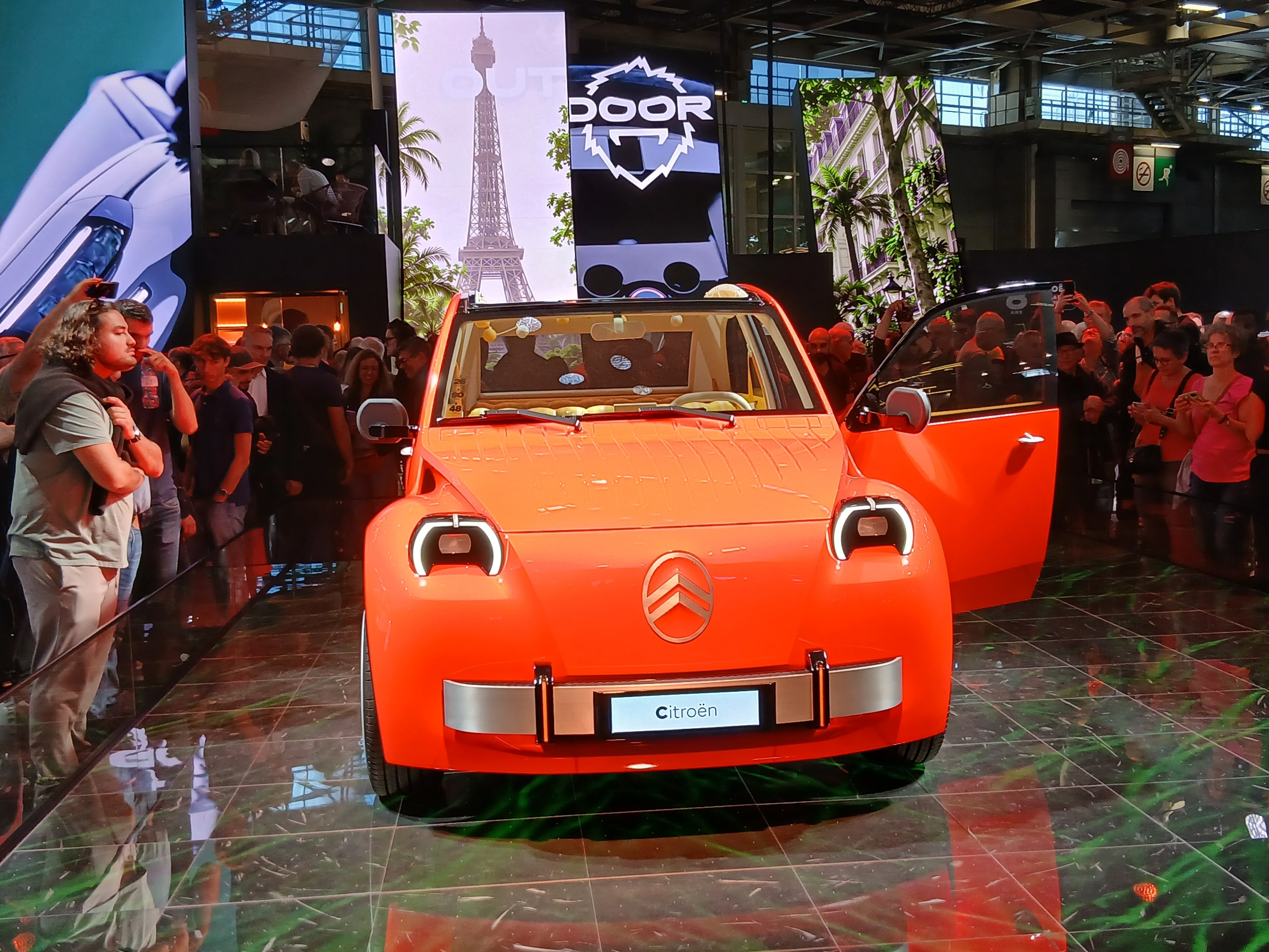
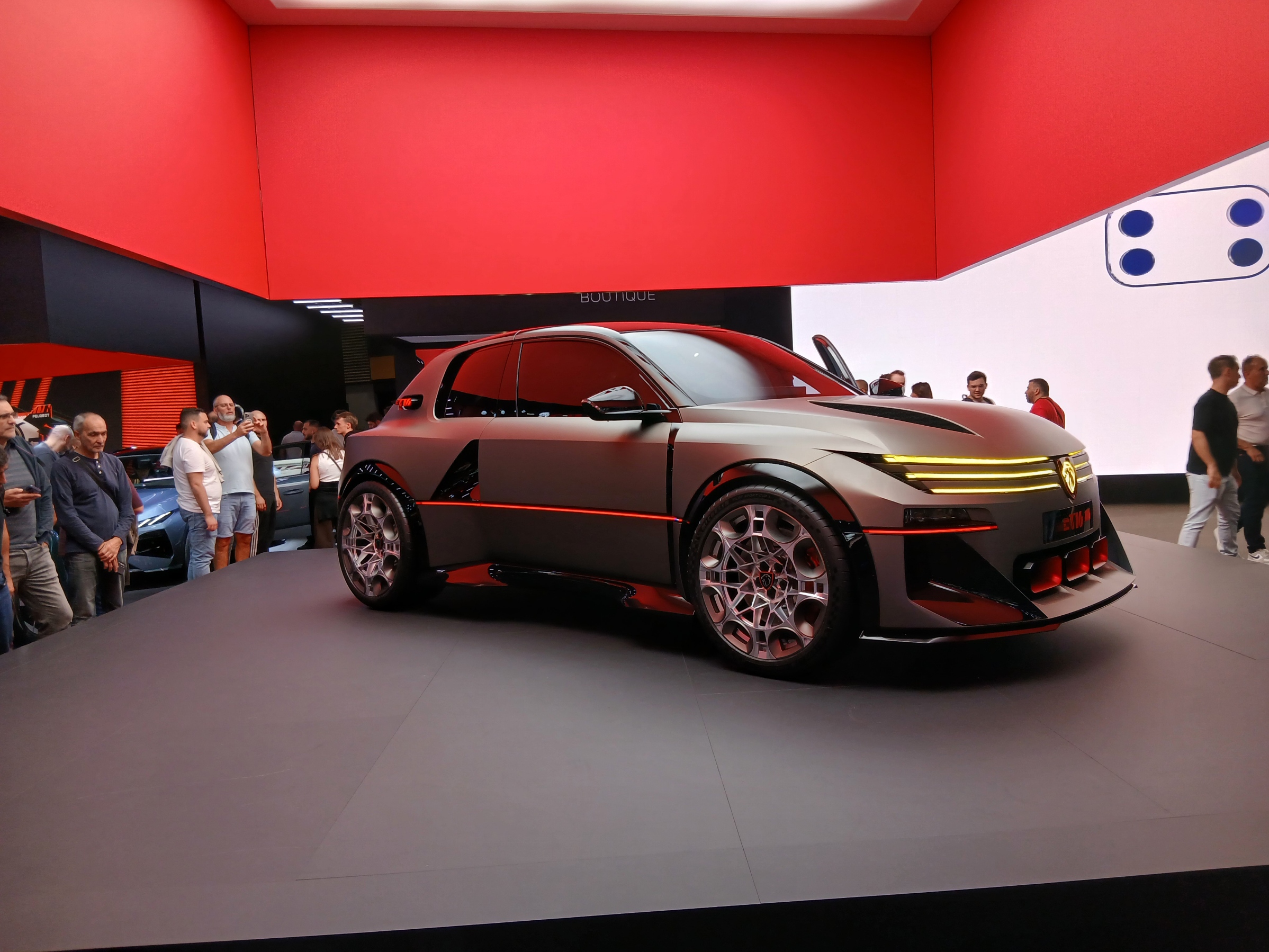
Stellantis utilized the Paris stage to unveil the Citroën 2CV EV, a modern reimagining of one of the most iconic vehicles in automotive history. Following the successful trajectory of Renault’s R5 and Twingo revivals, Citroën’s design team has produced a vehicle that maintains the "cute" and approachable aesthetic of the original while integrating modern electric architecture.
With a target price of €15,000, the 2CV is positioned to be one of the most affordable EVs on the market. However, the 2028 delivery timeline has raised concerns among industry observers. By the time the 2CV reaches consumers, the market will already be populated by the Renault Twingo family and the Volkswagen ID.Up. Analysts estimate that Citroën will need to move approximately 50,000 units per year to maintain viability, contributing to a total platform output of 170,000 units when combined with the future Fiat Panda and Leapmotor city car siblings.
Chinese Innovation and the Pursuit of Value
While European brands leaned into nostalgia, Chinese manufacturers focused on "rational value"—the delivery of high-segment features at low-segment prices. The 2026 show highlighted a narrowing gap in perceived quality between established European brands and their Chinese challengers.
Geely E2 and Leapmotor B03: Setting New Standards
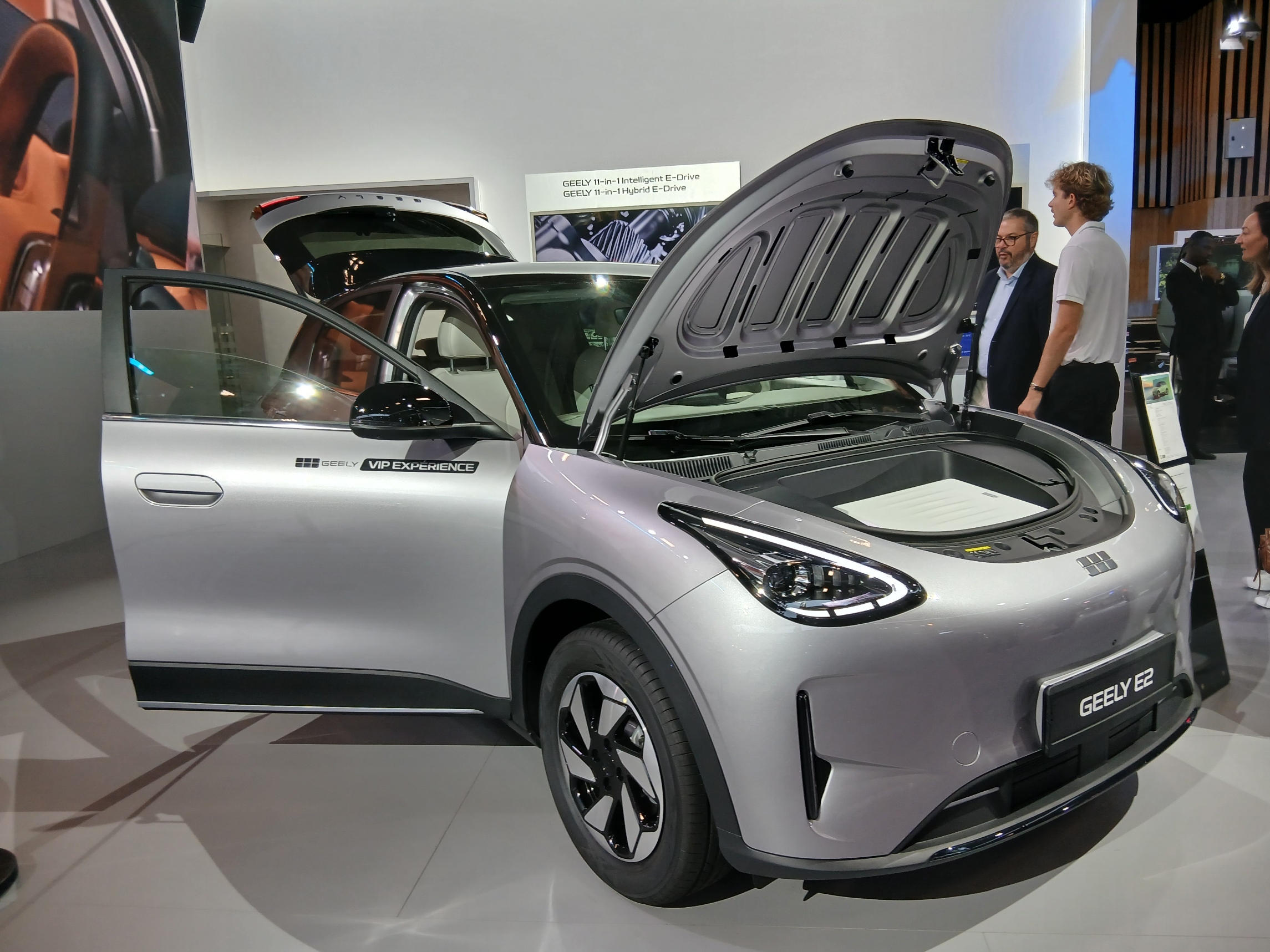
The Geely E2 (known as the Xingyuan in China) was a standout for its spatial efficiency and material quality. Starting at approximately €20,000, the E2 offers a 375-liter trunk and an interior that rivals vehicles in higher price brackets. Though its performance specifications are modest—116 horsepower and a 0–100 km/h time of 11.5 seconds—its appeal lies in its practicality and "segment-above" feel. Geely expects the E2 to reach sales of 60,000 units per year in Europe.
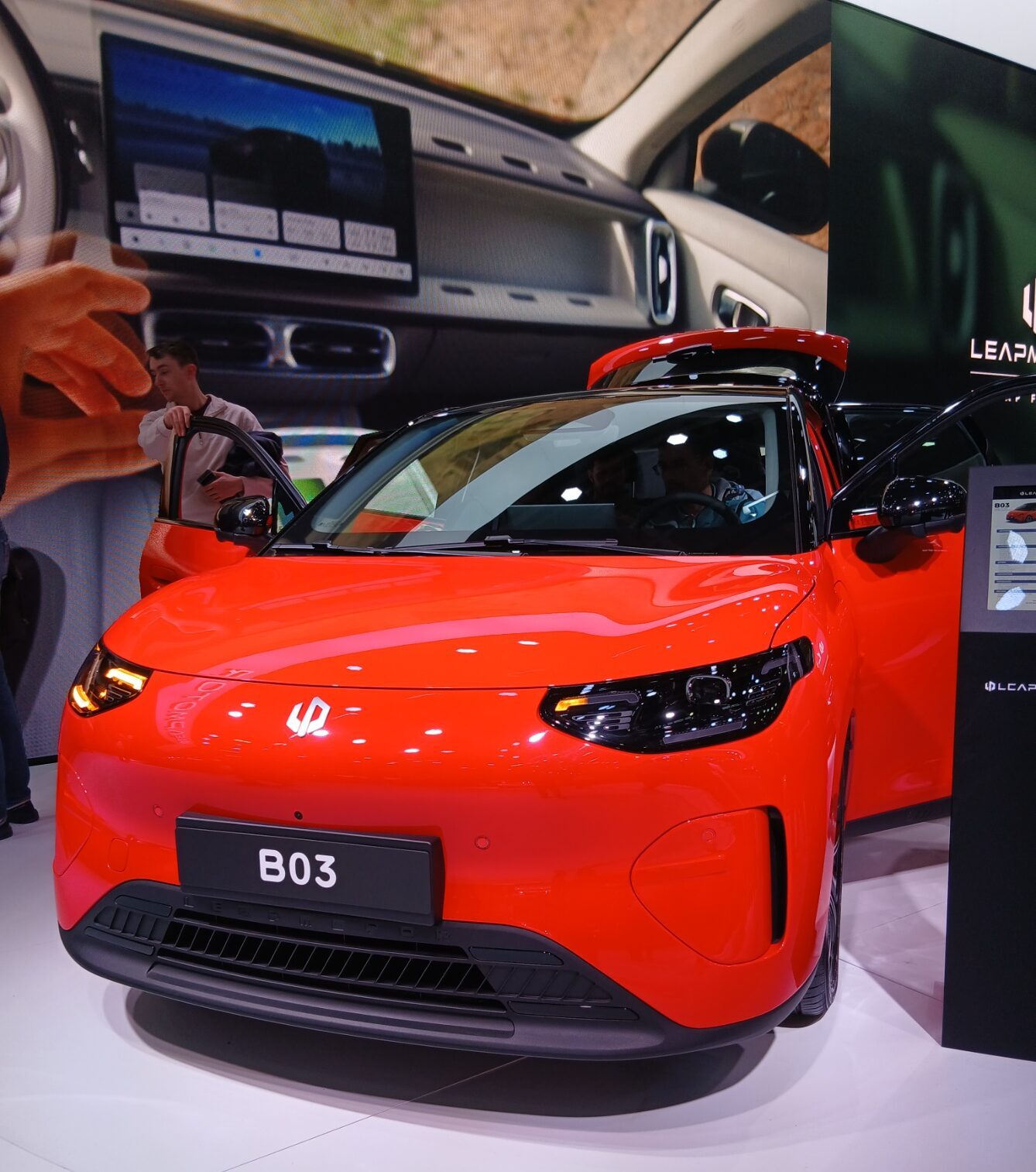
Similarly, the Leapmotor B03 small hatchback made its European debut. While the B03 features slightly less premium interior materials compared to the Geely E2, it compensates with superior technical specifications, including 133 kW fast-charging capabilities and an extended range. This technical rivalry between Geely and Leapmotor illustrates the fierce competition within the Chinese domestic market that is now being exported to European shores.
XPENG L03: Adapting to European Tastes
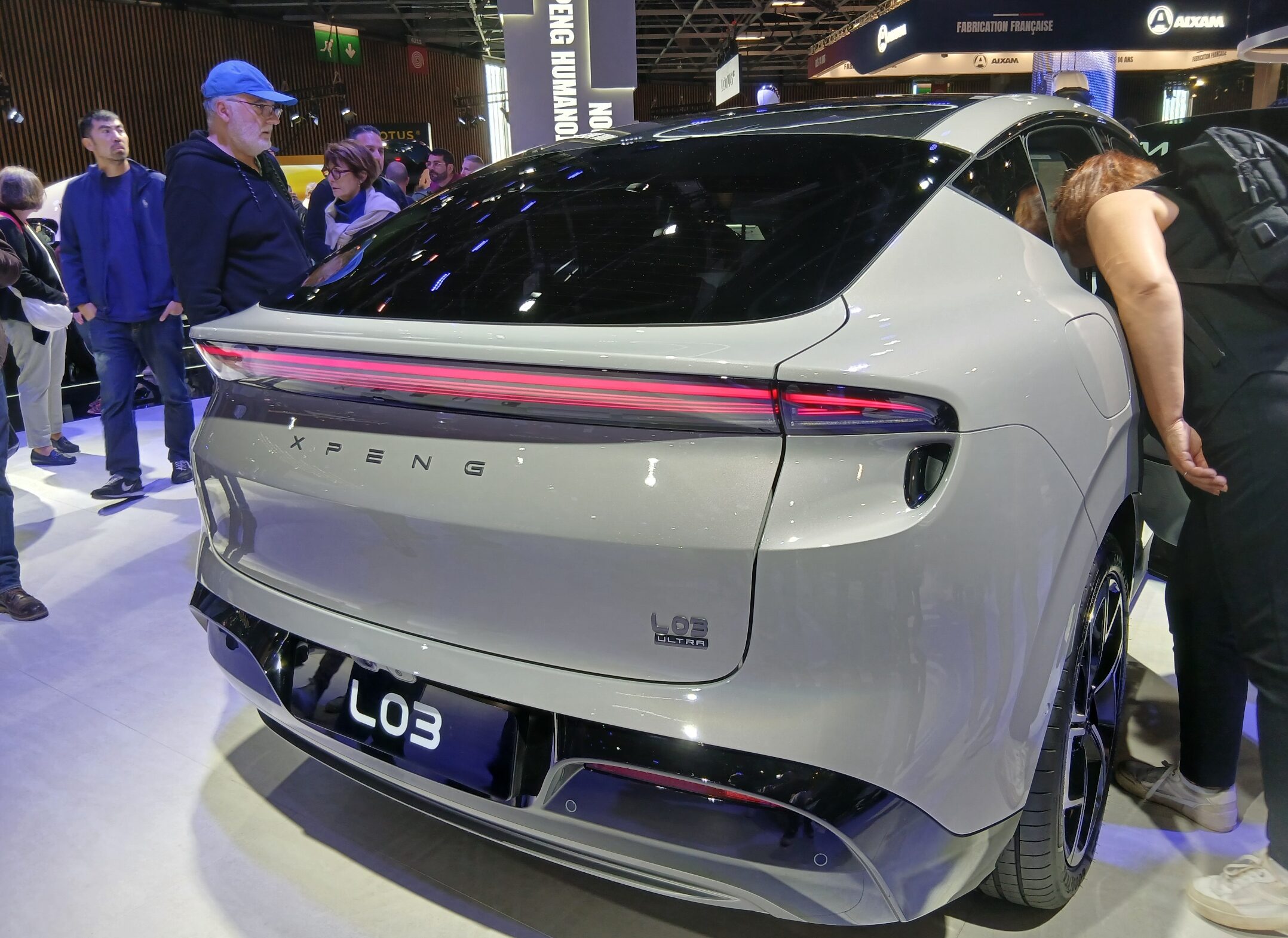
XPENG showcased the L03, a compact crossover that signals the brand’s maturing design language. With aesthetic cues reminiscent of Polestar and Lotus, the L03 is specifically tailored for European preferences. Crucially, the L03 will be offered as an Extended Range Electric Vehicle (EREV), a configuration that utilizes a small combustion engine as a generator to alleviate range anxiety—a growing trend in markets where charging infrastructure remains inconsistent. With 236 kW charging and a €35,000 starting price, the L03 is positioned as a formidable competitor to the Tesla Model Y.
Technical Advancements and Charging Infrastructure
The 2026 Paris Auto Show also served as a showcase for the rapid evolution of EV powertrains. The transition from high-cost Nickel Manganese Cobalt (NMC) batteries to more stable and affordable LFP chemistries was evident across almost all entry-level models.
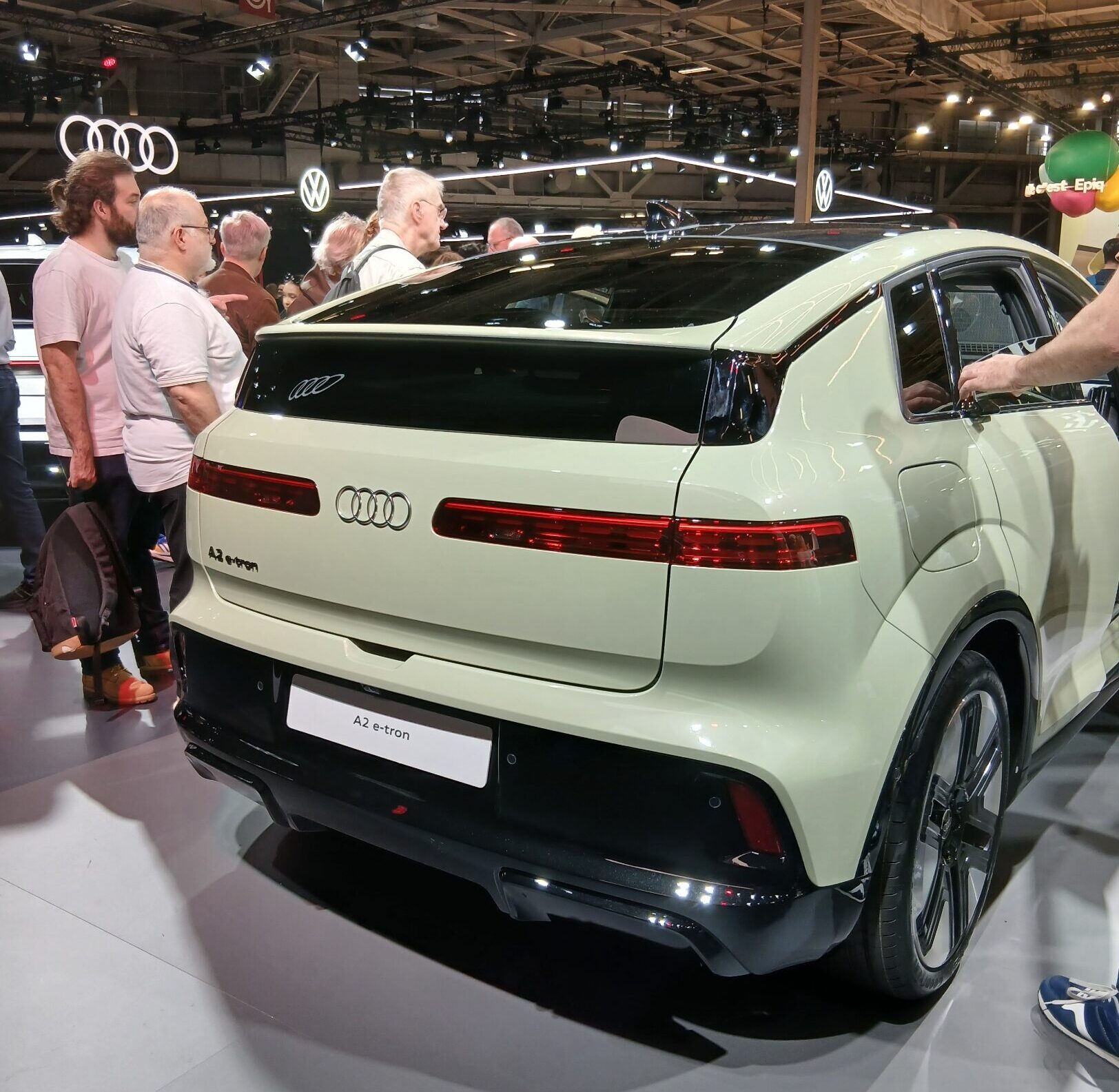
- Range Efficiency: The Audi A2 e-tron demonstrated the industry’s push for efficiency, achieving a WLTP range of 646 km despite its compact dimensions. This was achieved through advanced aerodynamics and a high-density battery pack, though at a premium starting price of €38,000.
- Charging Speeds: A new benchmark is being set for affordable cars. While 100 kW was once the standard for entry-level EVs, new models like the Leapmotor B03 and XPENG L03 are pushing these figures toward 130–230 kW, significantly reducing dwell time at public chargers.
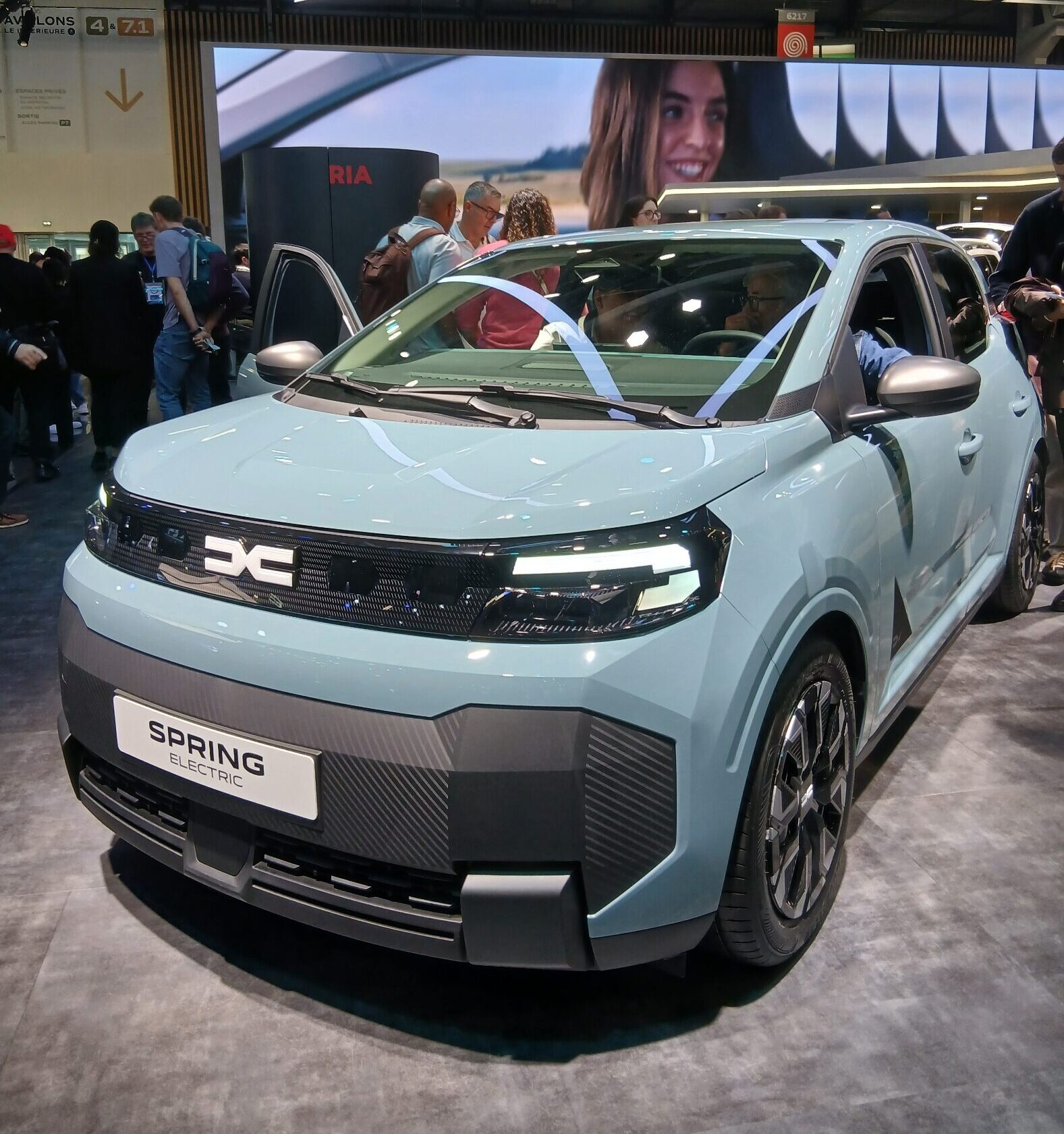
- Regional Production: To mitigate the impact of tariffs, manufacturers are shifting production locations. The updated Dacia Spring, for instance, is now produced in Novo Mesto, Slovenia. This allows the vehicle to remain eligible for various European subsidies, maintaining its status as a value leader at approximately €18,000.
Broader Market Implications and Economic Realities
The consensus among executives at the 2026 Paris Auto Show was one of cautious urgency. The "billion-euro question" remains: can European legacy manufacturers survive the transition by relying on brand loyalty and heritage-inspired design?
The "Emotion vs. Spec" Divide
European OEMs are increasingly betting on "emotional" sales—winning over customers with design and history—while acknowledging they may currently lag behind China in vertical integration and software-defined vehicle architecture. The next-generation Peugeot 208, for example, is expected to target 70,000 to 80,000 units per year by focusing on distinctive styling and a 500 km range, even if it carries a higher price tag than its Chinese counterparts.
The Tesla Factor
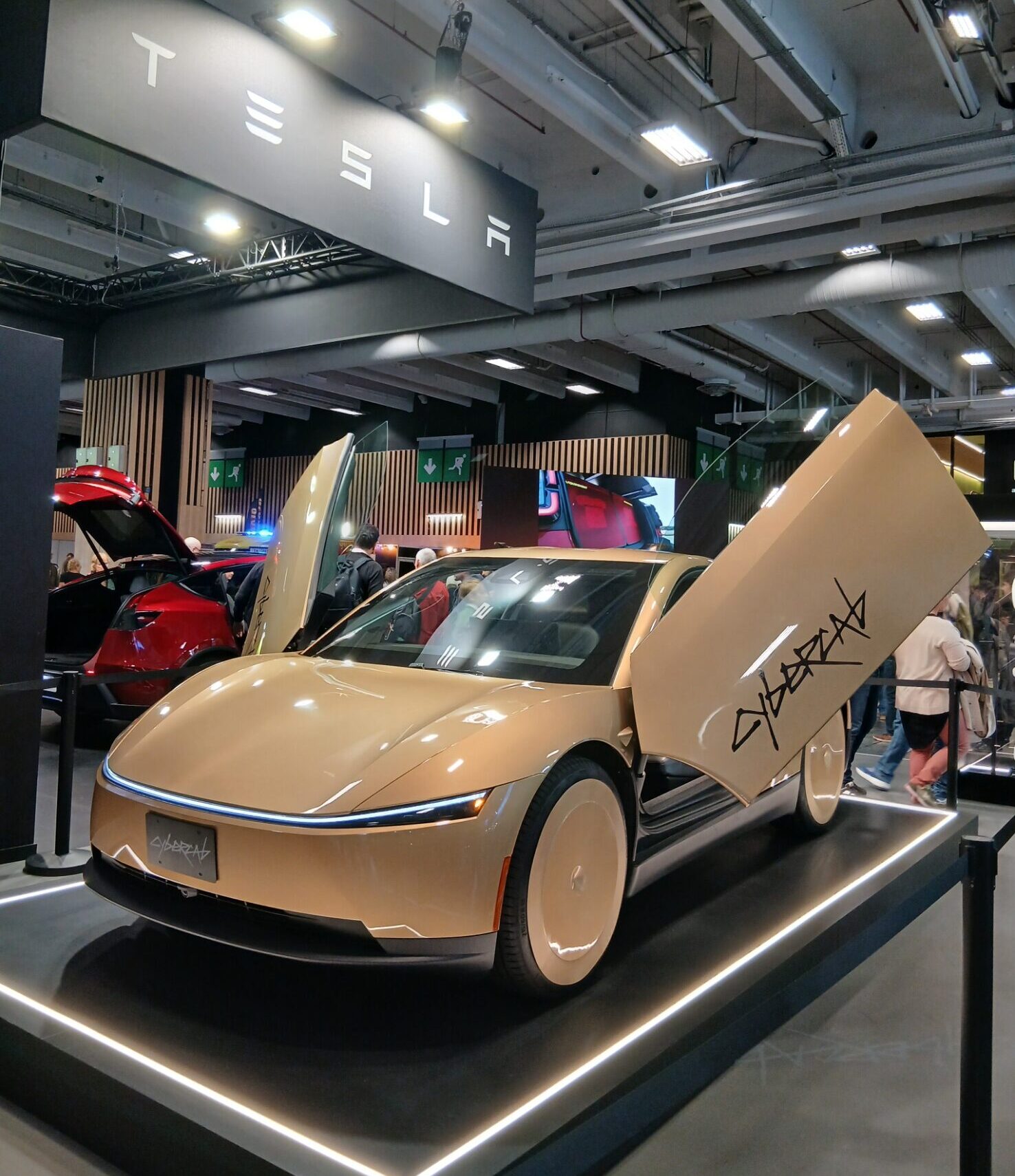
Tesla’s presence at the show was dominated by the Cybercab. While the vehicle’s "cyberfied" aesthetic was praised for its originality, the decision to omit traditional controls (pedals and steering wheel) was met with skepticism by industry analysts. In a market where regulatory hurdles for full autonomy remain high, the Cybercab is viewed more as a technological statement than a near-term solution for mass-market mobility. The lack of a conventional compact hatchback from Tesla remains a significant opening that both European and Chinese manufacturers are eager to fill.
Conclusion: A Snapshot of an Industry in Flux
The 2026 Paris Auto Show will be remembered as the moment the European automotive industry "stopped warning and started acting." The revival of the city car, the embrace of retro-futurism, and the shift toward localizing production of budget-friendly EVs all point to a strategic pivot intended to reclaim the narrative from Chinese challengers.
However, the competition is far from over. With Chinese manufacturers proving they can adapt their products to European tastes with remarkable speed, and with European brands still grappling with higher production costs and longer development cycles, the next two years will be critical. The success of the models previewed in Paris—the Smart #2, the Citroën 2CV, the Geely E2, and the XPENG L03—will ultimately determine the future hierarchy of the European car market. For the consumer, this rivalry has already yielded a clear benefit: a renewed focus on affordable, high-tech, and diverse electric mobility options.
