

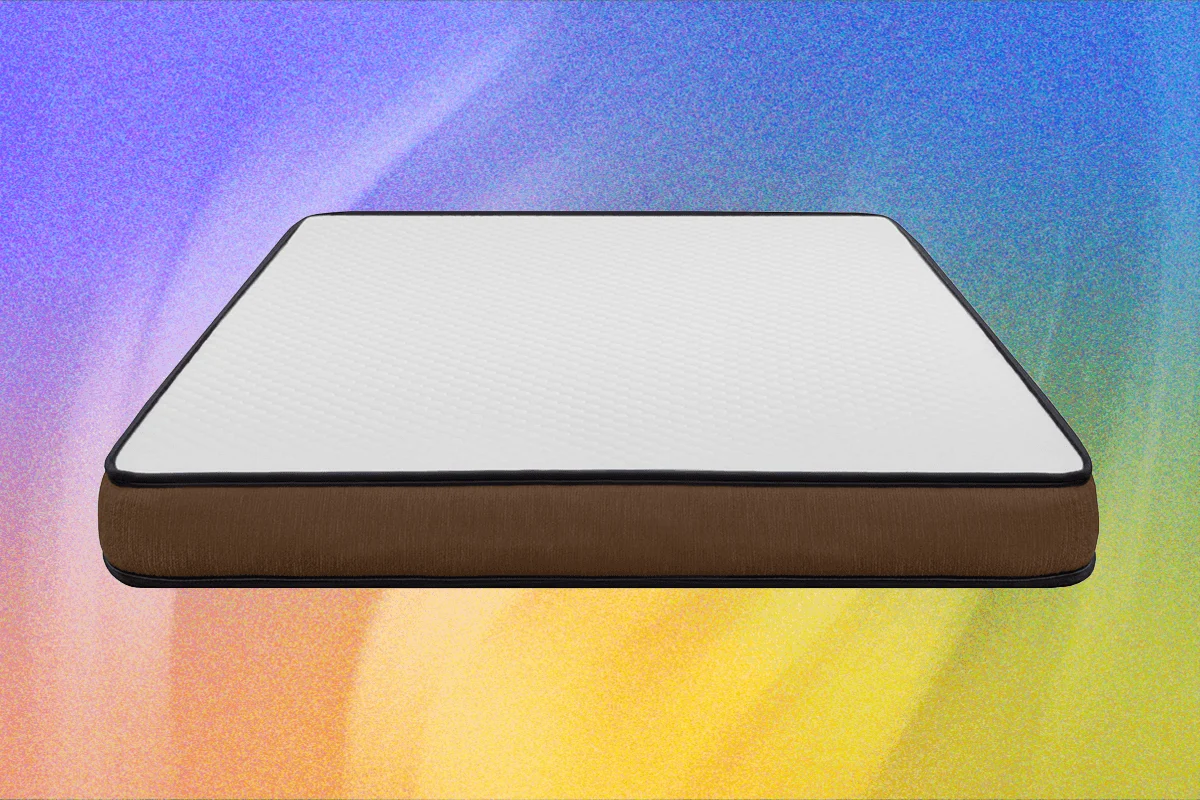
The global sleep economy, currently valued at approximately $585 billion, continues to expand as consumers increasingly prioritize rest as a fundamental pillar of health. Within this market, mattress toppers have emerged as a strategic middle ground for consumers seeking to enhance their sleep quality without the substantial financial commitment of a new mattress. Recent industry testing and consumer data indicate a shift toward specialized materials, ranging from organic latex and alpaca fibers to high-tech cooling foams. This report analyzes the performance, construction, and market positioning of leading sleep accessories, based on extensive real-world testing and material science evaluations.
The Evolution of the Sleep Surface Market
Historically, the mattress topper was a rudimentary accessory, often limited to simple egg-crate foam. However, the modern market has evolved into a sophisticated sector driven by material innovation. Manufacturers are now utilizing "smart" fabrics and natural fibers to address specific physiological needs, such as spinal alignment, pressure relief, and thermoregulation. According to market analysts, the demand for organic and sustainable bedding has grown by 15% annually, a trend reflected in the rise of brands like Avocado and Turmerry.
The chronology of these product developments shows a clear trajectory: from basic comfort layers to targeted orthopedic solutions. In the last five years, the "bed-in-a-box" revolution has standardized certain foam technologies, forcing premium brands to differentiate through luxury materials like alpaca wool or proprietary cooling covers such as GlacioTex.
Luxury and Organic Alternatives: The Honorable Mentions
While several products dominate the market, a subset of "Honorable Mentions" represents high-performance alternatives for specific consumer niches. The Avocado Alpaca Topper, priced at $1,240, occupies the ultra-luxury tier. Utilizing "baby alpaca" fibers—a term referring to the fineness of the fiber rather than the age of the animal—this 2-inch topper provides a "cocoon-like" softness. Despite its premium price, availability remains a constraint, with current stocks often limited to twin and twin XL sizes.
For consumers seeking organic materials at a more accessible price point, the Avocado Eco Organic Mattress Topper ($339) offers a latex foam construction. Unlike memory foam, which is characterized by a "sinking" sensation, latex provides a buoyant, resilient feel. This distinction is critical for sleepers who move frequently during the night, as latex facilitates easier repositioning.
In the mid-range latex category, the Brooklyn Bedding 3-Inch Latex Mattress Topper ($629) and the Nest Soft Latex Topper ($644) provide varying degrees of support. Testing data suggests that while the Brooklyn Bedding model offers adequate spring, the Avocado Eco provides superior comfort at nearly half the cost, illustrating a significant variance in value-to-price ratios within the organic sector.
Targeted Solutions for Couples and Hot Sleepers
One of the primary challenges in the bedding industry is accommodating couples with differing firmness preferences. The Helix Dual Comfort Mattress Topper ($372) addresses this through a split-firmness design. One side features copper-gel infused memory foam for a plush feel, while the other utilizes high-density foam for spinal alignment. This product represents a growing trend in "split" bedding solutions, allowing users to customize their side of the bed without the expense of a split-king mattress.
Thermoregulation remains the most cited concern among mattress topper users. Memory foam is notoriously prone to heat retention, a byproduct of its dense molecular structure. To combat this, brands like Saatva and Helix have introduced heat-dissipating elements. The Saatva Graphite Memory Foam Topper ($305) incorporates graphite, a mineral known for its high thermal conductivity, to draw heat away from the body. Similarly, the Helix Premium Memory Foam Topper ($372) utilizes a GlacioTex cooling cover. Testing confirms that while these materials do not feel "cold" to the touch indefinitely, they effectively maintain a neutral temperature throughout the night.
The Industry Standard: Tempur-Pedic and Its Competition
Tempur-Pedic remains a benchmark for motion isolation. The Tempur-Adapt Mattress Topper ($359) is highly regarded for its ability to absorb movement, making it an ideal choice for those sharing a bed with restless partners. However, the brand’s rigid "no return" policy stands in stark contrast to the 180-day trials offered by competitors like Saatva.

Furthermore, the Tempur-Cloud Topper ($164) highlights the limits of softness. Test results indicate that the material is so plush that stomach sleepers may experience difficulty moving or potential neck strain when paired with high-loft pillows. This underscores a vital industry finding: maximum softness does not equate to maximum comfort for all sleep positions.
Budget-Friendly Organic Innovations
For the value-conscious consumer, the Turmerry Latex Mattress Topper ($199) has been identified as a leading organic option. It utilizes a five-zone design, varying the firmness levels to provide more support for the head and lower back while remaining softer at the shoulders. This type of ergonomic zoning was once reserved for high-end mattresses but is now migrating to the topper market, providing sophisticated support at a lower entry price.
Critical Evaluations: Products to Avoid
Not all innovations in the sector have met with success. Quality control and structural integrity remain hurdles for some manufacturers. The Leesa Mattress Topper ($224), for instance, has faced criticism for inconsistent sizing and edge support issues. Similarly, the Brooklyn Bedding 4 lb. Memory Foam Topper ($290) failed to provide the restorative sleep expected of its price point, with testers reporting a lack of the traditional benefits associated with high-density foam. These failures highlight the importance of construction quality over material specifications alone.
Protecting the Investment: The Role of Mattress Protectors
A significant segment of the market is often confused by the distinction between toppers and protectors. While toppers change the feel of the bed, protectors are thin, functional layers designed to safeguard against allergens, fluids, and wear.
The Bear Waterproof Mattress Protector ($72) has emerged as a top performer for families, utilizing a sheet-like elastic design rather than a cumbersome zippered enclosure. Its ability to remain stain-free after significant exposure to liquids makes it a practical choice for child-rearing environments.
In the premium protector space, Sijo offers the TempTune Cooling Mattress Pad ($175) and the AiryWeight Eucalyptus Mattress Protector ($80). These products utilize mica-nylon and Tencel—a fiber derived from eucalyptus wood pulp—to enhance breathability. However, testing suggests these are often more "water-resistant" than "waterproof." For heavy-duty protection, the Quince Organic Waterproof Mattress Protector ($82) is noted for its use of undyed organic jersey cotton and a polyurethane backing, offering superior dryness retention despite a slightly coarser texture.
Technical Analysis of Materials
Understanding the underlying materials is essential for informed consumer choice. The industry currently categorizes toppers into several distinct types:
- Memory Foam: Polyurethane foam treated with chemicals to increase density and viscosity. It is characterized by high pressure relief and motion isolation but high heat retention.
- Latex: A resilient material derived from rubber trees. It is prized for its durability, breathability, and "bounce."
- Wool/Alpaca: Natural fibers that offer superior moisture-wicking and temperature regulation. These are typically the softest options but offer the least structural support.
- Serene Foam: A newer polyurethane-based material featuring microscopic air capsules designed to mimic memory foam while reducing heat traps.
- Hybrid: Combinations of micro-coils and foam layers, designed to provide the support of a traditional mattress in a 3-inch profile.
Broader Impact and Industry Implications
The proliferation of high-quality mattress accessories has significant implications for the furniture industry and environmental sustainability. By extending the life of an existing mattress by three to five years, toppers reduce the volume of bulky waste entering landfills. Furthermore, the shift toward GOTS (Global Organic Textile Standard) and Greenguard Gold certifications reflects a growing consumer awareness of "off-gassing" and indoor air quality.
As sleep science continues to validate the link between sleep quality and long-term health outcomes—including cognitive function and cardiovascular health—the market for these products is expected to reach new heights. The integration of technology, such as biometric sensors within toppers, represents the next frontier in this evolution. For now, the primary driver remains the pursuit of the "perfect" feel, a goal that manufacturers are meeting through an increasingly diverse array of materials and customized solutions.
