

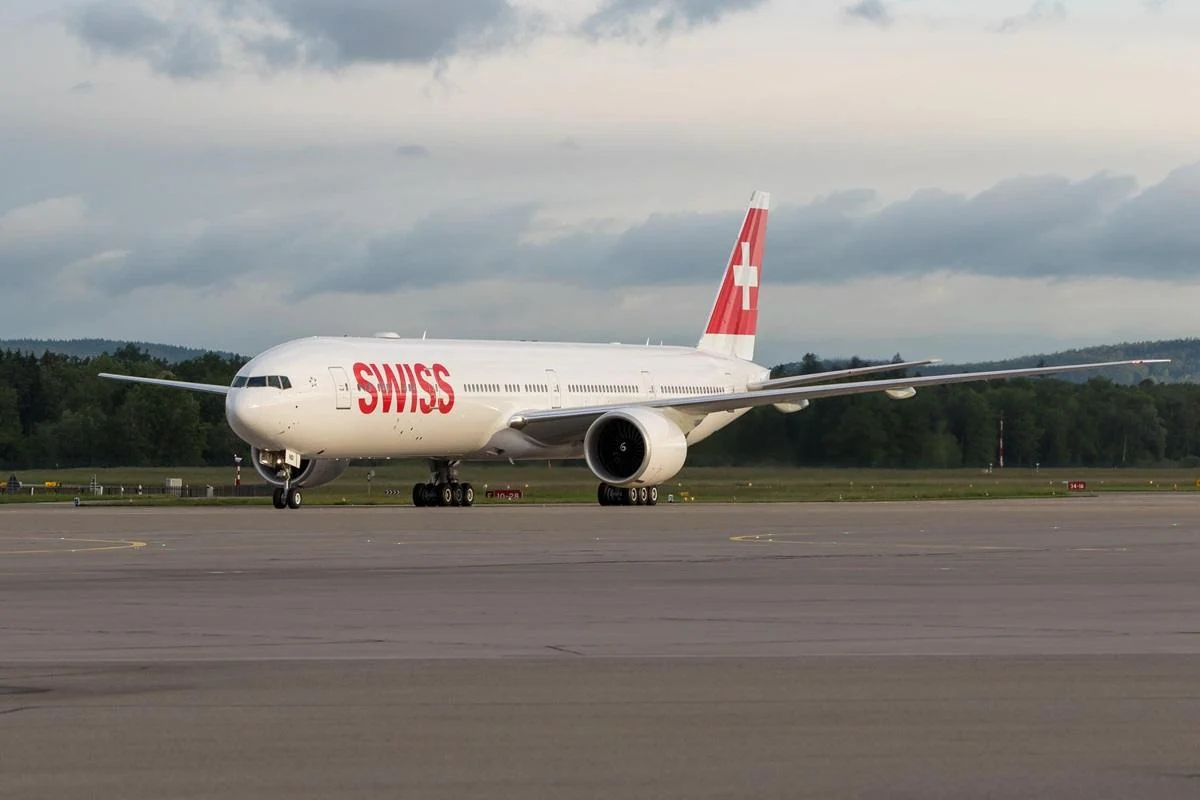
The partnership aims to leverage MetaFuels’ proprietary technology to create a reliable supply chain for e-SAF, a synthetic fuel that promises to decouple aviation growth from carbon emissions. By focusing on synthetic solutions rather than traditional biofuels, the two companies are targeting the most scalable and sustainable segment of the alternative fuel market. This move is aligned with the broader sustainability objectives of the Lufthansa Group, the parent company of SWISS, which has committed to ambitious carbon reduction targets over the coming decades.
The Technological Foundation: The Aerobrew Process
At the heart of this partnership is MetaFuels’ innovative "aerobrew" technology. Founded in 2021, MetaFuels has spent the last several years refining a chemical process designed to convert green hydrogen and captured carbon dioxide into high-quality synthetic jet fuel. Unlike traditional sustainable aviation fuels, which often rely on biological feedstocks such as used cooking oils or agricultural waste, synthetic SAF—often referred to as e-SAF or Power-to-Liquid (PtL) fuel—utilizes renewable energy as its primary input.
The aerobrew process begins with the production of sustainable methanol. This is achieved by combining green hydrogen, generated through water electrolysis powered by renewable energy, with carbon dioxide captured from industrial processes or directly from the atmosphere. This methanol is then converted into synthetic kerosene through a specialized catalytic process. The resulting fuel is a "drop-in" solution, meaning it can be used in existing aircraft engines and fueling infrastructure without the need for modifications.
One of the primary advantages of the MetaFuels approach is its feedstock flexibility. The technology can utilize various sources of methanol, including biomethanol derived from sustainable biomass or e-methanol produced from captured CO2. This versatility is crucial for scaling production, as it allows the company to adapt to different regional resource availabilities and regulatory environments. Furthermore, by focusing on synthetic pathways, MetaFuels avoids the "food-versus-fuel" debate and the land-use concerns often associated with first-generation biofuels.
The State of Global Aviation Decarbonization
The partnership between SWISS and MetaFuels arrives at a critical juncture for the global aviation industry. According to the International Air Transport Association (IATA), SAF is expected to contribute approximately 65% of the reduction in emissions needed for the industry to reach net-zero carbon emissions by 2050. However, the current state of production remains far below the levels required to meet this goal.
In 2025, global SAF production nearly doubled, yet it still accounted for a mere 0.6% of the total fuel consumed by the airline industry. This disparity highlights the "SAF gap"—a significant shortage in supply that keeps prices high and limits the ability of airlines to meet internal and regulatory decarbonization targets. The primary barriers to increasing production include the high capital expenditure required for new refineries, the limited availability of sustainable biological feedstocks, and the high cost of green hydrogen production.
By investing in synthetic SAF, SWISS and MetaFuels are addressing the feedstock limitation directly. While bio-based SAFs are currently more cost-effective, their total potential volume is constrained by the availability of waste oils and sustainable land. Synthetic fuels, by contrast, are theoretically limited only by the availability of renewable energy and carbon capture technology, making them the most viable long-term solution for a sector that consumes hundreds of millions of tons of fuel annually.
Economic Implications and Procurement Strategies
A key component of the new partnership is the consideration of long-term procurement contracts. For a startup like MetaFuels, securing a commitment from a major carrier like SWISS—and by extension, the Lufthansa Group—provides the financial certainty needed to attract investment for large-scale production facilities. For SWISS, these contracts offer a way to hedge against future fuel price volatility and ensure a steady supply of SAF in an increasingly competitive market.
The goal of MetaFuels is to make e-SAF cost-competitive with conventional fossil-based jet fuel over the long term. Currently, SAF can cost anywhere from two to five times as much as traditional kerosene. Closing this price gap requires significant technological maturation and economies of scale. The collaboration with SWISS is intended to drive the "industrial-scale production" that Jens Fehlinger, CEO of SWISS, noted is essential for making sustainable fuels affordable and widely available.
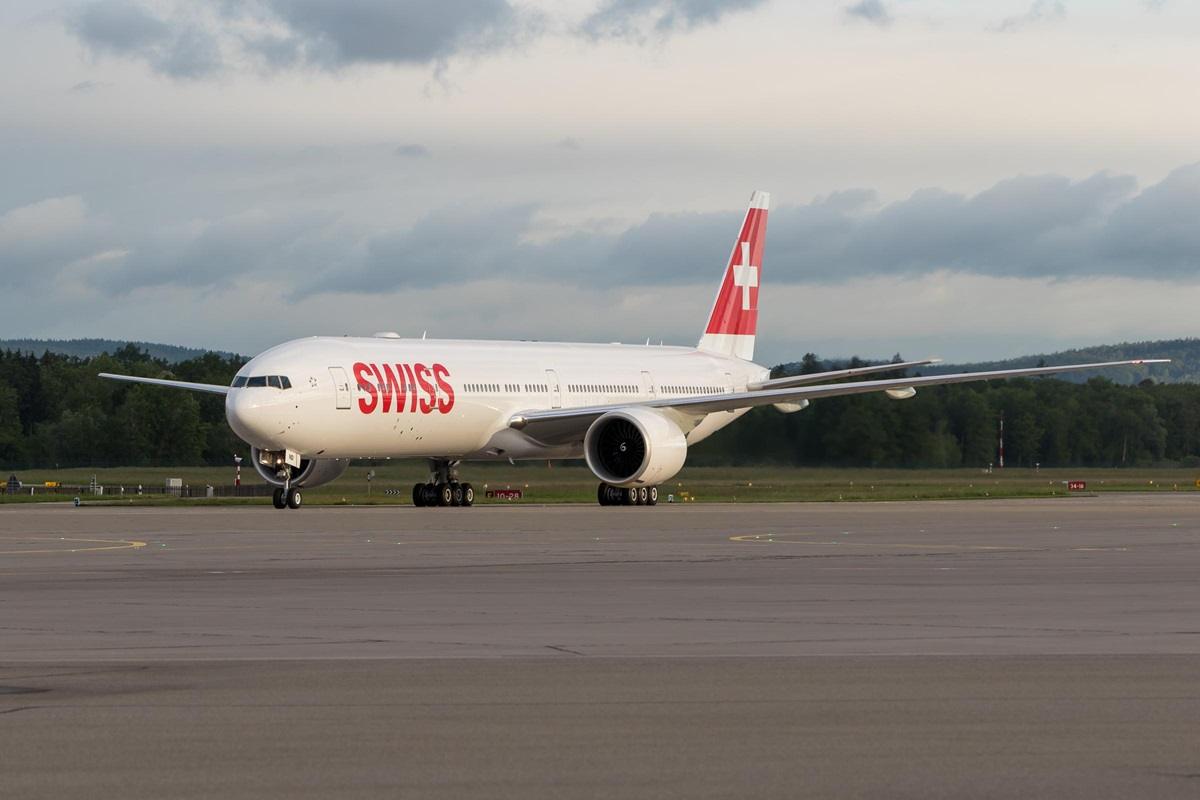
The economic viability of synthetic fuels is also tied to the decreasing cost of renewable energy and the maturation of the green hydrogen economy. As the cost of electrolyzers falls and the efficiency of carbon capture improves, the production cost of e-methanol and subsequent synthetic kerosene is expected to decline. This partnership serves as a catalyst for that maturation, providing a clear demand signal to the energy market.
Regulatory Drivers: The European Context
The timing of this partnership is also influenced by tightening regulatory frameworks in Europe. The European Union’s "Fit for 55" package includes the ReFuelEU Aviation initiative, which mandates that fuel suppliers at EU airports incorporate increasing percentages of SAF into their kerosene supply. The mandate starts at 2% in 2025 and rises to 6% by 2030, eventually reaching 70% by 2050.
Importantly, the EU regulations include a specific sub-mandate for synthetic fuels (e-SAF), recognizing their critical role in the long-term energy mix. Starting in 2030, a portion of the SAF used must be synthetic. By aligning with MetaFuels now, SWISS is positioning itself to meet these upcoming legal requirements well ahead of schedule.
Switzerland, while not a member of the EU, often aligns its aviation policies with European standards. The Swiss government has expressed strong support for the development of a domestic SAF industry, viewing it as a way to maintain the country’s status as a hub for high-tech innovation and sustainable finance. The SWISS-MetaFuels partnership reinforces Zurich’s position as a center for clean-tech development.
Leadership Perspectives on the Partnership
The leadership of both organizations has emphasized the necessity of collaboration to overcome the systemic challenges of aviation decarbonization. Saurabh Kapoor, CEO of MetaFuels, highlighted the synergy between the technology provider and the end-user. "We are united with SWISS in our shared objective of paving a viable and scalable way to providing lower-emission air travel," Kapoor stated. He noted that as regulatory provisions tighten and demand for low-carbon travel grows, synthetic fuels will become an indispensable part of the aviation ecosystem.
Jens Fehlinger, CEO of SWISS, echoed these sentiments, stressing that the airline is committed to driving the transformation of the industry rather than simply reacting to it. "Sustainable fuels must become available much faster, at affordable prices and in significantly larger quantities in the future," Fehlinger remarked. He acknowledged that while the airline is taking internal measures—such as fleet modernization and operational optimizations—the availability of SAF remains the single most important factor in achieving large-scale emission reductions.
Future Outlook and Scalability Challenges
While the partnership represents a major step forward, several challenges remain. The transition to a synthetic fuel economy requires a massive build-out of renewable energy infrastructure. To produce enough e-SAF to power a significant portion of the global fleet, the industry will require vast amounts of renewable electricity to generate green hydrogen.
Additionally, the logistics of carbon capture and transport must be refined. Whether the CO2 is captured from industrial stacks or via Direct Air Capture (DAC), the infrastructure to move and process this carbon is still in its infancy. MetaFuels’ "aerobrew" process is designed to be integrated into these emerging value chains, but the speed of its deployment will depend on broader industrial trends.
The collaboration between SWISS and MetaFuels is expected to serve as a blueprint for other airlines and technology providers. By combining the technical expertise of a startup with the operational scale and market reach of a major airline, the partnership addresses the "chicken-and-egg" problem that has long plagued the SAF market: producers are hesitant to build without guaranteed buyers, and buyers are hesitant to commit without a proven supply.
As the partnership progresses, the focus will shift from laboratory and pilot-scale testing to the construction of industrial production plants. The success of these efforts will be a critical indicator of whether the aviation industry can truly decouple its growth from its carbon footprint and achieve its 2050 net-zero ambitions. For now, the alliance between SWISS and MetaFuels stands as a clear signal that the era of synthetic aviation fuel is moving from the realm of theory into the reality of the global energy transition.
