

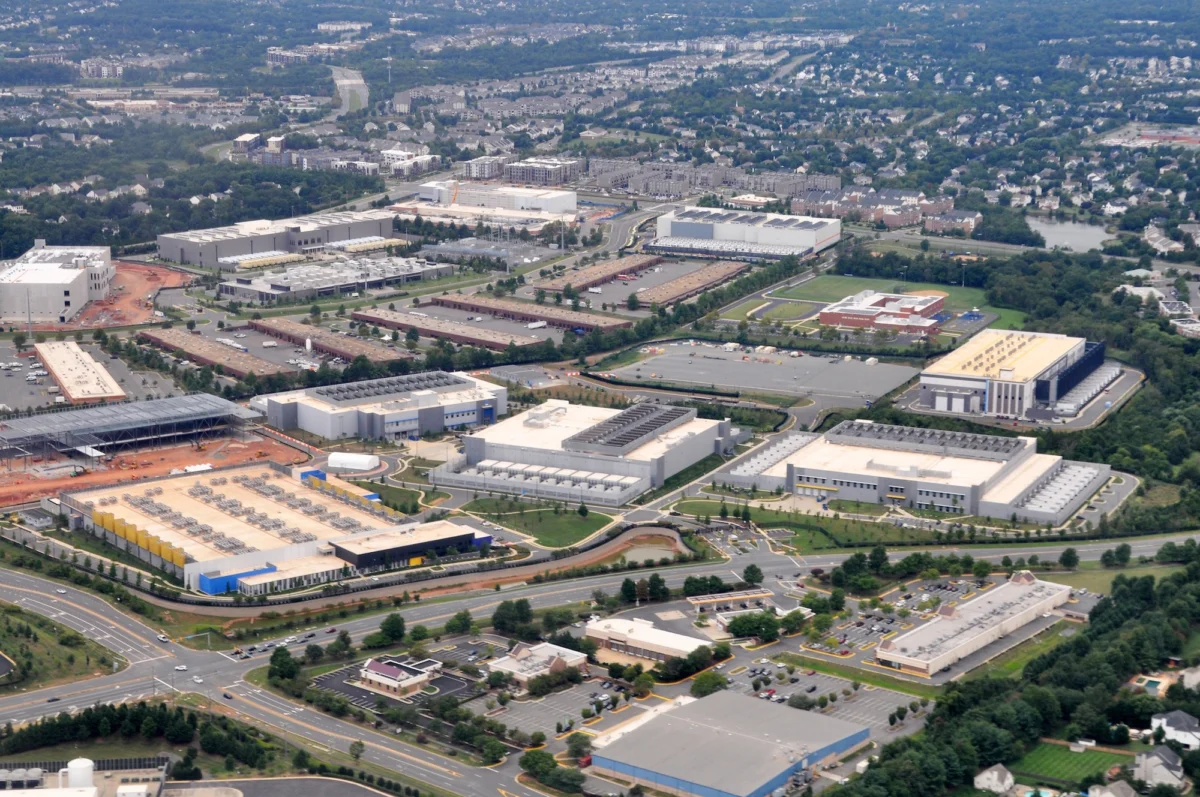
The rapid proliferation of artificial intelligence has sparked a massive infrastructure race across the United States, as technology giants and real estate developers rush to construct the "hyperscale" data centers required to power next-generation computing. While these facilities are often presented by the industry as essential pillars of the modern digital economy, they are increasingly meeting fierce resistance from the communities where they are slated to be built. From rural farmlands to suburban neighborhoods, local organizers are successfully challenging the political and financial firepower of the tech sector, winning significant victories against projects they claim threaten their environment, health, and economic stability.
The evolution of data storage has undergone a radical transformation since the first server rooms appeared in the 1940s. Today, more than 4,000 data centers are operational or under development across the U.S. landscape. However, the current "AI boom" requires a different scale of infrastructure altogether. Unlike traditional data centers that support web hosting or cloud storage, AI training and inference require "hyperscale" facilities equipped with thousands of high-density Graphics Processing Units (GPUs) that generate immense heat and consume unprecedented amounts of electricity and water.
The Escalating Energy Crisis and Grid Strain
The energy requirements of the AI era are staggering and have fundamentally altered the trajectory of U.S. energy demand. Since the public launch of generative AI tools like ChatGPT in late 2022, the energy consumption of domestic data centers has more than doubled. Projections from the International Energy Agency (IEA) suggest that this demand will more than triple between 2021 and 2030.
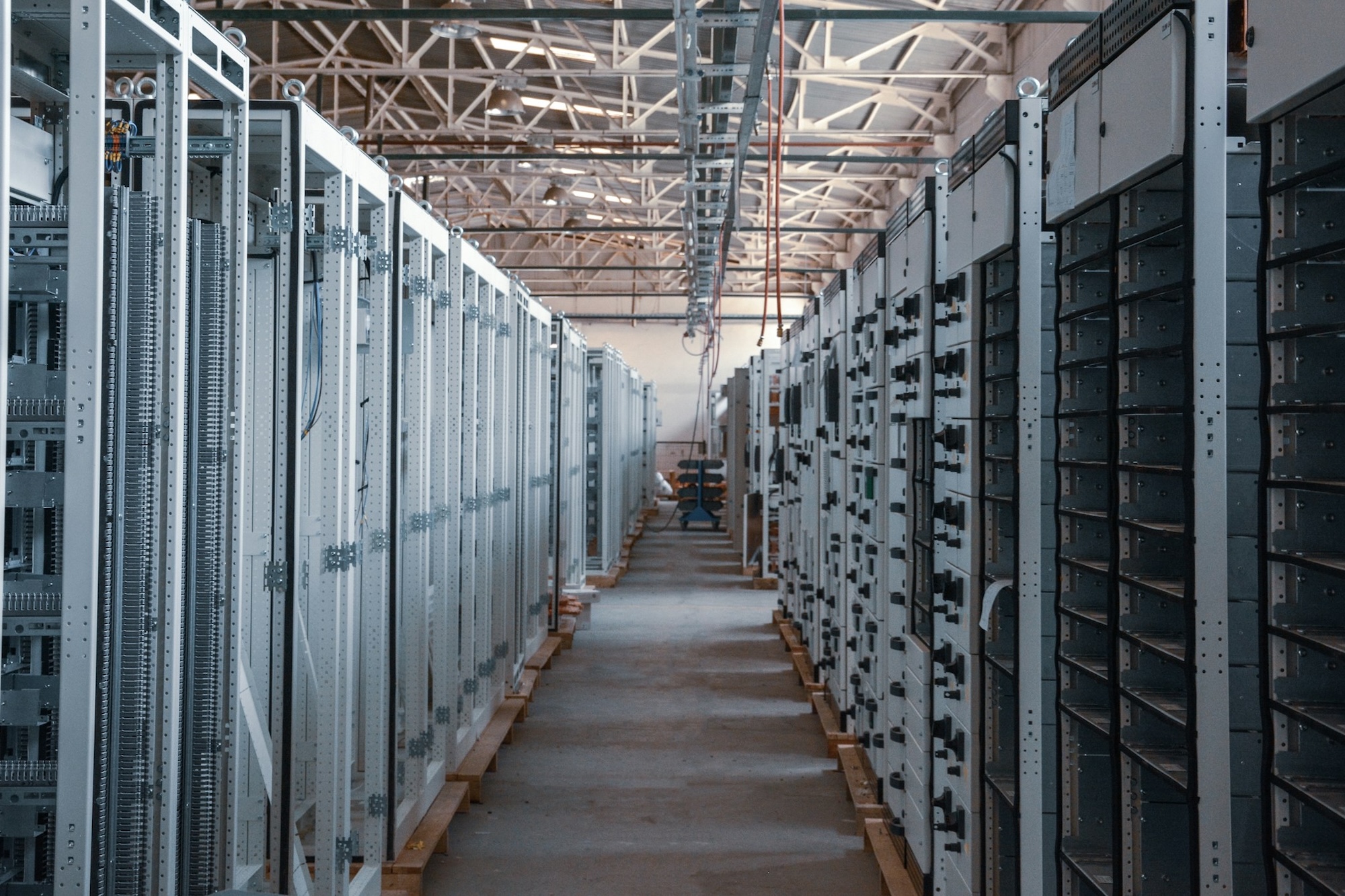
In 2022, U.S. data centers utilized approximately 134 terawatt-hours (TWh) of electricity—a figure exceeding three times the annual energy consumption of New York City. By 2030, this consumption is expected to reach 426 TWh. This surge is placing an immense strain on the national power grid, leading to direct economic consequences for residential consumers. A recent analysis by Bloomberg indicated that in regions with high data center density, wholesale electricity costs have surged by as much as 267 percent over the past five years.
Because these massive new loads are frequently subsidized by local utility agreements or tax incentives, the cost of grid upgrades often falls on the shoulders of local ratepayers. To circumvent grid limitations, some developers have turned to on-site power generation, such as gas turbines. While this provides a shortcut for the tech companies, it introduces new problems for residents. In Memphis, Tennessee, and Southaven, Mississippi, the use of unpermitted methane gas turbines to power AI clusters has led to significant concerns regarding local air quality and public health.
Environmental Impacts: Water Scarcity and Heat Islands
Beyond electricity, the environmental footprint of a hyperscale data center includes a massive demand for water. Cooling systems for these facilities consume an average of 300,000 gallons of water per day, often in regions already grappling with drought or stressed aquifers. This "energy-water nexus" has become a flashpoint for environmental advocates who argue that prioritizing AI cooling over agricultural or residential needs is unsustainable.
Furthermore, the physical presence of these buildings—often sprawling across hundreds of thousands of square feet—contributes to the "heat island" effect. Research indicates that the heat projected from data center exhaust can raise the temperature of surrounding areas by one to two degrees Fahrenheit. While this may seem marginal, it significantly increases air conditioning costs for neighboring homes and businesses, creating a secondary economic burden for the community.

Noise pollution has also emerged as a primary grievance for residents. The constant operation of industrial-scale fans and cooling towers produces a range of sounds described by locals as anything from a "constant hum" to a "relentless roar." More concerning to health professionals is the issue of infrasound—low-frequency sound waves that are inaudible to the human ear but can cause physiological stress. Exposure to high-intensity infrasound has been linked to heart health issues and sleep disturbances, leading to growing calls for stricter acoustic regulations.
A Shift Toward the Rural Frontier
As land becomes scarce and expensive in traditional tech hubs like Loudoun County, Virginia—long known as the "Data Center Capital of the World"—developers are increasingly targeting rural America. Analysis from Pew Research suggests that 67 percent of the 1,500 new data centers currently in the U.S. pipeline will be located in rural areas.
This shift brings the tech boom into direct conflict with the agricultural sector. Data centers are now competing with farmers for land, water rights, and electricity. In many cases, the high-paying "tech jobs" promised to rural communities fail to materialize, as these facilities are highly automated and require very few on-site staff once construction is complete. This has led to a growing perception that rural communities are being used as "resource colonies" for Silicon Valley, providing the land and power while receiving little long-term economic benefit.
Case Studies in Community Resistance
Despite the lopsided match between multi-billion-dollar corporations and local volunteer groups, communities are securing notable wins.

In Monterey Park, California, the San Gabriel Valley Progressive Action group led a multi-lingual campaign to stop a proposed data center. Organizers used door-to-door canvassing, petitions, and digital outreach to inform residents about the potential for rising electricity rates and public health risks. The resulting public outcry was so significant that the city council implemented a 45-day temporary ban, followed by a ballot measure for a permanent ban. Faced with this overwhelming opposition, the developer withdrew the application in March 2024.
A similar political shift occurred in Festus City, Missouri. During the most recent local elections, four incumbent council members who had supported a new data center were ousted by challengers who campaigned on a platform of opposition. This turnover sent a clear message to developers that local political support can be fragile when it conflicts with resident interests.
The Legal and Legislative Response
The battle has also moved into the courtrooms and state legislatures. In Oregon, a first-of-its-kind legal action saw Amazon agree to pay $20.4 million in damages to remediate nitrate pollution linked to its Morrow County data center. While Amazon denied wrongdoing, the settlement will fund new private wells and improvements to the public water system, setting a precedent for corporate accountability in data center operations.
In Mississippi, the NAACP has filed a lawsuit against Elon Musk’s AI venture, xAI, alleging the unlawful operation of dozens of unpermitted methane gas turbines at the "Colossus" data center. The filing argues that the facility violates the Clean Air Act and poses health risks to the predominantly Black communities in North Mississippi and Memphis.

On the legislative front, the tide is turning toward regulation. In 2024, at least 12 states—including Georgia, Michigan, Virginia, and Pennsylvania—considered legislation to implement temporary moratoriums or stricter environmental guardrails on data centers. Organizations like "Good Jobs First" note that these measures are cutting across party lines, as both Republican and Democratic lawmakers face pressure from constituents to protect local resources.
Big Tech’s Lobbying Counter-Offensive
In response to this rising tide of opposition, the tech sector has dramatically increased its political spending. Companies like Microsoft, Google, Meta, and OpenAI, alongside newcomers like Anthropic, have reportedly spent over $1.1 billion on political lobbying to remove regulatory obstacles.
This lobbying effort often seeks to limit corporate liability. In Illinois, OpenAI supported legislation designed to exempt AI firms from lawsuits related to "serious societal harms," including financial crises or mass-scale disruptions. Meanwhile, xAI has sued the state of Colorado to block new consumer protection laws aimed at preventing AI-driven discrimination in housing and employment.
The public image of the sector is further complicated by the political activities of its leaders. Figures such as Elon Musk and Peter Thiel have become increasingly polarizing, with their support for far-right ideologies and specific political candidates influencing public perception of their companies. Polls from NBC News and Quinnipiac University indicate that a majority of Americans—roughly 55 to 57 percent—now believe the risks of AI outweigh the benefits and expect the technology to do more harm than good in their daily lives.

Implications for the Future of AI
The "power grab" by tech billionaires is forcing a national reckoning over the concentration of wealth and control in the digital age. As ordinary households grapple with inflation and rising utility bills, the sight of multi-billion-dollar corporations consuming vast quantities of public resources is fueling a sense of economic injustice.
The outcome of these local and state-level battles will likely determine the pace and direction of AI development in the United States. If communities continue to successfully block or regulate data centers, tech companies may be forced to innovate toward more energy-efficient computing or decentralize their infrastructure.
As the 2026 midterm elections approach, the issue of data center expansion and community control is expected to remain a central theme. For voters and local organizers, the goal is clear: ensuring that the "progress" of artificial intelligence does not come at the expense of the communities that provide its physical foundation. The conflict suggests that the next phase of the AI revolution will not be decided solely in the laboratories of Silicon Valley, but in city halls, rural town squares, and the ballot box.
