

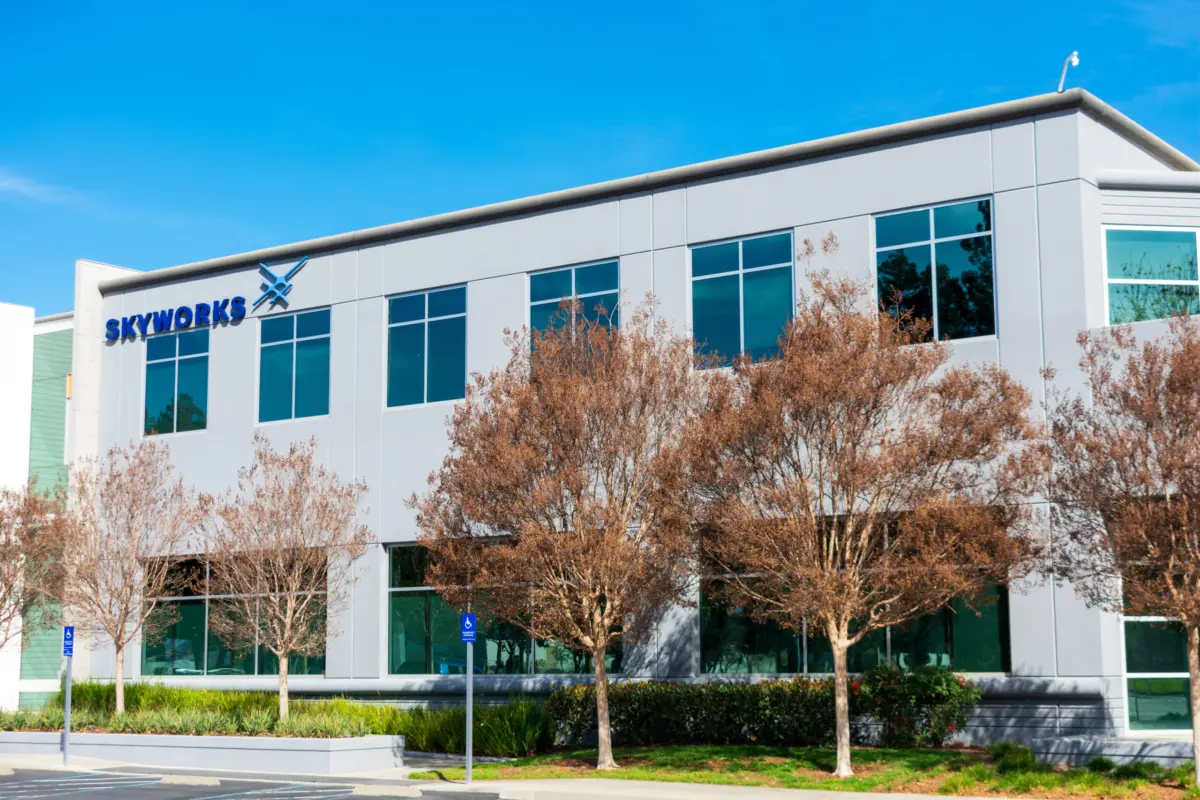
Activist investment firm Starboard Value has reportedly identified significant upside potential in Skyworks Solutions (SWKS), a leading American semiconductor company, viewing the chipmaker as undervalued by the market. Sources familiar with the matter, as reported by Bloomberg, indicate that Starboard’s assessment stems from the belief that Skyworks possesses a robust portfolio and significant synergy opportunities following its strategic initiatives and acquisitions. While the original reporting alluded to an acquisition of Qorvo (QRVO), Skyworks has not acquired Qorvo. Instead, industry analysts suggest Starboard’s thesis likely centers on Skyworks’ intrinsic value, its successful integration of past strategic acquisitions – notably the infrastructure and automotive business from Silicon Labs in 2021 – and its competitive positioning against peers like Qorvo within the dynamic semiconductor landscape. Starboard reportedly sees substantial value in the complementary nature of Skyworks’ product offerings and the potential for enhanced cost efficiencies through disciplined operational management.
Starboard Value’s Strategic Rationale and Activist Playbook
Starboard Value, known for its rigorous analytical approach and history of successful activist campaigns across various sectors, typically targets companies it believes are fundamentally sound but undervalued due to operational inefficiencies, suboptimal capital allocation, or a lack of clear strategic communication to the market. Their reported interest in Skyworks Solutions aligns with this playbook. The firm often seeks to unlock shareholder value by pushing for changes ranging from strategic divestitures and operational improvements to board representation and enhanced capital return programs.
In the context of Skyworks, Starboard’s potential thesis likely revolves around several key pillars. First, the firm may perceive that the market is not fully appreciating the long-term growth vectors for Skyworks beyond its traditional mobile segment. Skyworks has been actively diversifying its revenue streams into high-growth areas such as the Internet of Things (IoT), automotive, and infrastructure markets. The acquisition of Silicon Labs’ infrastructure and automotive business for $2.75 billion, which closed in July 2021, significantly bolstered Skyworks’ capabilities in these areas, adding critical technologies like isolated gate drivers, timing solutions, and power products. This strategic move was intended to create a more diversified and resilient business model, reducing reliance on the cyclical smartphone market. Starboard may believe the market has yet to fully price in the benefits of this diversification and the synergies derived from integrating these complementary product portfolios.
Secondly, the activist investor might be scrutinizing Skyworks’ operational efficiency and cost structure. Activist firms frequently identify opportunities for margin expansion through supply chain optimization, manufacturing process improvements, and general administrative cost reductions. The "merger-related cost" aspect highlighted in the initial report, while not tied to a Qorvo acquisition, strongly suggests Starboard’s focus on realizing the full financial benefits from Skyworks’ actual strategic integrations, such as the Silicon Labs deal. This could involve streamlining overlapping functions, optimizing R&D investments, and leveraging scale to negotiate better terms with suppliers.
Finally, Starboard could be advocating for a more transparent and compelling narrative from Skyworks management regarding its long-term strategy and value creation plan. Improved investor communication can often bridge the gap between a company’s intrinsic value and its market valuation, especially for complex technology companies operating in rapidly evolving markets.
Skyworks Solutions: A Deep Dive into a Semiconductor Leader
Skyworks Solutions, headquartered in Irvine, California, has established itself as a global leader in high-performance analog semiconductors. The company designs, develops, manufactures, and markets innovative solutions, including front-end modules, power amplifiers, filters, and switches, primarily for mobile communications and an expanding array of other applications.
Historical Context and Strategic Evolution:
Skyworks’ journey began in 2002 through the merger of Alpha Industries and Conexant’s wireless business. Over two decades, it has grown to become a critical supplier to major smartphone manufacturers, including Apple, for their RF front-end modules, which are essential components for wireless connectivity. This strong position in the mobile market, while a significant revenue driver, also exposed the company to the inherent cyclicality and concentration risks associated with the smartphone industry.
Recognizing the need for diversification, Skyworks embarked on a strategic initiative to expand its footprint beyond mobile. This strategy culminated in the landmark acquisition of Silicon Labs’ infrastructure and automotive business in 2021. This move was transformative, bringing over 1,700 products and a global team of employees focused on industrial, automotive, and communications infrastructure markets. The acquired portfolio included power and isolation technologies, timing products, and broadcast solutions, significantly broadening Skyworks’ addressable market and intellectual property. This acquisition was a clear signal of Skyworks’ commitment to becoming a more diversified analog semiconductor powerhouse, leveraging its core strengths in signal processing and connectivity for a wider range of applications.
Market Position and Financial Performance:
Skyworks operates in a highly competitive and dynamic semiconductor market. Its core expertise lies in radio frequency (RF) technology, enabling wireless connectivity in everything from smartphones and tablets to smart home devices, connected cars, and industrial IoT applications. The company has historically demonstrated strong profitability, benefiting from its proprietary technology and close relationships with tier-one customers.
While specific quarterly figures fluctuate, Skyworks has generally reported solid revenues, often impacted by the seasonality of smartphone launches and broader macroeconomic trends affecting consumer electronics demand. For instance, in recent fiscal years, the company has navigated challenges like global supply chain disruptions and a deceleration in smartphone demand, particularly in certain geographic markets. Despite these headwinds, Skyworks has emphasized its resilience through diversification. The infrastructure and automotive segments, though smaller contributors to overall revenue currently, represent higher-growth, higher-margin opportunities that are less susceptible to the sharp cycles of the mobile market. These segments are critical for long-term stability and growth, driven by megatrends such as 5G deployment, electric vehicles, advanced driver-assistance systems (ADAS), and industrial automation.
Technological Edge and Product Portfolio:
Skyworks’ technological edge is rooted in its deep expertise in RF and mixed-signal semiconductor design. Its products are crucial for enabling 5G connectivity, Wi-Fi 6E/7, and other advanced wireless standards. The company’s comprehensive portfolio includes:
- Mobile Solutions: RF front-end modules, power amplifiers, filters, and switches for smartphones and tablets.
- Broad Market Solutions: Connectivity modules for IoT devices (smart home, wearables), automotive applications (infotainment, telematics, ADAS), and infrastructure (5G base stations, data centers).
- Analog and Mixed-Signal Products: From the Silicon Labs acquisition, including timing solutions, isolation products, and power management ICs, which are foundational components for industrial and automotive electronics.
This diversified product offering positions Skyworks to capitalize on the increasing demand for seamless connectivity and intelligent systems across various end markets.
The Broader Semiconductor Landscape and Valuation Challenges
The semiconductor industry is at the heart of global technological advancement, fueled by megatrends like artificial intelligence, 5G, IoT, cloud computing, and automotive electrification. However, it is also an industry characterized by intense competition, high R&D costs, and cyclical demand patterns.
Industry Dynamics:
- 5G Rollout: Continued global deployment of 5G networks drives demand for advanced RF components.
- IoT Proliferation: Billions of connected devices require robust and efficient connectivity solutions.
- Automotive Electrification and Autonomy: Increasing electronic content in vehicles, from power management to radar sensors and communication modules, presents significant growth opportunities.
- Supply Chain Volatility: Geopolitical tensions and unforeseen events (like the COVID-19 pandemic) have highlighted the fragility of global semiconductor supply chains, impacting production and pricing.
- Geopolitical Factors: Trade tensions and nationalistic industrial policies can influence market access and investment decisions.
Valuation Perspectives:
Valuing semiconductor companies can be complex. Investors typically consider metrics such as price-to-earnings (P/E) ratios, enterprise value to EBITDA (EV/EBITDA), revenue growth rates, gross margins, and return on invested capital (ROIC). A company might be deemed "undervalued" if its current market capitalization does not adequately reflect its future earnings potential, its intellectual property, its market leadership in niche segments, or the synergistic benefits of strategic acquisitions.
In Skyworks’ case, the market may still be primarily valuing it as a mobile-centric company, despite its concerted efforts to diversify. This could lead to a discount compared to peers with more established diversified revenue streams or those perceived to have stronger growth profiles in non-mobile segments. Activist investors like Starboard often seek to highlight this discrepancy and push for strategies that compel the market to re-rate the company’s valuation. Competitors like Qorvo, while often compared to Skyworks in the RF front-end market, also have their own strategic diversification paths, providing a benchmark against which Skyworks’ efforts can be measured.
Potential Implications of Starboard’s Involvement
The emergence of an activist investor like Starboard Value on Skyworks’ shareholder roster typically triggers several potential implications for the company, its stock, and the broader market.
For Skyworks Solutions:
- Increased Scrutiny: Skyworks’ management and board will likely face increased scrutiny regarding their operational performance, strategic direction, and capital allocation decisions.
- Strategic Review: Starboard’s involvement could prompt a comprehensive review of the company’s business segments, R&D investments, and market strategies. This might lead to accelerated cost-cutting initiatives, a sharper focus on high-margin businesses, or even the divestiture of non-core assets, although these are speculative at this stage.
- Capital Allocation: Starboard frequently advocates for enhanced shareholder returns. This could translate into pressure for increased share buybacks, a higher dividend payout, or a more disciplined approach to M&A.
- Board Representation: A common tactic for activist investors is to seek board representation to directly influence corporate governance and strategic decision-making. This could lead to changes in Skyworks’ board composition.
- Management Response: Skyworks’ management would likely reiterate its commitment to long-term shareholder value creation, emphasizing its ongoing diversification strategy and operational excellence initiatives. They may also highlight the challenges and complexities of the semiconductor market that necessitate a patient, long-term approach.
For SWKS Stock:
- Initial Price Movement: News of activist involvement often leads to an immediate boost in the stock price, as investors anticipate that Starboard’s efforts will unlock value.
- Increased Volatility: The stock could experience increased volatility as the market reacts to developments in the activist campaign, including any public statements, proposed changes, or proxy battles.
- Long-Term Re-rating: If Starboard’s initiatives are successful in driving operational improvements or a clearer strategic narrative, it could lead to a sustained re-rating of Skyworks’ valuation by the market.
Broader Industry Impact:
Starboard’s interest in Skyworks could signal a broader trend of activist investors targeting semiconductor companies that they perceive as undervalued. This could prompt other chipmakers to proactively review their strategies, capital allocation, and investor communications to avoid becoming targets themselves. It also underscores the evolving investment landscape where even established technology leaders are not immune to external pressure for performance improvement and value creation.
Conclusion
Starboard Value’s reported view of Skyworks Solutions as significantly undervalued underscores the complex interplay between technological leadership, market dynamics, and investor perception in the semiconductor industry. While the initial report’s reference to a Qorvo acquisition was a factual inaccuracy, the underlying premise of an activist investor seeing potential in Skyworks’ complementary product portfolios and merger-related cost efficiencies remains highly relevant when considering Skyworks’ actual strategic moves, particularly the integration of Silicon Labs’ infrastructure and automotive business. The coming months will likely reveal more about Starboard’s specific intentions and how Skyworks’ management and board choose to respond. Regardless of the immediate outcome, this development highlights the persistent pressure on public companies to continuously demonstrate and communicate their long-term value creation strategies to the market, especially in rapidly evolving and capital-intensive sectors like semiconductors.
