

The global landscape for corporate sustainability is undergoing a fundamental transformation, shifting from a period of voluntary disclosure to an era of rigorous, data-driven regulatory enforcement. In response to this evolving environment, Sphera, a leading provider of Environmental, Social, and Governance (ESG) performance and risk management software, has announced the launch of a comprehensive suite of AI-powered sustainability solutions and enhanced product compliance capabilities. These new tools are specifically designed to assist enterprises in navigating the increasingly complex web of environmental impact assessments and international regulatory frameworks.
As the global economy moves toward a circular model, the ability of a company to demonstrate that its products are compliant, sustainable, and transparent is no longer a secondary consideration; it has become a primary determinant of market access. The new offerings from Sphera arrive at a critical juncture, as major economies—most notably the European Union—implement stringent requirements such as the Digital Product Passport (DPP) and the Packaging and Packaging Waste Regulation (PPWR). By integrating artificial intelligence into the product stewardship workflow, Sphera aims to automate the traditionally labor-intensive processes of data mapping and impact analysis, allowing companies to maintain competitiveness in a high-scrutiny environment.
The Regulatory Impetus: From Ecodesign to Digital Passports
The catalyst for Sphera’s latest technological expansion is a series of landmark legislative actions, primarily originating in Europe but carrying global implications for any firm operating within international supply chains. Central to this is the EU’s Ecodesign for Sustainable Products Regulation (ESPR), which seeks to improve the circularity, energy performance, and overall environmental footprint of products placed on the EU market.
A cornerstone of this regulatory shift is the Digital Product Passport. The DPP is intended to provide a comprehensive digital record of a product’s lifecycle, including its material composition, repairability, and end-of-life disposal instructions. For manufacturers, this necessitates a level of data granularity that many currently lack. Sphera’s new solutions address this gap by providing a centralized platform where product compliance and sustainability data can be synthesized into a single, verifiable record.
Furthermore, the new Packaging and Packaging Waste Regulation (PPWR) has introduced strict mandates regarding the recyclability of packaging and the inclusion of recycled content. Under these rules, companies must generate signed declarations of conformity, a task that becomes exponentially more difficult as product portfolios grow. Sphera’s updated capabilities specifically target these requirements, automating the collection of supplier declarations and the generation of necessary legal documentation across multiple jurisdictions.
Analyzing the Market: Data-Driven Challenges for Stewardship Leaders
To better understand the pressures facing modern industry, Sphera conducted an extensive survey of 300 product stewardship leaders across the United States, the United Kingdom, and Germany. The findings underscore a significant shift in corporate priorities. According to the data, 42% of respondents cited market access and the evolving requirements of customers as the primary factors driving their investment decisions. This was closely followed by 39% who identified compliance and risk reduction as their main motivators.
The survey also highlighted the significant hurdles companies face when attempting to scale their sustainability efforts. The top challenges identified by these leaders include:
- Regulatory and Market Requirements (41%): The sheer volume and pace of new regulations make it difficult for compliance teams to remain current.
- Data Quality (40%): Inconsistent data from suppliers and a lack of standardized metrics hinder accurate reporting.
- Systems and Scalability (39%): Many firms still rely on manual spreadsheets or legacy systems that cannot handle the massive data influx required for modern life cycle assessments.
These insights suggest that the industry is reaching a tipping point where manual processes are no longer viable. The integration of AI, as proposed by Sphera, is seen as a necessary evolution to bridge the gap between regulatory demands and operational reality.
Technical Innovation: AI-Powered Life Cycle Assessments
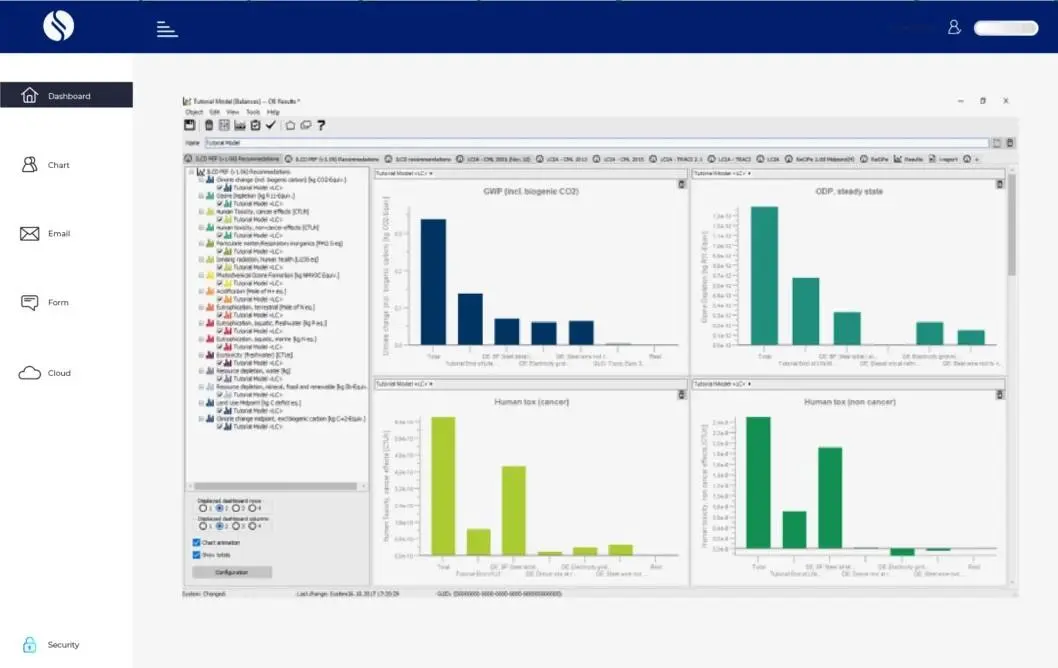
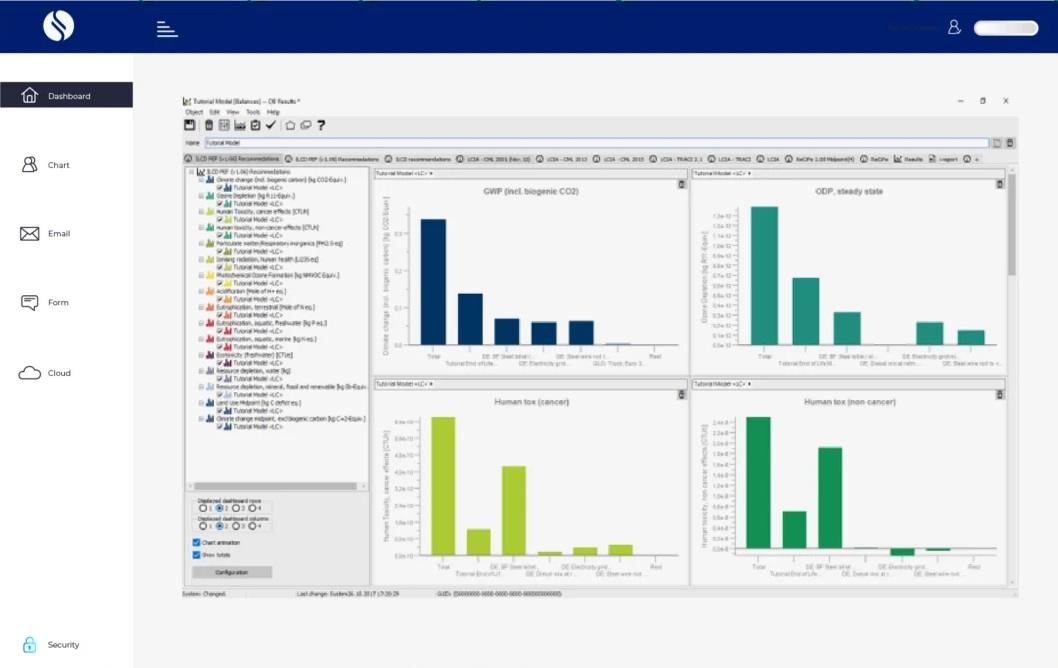
At the heart of Sphera’s new offering is the application of "Sphera AI," a proprietary technology designed to streamline the mapping of complex product information to vast environmental datasets. Traditionally, conducting a Life Cycle Assessment (LCA) for a single product could take months of expert labor. Sphera’s AI-powered tools aim to reduce this timeframe significantly by automating the identification of lower-impact materials and matching bill-of-materials (BOM) data with relevant environmental impact factors.
Key features of the sustainability solutions include:
- Automated Carbon Footprinting: Allowing companies to calculate the carbon intensity of their entire product portfolios rather than assessing products in isolation.
- Scalable LCAs: Providing the tools to generate full-scale Life Cycle Assessments that meet international standards (such as ISO 14040/44) at a fraction of the traditional cost and time.
- Environmental Product Declarations (EPDs): Facilitating the creation of standardized, third-party verified documents that communicate a product’s environmental performance to B2B customers and regulators.
By automating these processes, Sphera enables firms to conduct "what-if" analyses during the design phase. Engineers can swap materials in a digital twin environment to see how a change from virgin plastic to recycled polymers would affect the product’s total carbon footprint, thereby embedding sustainability into the very beginning of the product development lifecycle.

Operational Compliance and Global Safety Standards
While sustainability is the current focus of many corporate boards, the foundational requirement of product stewardship remains safety and legal compliance. Sphera’s launch includes significant upgrades to its compliance capabilities, ensuring that companies can manage Safety Data Sheets (SDS) and labeling requirements across diverse global jurisdictions.
Navigating the differences between the Global Harmonized System (GHS) implementations in the US, EU, and Asia is a perennial challenge for chemical and manufacturing firms. Sphera’s platform helps companies maintain these labels in real-time, ensuring that any change in a product’s chemical composition or a change in local law is automatically reflected in the documentation. Additionally, the platform’s ability to collect and verify supplier declarations ensures that the "upstream" portion of the supply chain remains transparent, reducing the risk of hidden liabilities or non-compliant materials entering the production line.
Leadership Perspectives: The New Standard for Market Access
Paul Marushka, CEO and President of Sphera, emphasized that the current transition represents a permanent change in how business is conducted. "It is no longer enough for a product to be compliant," Marushka stated. "Customers, original equipment manufacturers (OEMs), and regulators now expect products to also be sustainable and transparent, and increasingly that decides whether it can reach the market. Companies that invest in building a trusted product data foundation will stay competitive as requirements change."
Marushka’s comments reflect a broader industry sentiment that sustainability is moving out of the realm of marketing and public relations and into the core functions of legal, procurement, and operations. The "trusted product data foundation" he refers to is becoming a prerequisite for securing contracts with major global OEMs, who are themselves under pressure to report on their Scope 3 (supply chain) emissions.
Broader Implications: The Future of the "Green Premium" and Circularity
The launch of these solutions by Sphera is likely to have ripple effects across several sectors, including chemicals, automotive, consumer electronics, and packaging. As more companies gain the ability to accurately quantify the environmental impact of their products, the market may see a more defined "green premium," where products with verified lower footprints command higher prices or preferential placement in the market.
Furthermore, these tools are essential for the realization of a true circular economy. Without the data provided by LCAs and Digital Product Passports, it is nearly impossible for recyclers to know exactly what materials are contained within a complex product, such as a smartphone or a car battery. By providing this transparency, Sphera is helping to build the infrastructure necessary for high-value recycling and material recovery.
However, the transition is not without its risks. The reliance on AI for environmental mapping requires robust oversight to ensure that the underlying datasets are accurate and that the AI does not produce "hallucinations" or errors in impact calculations. As regulators begin to audit these digital records, the accuracy of the software providers will be under as much scrutiny as the manufacturers themselves.
Conclusion: A Shift Toward Automated Transparency
Sphera’s introduction of AI-powered sustainability and compliance tools marks a significant milestone in the professionalization of ESG management. By addressing the dual pressures of market access and regulatory compliance, the company is positioning itself as a critical partner for enterprises navigating the complexities of the 21st-century regulatory landscape.
As the EU’s Digital Product Passport and PPWR move from proposal to reality, the demand for integrated, scalable, and automated data solutions will only continue to grow. For global corporations, the message is clear: the era of manual, ad-hoc sustainability reporting is over. The future belongs to those who can leverage technology to provide a transparent, verifiable, and comprehensive account of their products’ impact on the world. Through this launch, Sphera provides a glimpse into a future where every product carries with it a digital history, ensuring that sustainability is not just a goal, but a documented reality.
