

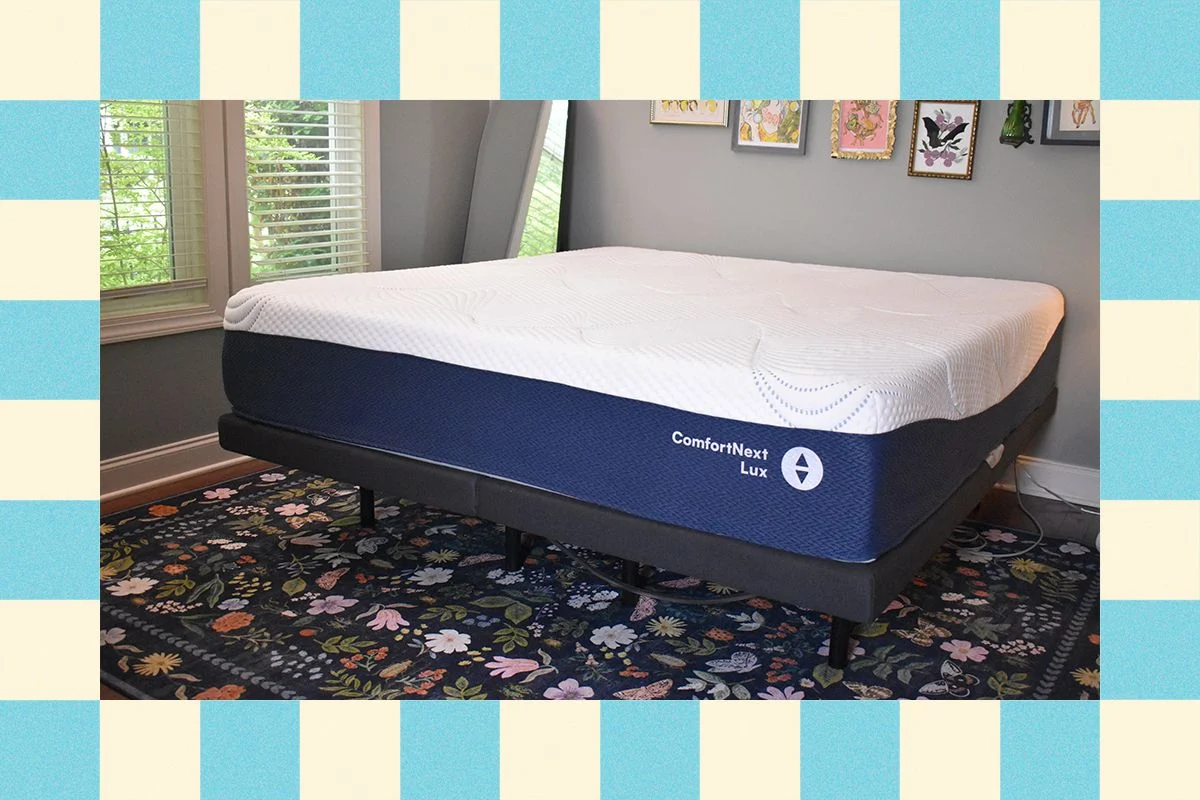
The landscape of the global sleep technology market has undergone a radical transformation over the last decade, transitioning from traditional inner-spring mattresses to highly sophisticated, data-driven "smart beds." At the forefront of this evolution is Sleep Number, a company that has long built its brand on the concept of adjustable air-chamber technology. Their latest offering, the ComfortNext Lux, represents a strategic attempt to merge high-end plush comfort with the company’s proprietary SleepIQ biometric tracking system. As consumer interest in "sleep hygiene" and personal health data continues to surge, the ComfortNext Lux serves as a case study in how hardware and software must synchronize to provide a cohesive rest experience.
The Engineering of the ComfortNext Lux
Central to the Sleep Number experience is the "Sleep Number" setting itself, a scale ranging from 1 to 100 that dictates the firmness of the mattress. Unlike traditional mattresses that rely on static materials like coils or high-density foam, the ComfortNext Lux utilizes internal air chambers that can be inflated or deflated to reach the user’s preferred level of support. This customization is designed to accommodate a wide variety of body types and sleeping positions, theoretically providing a "one-size-fits-all" solution through digital adaptability.
However, the "Lux" designation in this model refers to the significant integration of plush foam layers. While the air chambers provide the underlying structure, the ComfortNext Lux is defined by its substantial cushioning. Engineering reports and user testing indicate that these foam layers significantly influence the perceived firmness of the bed. Even when the internal air chambers are inflated to their maximum capacity—a Sleep Number of 100—the mattress maintains a "medium-firm" feel. This is a departure from more rigid designs, such as the Plank Firm Luxe, which utilize high-density foams and coil systems to achieve a "true firm" sensation. For the ComfortNext Lux, the emphasis is clearly on pressure relief and "cocooning" rather than skeletal rigidity.
The Role of SleepIQ and Biometric Data Integration
The ComfortNext Lux is not merely a sleeping surface; it is an integrated biometric sensor array. The bed utilizes the SleepIQ system, which tracks several key health metrics without the need for the user to wear a device. These metrics include:
- Heart Rate Variability (HRV): A measure of the variation in time between each heartbeat, often used as an indicator of recovery and stress levels.
- Breathing Rate: Monitoring the number of breaths per minute to detect potential disturbances.
- Sleep Stages: Categorizing time spent in light, deep, and REM (Rapid Eye Movement) sleep.
- Motion Tracking: Sensing physical movement, including that of partners or pets, to assess sleep continuity.
The data is compiled into a "SleepIQ score," a numerical representation of the night’s sleep quality. In comparative testing against established wearables like the Apple Watch SE, discrepancies often emerge. While the Apple Watch utilizes optical sensors on the wrist, the SleepIQ system uses pneumatic sensors within the mattress to detect micro-vibrations from the sleeper’s body. Interestingly, the mattress-based sensors are highly sensitive to external factors, such as dogs or children moving on the bed, which can occasionally skew results toward a lower score.
Despite these variables, long-term testing has shown that the SleepIQ app can provide actionable insights. For instance, the app’s algorithm may suggest that a user who typically prefers a firm setting (around 50-70) might actually achieve higher quality sleep—and thus a higher SleepIQ score—by lowering the firmness to a softer setting, such as 35. This data-driven approach to comfort suggests that what a user perceives as comfortable may not always align with what their body requires for optimal recovery.
Chronology of the Testing and Adjustment Period
The adoption of a smart bed typically follows a specific chronological progression as both the user and the technology calibrate to one another.
Phase 1: Initial Calibration (Days 1–3)
During the first few nights, users typically experiment with their "historical" Sleep Number—the setting they believe they prefer. For many, this is a mid-range firm setting. During this phase, the SleepIQ system begins to establish a baseline for the user’s heart rate and breathing patterns.
Phase 2: Algorithmic Intervention (Days 4–10)
As the SleepIQ system gathers data, the mobile application begins to offer recommendations. In recent evaluations, users reported receiving prompts to lower their firmness levels to improve sleep scores. This phase often involves a significant shift in the user’s sleep environment, moving from a firm lumbar-support focus to a softer, pressure-relief focus.

Phase 3: Stabilization and Comparative Analysis (Days 11–21)
By the end of the second week, the "break-in" period for the foam layers is largely complete. Users can then compare their SleepIQ data with external health trackers. It is during this period that the specific benefits for side sleepers become most apparent, as the foam layers and adjusted air pressure work in tandem to cradle the shoulders and hips.
Ergonomics and Suitability: A Specialized Market
While the ComfortNext Lux is marketed as a versatile solution, a technical analysis of its support structure reveals specific limitations. The mattress is exceptionally well-suited for side sleepers. The "sink-in" quality provided by the Lux foam layers allows for significant pressure point relief, which is essential for preventing joint pain in the side-sleeping position. Furthermore, the foam’s ability to dampen motion transfer makes it an excellent choice for couples, particularly when one partner is a restless sleeper.
However, the mattress may fall short for individuals with specific orthopedic requirements. Those suffering from chronic back pain or conditions such as scoliosis often require a level of midsection lift that air-chamber beds struggle to provide when set to softer levels. Stomach sleepers and individuals with heavier body types may find that the ComfortNext Lux lacks the necessary lumbar support, leading to spinal misalignment over time.
Furthermore, unlike some competitors that offer adjustable bases with integrated lumbar support bars, Sleep Number’s current base offerings do not feature mechanical lumbar projection. This lack of "active" support means the bed relies entirely on air pressure and foam density to maintain spinal integrity, which may not be sufficient for those with severe back issues.
The Competitive Landscape and Industry Impact
The release of the ComfortNext Lux occurs at a time of intense competition in the sleep tech sector. Companies like Eight Sleep have gained market share by focusing on thermal regulation (active cooling and heating), while legacy brands like Tempur-Pedic have integrated smart bases that can detect snoring and automatically adjust the sleeper’s head elevation.
Sleep Number’s strategy focuses on the "holistic" sleep score. By positioning the mattress as a health diagnostic tool, the company is tapping into the broader "Quantified Self" movement. The implications of this are significant: as these beds become more prevalent, the data they collect could eventually be shared with healthcare providers to help diagnose sleep apnea, restless leg syndrome, or even early signs of cardiovascular distress.
From a market perspective, the ComfortNext Lux is positioned as a premium product. However, the reliance on foam layers in a smart bed context introduces a paradox. While foam provides immediate comfort, it can also trap heat—a common complaint in the mattress industry. Sleep Number has attempted to mitigate this with breathable fabrics, but the "cocooning" effect inherent in the Lux model may still be a deterrent for "hot sleepers."
Summary of Findings and Future Outlook
The Sleep Number ComfortNext Lux represents a sophisticated marriage of traditional comfort and modern data science. Its strengths lie in its high degree of adjustability and its industry-leading biometric tracking, which provides users with a comprehensive overview of their nocturnal health.
Key takeaways from the analysis include:
- Target Audience: Primarily side sleepers and tech-oriented consumers who value data-driven health insights.
- Firmness Paradox: The "Lux" foam layers ensure the bed feels softer than traditional firm mattresses, even at maximum settings.
- Data Accuracy: While highly effective, the sensors can be influenced by external factors like pets, requiring users to interpret their SleepIQ scores with a degree of context.
- Support Limitations: Individuals requiring rigid lumbar support for medical reasons may find the platform insufficient compared to specialized orthopedic mattresses.
As the industry moves forward, the success of products like the ComfortNext Lux will likely depend on the refinement of AI-driven recommendations. The ability of a bed to not only track sleep but to proactively adjust its own environment—temperature, firmness, and elevation—in real-time based on live biometric feedback is the next frontier. For now, the ComfortNext Lux stands as a robust entry in the high-end smart bed market, offering a plush, data-rich experience for those willing to trade traditional rigidity for modern customization.
