

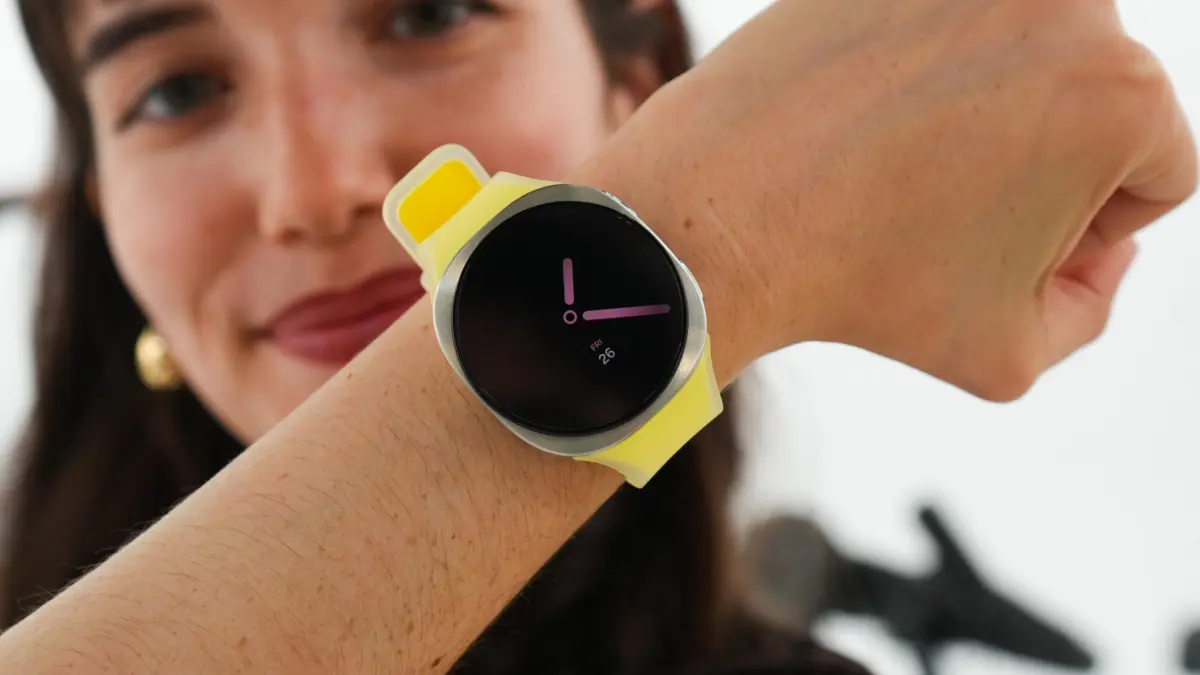
Samsung Electronics has officially announced a significant upgrade to its health-tracking suite, introducing an advanced AI-powered sleep apnea detection feature for its Galaxy Watch lineup and the newly released Galaxy Ring. This development represents a pivotal shift in the consumer electronics landscape, as wearables transition from basic fitness trackers into sophisticated medical screening tools capable of identifying chronic, often undiagnosed health conditions. The new feature, which utilizes a refined artificial intelligence algorithm, is designed to provide users with a more nuanced and detailed analysis of their sleep patterns, specifically targeting signs of Obstructive Sleep Apnea (OSA). By categorizing results into specific stages—mild, occasional, and frequent—Samsung aims to empower users with actionable data that can serve as a precursor to formal clinical diagnosis and professional medical intervention.
The Evolution of Samsung’s Sleep Monitoring Ecosystem
For several years, Samsung has prioritized sleep as a core pillar of its Samsung Health platform. The company’s "Sleep Coaching" programs and snore detection features laid the groundwork for a more medicalized approach to nocturnal monitoring. However, the introduction of the advanced AI algorithm marks a technological leap forward. Unlike previous iterations that provided a general overview of sleep quality, the new system leverages the Samsung BioActive Sensor to monitor blood oxygen levels (SpO2) with unprecedented precision.
The algorithm works by detecting significant drops in blood oxygen levels, which are characteristic of apnea events—periods where breathing repeatedly stops and starts during sleep. By analyzing the frequency and severity of these drops over a set period, the AI can estimate the user’s Apnea-Hypopnea Index (AHI). The decision to provide a three-tiered classification—mild, occasional, and frequent—is a strategic move to reduce user anxiety while maintaining clinical relevance. This specificity allows users to track how lifestyle changes, such as weight loss or sleeping position, might influence the frequency of their symptoms over time.
Addressing a Global Public Health Crisis
The integration of sleep apnea detection into mass-market wearables comes at a time when medical professionals are sounding the alarm over the prevalence of sleep disorders. According to the American Medical Association (AMA), approximately 30 million Americans suffer from sleep apnea, yet a staggering 80% of these cases remain undiagnosed. Globally, the numbers are even more concerning, with research published in The Lancet Respiratory Medicine estimating that nearly 1 billion people worldwide may be affected by the condition.
Obstructive Sleep Apnea is often described as a "silent killer" or a "gateway condition." If left untreated, the repeated oxygen deprivation and sleep fragmentation can lead to a cascade of severe health complications, including chronic hypertension, atrial fibrillation, type 2 diabetes, and an increased risk of stroke. Furthermore, the daytime fatigue associated with OSA is a leading cause of workplace accidents and motor vehicle collisions. By placing a detection tool on the wrists of millions of consumers, Samsung is effectively creating a front-line screening mechanism that could significantly reduce the burden on traditional healthcare systems by identifying high-risk individuals before they develop end-stage cardiovascular disease.
Technical Requirements and User Implementation
To ensure the accuracy of the data, Samsung has established specific protocols for users wishing to utilize the sleep apnea feature. Users are required to wear their Galaxy Watch or Galaxy Ring to sleep for at least two nights within a 10-day window. Each sleep session must exceed four hours to provide the AI with a sufficient data set for analysis. This requirement is intended to account for natural night-to-night variability in sleep quality and to ensure that the "mild" or "frequent" labels are based on a consistent trend rather than a single anomalous night.
The feature is currently slated for a phased global rollout. It will debut in South Korea in November 2024, following approval from the South Korean Ministry of Food and Drug Safety (MFDS). In the United States, the feature has already received De Novo clearance from the Food and Drug Administration (FDA), making it one of the first consumer-grade wearable features of its kind to be legally marketed as a screening tool for sleep apnea. The technology will be natively integrated into the Galaxy Watch Ultra, Galaxy Watch 9, and the Galaxy Ring, with Samsung confirming that the Galaxy Watch 7 and Watch 8 will receive the update via a future software patch.
Regulatory Milestones and the Path to FDA Clearance
The journey to bringing medical-grade diagnostics to a consumer smartwatch is fraught with regulatory hurdles. The FDA’s De Novo classification is a significant milestone for Samsung, as it indicates that the technology provides a "reasonable assurance of safety and effectiveness" for a device that has no prior legally marketed equivalent.

During the clinical validation process, Samsung’s algorithm was tested against traditional polysomnography (PSG)—the gold standard for sleep studies conducted in clinical settings. While Samsung is careful to note that the Galaxy Watch is not a diagnostic tool and cannot replace a physician’s assessment, the data indicates a high correlation between the watch’s AI findings and clinical PSG results. This regulatory success places Samsung in direct competition with other tech giants like Apple and Withings, who have also been racing to secure clinical validation for their respective health sensors.
Competitive Landscape and Market Implications
The wearable market is currently undergoing a "medicalization" phase. For years, the industry focused on "wellness" metrics—steps taken, calories burned, and heart rate zones. However, as the hardware has become more sophisticated, the focus has shifted toward chronic disease management.
Samsung’s primary competitor, Apple, recently introduced similar sleep apnea notification features on the Apple Watch Series 9, Series 10, and Ultra 2. Meanwhile, companies like Withings have integrated sleep apnea detection into their under-mattress sensors. Samsung’s advantage lies in its ecosystem integration. By combining data from the Galaxy Watch and the Galaxy Ring, the company can provide a more holistic view of a user’s health. For instance, the Ring might offer a more comfortable form factor for those who find watches intrusive during sleep, while the Watch provides the processing power and additional sensors needed for high-fidelity data collection.
Industry analysts suggest that this move will force other players in the market, such as Google-owned Fitbit and Garmin, to accelerate their own regulatory filings for similar features. The "proactive health" segment is expected to be a major driver of wearable sales over the next five years, as aging populations seek non-invasive ways to monitor their longevity and cardiovascular health.
Privacy, Data Security, and Ethical Considerations
With the collection of sensitive medical data comes the significant responsibility of data privacy. Samsung has addressed these concerns by housing the sleep apnea data within the Samsung Knox security platform. Knox provides defense-grade security, ensuring that health metrics are encrypted and only accessible to the user.
However, the rise of "passive detection"—where a device monitors for a condition without the user actively seeking a test—raises ethical questions. There is a potential for the "worried well" phenomenon, where healthy individuals become overly anxious about minor fluctuations in their data, leading to an influx of unnecessary doctor visits. To mitigate this, Samsung’s interface includes clear disclaimers stating that the feature is intended for adults 22 years and older who have not been previously diagnosed with sleep apnea. The reports generated by the app are designed to be shared with healthcare providers to facilitate a professional conversation rather than serving as a final verdict.
The Future of AI in Digital Health
The deployment of an AI algorithm specifically for sleep apnea is likely only the beginning for Samsung. The company has hinted at future updates that could utilize the BioActive Sensor for other forms of respiratory and cardiovascular screening. As machine learning models become more adept at identifying "digital biomarkers"—subtle patterns in physiological data that correlate with specific diseases—the Galaxy Watch could eventually screen for conditions like atrial fibrillation, early-stage hypertension, or even respiratory infections before symptoms manifest.
Samsung’s Vice President and Head of the Digital Health Team, Hon Pak, has frequently emphasized the company’s vision of "democratizing health." By moving complex medical screenings from the clinic to the wrist, Samsung is lowering the barrier to entry for preventative care.
In conclusion, the launch of the advanced AI sleep apnea detection feature is a landmark moment for Samsung and the broader wearables industry. By addressing a massive, undiagnosed health crisis through accessible consumer technology, Samsung is not only enhancing the value proposition of its Galaxy ecosystem but also contributing to a broader shift in public health. As the feature rolls out from Korea to the United States and beyond, it will serve as a critical test case for how AI-driven consumer devices can coexist with and complement traditional medical diagnostics. For the 30 million Americans struggling with interrupted sleep, the answer to better health may soon be found in the data collected while they dream.
