

Android 17 adoption has not been speedy, according to the most recent data from Android Studio as reported by Android Authority and originating from heise.de, which reveals that the latest iteration of Google’s mobile operating system has reached just 1% of active devices since its release in June 2026. While the tech industry frequently anticipates the rollout of new features and security enhancements, these distribution figures underscore a persistent and uphill battle for Google in its efforts to migrate its massive user base to the most current software versions. Although Android 16 has finally ascended to the position of the most widely used version of the OS, claiming 25.4% of active devices, the minuscule footprint of Android 17 four months after its debut highlights the logistical and structural hurdles inherent in the Android ecosystem.
The slow infiltration of Android 17 is particularly striking when contrasted with the rapid adoption rates typically seen in competing ecosystems, most notably Apple’s iOS. While it is true that Android 17 has had less time to circulate through the market than its predecessor, Android 16, the data indicates a broader trend of stagnation. More than just a slow start for a new release, the statistics show that a significant majority of Android users are operating on versions that are several years old, often lacking the latest security protocols and performance optimizations.
A Detailed Breakdown of Current Android Distribution
The October 2026 distribution snapshot provides a sobering look at the fragmentation that continues to define the Android landscape. While Android 16 leads the pack at 25.4%, the distribution of older versions remains surprisingly high. Android 14 currently stands as the second most widely used version, powering 15% of active devices. It is followed closely by Android 15, which trails at 14.7%. Together, these three versions—14, 15, and 16—account for approximately 55.1% of the market.
However, the remaining 45% of the ecosystem is spread across versions that are increasingly considered legacy software. Android 13 maintains a significant presence at 11.8%, while Android 11 still accounts for 10.1% of active users. Android 12 occupies another roughly 10% of the market. When these figures are aggregated, nearly 32% of the global Android user base is running Android 13 or older—software that, in many cases, is no longer receiving consistent security patches or feature updates from manufacturers.
This statistical reality means that while nearly 60% of devices are running Android 14 or newer, a staggering 40% of the active user base has yet to upgrade to a version released within the last three years. This gap represents hundreds of millions of devices that may be vulnerable to modern exploits or unable to leverage the latest advancements in mobile technology.
The Chronology of Fragmentation and the Update Lifecycle
The journey to the current state of Android 17 began with its mid-year release in June 2026, coinciding with a major Pixel feature drop. Historically, Google has utilized its own Pixel hardware as the vanguard for new software, but the broader rollout to third-party manufacturers like Samsung, Xiaomi, OnePlus, and Nothing involves a complex, multi-stage process.
- AOSP Release: Google releases the core source code to the Android Open Source Project (AOSP).
- Silicon Integration: Chipset manufacturers like Qualcomm and MediaTek must optimize drivers for the new OS.
- OEM Customization: Manufacturers (Original Equipment Manufacturers) take the core code and layer their proprietary skins—such as Samsung’s One UI or OnePlus’s OxygenOS—over the top.
- Carrier Testing: In many regions, mobile network carriers must test the update to ensure it does not interfere with network performance or proprietary services.
- Final Rollout: The update finally reaches the end-user.
This fragmented pipeline is the primary reason why Android updates typically lag behind those of iOS. Apple maintains vertical integration, controlling the hardware, the software, and the distribution channel. When a new version of iOS is released, it is available to all compatible devices simultaneously. In contrast, the Android update process is decentralized. While Google is responsible for the core system, the responsibility for pushing that system to the user is shared among dozens of entities, leading to the "middle entity" problem where updates are often delayed by months or even years.
The Implications of Slow Adoption for Cybersecurity
The data suggesting that 40% of users are on Android 13 or older is not merely a matter of missing out on new emojis or aesthetic changes; it is a significant cybersecurity concern. Each new version of Android introduces critical "under-the-hood" security enhancements designed to combat evolving threats.
Android 17, for instance, introduced robust protections against "network snoops" and "SMS blasters"—sophisticated tools used by bad actors to intercept communications or send fraudulent messages via fake cellular towers (often referred to as Stingrays). Users running older versions of the software remain susceptible to these types of hardware-level attacks because the older kernels do not support the advanced detection and logging features found in Android 17.

Furthermore, the "intrusion logging" setting in Android 17 allows for more effective troubleshooting and security auditing, providing a transparent record of suspicious system activity. For the millions of users still on Android 11 or 12, these proactive defense mechanisms are entirely inaccessible, leaving them to rely on third-party security apps that often lack the system-level permissions required to provide equivalent protection.
Why Users Should Consider the Move to Android 17
Despite the slow rollout, industry analysts and security experts emphasize that those with eligible devices should prioritize the upgrade to Android 17. Beyond the security benefits mentioned above, the latest version offers several functional improvements aimed at productivity and system longevity.
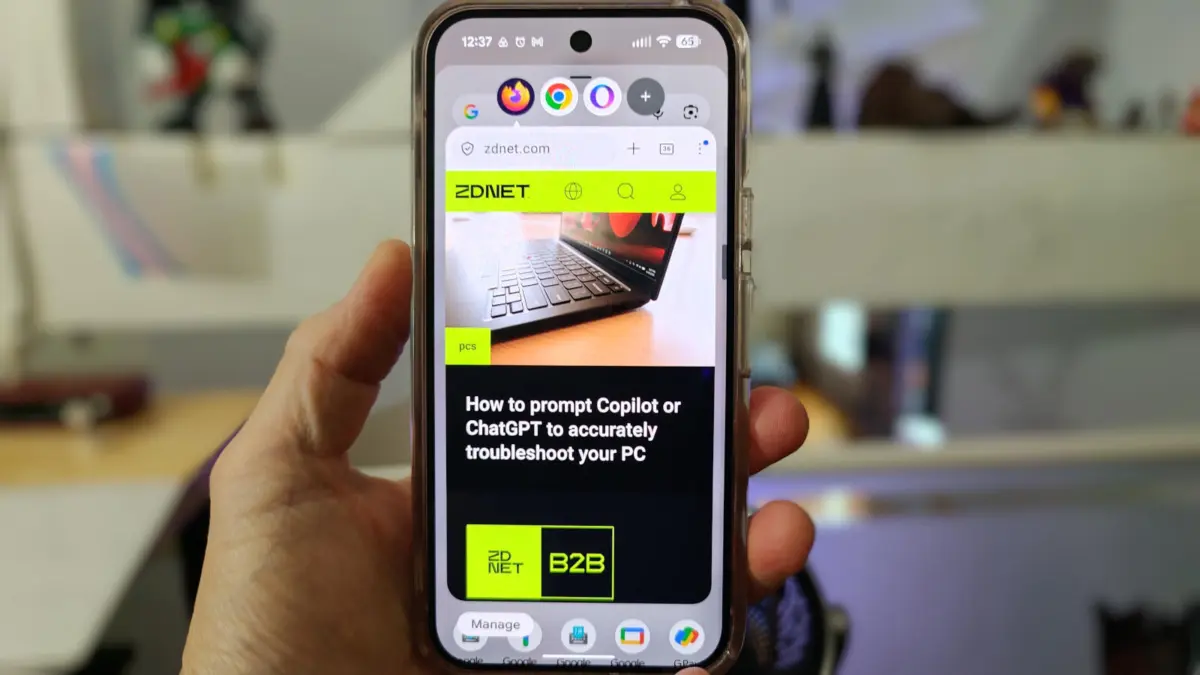
One of the headline features of the 2026 release is the enhanced "app bubbles" functionality, which allows for better multitasking by enabling more applications to be minimized into floating icons for quick access. This is an evolution of the feature first introduced in earlier versions, now refined to support a wider array of third-party apps and more fluid transitions.
Additionally, Android 17 includes significant optimizations for battery health and system speed. As mobile hardware ages, the efficiency of the software becomes paramount. Google’s latest update focuses on reducing background resource consumption, which can breathe new life into older hardware that is still eligible for the update. Keeping a device updated is the most proactive and cost-effective way to maintain "device health," ensuring that the hardware remains compatible with the latest versions of essential apps from the Google Play Store.
Industry Reactions and the Path Forward
The tech community’s reaction to these distribution numbers has been a mix of resignation and renewed calls for reform. Historically, Google has attempted to solve the fragmentation problem through initiatives like Project Treble and Project Mainline. Project Treble was designed to modularize the Android OS framework to make it easier for manufacturers to update the software without waiting for chipset-specific code. Project Mainline went a step further, allowing Google to update core system components directly through the Play Store.
While these initiatives have arguably prevented the fragmentation from getting worse, the 1% adoption rate for Android 17 suggests they have not yet solved the problem of rapid, universal adoption. Industry analysts suggest that until more manufacturers commit to longer support windows and faster turnaround times for their proprietary skins, the "uphill battle" for the latest Android version will remain a recurring theme.
Some manufacturers, such as Samsung and Google themselves, have recently pledged up to seven years of software updates for their flagship devices. This is a significant improvement over the two-to-three-year windows that were standard in the early 2020s. However, the impact of these longer support windows will take years to manifest in the distribution data, as older, less-supported devices must first cycle out of active use.
Conclusion: A Divided Ecosystem
As of late 2026, the Android ecosystem remains a study in contrasts. On one hand, it is a platform of incredible diversity, powering everything from budget-friendly handsets to high-end foldables. On the other, that diversity comes at the cost of cohesion. The 1% adoption rate of Android 17 is a reminder that for the vast majority of the world’s mobile users, the "latest and greatest" software remains out of reach.
For developers, this means continuing to support a wide range of API levels, which can slow down innovation. For users, it means a disparity in security and features that depends heavily on which brand of phone they choose to purchase. While Android 16’s status as the most used version shows that progress is eventually made, the slow start for Android 17 highlights that the road to a unified Android experience is still long and fraught with delays. Moving forward, the success of the Android platform may depend less on the features added to the next version and more on Google’s ability to ensure that those features actually reach the hands of its users in a timely manner.
