

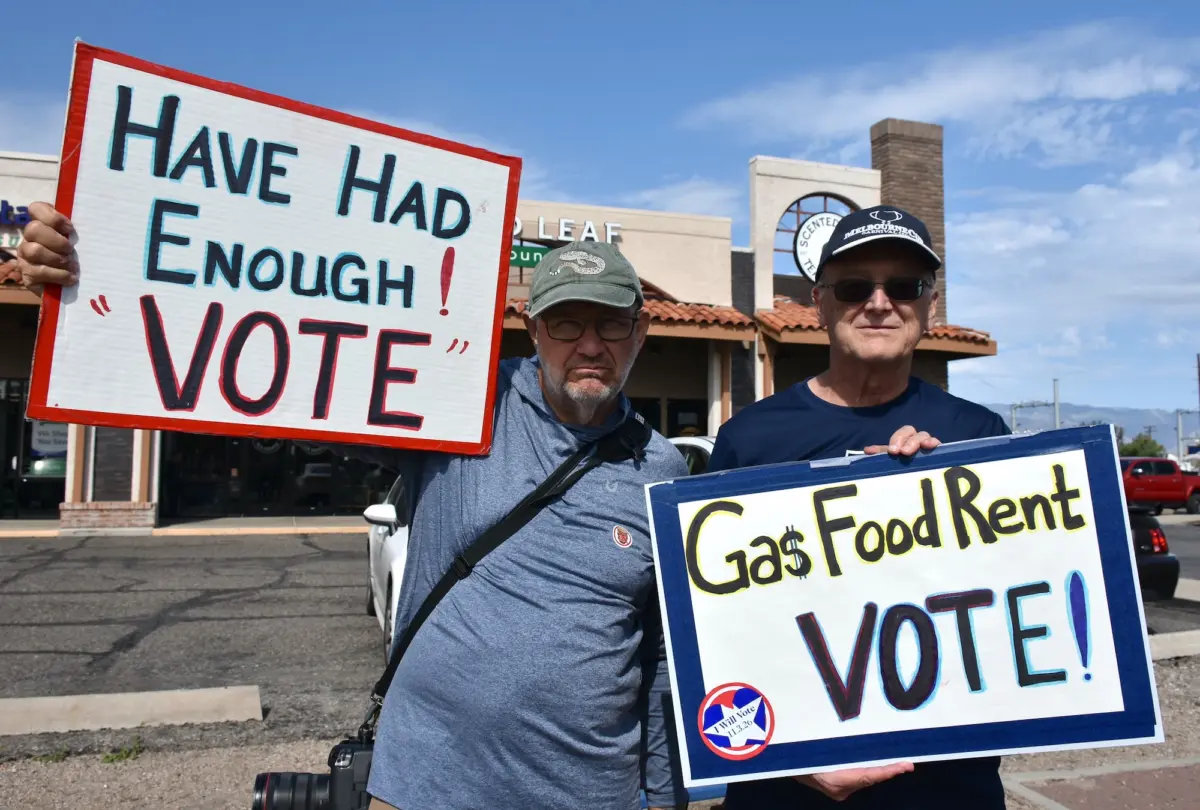
As millions of Americans head to the polls for the 2026 midterm elections, the political landscape is being defined by a complex interplay between national economic anxieties and a surge of hyper-local grievances. While traditional metrics like inflation, the cost of living, and the Federal Reserve’s interest rate policies continue to dominate the airwaves of major news networks, a more granular shift is occurring at the state and municipal levels. From the agricultural heartlands of Iowa to the emerging tech hubs of the Midwest, voters are increasingly motivated by specific, tangible issues that directly impact their health, their neighborhoods, and their fundamental rights.
The 2026 midterms serve as a critical barometer for the nation’s political health, occurring four years after the landmark overturning of Roe v. Wade and two years after a contentious presidential cycle. However, the data suggests that voters are no longer viewing their choices solely through the lens of partisan loyalty. Instead, a "politics of the local" has emerged, where the permitting of a data center or the nitrate levels in a community’s well water can outweigh the broader talking points of the national parties. This shift has forced candidates to navigate a minefield of local controversies that have the potential to swing close races in key battleground states.
Public Health and the Agricultural Crisis in Iowa
In Iowa, a state that has trended increasingly Republican over the last decade, a burgeoning public health crisis is scrambling traditional political alignments. For years, Iowa has faced an alarmingly high cancer rate—the second-highest in the United States and the only state where the rate is actively increasing. Research from the Iowa Cancer Registry and the Iowa Environmental Council has pointed toward a potential link between these rates and the state’s intensive agricultural practices, specifically the use of pesticides and the high concentration of nitrates in the water supply resulting from fertilizer runoff.
The issue has reached a boiling point in the 2026 race for governor and other state-level offices. Voters in rural communities, traditionally a stronghold for the GOP, are expressing growing frustration with what they perceive as a "trifecta" of Republican control that has failed to address environmental degradation. This sentiment has given rise to the "MAHA" (Make America Healthy Again) movement, a predominantly female, MAGA-affiliated organization that focuses on public health, food purity, and environmental toxins. While the MAHA organization generally supports Republican candidates, the grassroots base is showing signs of volatility.
Democratic challengers are seizing on this opening. Candidates like Rob Sand have introduced comprehensive plans to tackle the cancer crisis by improving water quality monitoring and increasing oversight of industrial farming operations. The political implication is clear: in a state where the GOP has held total control of the executive and legislative branches for years, the inability to provide clean water and lower cancer rates is becoming a liability. For voters like Tracy Jones, who recently told WBUR that the cancer rate is her primary concern, the failure to act transcends party lines. If enough rural voters prioritize health over heritage, Iowa could see its first significant Democratic gains in a generation.
The Industrial Conflict Over Data Centers
Parallel to the health concerns in the Midwest is a growing nationwide backlash against the rapid expansion of data centers. Driven by the global explosion of artificial intelligence and cloud computing, tech giants have spent billions constructing massive industrial facilities in suburban and rural areas. However, what was once viewed as a source of tax revenue is now being met with fierce resistance.
The concerns are multi-faceted. Residents in states like Kansas, Ohio, and Virginia have raised alarms over the massive energy and water requirements of these facilities, which can strain local grids and deplete aquifers. Furthermore, the aesthetic and noise impacts of these "industrial warehouses" have turned routine zoning meetings into high-stakes political battles. In 2026, this tension has moved from city halls to the ballot box.
In Kansas, citizen-led petitions have successfully placed data center limitations on the ballot in cities such as El Dorado, Emporia, and Ottawa. Similarly, in Ohio, residents in 18 different municipalities are voting on measures that would either restrict new construction or impose strict environmental standards on existing operators. Nationally, voters in 13 states are deciding on at least 50 local ballot measures related to data center infrastructure.
The Trump administration’s move to protect data centers from pollution-related lawsuits has added a layer of federal controversy to these local fights. Critics argue that the administration is prioritizing the tech industry over local environmental health, while proponents claim these protections are necessary for American AI dominance. Regardless of the federal stance, the local pushback suggests that "data center fatigue" is a potent motivator for suburban voters who feel their quality of life is being sacrificed for corporate interests.
Reproductive Rights and the Missouri Seesaw
Four years after the Dobbs decision, reproductive rights remain a central pillar of the American electoral process. While 13 states have implemented near-total bans on abortion, the 2026 midterms show that the legal battle is far from over. This year, four states—Idaho, Nevada, Virginia, and Missouri—have measures on the ballot that could redefine the legal landscape of reproductive healthcare.
The situation in Missouri is particularly noteworthy for its procedural complexity. Following a 2022 total ban, Missouri voters approved a 2024 ballot measure that affirmed a constitutional right to abortion. However, in 2026, anti-abortion advocates successfully placed a new measure on the ballot intended to undo the 2024 results. This "seesaw" effect highlights the ongoing struggle for legal finality on the issue.
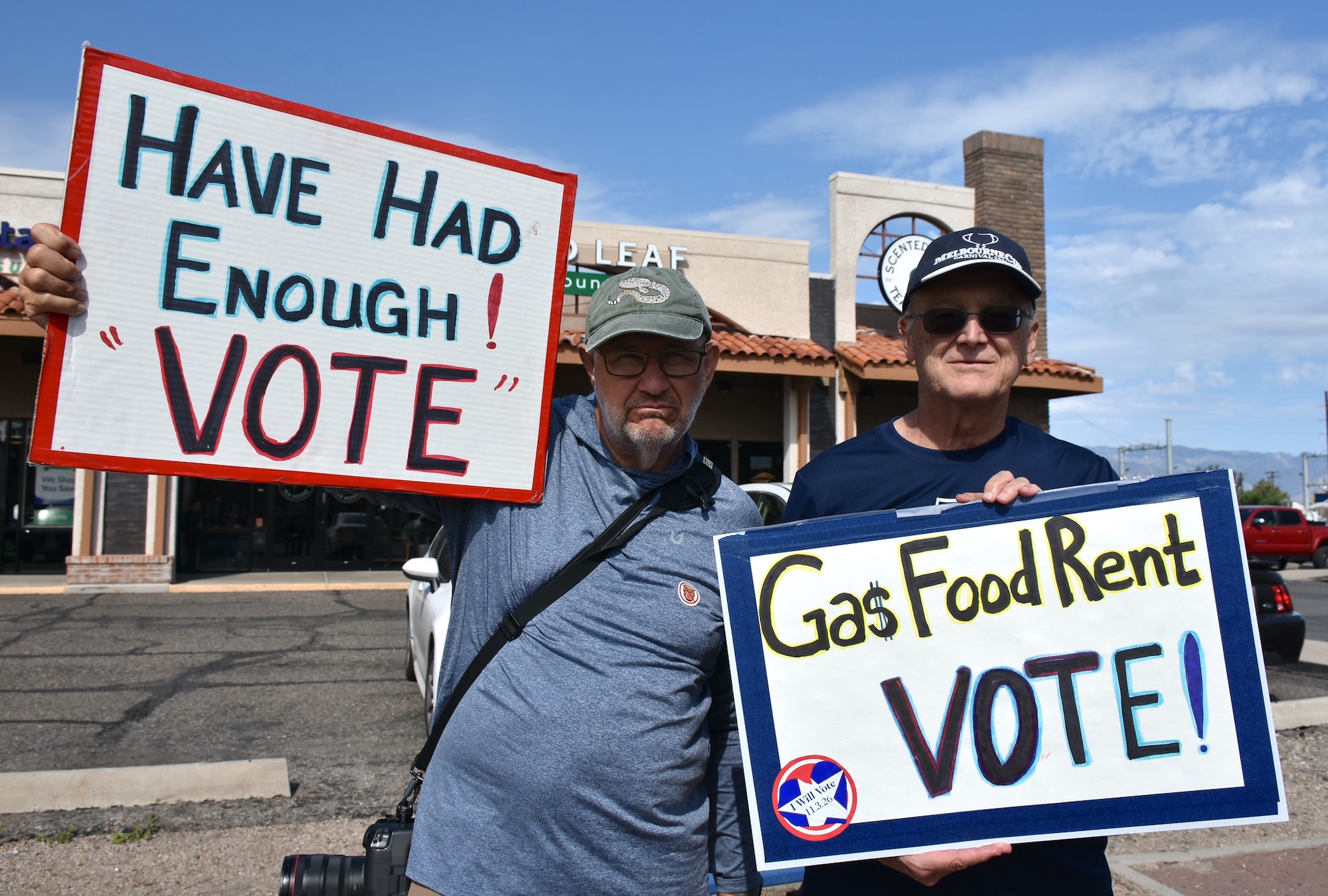
Data from Pew Research indicates that approximately 60 percent of U.S. adults believe abortion should be legal in all or most cases. This sentiment is even stronger among younger demographics. Recent polling from Hit Strategies found that 77 percent of Gen Z voters worry about the personal impact of reproductive care limits. In states like Idaho, where a new ballot measure to protect abortion rights directly conflicts with an existing ban, the results will likely trigger years of litigation. The high stakes have turned these ballot measures into significant turnout drivers, particularly for women and younger voters who might otherwise feel alienated from the political process.
The Battle for On-Campus Voting and Youth Mobilization
Voter access continues to be a contentious issue, with a specific focus in 2026 on the rights of college students. Historically, campus polling places have been targets for consolidation or removal, a practice critics describe as systematic voter suppression aimed at a demographic that leans Democratic.
In response, initiatives like Michelle Obama’s "When We All Vote" have mobilized thousands of students to demand convenient access to the ballot. The most visible manifestation of this movement occurred in North Carolina, where hundreds of students from North Carolina Agricultural and Technical State University (NC A&T), a historically Black university, marched off-campus to cast their ballots during the early voting period. Joined by students from the University of North Carolina at Greensboro and Bennett College, the march served as both a practical act of voting and a symbolic protest against the lack of on-campus polling sites.
The North Carolina march highlights the intersection of racial justice and voting rights. For students at NC A&T, the struggle for a polling place is a continuation of the university’s long history of civil rights activism. As student organizer Jimmy Holt noted, these movements are about emphasizing the power of a generation that will soon lead the country. The success or failure of these mobilization efforts in battleground states like North Carolina could determine the outcome of tight congressional races.
DEI and the Backlash Against "Culture War" Strategies
The 2026 midterms are also a testing ground for the political viability of the anti-DEI (Diversity, Equity, and Inclusion) movement. Republican leaders in several states have spent the last two years passing legislation aimed at dismantling DEI programs in universities and government agencies, often framing these programs as "reverse discrimination."
However, there are signs that this strategy may be hitting a ceiling of diminishing returns. In Texas, Democratic U.S. Senate candidate James Talarico has remained competitive against Republican Bill Paxton, despite a barrage of attack ads targeting Talarico’s support for LGBTQ+ rights and DEI initiatives. Political analysts suggest that while these issues resonate with a specific base, they may be failing to move the needle with moderate suburban voters who are more concerned with infrastructure and education funding.
In Arizona, the debate has centered on Proposition 142, a constitutional amendment that would ban DEI programming within city governments and publicly funded schools. The League of Women Voters of Arizona has emerged as a leading opponent, arguing that the amendment goes far beyond preventing discrimination and actually restricts the ability of local governments to hold outreach activities or discussions related to equal opportunity. The outcome of Proposition 142 will be a significant indicator of whether the "culture war" remains a winning strategy for the GOP or if voters are beginning to favor more inclusive governance.
Climate Change and the Energy Transition
Finally, the 2026 midterms reveal a widening gap between the rhetoric of political candidates and the desires of the electorate regarding climate change. While many candidates avoid the topic of the "climate crisis" in favor of "pocketbook" issues like gasoline prices, polling suggests that voters want a more direct conversation.
A September 2026 poll of eight battleground states found that 70 percent of likely voters would prefer a candidate who prioritizes a transition away from fossil fuels. Furthermore, 59 percent of respondents explicitly stated they want politicians to talk more about climate change and pollution. This disconnect suggests that there is an untapped political appetite for bold environmental policy. In states where the effects of climate change—such as droughts in the West or hurricanes on the East Coast—are most visible, the energy transition is no longer a theoretical debate but a local necessity.
Conclusion: A History-Making Election
As the final ballots are cast and the counting begins, it is clear that the 2026 midterm elections are more than just a referendum on the sitting president or the state of the national economy. They are a mosaic of local battles that reflect the diverse and often conflicting priorities of the American people.
Whether it is the demand for clean water in Iowa, the fight for reproductive autonomy in Missouri, or the defense of voting rights in North Carolina, the "hyper-local" has become the new frontline of American democracy. The results of these elections will not only determine the balance of power in Washington D.C. but will also set the trajectory for state and local policies on health, technology, and civil rights for years to come. In an era of national polarization, the most significant changes may well start at the local polling place.
