

In a quiet corner of a city-owned lot in San Diego, an 8-year-old boy maneuvers his bicycle in tight figure eights, his laughter a sharp contrast to the rows of recreational vehicles parked nearby. His mother, identified only as M. to protect the family’s privacy, prepares a dinner of pizza and pineapple slices in a communal outdoor kitchen shared with a dozen other families. For M., this parking lot is not just a place to stop; it is the first stable ground her family has touched in months. Until recently, their only shelter was the family sedan—their last remaining asset after being priced out of the San Diego housing market.
After dinner, the routine mimics that of any suburban household: homework at a small table, a shower, and teeth brushing before bed. The next morning, M. drives ten miles to her son’s elementary school, where she works as a part-time site monitor. While she works and her son learns, their belongings, beds, and private bathroom remain secure at the Rose Canyon "safe parking" site. This model, a partnership between the city of San Diego, the local school district, and the nonprofit Jewish Family Service (JFS), represents an emerging, albeit controversial, strategy to combat the national surge in family homelessness.
The Escalating Crisis of Family Homelessness
The necessity of such programs is driven by a stark statistical reality. According to the U.S. Department of Housing and Urban Development (HUD) 2024 Annual Homeless Assessment Report, nearly 260,000 people in families with children experienced homelessness in January 2024. This represents a staggering 50 percent increase since before the COVID-19 pandemic. Experts suggest these figures are likely undercounts, as HUD’s "point-in-time" census often fails to capture "hidden homelessness"—families moving between motels, couch-surfing with relatives, or sleeping in vehicles to avoid the dangers of the street.

The crisis has been exacerbated by a "perfect storm" of economic factors. The expiration of federal pandemic-era rental assistance, coupled with persistent inflation and a housing market where supply remains far below demand, has pushed even working families over the edge. In California, home to the nation’s largest homeless population, family homelessness has risen by 14 percent since 2020. For many, the transition from a stable apartment to a vehicle happens rapidly when a single rent hike outpaces a monthly paycheck.
The San Diego Model: A Chronology of Innovation
San Diego’s experimentation with safe parking began in 2017 when the city partnered with Jewish Family Service to convert an initial lot into a secure overnight location. The program has since expanded to four sites, with the first lot specifically prioritizing families opening in 2023.
The involvement of the San Diego Unified School District (SDUSD) marked a turning point in the program’s evolution. In late 2023, as the city implemented a sweeping ban on public camping, school officials approached the city with a proposal: utilize vacant district property, including a former elementary school, to provide temporary shelter for students and their families.
Kristy Drake, the district’s liaison for homeless and foster youth, emphasizes that the school lot is intended as a "way station." The goal is to bring families into a wider network of support, including case management and housing navigators, to ensure their stay is as brief as possible. By providing a secure place to park, the district aims to preserve the one constant in a child’s life: their education.

Expanding the Map: Ohio and Kentucky Follow Suit
The success and visibility of the San Diego model have sparked interest in other regions struggling with similar issues. In Cincinnati, Ohio, the local school district is set to open its first safe parking lot at a downtown elementary school this spring. The Cincinnati site will offer a dozen spots, featuring 24/7 security and a newly constructed facility for laundry, showers, and private bathrooms.
Rebeka Beach, head of homeless services for Cincinnati Public Schools, visited safe parking programs in California before implementing the local pilot. She notes that the district spends upwards of $50,000 annually just to place families in short-term motels. "We know it’s not a solution," Beach said. "It’s just a bridge and a response to an immediate crisis."
In neighboring Kentucky, the teachers’ union for Fayette County Public Schools has petitioned its school board to adopt a similar model. With more than 1,100 students identified as homeless in the county this year, educators argue that schools must step into the gap when municipal housing systems fail.
Infrastructure and Amenities: More Than Just a Space
Not all safe parking lots are created equal. The Rose Canyon lot in San Diego is considered the "gold standard" of the program because it provides families with actual recreational vehicle (RV) trailers. Each family has a private living space, which offers a level of dignity and autonomy rarely found in traditional congregate shelters.

The Rose Canyon site also features:
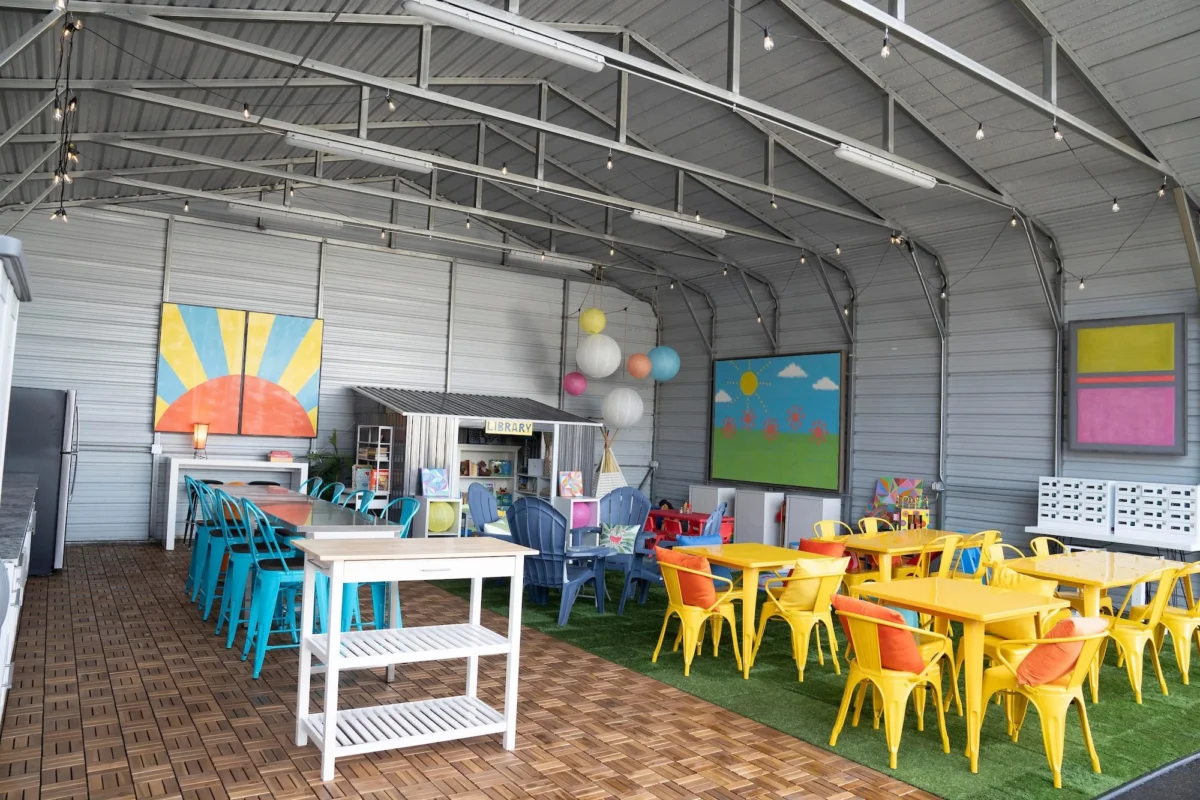
- Communal Kitchens: Areas equipped with microwaves and food preparation surfaces.
- Educational Support: On-site Wi-Fi and quiet study areas for students.
- Resource Libraries: Small collections of donated books and hygiene supplies.
- Case Management: Mandatory meetings with specialists to track progress toward permanent housing.
In contrast, the lot at Central Elementary School in San Diego is a "vehicle-only" site, where families must provide their own cars or vans. While less robust than the RV model, it provides essential security, portable restrooms, and access to food pantries. For families like M.’s, these lots are preferable to traditional shelters, which often impose strict curfews and lack the privacy necessary for a child to focus on schoolwork.
Legal and Social Challenges
Despite the program’s growth, it faces significant opposition from various sectors. Nearby residents and private developers frequently voice concerns regarding potential increases in crime and the impact on property values. In San Diego, a developer at Liberty Station recently asked a judge to halt the expansion of a safe parking site, highlighting the ongoing tension between social services and urban development.
Political criticism has also emerged at the federal level. Some members of the Trump administration have characterized safe parking lots as "dystopian" and "reprehensible," arguing that they normalize homelessness rather than solving it. This critique comes as the administration proposes major cuts to long-term federal housing programs, leaving local districts to wonder how they will fund the "permanent" part of the housing equation.

Progressive advocates also express quiet concern that these lots might divert resources away from addressing the root causes of the housing crisis—namely, the lack of affordable units and the stagnation of wages for low-income workers.
Data-Driven Success: Is the Model Working?
While critics view parking lots as a sign of systemic failure, research suggests the JFS model is achieving its goal of transitioning people into permanent housing. A 2024 study found that 40 percent of households staying at a JFS site between 2020 and 2021 moved into stable housing. More recent data from JFS indicates that the success rate has climbed to 53 percent across all sites, and a remarkable 76 percent at the Rose Canyon RV lot.
To put these numbers in perspective, the national average for individuals moving from homeless services to permanent housing was just under 34 percent last year. In San Diego, traditional emergency shelters reported a transition rate of only 9 percent during the same period. The disparity suggests that the autonomy provided by safe parking—allowing families to keep their pets, their belongings, and their own schedules—reduces the trauma of homelessness and allows parents to focus more effectively on their long-term goals.
The Economic Reality of School Staff
The irony of the situation is not lost on school district officials: many of the people eligible for these lots are the very employees who keep the schools running. In San Diego, hourly staff such as classroom aides and bus monitors can earn as little as $1,832 per month. With the median rent for a one-bedroom apartment in the city topping $2,200, a full-time employee can remain homeless despite having a steady job.
"We have this vacant land sitting in the middle of a city struggling with homelessness," said Kristy Drake. "Why not put up this land? We just ask that our families get first dibs on spaces."
A Path Forward
For Dezarae S., a mother of four whose family recently stayed at the Rose Canyon lot, the program was a literal life-saver. Having spent much of her own childhood in shelters and cars, Dezarae was determined to protect her children from the same fate. Her twin two-year-old sons, both autistic, were able to meet with specialists at the parking lot to prepare for preschool—a level of service coordination that would have been impossible while living on the street.
After three years on a waiting list, Dezarae’s family finally secured a housing voucher and moved into a three-bedroom apartment in late March. "My kids are still happy," she said. "We do everything in our power to keep their childhood innocence."
As more districts across the country look toward their own parking lots to solve an immediate humanitarian crisis, the debate over "safe parking" will likely intensify. While no one argues that a parking lot is a substitute for a home, for the thousands of students currently sleeping in the backseats of cars, these lots represent a secure harbor in an increasingly unaffordable world. For M. and her son, the figure eights on the pavement are a small but vital sign of a life that is beginning to stabilize.
