

The landscape of generative artificial intelligence has shifted dramatically from a period of unbridled optimism to one of profound public skepticism and regulatory scrutiny. OpenAI, the organization at the center of this technological revolution, is currently grappling with a multifaceted reputation crisis that threatens to derail its ambitious growth trajectory. Only months ago, OpenAI co-founder Greg Brockman expressed significant concerns regarding the mounting public relations challenges facing the industry. Despite the unprecedented adoption rates of tools like ChatGPT, a growing demographic of the global population views the advancement of artificial intelligence with apprehension, if not outright hostility.
This backlash has manifested in increasingly physical and vocal ways. In high-profile academic settings, optimistic rhetoric regarding AI is no longer met with universal acclaim; notably, former Google CEO Eric Schmidt was recently booed during a university commencement speech for his positive outlook on the technology. More alarmingly, the tension has escalated into violence. Last month, a Molotov cocktail was thrown at the San Francisco residence of OpenAI CEO Sam Altman, accompanied by a manifesto calling for criminal actions against AI executives. For OpenAI, a company that has become the face of the AI era, the stakes of this reputational downturn could not be higher.
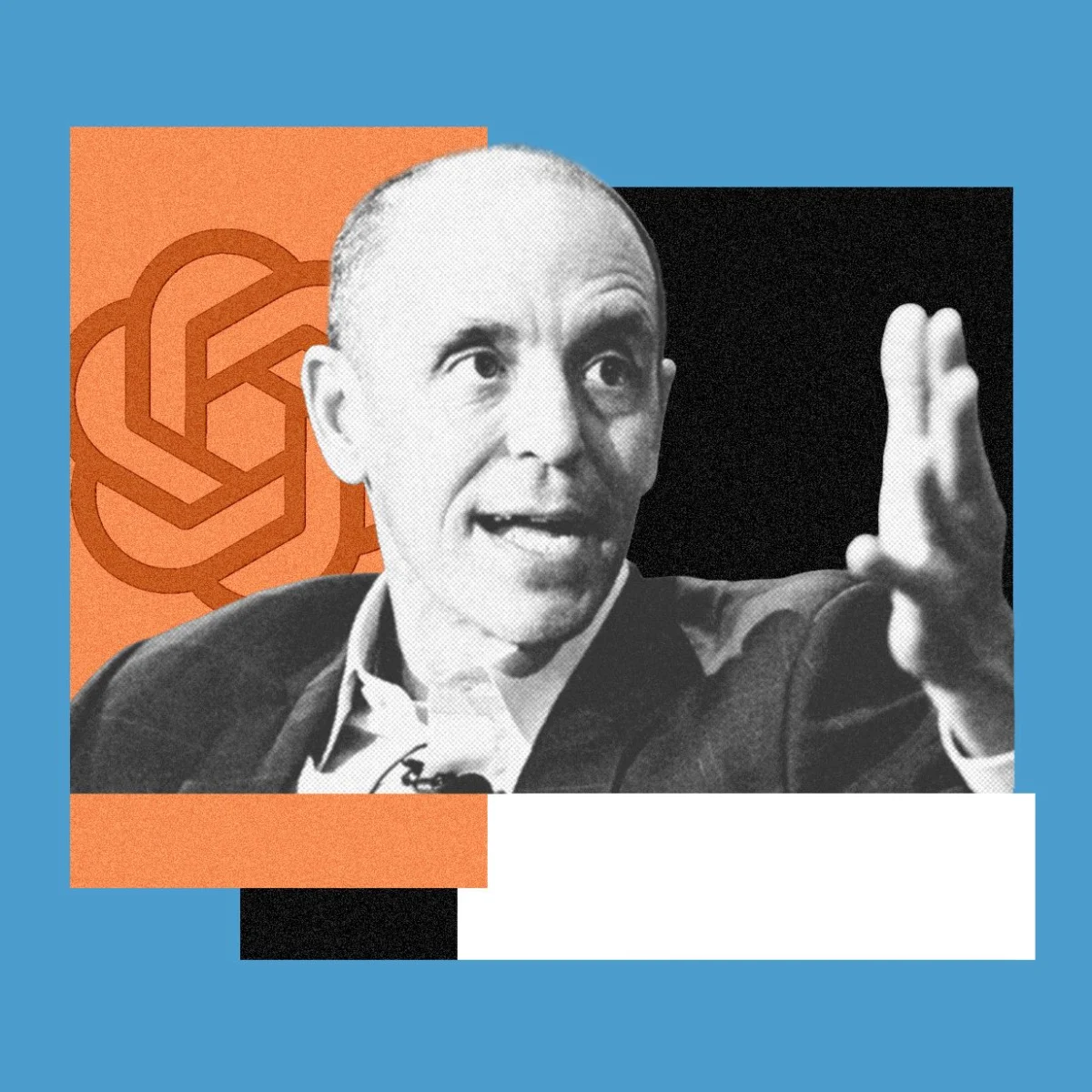
To manage this volatile environment, OpenAI has turned to Chris Lehane, the company’s Chief of Global Affairs. A veteran political operative with a storied history in crisis management, Lehane is tasked with a dual mandate that many observers consider contradictory: he must convince a skeptical public to embrace OpenAI’s technology while simultaneously persuading lawmakers to implement regulations that do not stifle the company’s expansion. Lehane, however, argues that these two objectives are inextricably linked, operating under the philosophy that good policy is the foundation of good politics.
The Architect of Crisis Management
Chris Lehane’s appointment at OpenAI marks a strategic shift toward a more aggressive and politically savvy communications posture. Lehane earned the moniker "Master of Disaster" during his tenure in the Clinton White House, where he managed high-stakes crisis communications. His career since then has been defined by navigating the intersection of disruptive technology and government oversight.
Before joining OpenAI in 2024, Lehane played a pivotal role in the growth of Airbnb. He led the effort to fend off municipal regulators who viewed short-term home rentals as a violation of zoning laws or, as Lehane described it, operating "ahead of the law." Following his success at Airbnb, he became an instrumental figure in the cryptocurrency sector, helping to form Fairshake, a powerful industry super PAC designed to legitimize digital currencies within the halls of Washington, D.C. Now overseeing OpenAI’s communications and policy teams, Lehane is applying these hard-won lessons to the field of artificial intelligence.
Lehane posits that current public narratives surrounding AI are "artificially binary." He describes two unrealistic extremes: the "Bob Ross view," where AI automates all labor and allows humanity to pursue leisure indefinitely, and a dystopian future where a small group of elites uses AI to exert total control over society. Lehane’s strategy involves moving the company toward a "calibrated" message—one that acknowledges real-world anxieties while offering concrete policy solutions.
A Shifting Narrative on the Future of Work
One of the most significant challenges for OpenAI’s PR strategy has been the evolving rhetoric of its own leadership. In early 2023, Sam Altman warned that "whole classes of jobs" would likely vanish as artificial intelligence approached the "singularity." This "jobs doomerism" contributed significantly to public anxiety, particularly among white-collar professionals and creative workers who saw their livelihoods threatened by Large Language Models (LLMs).
Under Lehane’s influence, OpenAI has noticeably softened this stance. Altman has recently pivoted, declaring that long-term job doomerism is likely incorrect. To support this new narrative, OpenAI has begun advocating for what it calls "Industrial Policy for the Intelligence Age." This policy framework includes several progressive proposals aimed at mitigating the economic disruption caused by AI, such as:
- The Four-Day Work Week: A structural change to labor to account for increased productivity.
- Expanded Healthcare Access: Decoupling essential services from traditional employment models.
- AI Labor Taxation: Implementing taxes on AI-powered labor to fund social safety nets.
Lehane argues that developers of transformative technology have an "obligation" to propose solutions to the problems their products create. However, this shift toward advocacy has not been without internal friction. Reports indicate that members of OpenAI’s economic research unit resigned after expressing concerns that their objective research was being manipulated into a corporate advocacy tool. These former employees suggested that their findings regarding the negative economic impacts of AI were being downplayed because they were "inconvenient" for the company’s growth narrative.
The Strategy of Reverse Federalism
In the absence of comprehensive federal legislation in the United States, OpenAI has adopted a strategy Lehane calls "reverse federalism." Rather than waiting for a gridlocked Congress to act, the company is actively lobbying state legislatures to pass AI laws that are "harmonized" with existing frameworks in California and New York.
The objective of this strategy is to prevent a "patchwork" of disparate state regulations, which the company argues would create an impossible compliance burden and derail innovation. By influencing the foundational laws in key states, OpenAI hopes to create a de facto national standard that aligns with its business interests.
However, OpenAI’s involvement in state-level legislating has sparked controversy. In Illinois, the company initially supported a bill that would have granted AI developers a "liability safe harbor." This provision would have exempted companies from lawsuits related to catastrophic harm caused by their models, provided they published a safety framework on a public website. The bill was criticized by legal experts and the Governor of Illinois as being overly deferential to the tech industry.
Following the backlash, OpenAI distanced itself from the liability shield, with Lehane admitting the company was not "explicit" enough about which parts of the bill it supported. More recently, the company has pivoted to support a different Illinois bill—endorsed also by its primary competitor, Anthropic—which requires leading AI firms to undergo third-party safety audits. This shift suggests a recognition that absolute immunity is politically untenable and that some level of independent oversight is necessary to regain public trust.
Political Influence and the Rise of AI Super PACs
To bolster its influence in Washington and state capitals, the AI industry has moved into the realm of campaign finance. Lehane was a key figure in the launch of "Leading the Future," a pro-AI super PAC that debuted last summer with over $100 million in funding commitments. While OpenAI maintains that it does not directly fund super PACs, its executives are deeply involved.
Greg Brockman and his wife have made significant personal donations to Leading the Future, as well as to super PACs supporting President Donald Trump. Brockman has stated that these donations are intended to ensure that "Artificial General Intelligence (AGI) benefits all of humanity" by electing candidates who understand the technology’s potential.
This political spending has already drawn fire from critics. In New York, State Representative Alex Bores, who authored some of the nation’s strongest AI safety laws, has been a target of industry-backed political opposition. Bores and other critics argue that the industry is attempting to "buy" favorable regulation and silence voices calling for more stringent safety protocols. The move has occasionally backfired, with some candidates using the industry’s opposition as a badge of honor to prove their independence to voters.
Chronology of OpenAI’s Strategic Pivot
- Early 2023: OpenAI leadership, including Sam Altman, warns of massive job displacement, fueling "jobs doomerism."
- Late 2023: Public sentiment shifts negatively; AI safety concerns become a dominant media narrative.
- Early 2024: Chris Lehane joins OpenAI as Chief of Global Affairs.
- Mid-2024: "Leading the Future" super PAC launches with $100M+ in industry backing.
- Late 2024: OpenAI releases its "Industrial Policy for the Intelligence Age" and begins lobbying for "reverse federalism" in state legislatures.
- Present: OpenAI pivots to support third-party audit requirements in Illinois after a controversial attempt to secure liability shields fails.
Broader Implications for the AI Industry
The challenges facing OpenAI are a microcosm of the broader tensions within the tech industry. As AI models become more powerful, the gap between corporate interests and public safety concerns continues to widen. The "Lehane Doctrine"—balancing aggressive growth with proactive, solution-oriented policy advocacy—represents a new chapter in how tech giants interact with the state.
If OpenAI succeeds in "harmonizing" state laws and passing its industrial policy proposals, it could set a global precedent for how AI is governed. However, the company remains under intense scrutiny from former employees, safety advocates, and skeptical lawmakers. The transition from a research-focused nonprofit to a political and economic powerhouse has left many wondering if the company’s original mission—to ensure AGI benefits everyone—remains intact, or if it has been superseded by the traditional demands of corporate survival and political dominance.
The success of Chris Lehane’s strategy will likely determine whether OpenAI can maintain its leadership position or if it will be weighed down by the very regulatory and reputational burdens it is currently trying to reshape. As the industry moves closer to AGI, the battle over who controls the narrative and the rules of the game will only intensify.
