

As the most populous nation in Africa, home to an estimated 230 million people, Nigeria faces a staggering array of developmental priorities that compete for limited public funds. The government’s fiscal agenda is dominated by urgent needs in water and sanitation, affordable housing, and agricultural modernization. However, the intensifying climate crisis has added a layer of complexity and urgency to this list, requiring massive capital injections to mitigate environmental degradation and adapt to a changing landscape. To bridge the significant funding gap, the Nigerian government has increasingly turned to innovative financial instruments, specifically sovereign green bonds, which have begun to demonstrate tangible results in mobilizing both domestic and international capital for sustainability-oriented projects.
The most recent milestone in this financial evolution occurred in late 2023, when the Nigerian government issued its third and fourth tranches of sovereign green bonds. These issuances, totaling 300 billion naira (approximately US$220 million), represent a significant scaling up of the country’s commitment to green finance. This move is part of a broader strategy to diversify the nation’s debt profile while simultaneously addressing the "Nationally Determined Contributions" (NDCs) outlined under the Paris Agreement. By earmarking funds specifically for environmental projects, Nigeria is attempting to decouple its infrastructure growth from carbon-intensive pathways.
The Evolution of Nigeria’s Green Bond Framework
Nigeria’s journey into the thematic bond market began in 2017, a year that marked a historic turning point for environmental finance on the continent. By launching a sovereign green bond valued at 10.69 billion naira (US$7.85 million), Nigeria became the first African nation and only the fourth country globally to issue a sovereign bond dedicated to climate-related projects. This inaugural bond received certification from the Climate Bonds Initiative (CBI), a London-based non-profit that sets rigorous international standards for green debt. The market response was overwhelmingly positive; investor demand significantly exceeded the offer, resulting in an oversubscribed issuance that signaled a robust appetite for sustainable investment vehicles in West Africa.
Building on the momentum of the 2017 success, the Nigerian government returned to the market in 2019 with a second sovereign green bond. This issuance was valued at 15 billion naira (US$11.16 million) and featured a longer tenor to appeal to institutional investors like pension funds and insurance companies. The results were even more pronounced than the first; the 2019 bond saw a 220% oversubscription rate, with total subscriptions reaching 32.93 billion naira (US$23.57 million). This level of interest demonstrated that the Nigerian investment community—ranging from retail investors to large-scale asset managers—viewed green bonds not just as a moral imperative, but as a viable and attractive financial asset.
Mechanics and Investor Appeal
Green bonds function similarly to traditional bonds in that they offer a fixed rate of interest over a specified period. However, they are distinguished by a "use of proceeds" clause that legally mandates the capital be directed toward projects with clear environmental benefits. These include renewable energy installations, clean transportation systems, sustainable water management, afforestation, and climate-change-adaptation infrastructure.
According to Dare Ogunbona, the Chief Executive Officer at Green Advisors Limited, the success of these early issuances is a critical indicator of shifting market dynamics. "The success of the inaugural 2017 green bond and the subsequent tranche in 2019 signals growing investor appetite for green assets even in emerging markets," Ogunbona noted. This appetite is driven by a global trend toward Environmental, Social, and Governance (ESG) investing, where capital is increasingly allocated to entities that can prove their positive impact on the planet. For Nigeria, these bonds offer a way to tap into a pool of capital that might otherwise be wary of emerging market volatility, provided the projects are transparent and impactful.
Global and Regional Market Context
The global landscape for green finance has undergone exponential growth since the European Investment Bank (EIB) launched the first "Climate Awareness Bond" in 2007. As of December 2024, the global green bond market reached a valuation of US$2,625 billion. The pace of issuance has accelerated rapidly; in 2024 alone, $522 billion in new green bonds were brought to market, a massive leap from the $135 billion recorded the previous year, according to data from Amundi’s 2024 Green Bond Impact Report.
Despite this global boom, Africa’s share of the market remains disproportionately small. The continent currently accounts for approximately US$5.1 billion, which represents less than 1% of the total US$2.2 trillion global green bond market. However, the trajectory is positive. Recent data indicates that green bond issuances across Africa grew by 125% between 2022 and 2023, rising from $600 million to $1.4 billion. Nigeria, alongside nations like Egypt and South Africa, is leading this regional charge.
In 2020, Egypt made history as the first country in the Middle East and North Africa (MENA) region to issue a sovereign green bond. Mirroring the Nigerian experience, the Egyptian bond was heavily oversubscribed, prompting the government to increase its offering from an initial $500 million to $750 million. These success stories across the continent are encouraging other African nations to develop the necessary regulatory frameworks to enter the green finance space.
Impact on National Development and Infrastructure
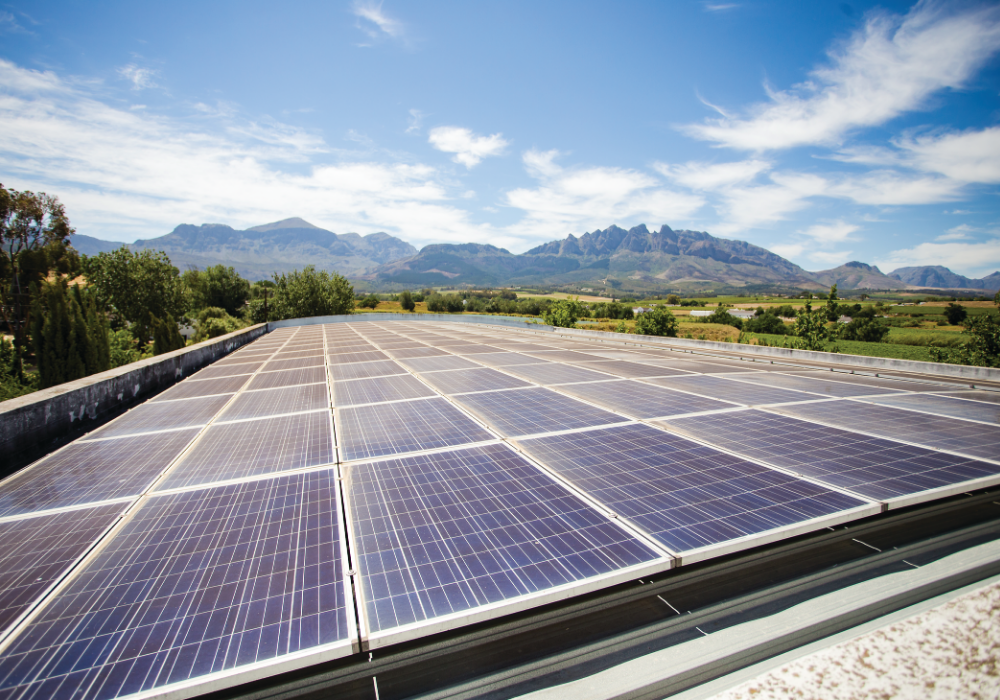
In Nigeria, the proceeds from green bond issuances have been directed toward several high-profile projects aimed at reducing the country’s carbon footprint and improving energy security. Key projects include:
- The Katsina Wind Farm: A 10-megawatt power project designed to provide clean electricity to northern Nigeria, reducing reliance on fossil-fuel-powered generators.
- Afforestation Programs: Massive tree-planting initiatives intended to combat desertification in the northern "Sahel" belt and restore degraded lands.
- Off-Grid Solar Plants: The Energizing Education Programme, which provides independent power plants to federal universities and teaching hospitals, ensuring that critical educational and healthcare infrastructure can function during grid failures.
Dare Ogunbona credits these bonds with fostering "meaningful structural progress" in how the Nigerian government approaches project finance. By requiring strict reporting and verification, the green bond framework introduces a level of accountability that is often missing in traditional public spending.
Challenges, Criticisms, and Implementation Gaps
Despite the financial success of the bond issuances, the transition from capital raising to project execution has been fraught with difficulties. Independent investigations and academic reviews have highlighted significant "implementation gaps" that threaten the long-term viability of the green bond program.
A 2024 report by the Centre for Journalism Innovation and Development (CJID) pointed out that many green-funded projects have been hampered by inadequate monitoring and weak sustainability frameworks. Perhaps most concerning was an investigation by a local Nigerian newspaper which found that several afforestation projects financed by the initial green bonds had failed. The failures were attributed to poor site selection, lack of community engagement, and insufficient post-planting maintenance. In some instances, saplings died shortly after planting due to lack of water or protection from livestock, essentially neutralizing the environmental benefits the bonds were intended to create.
Furthermore, the lack of a robust "impact reporting" mechanism has been a point of contention. While the Debt Management Office (DMO) provides data on the financial deployment of funds, there is a perceived shortage of granular data on the actual carbon emissions saved or the number of hectares successfully reforested. Addressing these transparency issues is essential to maintaining investor confidence, particularly among international ESG funds that require strict proof of impact.
The Path Forward: Resilience and Market Maturation
The future of Nigeria’s green space remains promising, provided the government can address the logistical hurdles of project implementation. As of March 2025, approximately 95.44% of the proceeds from the 2019 green bond had been deployed to approved projects, indicating that the bureaucratic machinery for fund allocation is improving.
"For investors with a medium to long horizon and appetite for emerging market risk, Nigeria’s green space is very much in play," Ogunbona emphasized. The potential for corporate green bonds—where private Nigerian companies issue debt for sustainable projects—is also expanding. The Nigerian Securities and Exchange Commission (SEC) has already established rules for corporate green bond issuance, paving the way for a more diverse ecosystem of green finance.
To ensure long-term success, analysts suggest that the Nigerian government must integrate green bond projects into its broader national development plan rather than treating them as isolated environmental initiatives. Strengthening the capacity of the Ministry of Environment to oversee technical implementation and ensuring that local communities are stakeholders in these projects will be vital.
As Nigeria continues to grapple with the dual challenges of rapid population growth and climate change, the green bond will remain a critical tool. It offers a rare opportunity to align the country’s financial needs with the global transition to a low-carbon economy. While the path from "issuance" to "impact" is complex, the continued oversubscription of these bonds suggests that the market believes in Nigeria’s green potential. The task now lies in ensuring that every naira raised translates into a more resilient and sustainable future for the 230 million people who call the nation home.
