

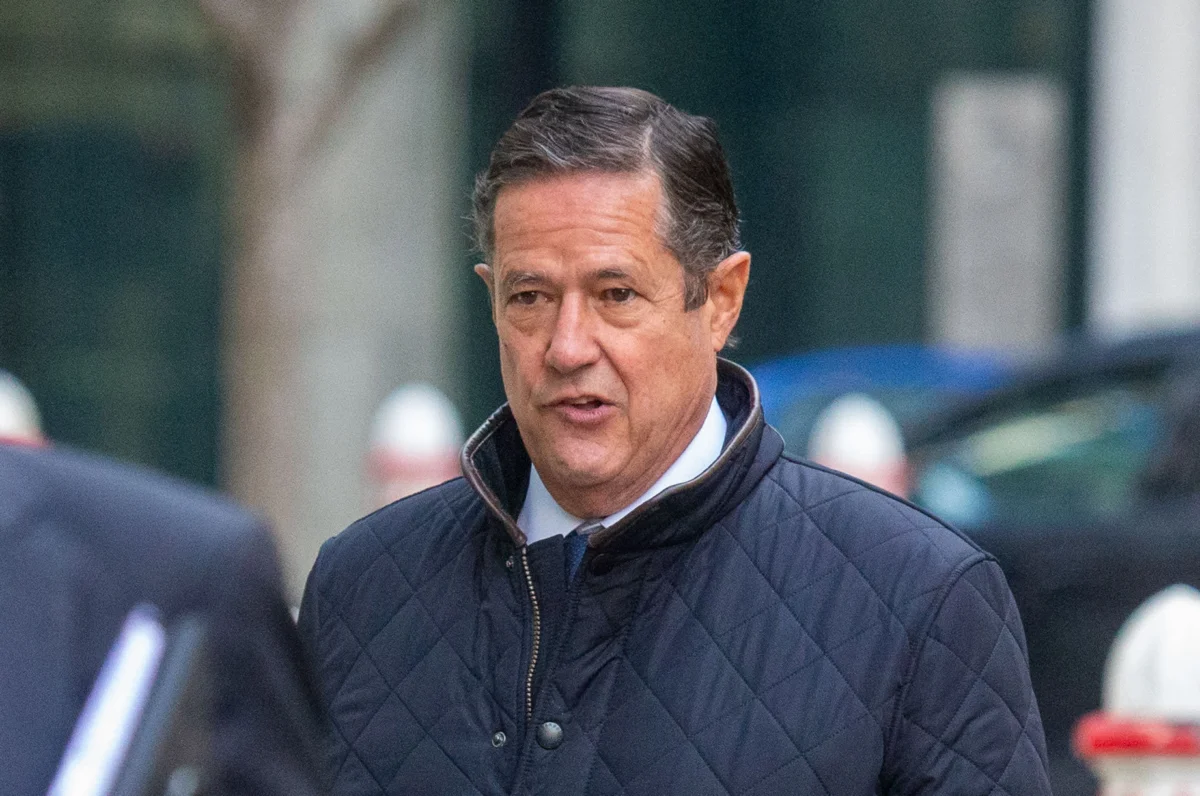
Jes Staley, the former chief executive of Barclays and a prominent ex-JPMorgan Chase executive, has confirmed his agreement to be interviewed by the House Oversight and Government Reform Committee on July 23. The highly anticipated transcribed interview will delve into Staley’s relationship with the notorious convicted sex offender Jeffrey Epstein, a connection that has significantly impacted Staley’s career and reputation within the global financial sector. This development comes as Staley concurrently faces a legal challenge in London, slated for March 14, 2025, against a permanent ban from the UK finance sector imposed due to his ties to Epstein. The decision to testify before the U.S. congressional panel underscores the relentless scrutiny surrounding Epstein’s extensive network and the enduring efforts to hold accountable individuals and institutions linked to his illicit activities.
The House Oversight Committee’s Expansive Investigation
The invitation for a voluntary interview, extended by Oversight Chairman Rep. James Comer, R-Ky., three weeks prior, forms part of a broader, intensive investigation by the House Oversight Committee into Jeffrey Epstein’s associates and the mechanisms that potentially enabled his decades-long criminal enterprise. The committee’s inquiry seeks to uncover the full extent of Epstein’s influence and the roles played by various high-profile individuals in his orbit, as well as the failures of institutions to prevent or report his crimes. This investigative thrust reflects a persistent public demand for transparency and justice, especially in the wake of the release of court documents and the ongoing revelations about Epstein’s vast network.
The list of individuals who have either been interviewed or are scheduled to appear before the Oversight panel highlights the wide-ranging nature of the investigation. Former President Bill Clinton and former Secretary of State Hillary Clinton have been among those questioned, underscoring the political dimensions of Epstein’s connections. Commerce Secretary Howard Lutnick, who has faced questions regarding his interactions with Epstein, also participated in an interview. More recently, former Attorney General Pam Bondi was interviewed on a Friday regarding the Department of Justice’s handling of the release of files related to Epstein, a critical aspect of public disclosure. Looking ahead, Microsoft co-founder Bill Gates is slated for an interview on June 10, a testament to the diverse and powerful figures drawn into Epstein’s sphere. Billionaire Leon Black is reportedly scheduled for June 26, while Goldman Sachs general counsel Kathryn Ruemmler is set for July 15. The cumulative impact of these interviews is expected to paint a more comprehensive picture of the environment that allowed Epstein to operate and evade justice for so long.
Jes Staley’s Entanglement with Epstein: A Chronology of Connections and Consequences
The relationship between Jes Staley and Jeffrey Epstein dates back to Staley’s tenure at JPMorgan Chase, where he managed the bank’s private wealth and asset management divisions. During this period, Epstein was a significant client, and Staley’s professional interactions with him reportedly evolved into a personal friendship. This connection, initially perceived as a client relationship, would later become a defining and ultimately career-ending controversy for Staley.
- Early 2000s – 2013: Staley’s career trajectory at JPMorgan was marked by his ascent through the ranks, eventually leading the private banking division. It was during this time that Epstein became a major client, reportedly bringing in substantial assets and attracting other high-net-worth individuals to the bank. The exact nature and frequency of Staley’s interactions with Epstein during this period are central to the ongoing investigations.
- 2008: Jeffrey Epstein pleaded guilty to soliciting prostitution from a minor in Florida, a conviction that should have triggered enhanced scrutiny from financial institutions under "know your customer" and anti-money laundering regulations. Despite this, Epstein reportedly maintained his banking relationships, including with JPMorgan, for several more years.
- October 2015: After departing JPMorgan, Staley assumed the role of CEO at Barclays, one of the UK’s largest banks. His appointment was seen as a significant move, signaling a new direction for the institution.
- August 2019: Epstein was arrested on federal charges of sex trafficking minors in New York. Weeks later, he died by suicide in a Manhattan jail cell, sparking widespread outrage and calls for investigations into his death and the full extent of his network.
- Post-August 2019: Following Epstein’s arrest, Staley publicly addressed his relationship with Epstein. Barclays initially stood by its CEO, stating that Staley had been transparent about his ties and that the bank was satisfied with his explanations. Staley notably stated in 2020, "Obviously, I thought I knew him well, and I didn’t. For sure, with hindsight, with what we know now, I deeply regret having any relationship with Jeffrey."
- Late 2021: The mounting pressure from regulatory probes by the UK’s Financial Conduct Authority (FCA) and Prudential Regulation Authority (PRA) intensified. These investigations focused on Staley’s characterization of his relationship with Epstein to Barclays and the subsequent description of that relationship in Barclays’ official responses to the regulators. Staley resigned from his position as CEO of Barclays, stating that he intended to contest the findings of the regulatory bodies.
- 2023: The FCA announced its findings, concluding that Staley had "recklessly" misled Barclays and the regulators about the nature of his relationship with Epstein. The FCA imposed a fine exceeding $2 million (approximately £1.8 million) on Staley and permanently banned him from holding any senior management or significant influence function in the UK financial services sector.
- March 14, 2025: Staley is scheduled to appear at the High Court in London to challenge this ban, arguing against the FCA’s conclusions and the severity of the penalty. His agreement to testify before the U.S. House Oversight Committee prior to this key legal date adds another layer of complexity to his ongoing battles.
JPMorgan Chase’s Financial Settlements and Corporate Accountability
The revelations about Epstein’s activities and his prolonged client relationship with JPMorgan Chase led to significant legal and financial repercussions for the banking giant. In 2023, JPMorgan faced multiple lawsuits alleging that the bank had facilitated Epstein’s sex trafficking by providing him with banking services despite numerous red flags and suspicions about his conduct.
One major lawsuit was brought by victims of Epstein, accusing JPMorgan of ignoring his crimes and benefiting financially from his illicit activities. The bank ultimately agreed to a settlement of $290 million with these victims, a substantial sum reflecting the severity of the allegations and the bank’s desire to mitigate further reputational and legal damage.
Concurrently, the government of the U.S. Virgin Islands (USVI), where Epstein owned an island and allegedly conducted much of his abuse, filed a similar lawsuit against JPMorgan. The USVI government accused the bank of being complicit in Epstein’s sex trafficking network by failing to report suspicious transactions and allowing him to maintain accounts that facilitated his operations. JPMorgan settled this lawsuit for $75 million. It is important to note that in both public settlements, JPMorgan explicitly stated that it did not admit wrongdoing in its dealings with Epstein.
Beyond these public settlements, JPMorgan also reached a confidential agreement with Jes Staley. This settlement resolved the bank’s claims that Staley was responsible for any civil damages and costs associated with the Epstein-related litigation. This private agreement underscores the bank’s efforts to assign responsibility internally and protect itself from further financial liabilities stemming from the scandal. The cases against JPMorgan highlighted critical questions about "know your customer" (KYC) protocols, anti-money laundering (AML) compliance, and the ethical responsibilities of financial institutions in vetting and monitoring high-net-worth clients, especially those with public criminal records.
Barclays and the Scrutiny of Corporate Governance
Jes Staley’s resignation from Barclays in late 2021 and the subsequent regulatory action by the FCA sent shockwaves through the UK financial sector. The FCA’s investigation focused not on whether Staley was aware of Epstein’s alleged crimes, but specifically on how Staley had characterized his relationship with Epstein to Barclays’ board and to the regulators themselves. The FCA concluded that Staley had provided misleading information, which constituted a breach of his professional conduct obligations.
Barclays, in its public statements, consistently maintained that the internal investigation "makes no findings that Mr Staley saw, or was aware of, any of Mr Epstein’s alleged crimes, which was the central question underpinning Barclays’ support for Mr Staley following the arrest of Mr Epstein in the summer of 2019." However, the regulatory authorities’ focus was on the integrity of Staley’s disclosures and his adherence to the standards expected of a senior financial executive. The FCA’s permanent ban on Staley from holding management roles in the UK finance sector was a severe penalty, reflecting the regulator’s stance on accountability and transparency within the industry. It served as a stark reminder to all financial executives of the stringent requirements for honesty and forthrightness in their dealings with their institutions and regulatory bodies, particularly concerning relationships that could pose significant reputational or legal risks. The episode also placed a spotlight on the role of corporate boards in scrutinizing the personal and professional relationships of their executives and ensuring robust governance practices.
The Enduring Shadow of Jeffrey Epstein and Broader Implications
Jeffrey Epstein’s crimes, encompassing the sex trafficking and abuse of underage girls for decades, represent one of the most egregious cases of moral and institutional failure in recent memory. His death in custody amplified public outrage and intensified demands for accountability from all who were connected to him, whether through friendship, professional association, or institutional enablement. The "Epstein files" and subsequent journalistic investigations have continued to reveal the breadth of his connections, encompassing political figures, business moguls, academics, and celebrities, creating a persistent sense that justice for his victims remains incomplete.
The ongoing inquiries, including the House Oversight Committee’s current efforts, underscore several critical implications:
- Heightened Regulatory Scrutiny: Financial institutions globally are under increased pressure to strengthen their "know your customer" (KYC) and anti-money laundering (AML) frameworks. The JPMorgan case, in particular, demonstrated the substantial financial and reputational risks associated with failing to identify and act on suspicious activities by high-net-worth clients, even years after the initial infractions.
- Corporate Governance and Ethical Leadership: The cases of Jes Staley and Barclays highlight the importance of transparent and ethical conduct at the highest levels of corporate leadership. Executives are expected not only to avoid direct involvement in illicit activities but also to be fully transparent about relationships that could compromise their judgment or the institution’s integrity. Boards of directors bear significant responsibility in overseeing these aspects.
- Public Demand for Accountability: The public’s sustained interest in the Epstein scandal signifies a broader societal demand for accountability from powerful individuals and institutions. This pressure ensures that investigations continue, even years after Epstein’s death, as the pursuit of justice for victims and the understanding of systemic failures remain paramount.
- Reputational Risk Management: The long-term fallout from associating with controversial figures like Epstein serves as a potent lesson in reputational risk management. The damage can be extensive and enduring, affecting individuals’ careers, corporate brands, and public trust.
Jes Staley’s agreement to testify before the House Oversight Committee is a significant moment in the unfolding narrative of the Epstein scandal. It suggests a continued willingness by authorities to pursue answers and accountability, regardless of the passage of time or the stature of the individuals involved. As Staley prepares for his interview and his legal battle in London, the world will watch to see what further insights emerge into the shadowy connections that allowed Jeffrey Epstein to perpetuate his horrific crimes for so long. The quest for truth and justice in this complex and tragic saga remains far from over.
