

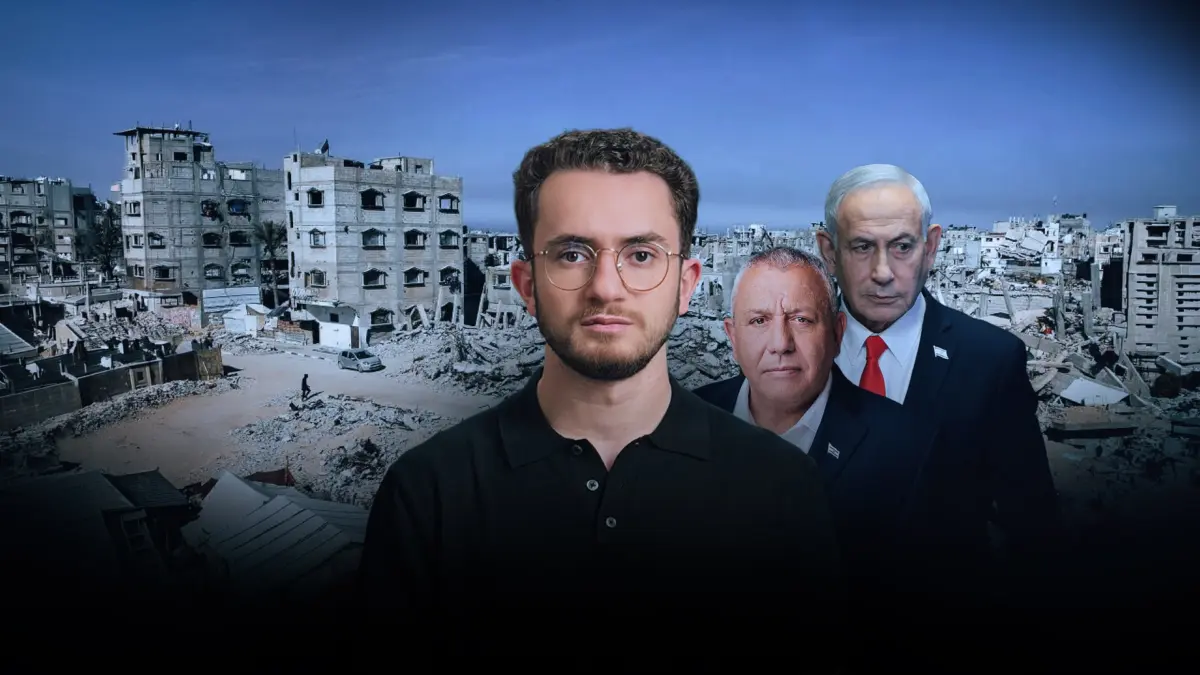
The Gaza Strip bore witness to a profound display of communal grief and despair on November 15, 2026, as a mass funeral was held for seventy Palestinians whose bodies had been painstakingly recovered from beneath the rubble of collapsed structures. This somber event unfolded against a backdrop of ongoing humanitarian crisis in the besieged enclave, while across the border in Israel, the political landscape remained tumultuous, with Prime Minister Benjamin Netanyahu engaged in protracted and often acrimonious negotiations to forge a governing coalition. The juxtaposition of immense human suffering in Gaza and the intense power struggles in Jerusalem underscored the deeply intertwined and volatile nature of the region’s challenges, leaving little room for immediate optimism regarding de-escalation or stability.
The Gaza Humanitarian Catastrophe: A City in Mourning
The scene in Gaza was one of overwhelming sorrow. Thousands gathered to mourn the seventy victims, whose remains had been trapped for an indeterminate period following what local authorities described as sustained military operations. The funeral procession, marked by wailing relatives and the mournful cries of onlookers, traversed the devastated streets of Gaza City, a stark testament to the extensive damage inflicted upon residential areas and infrastructure. Many of the deceased were reportedly women and children, adding another layer of tragedy to an already desperate situation. The sheer scale of the funeral underscored the pervasive sense of loss and the relentless toll on civilian lives.
Recovering the Dead: A Grim Reality
The recovery efforts preceding the mass funeral highlighted the dire conditions faced by emergency services in Gaza. Lacking adequate heavy machinery, specialized equipment, and sufficient fuel, rescue teams, often comprising volunteers and ordinary citizens, resorted to rudimentary tools and their bare hands to sift through tons of concrete and twisted metal. The process was slow, perilous, and emotionally draining, frequently hampered by the risk of further collapse and the persistent threat of renewed hostilities. According to reports from the Palestinian Ministry of Health in Gaza, the number of individuals still missing under rubble was estimated to be in the hundreds, suggesting that the grim tally of fatalities could yet rise significantly. This challenging recovery environment not only delayed the identification and burial of victims but also exacerbated the psychological trauma experienced by the community. International aid organizations had repeatedly called for unimpeded access for humanitarian assistance, including vital equipment for search and rescue operations, but such appeals often met with logistical and political impediments.
Civilian Toll and Infrastructure Collapse
By late 2026, the cumulative impact of prolonged conflict had rendered large swathes of the Gaza Strip virtually uninhabitable. Satellite imagery and ground assessments from various international agencies indicated that over 70% of residential buildings in certain areas had been damaged or completely destroyed. Critical infrastructure, including water sanitation systems, electricity networks, and healthcare facilities, had been severely compromised, pushing the population of over 2 million to the brink of a public health catastrophe. The United Nations Office for the Coordination of Humanitarian Affairs (OCHA) reported that more than 80% of Gaza’s population had been displaced at least once since the beginning of the most recent escalations, with many living in overcrowded shelters or makeshift tents, facing acute shortages of food, clean water, and medical supplies. The economic fabric of Gaza, already fragile due to years of blockade, had been obliterated, leaving vast numbers unemployed and dependent on external aid for survival. The mass funeral, therefore, was not merely an act of mourning but also a powerful symbol of a society grappling with profound structural and human devastation.
Israel’s Precarious Political Landscape: Netanyahu’s Enduring Struggle
Simultaneously, approximately 70 kilometers away, the political heart of Israel pulsed with a different kind of tension. Prime Minister Benjamin Netanyahu, having secured a narrow victory in the snap elections held earlier in the year, found himself embroiled in complex and often contentious negotiations to form a stable governing coalition. The Israeli political system, characterized by its proportional representation, frequently leads to fragmented parliaments where no single party holds an outright majority, necessitating coalition governments. Netanyahu, a veteran political strategist and the longest-serving prime minister in Israel’s history, was attempting to assemble a coalition amidst a highly polarized environment, exacerbated by the ongoing conflict and his own persistent legal challenges.
The Coalition Calculus: A Fragile Mandate
The Israeli Knesset (parliament) had been deeply divided following the latest elections, with a multitude of parties representing diverse ideological and religious spectrums. Netanyahu’s Likud party, while the largest faction, required the support of several smaller parties, primarily from the religious-nationalist bloc, to reach the requisite 61 seats for a parliamentary majority. These potential coalition partners, acutely aware of their kingmaker status, were reportedly making significant demands concerning ministerial portfolios, policy concessions on issues such as judicial reform, and budgetary allocations for their constituencies. Sources close to the negotiations indicated that disagreements over control of key ministries, particularly those related to security and justice, were proving to be major stumbling blocks. The prime minister’s ability to navigate these intricate demands without alienating other potential partners or compromising his own political standing was under immense scrutiny. The constant threat of defection or a no-confidence vote loomed large, making any potential government inherently fragile.
Historical Precedent and Legal Shadows
Netanyahu’s political career has been punctuated by numerous coalition crises and allegations of corruption. By 2026, he had already faced multiple rounds of elections and complex coalition formations, often narrowly clinging to power. His ongoing legal battles, involving charges of bribery, fraud, and breach of trust, cast a long shadow over his premiership, adding another layer of complexity to his political maneuvering. While he consistently denied any wrongdoing, the trials often served as a distraction and a point of contention within his potential coalitions, with some partners seeking assurances regarding judicial reforms that could impact his cases. The struggle to form a government was not merely about securing a majority; it was also about maintaining political legitimacy and projecting an image of stable leadership during a period of intense regional instability. Opposition parties, meanwhile, capitalized on the perceived political disarray, calling for national unity governments or alternative leadership, though their own ability to form a viable alternative coalition remained equally challenging.
Chronology of Escalation and Crisis (leading up to November 2026)
The events of November 2026 did not emerge in a vacuum but were the culmination of a protracted period of heightened tensions and intermittent conflict.
- Early 2025: A significant escalation in hostilities erupted following a series of cross-border incidents, leading to intense aerial bombardments of Gaza by Israel and rocket fire into Israeli territory by Palestinian militant groups. This period saw a substantial increase in casualties and destruction.
- Mid-2025: International efforts led to a fragile ceasefire, but underlying issues remained unresolved. Reconstruction in Gaza proceeded slowly due to funding shortfalls and import restrictions. Simultaneously, political discontent grew within Israel, leading to the collapse of the then-governing coalition over budget disputes and disagreements on security policy.
- Late 2025: Snap elections were called in Israel. The campaign was highly charged, focusing heavily on security, economic stability, and the future of judicial reform. Benjamin Netanyahu’s Likud party emerged with a plurality but without a clear path to a stable majority.
- Early 2026: Negotiations for a new Israeli government began, characterized by deep divisions and a series of failed attempts to form a coalition. This period of political paralysis coincided with a gradual deterioration of security in the West Bank and renewed sporadic clashes along the Gaza border.
- Summer 2026: A major ground operation was launched by Israeli forces into parts of the Gaza Strip, aimed at dismantling militant infrastructure following a significant rocket barrage. This operation resulted in widespread destruction, civilian displacement, and a high number of casualties, including the seventy victims whose bodies were later recovered. Humanitarian conditions in Gaza reached critical levels.
- October 2026: Following weeks of intense fighting, a partial de-escalation was achieved, allowing limited humanitarian access and initial search and rescue efforts. It was during this period that the seventy bodies were located and retrieved from under the rubble in heavily impacted areas.
- November 2026: The mass funeral was held in Gaza, drawing international attention to the humanitarian crisis. Concurrently, Netanyahu’s coalition negotiations entered a critical phase, with deadlines looming and pressure mounting from within his own party and the public to form a functional government.
Statements and Reactions: Voices Amidst the Turmoil
The mass funeral in Gaza elicited strong condemnation from Palestinian authorities and international human rights organizations. The Palestinian Ministry of Health issued an urgent appeal for increased international aid, including medical supplies, heavy equipment for rubble removal, and psychosocial support for the traumatized population. Hamas, the de facto governing authority in Gaza, vowed retaliation for what it termed "Israeli aggression" and reiterated calls for an end to the blockade. The Palestinian Authority in Ramallah urged the international community to hold Israel accountable for civilian casualties and to pressure for a lasting political solution.
Internationally, the United Nations Secretary-General expressed deep sorrow over the loss of life in Gaza and reiterated calls for a comprehensive humanitarian ceasefire and unhindered access for aid. Spokespersons for various UN agencies, including UNICEF and WHO, highlighted the catastrophic impact on children and the severe strain on the healthcare system. The International Committee of the Red Cross (ICRC) emphasized the urgent need to respect international humanitarian law and protect civilians in armed conflict. Several European Union member states and the United States State Department issued statements expressing concern over the humanitarian situation in Gaza and urging both sides to de-escalate.
In Israel, the political deadlock overshadowed public discourse, though the ongoing security situation remained a dominant concern. Prime Minister Netanyahu’s office released statements emphasizing the necessity of securing Israel’s borders and dismantling threats, without directly commenting on the funeral in Gaza. Coalition partners, while focused on their negotiation demands, generally echoed the government’s security stance. Opposition leaders, however, criticized the government’s handling of both the conflict and the internal political crisis, arguing that the instability undermined national resilience and international standing. They called for greater transparency and a more unified approach to national security.
Broader Implications: Regional Instability and International Pressure
The dual crises of a humanitarian catastrophe in Gaza and political instability in Israel carried significant broader implications for regional security and international relations. The prolonged suffering in Gaza fueled resentment and radicalization, perpetuating a cycle of violence that threatened to spill over into the wider Middle East. Neighboring countries, particularly Egypt and Jordan, expressed increasing alarm over the humanitarian situation and the potential for regional destabilization, fearing renewed refugee flows and increased extremist activity.
Humanitarian Imperative and Global Response
The severity of the humanitarian crisis in Gaza put immense pressure on international actors to act decisively. However, the political complexities and logistical challenges often hampered effective aid delivery. Calls for a more robust and coordinated global response intensified, with aid organizations advocating for an end to the blockade and long-term investment in Gaza’s recovery. The international community grappled with the ethical dilemma of providing aid while simultaneously failing to secure a lasting political resolution to the conflict.
The Stalemate’s Echoes: Prospects for a Resolution
The political stalemate in Israel, combined with the relentless conflict in Gaza, significantly diminished prospects for any meaningful peace process. A fragmented Israeli government, preoccupied with internal survival, would likely struggle to make bold decisions regarding the Israeli-Palestinian conflict. Similarly, the deep divisions within Palestinian leadership and the overwhelming focus on immediate survival in Gaza meant that serious negotiations for a two-state solution or any other comprehensive settlement remained a distant hope. The events of November 2026 served as a poignant reminder of a region trapped in a cycle of violence and political paralysis, with the human cost in Gaza growing exponentially and the path to stability increasingly obscured by entrenched positions and escalating crises.
The intertwined destinies of Gaza and Israel continued to play out in stark contrast: one, a landscape of profound mourning and destruction, the other, a crucible of political maneuvering and power struggles. Both scenarios underscored the urgent need for a fundamental shift in approach, yet the immediate horizon offered little indication of such a transformation, leaving the region teetering on the precipice of further tragedy.
