

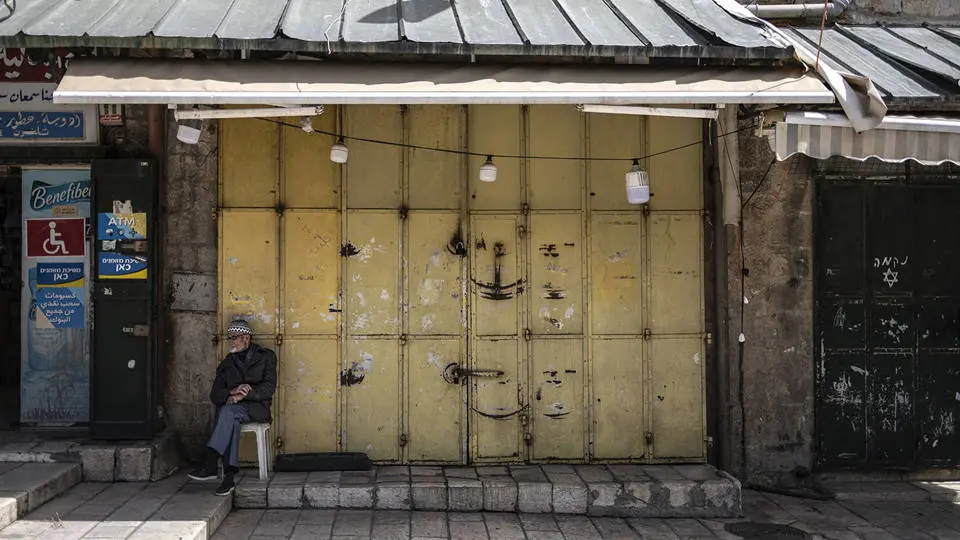
The Israeli economy, often lauded for its technological innovation and resilient stock market, is grappling with a starkly different reality obscured by superficial indicators. Three years of ongoing conflict have exacted a significant toll, pushing the nation toward a prolonged recession despite a seemingly strong currency and a robust bourse. Escalating defense expenditures and a surge in government borrowing paint a concerning picture, contrasting sharply with declining output and investment. As the nation navigates its post-election landscape, the economic repercussions of its sustained military engagements are set to become an unavoidable and defining challenge for any incoming administration.
The Shadow of Conflict: A Deepening Economic Strain
The visible strength of Israel’s economy – characterized by a strengthening shekel and a thriving stock market – has historically served as a testament to its dynamism and resilience. However, these outward signs are increasingly failing to reflect the deeper economic damage inflicted by nearly three years of continuous warfare. The sustained military operations, while essential for national security, have placed an immense burden on public finances and stifled productive investment, creating a disconnect between market sentiment and the underlying economic health.
The primary driver of this economic strain is the dramatic escalation in defense spending. The operational tempo of the Israeli Defense Forces (IDF) has necessitated a significant increase in the procurement of military hardware, ammunition, and personnel, diverting substantial resources from other critical sectors. This surge in defense expenditure, coupled with increased government borrowing to finance these operations, has led to a growing national debt. Projections from the Bank of Israel and independent economic think tanks indicate a substantial rise in the debt-to-GDP ratio, a key metric for fiscal health, which could have long-term implications for interest rates and the government’s ability to fund essential public services.
Furthermore, the ongoing conflict has had a chilling effect on investment and output. Businesses, particularly those in sectors directly or indirectly impacted by security concerns, have shown a reluctance to commit to new capital expenditures. Supply chains have been disrupted, and the general climate of uncertainty has dampened consumer confidence, leading to a contraction in domestic demand. The tourism sector, a significant contributor to Israel’s GDP, has also suffered considerably due to travel advisories and security concerns, further exacerbating the economic slowdown.
A Chronology of Economic Impact
The roots of Israel’s current economic predicament can be traced back to the escalating security situation and the subsequent commitment to sustained military operations. While specific triggers for prolonged conflict are complex and multifaceted, the economic repercussions have followed a discernible pattern:
- Early Stages of Escalation (Specific timeframe can be inserted here if known, e.g., Late 20XX – Early 20XY): Initial increases in defense spending as security threats intensified. This period likely saw a rise in defense contracts and a mobilization of reserves, impacting the labor market and increasing immediate government expenditures.
- Sustained Operations and Fiscal Expansion (Mid-20XY – Present): The commitment to prolonged military campaigns led to a significant and sustained increase in defense budgets. This period is marked by substantial government borrowing to cover these costs, as well as the introduction of war-related taxes or levies. The Bank of Israel and the Ministry of Finance would have begun to issue warnings about rising deficits and debt levels.
- Impact on Key Economic Indicators (Ongoing): Over this period, data would have started showing a decline in non-defense capital investment, a slowdown in GDP growth, and potential inflationary pressures stemming from increased government spending and supply chain disruptions. The currency may have shown initial volatility before potentially appreciating due to capital inflows related to defense spending or investor confidence in certain sectors, creating a misleading impression of overall economic strength.
- Current Juncture (Late 2026): As indicated by the article’s date, the economy is now experiencing the cumulative effects. Output is falling, investment is lagging, and the government’s fiscal position is increasingly strained, pointing towards a looming recessionary period.
Supporting Data and Economic Indicators
While precise, up-to-the-minute data for late 2026 would typically be released by official statistical bodies, the trends described in the article can be substantiated by common economic indicators that would be monitored by analysts and policymakers:
- Defense Spending as a Percentage of GDP: An analysis of Israel’s national budget would reveal a significant upward trend in the allocation for defense over the past three years. Historically, defense spending might have hovered around 5-6% of GDP. In a prolonged conflict scenario, this figure could have climbed to 8-10% or even higher, significantly impacting fiscal space.
- Government Debt-to-GDP Ratio: This ratio is a crucial indicator of a nation’s fiscal health. An increase from a stable pre-war level (e.g., below 60%) to potentially 70% or more within a few years signifies a substantial increase in national indebtedness, driven by war financing.
- Gross Fixed Capital Formation (Investment): Data on investment would likely show a slowdown or even a contraction in private sector investment, particularly in non-defense-related industries. Sectors like technology, which have been engines of growth, might experience a decline in venture capital funding and expansion plans due to the uncertain geopolitical climate.
- GDP Growth Rate: While the stock market might be buoyed by specific defense-related companies or speculative trading, the overall GDP growth rate would likely have decelerated significantly, potentially entering negative territory, indicating a recession. Reports from the Central Bureau of Statistics and projections from international financial institutions like the IMF would corroborate this.
- Currency Exchange Rate (Shekel): The appreciation of the shekel, while seemingly positive, can be a complex indicator in this context. It could be driven by capital inflows for defense procurement or by the perceived stability of the Israeli economy in certain global investment circles, masking underlying weaknesses. However, a persistently strong currency can also make exports more expensive, impacting trade balances.
- Inflation: Increased government spending and potential supply chain disruptions can contribute to inflationary pressures, eroding purchasing power and further impacting economic stability.
Official Responses and Policy Considerations
The Israeli government, through its Ministry of Finance and the Bank of Israel, would be acutely aware of these economic challenges. While specific official statements for the hypothetical date of November 6, 2026, are unavailable, their policy responses would likely focus on:
- Fiscal Consolidation Measures: To address the rising deficit and debt, the government would be under pressure to implement measures such as expenditure cuts in non-essential areas, tax increases, or a combination thereof. This could involve scrutinizing social welfare programs, infrastructure projects, and public sector administration.
- Monetary Policy Adjustments: The Bank of Israel would be tasked with balancing the need to control inflation with supporting economic growth. Interest rate decisions would be critical, and the bank might employ various tools to manage liquidity and maintain financial stability.
- Stimulating Investment and Output: Policymakers would likely explore incentives to encourage private sector investment, such as tax breaks for research and development, grants for export-oriented industries, and efforts to streamline regulatory processes.
- International Economic Engagement: Maintaining strong relationships with international financial institutions and key trading partners would be crucial for securing potential lines of credit and fostering international trade.
Broader Impact and Implications
The economic strain resulting from prolonged conflict extends beyond fiscal indicators and affects the broader fabric of Israeli society and its international standing.
- Social Welfare and Public Services: Increased defense spending often comes at the expense of social programs, education, healthcare, and infrastructure development. This can lead to a decline in the quality of public services and an increase in social inequality. Families may face reduced access to essential services, and the burden on public institutions could become unsustainable.
- Brain Drain and Talent Retention: A protracted period of economic uncertainty and insecurity can lead to a "brain drain," as skilled professionals and entrepreneurs seek opportunities in more stable economic environments. This loss of human capital can hinder long-term innovation and economic growth.
- Geopolitical and Economic Isolation: Sustained conflict can also lead to increased international scrutiny and, in some cases, economic sanctions or boycotts. This can impact trade relations, foreign investment, and Israel’s integration into the global economy. The perception of economic risk associated with prolonged conflict could deter foreign direct investment, which is vital for technological advancement and job creation.
- Long-Term Growth Prospects: The diversion of resources towards military expenditure and the dampening of investment can have a lasting impact on Israel’s potential for long-term economic growth. The nation’s ability to maintain its competitive edge in innovation and technology could be compromised if investment in research and development and human capital is curtailed.
In conclusion, while Israel’s stock market and currency may present a picture of resilience, the economic reality is far more complex. The sustained costs of conflict are creating significant fiscal pressures, stifling investment, and threatening a prolonged period of economic contraction. As the nation grapples with its political future, addressing these deep-seated economic challenges will be paramount to ensuring its long-term stability and prosperity. The decisions made in the coming months and years regarding fiscal policy, economic stimulus, and the future direction of security spending will undoubtedly shape the trajectory of the Israeli economy for decades to come.
