

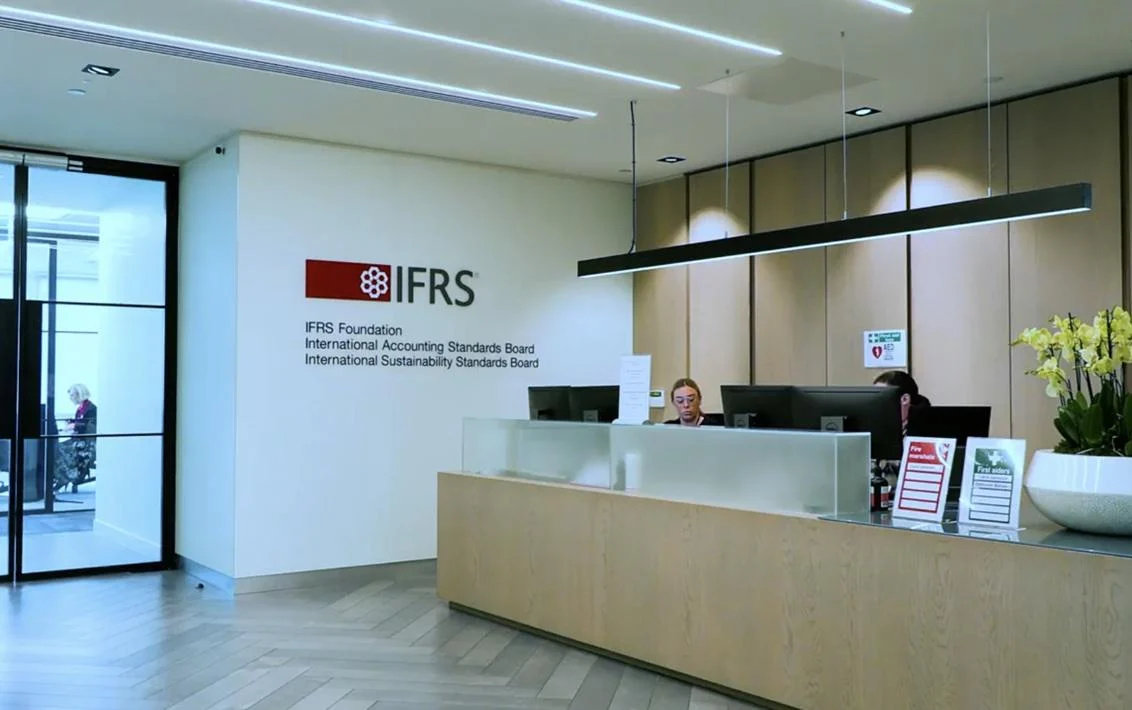
In a significant move toward the consolidation of the global sustainability reporting landscape, the IFRS Foundation and the Global Reporting Initiative (GRI) have released a comprehensive joint statement reaffirming their commitment to aligning their respective disclosure standards. This latest development marks a pivotal step in the ongoing effort to create a seamless, transparent, and comprehensive reporting system that serves both investors and broader stakeholders. By deepening the interoperability between the International Sustainability Standards Board (ISSB) and the Global Sustainability Standards Board (GSSB), the two organizations aim to reduce the reporting burden on corporations while enhancing the quality and comparability of environmental, social, and governance (ESG) data worldwide.
The joint statement outlines the specific technical areas where the GSSB and ISSB have been working to align their requirements. A primary focus of this collaboration is the identification of common disclosures—instances where the same data points can satisfy the distinct objectives of both standard-setters. This effort is particularly critical in high-priority areas such as climate change, nature-related risks, and sector-specific disclosures, where fragmentation has historically led to confusion and inefficiency in capital markets.
The Evolution of a Unified Global Baseline
The drive toward a unified reporting system gained significant momentum in November 2021, when the IFRS Foundation officially launched the International Sustainability Standards Board (ISSB) during the COP26 climate summit in Glasgow. The ISSB was established with a clear mandate: to develop a global baseline of sustainability-related financial disclosures that provide investors with material information regarding a company’s sustainability risks and opportunities.
Following its launch, the ISSB moved rapidly to consolidate other major frameworks, incorporating the Value Reporting Foundation (which housed the SASB Standards and the Integrated Reporting Framework) and the Climate Disclosure Standards Board (CDSB). In June 2023, the IFRS Foundation reached a major milestone by releasing its inaugural standards: IFRS S1 (General Requirements for Disclosure of Sustainability-related Financial Information) and IFRS S2 (Climate-related Disclosures). These standards focus on financial materiality, helping investors understand how sustainability factors impact a company’s cash flows, access to finance, and enterprise value.
While the ISSB focuses on the financial implications of sustainability, the GRI has long been the world’s leading standard-setter for impact materiality. GRI standards are designed to help organizations report on their most significant impacts on the economy, environment, and people, and how they contribute to sustainable development. Because many companies are increasingly expected to report on both their financial risks and their external impacts—a concept known as "double materiality"—the need for these two systems to work in tandem has become a top priority for regulators and preparers alike.
A Chronology of Collaboration and Interoperability
The relationship between the IFRS Foundation and GRI has matured through several key stages, reflecting the growing demand for a streamlined reporting architecture.
- March 2022: Initial Memorandum of Understanding. The two organizations signed a landmark agreement to coordinate their work programs and standard-setting activities. The goal was to ensure that the ISSB’s investor-focused standards and the GRI’s multi-stakeholder standards were compatible.
- June 2023: Release of IFRS S1 and S2. As the ISSB finalized its first standards, technical mapping began to ensure that companies using GRI could transition or align with IFRS requirements without starting from scratch.
- May 2024: Expanded Collaboration. The organizations announced a deepened commitment to jointly identify and align common disclosures. This phase focused on reducing "duplication, fragmentation, and complexity" for companies operating in multiple jurisdictions.
- September 2024: The Latest Joint Statement. Following a high-level meeting between ISSB Chair Emmanuel Faber and GSSB Chair Susanne Stormer, the organizations clarified how their standards complement each other and identified future workstreams for nature, labor, and sector-specific reporting.
Technical Alignment: GHG Emissions and Beyond
One of the most tangible examples of alignment highlighted in the new statement involves Greenhouse Gas (GHG) emissions. The statement notes that companies reporting under IFRS S2 are required to measure Scope 1, Scope 2, and Scope 3 emissions. By utilizing the Greenhouse Gas Protocol—a standard integrated into both frameworks—entities can simultaneously satisfy the requirements of GRI 305 (GRI’s emissions standard) and IFRS S2. This "report once, use twice" approach is a cornerstone of the interoperability project.
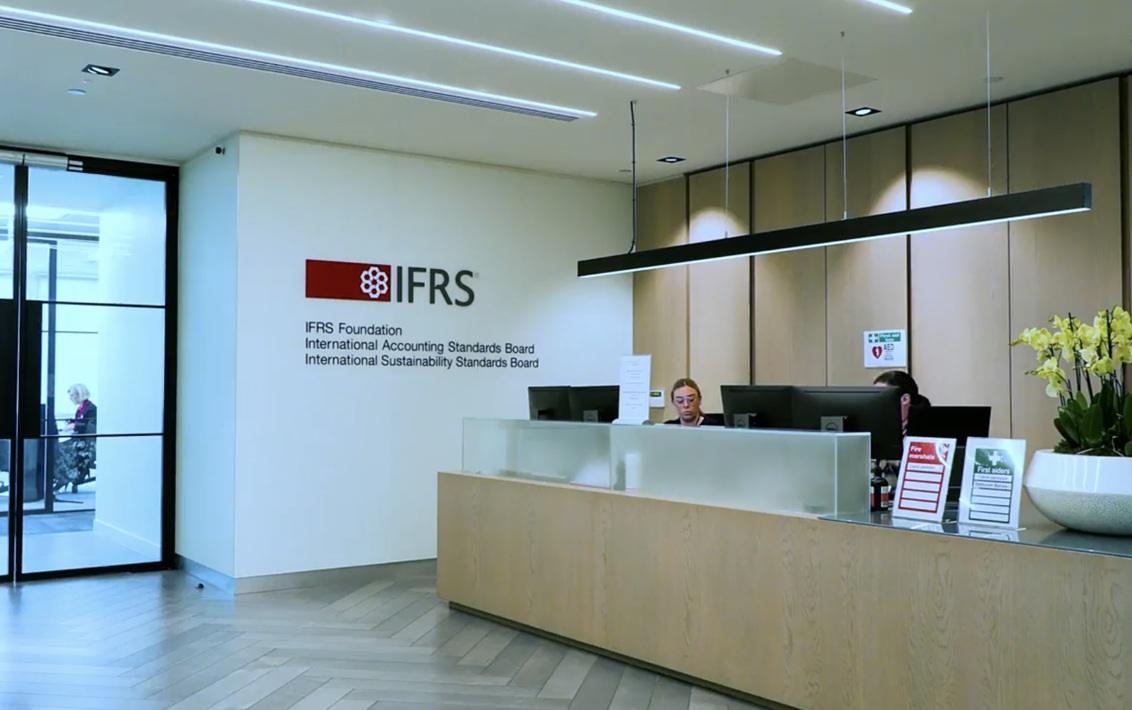
Beyond carbon metrics, the organizations are exploring how disclosures regarding climate transition plans and adaptation strategies can be harmonized. For instance, while IFRS S2 asks how a transition plan might affect a company’s financial position, GRI standards ask how that same plan impacts the broader environment and local communities. The joint statement emphasizes that these disclosures are complementary; the information provided under GRI can offer vital context to investors whose mandates extend beyond short-term financial returns to long-term systemic stability.
Expanding Focus: Nature, Human Capital, and Sector Standards
As the collaboration enters its next phase, several specialized areas have been identified for continued alignment:
Nature-Related Disclosures
With the increasing focus on biodiversity loss, the ISSB is currently researching nature-related reporting requirements. This work is being coordinated with the GRI and the Taskforce on Nature-related Financial Disclosures (TNFD). The goal is to ensure that as companies begin to report on their dependencies and impacts on nature, the metrics used are consistent across both financial and impact-focused reports.
Sector-Specific Standards
The GRI has an established suite of sector standards (such as those for Oil and Gas, Coal, and Agriculture), while the ISSB is working to enhance the sector-focused SASB Standards. The two boards are collaborating to ensure that these sector-specific requirements do not diverge, which would otherwise create significant hurdles for multinational corporations operating in highly regulated industries.
Human Capital and Labor
The ISSB recently added human capital to its research agenda, focusing on how workforce diversity, health and safety, and skills development affect corporate value. Simultaneously, the GRI is in the process of revising its labor-related standards. The joint statement confirms that the two boards will share research and draft requirements to ensure a cohesive approach to social disclosures.
Supporting Data: The Economic Necessity of Alignment
The push for alignment is driven by a stark reality: the cost of fragmented reporting is rising. According to various industry surveys, large multinational corporations can spend millions of dollars annually on ESG data collection and reporting across different frameworks. A 2023 study by the International Federation of Accountants (IFAC) found that while 95% of large companies now report some ESG data, the lack of standardization remains the primary barrier to data being used effectively by capital markets.
Furthermore, the adoption of ISSB standards is accelerating globally. More than 20 jurisdictions, representing over half of the global economy by GDP, have already taken steps to adopt or align their domestic reporting requirements with IFRS S1 and S2. These include the United Kingdom, Brazil, Japan, South Korea, and Singapore. In many of these regions, GRI remains the dominant framework for impact reporting. Without the interoperability reaffirmed in this joint statement, companies in these jurisdictions would face the prospect of managing two entirely separate sets of books for sustainability data.
Perspectives from Leadership
The leadership of both organizations has expressed a shared vision of a future where sustainability reporting is as rigorous and standardized as financial accounting.

Susanne Stormer, Chair of the GSSB, emphasized the empowerment of organizations through clarity. "I see the role of standard-setters as enabling organizations anywhere to determine what to disclose, for which purpose and audience, so they can report data that is meaningful, consistent and comparable," Stormer stated. She noted that the commitment to facilitate efficient disclosures is essential for helping companies navigate the complexities of modern stakeholder expectations.
Emmanuel Faber, Chair of the ISSB, highlighted the practical benefits of the partnership for the corporate world. "It was a pleasure to have a first substantial meeting with Susanne to discuss and advance our shared commitment to facilitate more efficient reporting," Faber said. "Our ongoing work will deliver tangible benefits for entities that use both GRI and ISSB Standards."
Broader Implications for the Global Market
The continued alignment of GRI and IFRS has profound implications for the global financial ecosystem. By creating a "comprehensive global baseline," the organizations are providing a clear pathway for regulators to mandate sustainability disclosures.
For investors, this alignment means access to more reliable and comparable data. When companies use consistent metrics for carbon emissions, water usage, and labor practices, investors can more accurately price risk and allocate capital toward sustainable enterprises. It also reduces the prevalence of "greenwashing," as standardized disclosures make it easier for analysts to verify corporate claims against standardized benchmarks.
For companies, the primary benefit is the reduction of the "reporting fatigue" that has plagued the ESG space for the last decade. A streamlined system allows firms to focus more on improving their sustainability performance and less on the administrative burden of navigating disparate reporting templates.
As the IFRS Foundation and GRI continue their technical work, the focus will remain on ensuring that the two systems are "interoperable in practice, not just in principle." The upcoming months are expected to see the release of further mapping documents and implementation guides that will provide companies with a clear roadmap for integrated reporting. This collaboration signals the end of the era of fragmented ESG standards and the beginning of a more mature, transparent, and efficient era of corporate accountability.
