

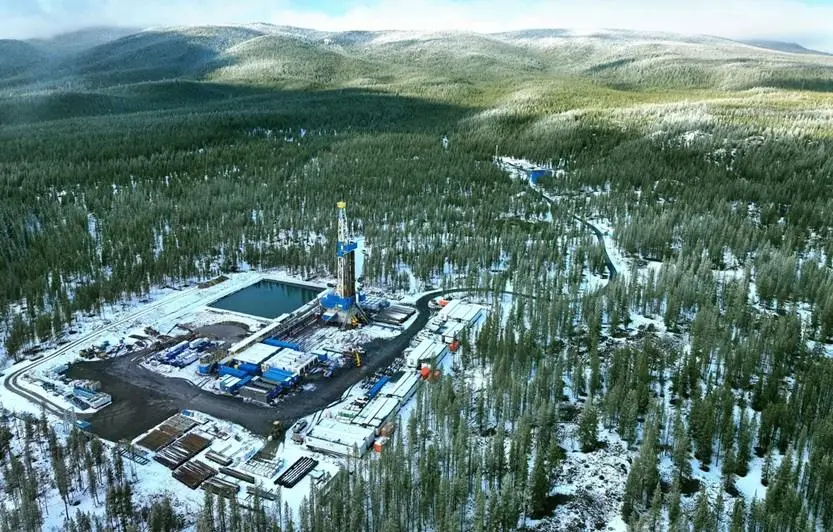
In a landmark move for the renewable energy sector, Google has officially entered into its first power purchase agreement (PPA) with Quaise Energy, a pioneer in superhot geothermal technology. This agreement focuses on sourcing carbon-free electricity from Quaise’s flagship "Project Obsidian" located in Central Oregon. The partnership aims to provide consistent, baseload clean energy to Google’s rapidly expanding network of data centers, with power delivery expected to commence as early as 2030. This deal represents a critical validation of enhanced geothermal systems (EGS) and signals a shift in how technology giants are addressing the massive energy requirements of the artificial intelligence era.
The Technological Frontier: Harnessing the Heat Beneath Our Feet
The core of the partnership lies in Quaise Energy’s revolutionary approach to geothermal extraction. Founded in 2018 as a spinout from the Massachusetts Institute of Technology (MIT), the Cambridge-based company is working to solve the fundamental limitation of traditional geothermal energy: accessibility. While conventional geothermal energy relies on naturally occurring hydrothermal reservoirs—pockets of hot water or steam close to the Earth’s surface—these resources are geographically scarce, often limited to volcanic regions or tectonic plate boundaries.
Quaise’s solution involves drilling significantly deeper than ever before to access "superhot" geothermal resources. At depths of 10 to 20 kilometers, the temperature of the Earth’s crust reaches upwards of 400°C to 500°C. At these temperatures, water enters a "supercritical" state, where it possesses the density of a liquid but the viscosity of a gas. Supercritical water can carry significantly more energy than traditional steam, potentially allowing a single geothermal well to produce up to ten times the power output of a standard geothermal well.
To reach these depths, where traditional mechanical drill bits would melt or fail due to extreme pressure, Quaise utilizes a millimeter-wave drilling system. This technology, adapted from high-power vacuum electronics used in nuclear fusion research, employs a gyrotron to beam electromagnetic energy. This energy effectively vaporizes the rock, allowing the company to penetrate the basement rock that has previously been an impenetrable barrier to the clean energy industry.
Project Obsidian: A Phased Approach to Scaling Superhot Energy
Under the terms of the agreement, Google will purchase 50 megawatts (MW) of power from Project Obsidian. The project is situated on federal geothermal leases within the Deschutes National Forest in Oregon, a region known for its significant geothermal potential. The development of Project Obsidian is designed in two distinct phases to manage technical risk while pushing the boundaries of innovation.
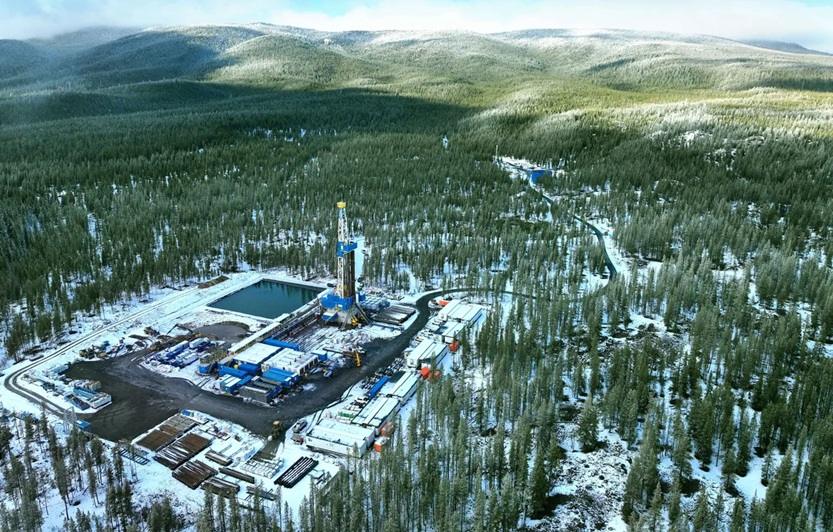
The initial phase of the project will utilize advanced but conventional drilling technologies to tap into geothermal conditions at a commercial scale. This phase serves as a proof-of-concept for the reservoir management and power conversion systems. The subsequent phase is slated to be a global first, integrating Quaise’s proprietary millimeter-wave drilling technology to access the deeper, superhot rock layers. By transitioning from conventional to millimeter-wave drilling on the same site, Quaise intends to demonstrate a clear path toward the "geothermal everywhere" vision, where high-density power plants can be sited regardless of local geography.
The choice of Oregon is strategic. The state has a long history of geothermal exploration and a regulatory environment that is increasingly supportive of renewable energy infrastructure. By locating Project Obsidian in the Pacific Northwest, Quaise and Google can tap into existing regional grid infrastructure while providing a stable, carbon-free alternative to the fossil fuel plants that have historically balanced the region’s intermittent hydro and wind power.
Google’s Strategic Pivot: Addressing the AI Energy Surge
For Google, the deal with Quaise is more than a standard environmental initiative; it is a strategic necessity driven by the explosive growth of artificial intelligence. In its 2025 Environmental Report, Google disclosed a 37% year-over-year increase in electricity demand, a direct consequence of the massive computing power required to train and run generative AI models.
While Google has been a leader in the corporate purchase of wind and solar energy for over a decade, those intermittent sources present challenges for data centers that require 24/7 "five-nines" reliability. To meet its goal of operating on 24/7 carbon-free energy (CFE) on every grid where it operates by 2030, Google has begun diversifying its portfolio into "firm" clean energy sources—technologies that can provide power around the clock regardless of weather conditions.
The Quaise agreement follows Google’s record-breaking 396 MW deal with Fervo Energy, another leader in the EGS space. However, while Fervo focuses on horizontal drilling and hydraulic fracturing techniques adapted from the oil and gas industry, Quaise’s superhot approach represents the next frontier of energy density. By supporting multiple geothermal pathways, Google is effectively de-risking its future energy supply and helping to bring down the levelized cost of energy (LCOE) for the entire geothermal sector.
Comparative Analysis: Superhot Geothermal vs. Traditional Renewables
The implications of successful superhot geothermal deployment are profound when compared to the current renewable landscape. One of the primary criticisms of large-scale solar and wind farms is their massive land footprint and the requirement for extensive battery storage to manage intermittency.

A superhot geothermal plant, by contrast, has a land footprint comparable to a small fossil fuel plant but operates with a capacity factor often exceeding 90%. Because the heat source is the Earth itself, the "fuel" is inexhaustible and immune to geopolitical supply chain disruptions. Furthermore, superhot geothermal plants can utilize the same steam turbines and power conversion infrastructure as retiring coal and gas plants. This creates a "just transition" opportunity, where existing power plant sites can be repurposed, and the existing workforce of drillers and plant operators can be transitioned into the clean energy economy.
According to industry data, if superhot geothermal technology can be scaled, it could potentially supply a significant portion of the world’s baseload power. Quaise estimates that tapping just a fraction of the Earth’s internal heat could meet global energy demands for millions of years.
Official Responses and Economic Impact
Carlos Araque, CEO and President of Quaise Energy, emphasized the historic nature of the partnership, stating that the agreement marks a critical next step for the entire clean energy sector. He noted that the collaboration with Google provides the "commercial foundation" necessary to prove that superhot geothermal is not just a laboratory experiment, but a viable utility-scale solution.
Lucia Tian, Head of Advanced Energy Technologies at Google, highlighted the local benefits of the project. She noted that Google’s data centers are long-term community investments, and by fueling local economic growth through Project Obsidian, the company is helping to build a "more robust and affordable energy future for Oregon."
Beyond the direct power purchase, the project is expected to create hundreds of high-skilled jobs in Central Oregon, ranging from geothermal engineers and geologists to construction and maintenance crews. It also cements the United States’ position as a leader in geothermal innovation, a field where it currently competes with nations like Iceland and Kenya, but with a technological edge in deep-crust penetration.
Broader Implications for the Global Energy Transition
The success of the Google-Quaise partnership could trigger a wave of similar investments from other hyperscale cloud providers, such as Microsoft and Amazon, who are facing similar pressures to decarbonize their energy-intensive operations. As these companies compete for a limited supply of 24/7 carbon-free energy, the capital infusion into the geothermal sector is likely to accelerate.

However, challenges remain. Drilling to depths of 20 kilometers involves navigating extreme pressures and temperatures that test the limits of materials science. There are also regulatory hurdles regarding the injection of fluids into deep crustal layers and the management of induced seismicity—a concern that has affected previous EGS projects. Quaise and Google have indicated that Project Obsidian will adhere to the highest environmental and safety standards, utilizing advanced monitoring systems to ensure reservoir stability.
As the world looks toward 2030, the development of Project Obsidian will be watched closely by energy ministers and climate scientists alike. If Quaise can successfully demonstrate that millimeter-wave drilling can unlock the "heat beneath our feet" at a competitive price point, it may very well represent the "Holy Grail" of the energy transition: a carbon-free, baseload power source that can be deployed anywhere on the planet.
The agreement between Google and Quaise Energy is more than a contract for 50 megawatts; it is a bet on the future of planetary-scale energy. By moving from the surface-level renewables of the past to the deep-earth energy of the future, these two entities are charting a course toward a grid that is not only clean but also resilient enough to power the next generation of technological advancement.
