

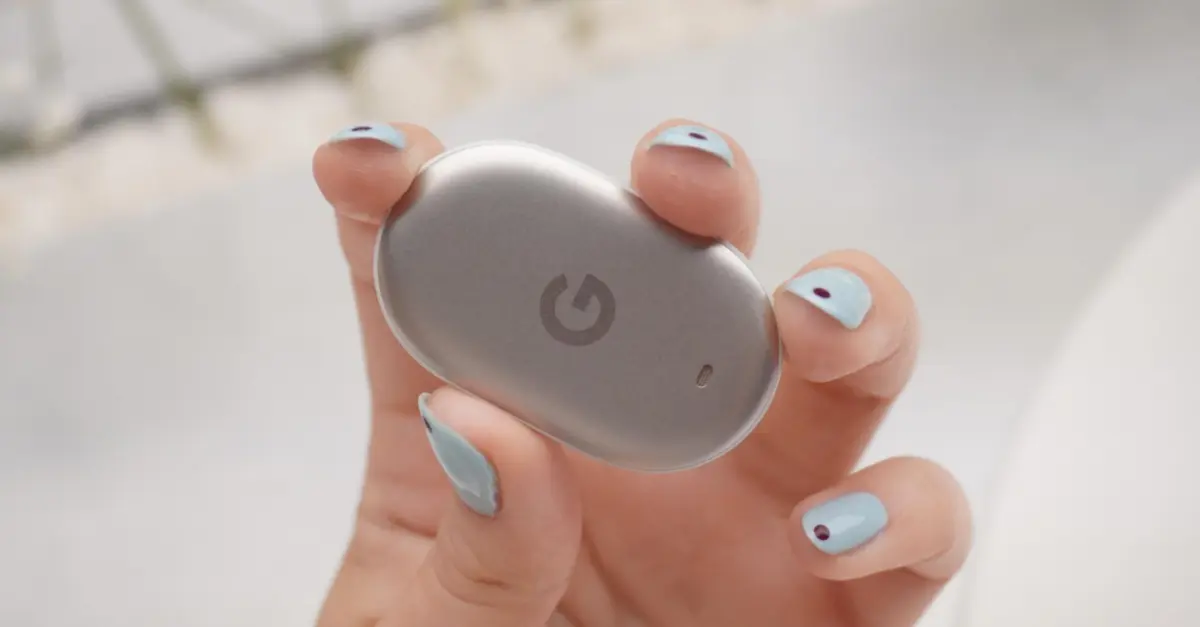
The release of the Google Pixel Tag marks a significant milestone in the evolution of the Android ecosystem, providing a native hardware solution for the revamped Find My Device network. Originally announced during the Google I/O developer conference, the Pixel Tag represents Google’s direct answer to Apple’s AirTag and Samsung’s Galaxy SmartTag series. While the device promises to integrate seamlessly with the billions of Android devices worldwide, technical documentation reveals a significant hardware divide. The most advanced features of the Pixel Tag, specifically those related to high-precision location tracking, are restricted to a new generation of smartphones equipped with Bluetooth 6.0 and Ultra-Wideband (UWB) technology. This requirement effectively limits the full utility of the tracker to premium flagship devices released in 2025 and beyond, creating a tiered experience for the broader Android user base.
The Evolution of the Android Find My Device Ecosystem
The journey to the Pixel Tag’s release has been characterized by a multi-year effort to modernize how Android users track lost items. For years, Android’s tracking capabilities lagged behind Apple’s proprietary "Find My" network, which leverages a dense mesh of iPhones to locate lost items even when they are offline. Google’s initiative to build a comparable crowdsourced network was first detailed in early 2023, but the rollout faced several delays.
The primary cause for the delay was a joint effort between Google and Apple to establish an industry standard for unwanted tracking alerts. Both companies sought to ensure that Bluetooth trackers could not be used for stalking, regardless of which mobile operating system a person used. Following the finalization of these safety protocols in mid-2024, Google officially activated its Find My Device network, paving the way for third-party manufacturers like Chipolo and Pebblebee, and finally, Google’s own first-party hardware.
The Pixel Tag is designed to be the flagship hardware for this network. Unlike third-party trackers that often rely on specific apps or limited integrations, the Pixel Tag is deeply embedded into the Android system level. However, the hardware requirements listed in Google’s technical footnotes suggest that the "seamless" experience is highly dependent on the age and specifications of the user’s smartphone.
The Significance of Bluetooth 6.0 and Channel Sounding
The most notable technical hurdle for Pixel Tag users is the requirement for Bluetooth 6.0. While the tracker is backwards compatible with older versions of Bluetooth for basic proximity sensing, its "precision finding" capabilities—the ability to see the exact distance and direction of an item—rely on a feature known as Bluetooth Channel Sounding.
Bluetooth Channel Sounding is a transformative technology introduced with the Bluetooth 6.0 specification. Previous iterations of Bluetooth estimated distance using Received Signal Strength Indicator (RSSI), which measures how strong a signal is to guess how far away a device might be. RSSI is notoriously unreliable, as physical obstacles like walls, furniture, or even human bodies can weaken the signal, leading to inaccurate distance readings.
In contrast, Channel Sounding uses Phase-Based Ranging (PBR). This method calculates distance by measuring the phase of the radio signal across different frequencies. It is significantly more accurate and secure, providing decimeter-level precision. This technology allows the Pixel Tag to communicate its exact coordinates to a smartphone with a high degree of confidence. According to Google’s specifications, users with phones lacking Bluetooth 6.0 will be unable to access the directional "hot or cold" interface, nor will they be able to use certain advanced features like custom naming or remote pinging in the same high-fidelity manner.
Hardware Compatibility and the UWB Requirement
The rollout of Bluetooth 6.0 began in earnest in early 2025. As of the current market cycle, the list of compatible devices remains exclusive to high-end flagship models. The Samsung Galaxy S26 Plus and Galaxy S26 Ultra were among the first to ship with the necessary hardware. Google’s own lineup, including the Pixel 10 and Pixel 11 series, also supports the standard.
However, the hardware requirements extend beyond just the Bluetooth version. For short-range precision finding—specifically the final few feet of a search—the system utilizes Ultra-Wideband (UWB) technology. While Bluetooth 6.0 handles the mid-range direction and distance, UWB provides the "centimeter-level" accuracy required to find a set of keys hidden under a couch cushion.

A significant point of contention in the Android market is the inconsistent inclusion of UWB chips. While Apple includes UWB chips in every iPhone model from the iPhone 11 onwards (excluding the SE), the Android market is fragmented. Google’s base-model Pixel phones often omit the UWB chip, reserving it for the "Pro" and "Fold" models. Similarly, Samsung excludes UWB from its base Galaxy S-series, its popular A-series mid-rangers, and the Galaxy Z Flip series. This means that even a user with a brand-new 2025 smartphone might still find themselves with "diminished functionality" if they opted for a non-Pro or base-tier device.
Functional Limitations for Older Devices
For the hundreds of millions of users currently operating devices with Bluetooth 5.3 or 5.4, the Pixel Tag functions as a standard, legacy Bluetooth tracker. The technical documentation indicates that on devices running Android 9.0 but lacking Bluetooth 6.0, the following features are unsupported:
- Precision Directional Finding: Users will not see an arrow pointing them toward their lost item.
- Distance Measurement: The app will not provide a real-time countdown of feet or meters to the object.
- Enhanced Pinging: The ability to trigger a high-accuracy audible alert when the device is not in the immediate line of sight may be limited or less responsive.
- Advanced Customization: Certain software-side features, such as specific custom naming conventions and integrated smart home triggers, are reportedly tied to the newer hardware handshake protocols.
This creates a scenario where the Pixel Tag, priced at approximately $30, may not offer a better experience than cheaper alternatives from Tile or Chipolo for users who are not planning to upgrade their phones within the next year.
Market Analysis and Competitive Implications
Industry analysts view the Pixel Tag’s hardware requirements as a strategic move by Google to encourage hardware upgrades and define a "premium" tier within the Android ecosystem. By tethering the best tracking features to Bluetooth 6.0 and UWB, Google is aligning its hardware and software roadmaps to compete more directly with Apple’s tightly integrated "walled garden."
"The challenge for Google has always been the sheer variety of Android hardware," says technology analyst Marcus Thorne. "By setting a high bar for the Pixel Tag’s best features, Google is essentially telling its users that if they want the best possible experience, they need to stay within the flagship tier. This is a departure from the traditional Android philosophy of broad compatibility, but it is a necessary step if they want to match the precision of Apple’s AirTag."
Furthermore, the introduction of the Pixel Tag is expected to pressure other manufacturers to adopt Bluetooth 6.0 more rapidly. As the Find My Device network becomes a more central part of the mobile experience, features like precision finding will move from "luxury" to "standard" expectations.
Security and Privacy Protocols
Despite the hardware limitations, Google has emphasized that the security and privacy features of the Pixel Tag remain consistent across all supported Android devices. The tracker utilizes end-to-end encryption for location data, meaning that only the owner of the tag can see its location. Google does not have access to the identity of the devices in the mesh network that help locate a lost tag.
Additionally, the Pixel Tag incorporates the newly standardized "Unwanted Tracker Alerts." If a Pixel Tag that does not belong to the user is detected moving with them over time, their Android or iOS device will issue a notification. This cross-platform compatibility is a result of the collaboration between Google and Apple and is seen as a vital safeguard in the modern tracking landscape.
Conclusion and Consumer Outlook
The Google Pixel Tag is a powerful addition to the Android toolkit, but it arrives with significant caveats. It represents the "gold standard" for tracking within the Google ecosystem, yet its most impressive features are currently locked behind a hardware barrier that many users have yet to cross.
For owners of the Pixel 10 Pro, Samsung Galaxy S26 Ultra, or subsequent flagship models, the Pixel Tag offers a tracking experience that finally rivals the best in the industry. However, for the vast majority of Android users currently using mid-range or older flagship devices, the Pixel Tag is a promise of future utility rather than an immediate upgrade. As Bluetooth 6.0 and UWB become more common in the coming years, the Pixel Tag will likely become a ubiquitous accessory, but for now, it remains a premium tool for the early adopters of the latest mobile technology. Consumers are advised to verify their device’s Bluetooth and UWB specifications before investing in multiple units, as the difference between "basic tracking" and "precision finding" is, in this case, a matter of generational hardware.
