

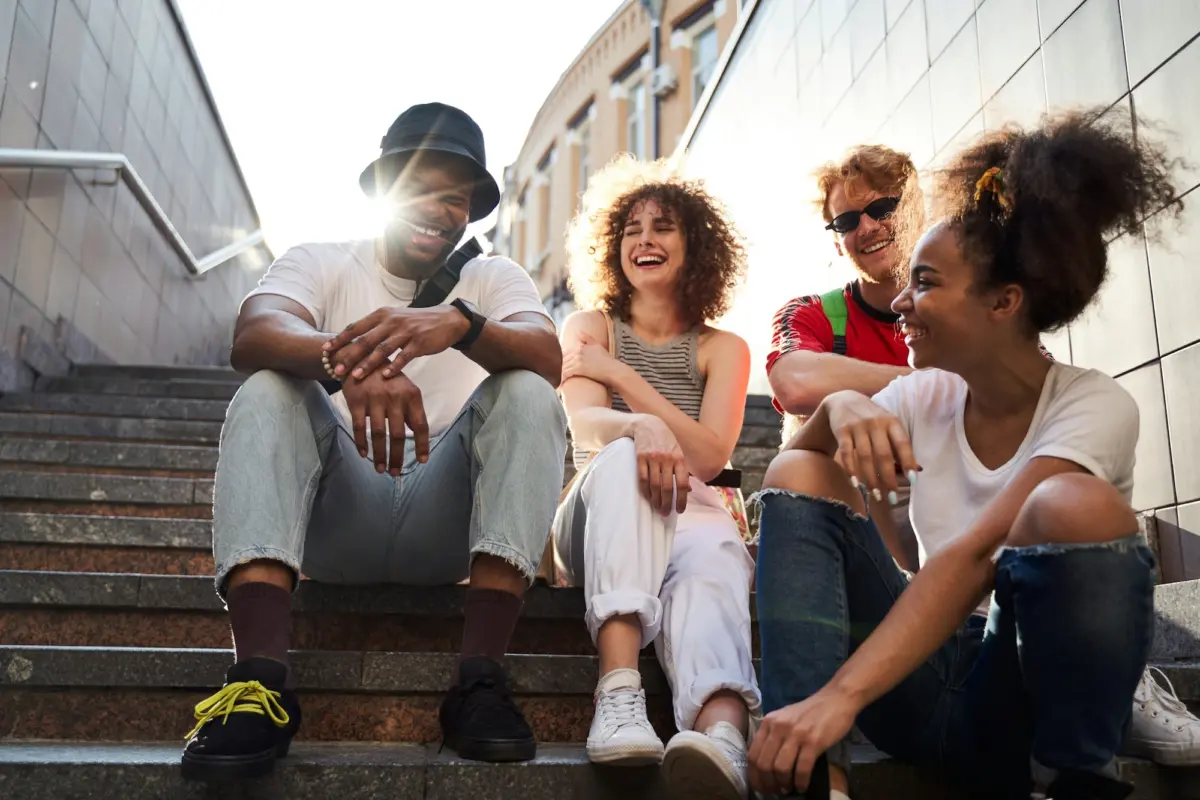
As the United States approaches the 2026 midterm elections, the political landscape is being increasingly defined by the emergence of Generation Z as a formidable electoral force. This demographic, comprising individuals aged 18 to 29, now includes approximately 50 million eligible voters. Despite their growing numbers and the potential to dictate the direction of national policy, Gen Z continues to navigate a complex web of systemic barriers, economic anxieties, and a profound sense of disillusionment with the democratic process. While historical data suggests that younger voters participate at lower rates than their older counterparts, recent polling indicates a potential shift in behavior that could see 2026 turnout exceed even the record-breaking figures of the 2024 presidential cycle.
The Participation Gap and Systemic Obstacles
Historically, the youth vote has been characterized by a significant gap between eligibility and actual turnout. In the 2022 midterm elections, less than one-third of eligible voters under 30 cast a ballot. Even in the high-stakes 2024 presidential election, over half of the 18-to-29 demographic did not participate. While critics often attribute this to apathy or "voter indifference," civil rights advocates and political scientists point to a more nuanced reality defined by logistical hurdles that disproportionately affect young, mobile populations.
One of the primary obstacles is the high frequency of relocation among young adults. According to data from the U.S. Census Bureau, the average American moves residences approximately 12 times over their lifetime, with the majority of these moves occurring before the age of 45. For students, early-career professionals, and those in military service, frequent changes in address necessitate constant re-registration. In many jurisdictions, the process of updating voter records is not automatic, creating a bureaucratic friction point that can discourage participation.
Furthermore, the "transience of youth" often clashes with stringent state-level registration requirements. Many college students or young adults on gap years maintain their childhood homes as their permanent addresses for tax and licensing purposes. When attempting to vote in their current city of residence, they often encounter conflicting requirements regarding residency proof, which can lead to registration denials or the requirement to use provisional ballots, which are subject to higher rates of rejection.
The Rising Wall of Voter Identification Laws
The legal landscape surrounding voter identification has become increasingly restrictive over the last decade. Currently, 36 states require some form of identification at the polls, and roughly two dozen of these states refuse to accept out-of-state driver’s licenses. For a generation that is more likely to move across state lines for education or employment, these laws present a significant barrier.
The challenge is further compounded by recent legislative efforts to restrict the types of identification accepted. In states like New Hampshire and Florida, new regulations have banned the use of student IDs for voting purposes ahead of the 2026 midterms. Advocates argue that these measures specifically target campus populations. In response, groups such as the NAACP Youth Chapters have initiated litigation, alleging that these bans constitute a form of youth voter suppression.
Beyond photo IDs, several states have moved to require documentary proof of citizenship, such as a birth certificate or a passport, during the registration process. Research from the University of Maryland’s Center for Democracy and Civic Engagement (CDCE) highlights that young people are the least likely to have these documents readily available. The impact is even more pronounced among specific sub-groups, including veterans, young people of color, individuals from low-income households, and youth aging out of the foster care system, who may lack the familial support or financial means to secure official documentation.
The Geographic Battleground: Campus Polling and Gerrymandering
The physical availability of polling places is another critical factor influencing Gen Z turnout. Recent years have seen a trend of closing or restricting polling sites on college campuses, forcing students to travel long distances to exercise their rights. A prominent example occurred at North Carolina Agricultural and Technical State University, a historically Black college (HBCU), where students were denied an early-voting site on campus. In October 2024, hundreds of students marched for over 40 minutes to the nearest polling station to protest what they viewed as deliberate disenfranchisement.
Jonathan Becker, a voting rights scholar and acting president of Bard College, suggests that these tactics are not accidental. Becker notes that the systems historically used to exclude marginalized communities, such as gerrymandering and stringent registration requirements, are increasingly being applied to the youth vote. This targeting often intensifies during periods of high political competition, where the youth vote has the potential to act as a "swing" demographic in key battleground districts.
Economic Disillusionment and the Cost of Living
While logistical barriers hinder the "how" of voting, economic and social issues define the "why." Gen Z enters the 2026 cycle with a profound sense of dissatisfaction regarding the nation’s trajectory. A 2026 poll conducted by Unite for Reproductive & Gender Equity and HIT Strategies found that 83 percent of Gen Z voters are dissatisfied with the current state of the country.

At the forefront of this discontent is the rising cost of living. Young adults are facing a unique economic pincer movement characterized by high inflation, skyrocketing housing costs, and stagnant entry-level wages. The poll revealed that 81 percent of respondents are "very" or "somewhat motivated" to vote specifically because of concerns over economic stability. However, this motivation is tempered by a deep-seated cynicism regarding the influence of corporate power. Nearly half (49 percent) of Gen Z voters cited the outsized influence of corporations and ultra-wealthy donors as a primary reason for feeling less motivated to participate in the democratic process, viewing the government as unresponsive to the needs of the working class.
Social Values and Reproductive Rights as Catalysts
Despite their economic pessimism, Gen Z remains highly engaged with social justice and civil rights issues. Reproductive autonomy has emerged as a primary driver of political engagement following the overturning of Roe v. Wade. Polling indicates that 83 percent of Gen Z voters are concerned about abortion restrictions, with 77 percent expressing fear that they or their loved ones will be personally impacted by limits on reproductive healthcare.
In addition to reproductive rights, the demographic shows high levels of concern across several other policy areas:
- Immigration: 80 percent expressed concern over federal immigration tactics and 79 percent over discrimination against immigrants.
- DEI and Civil Rights: 78 percent are concerned about the dismantling of diversity, equity, and inclusion (DEI) policies in both public institutions and the private sector.
- LGBTQ+ Rights: 78 percent expressed significant concern regarding discrimination against transgender individuals.
These issues suggest that while Gen Z may be skeptical of the system’s ability to provide economic relief, they view the ballot box as a defensive tool to protect civil liberties and social progress.
The Paradox of Pessimism vs. Participation
One of the most striking aspects of Gen Z’s political profile is the "participation paradox." While a majority of young people believe the system is broken, their intent to vote is rising. September 2024 polling from UNICEF USA found that while two-thirds of young people aged 18 to 22 feel their opinions do not matter to elected officials, more than 60 percent of those eligible plan to vote in the midterms—a 15-point increase over the previous cycle.
This trend is corroborated by Tufts University’s CIRCLE (Center for Information & Research on Civic Learning and Engagement), which found that 56 percent of voters under 30 are "extremely likely" to vote in 2026. This suggests that Gen Z is moving from a state of "unconvinced" to "determined," viewing participation not as an endorsement of the current system, but as a necessary intervention.
Shifting Political Allegiances
The political identity of Gen Z is also proving to be more volatile than previous generations. While young voters were credited with providing a surprise boost to Donald Trump in the 2024 election—driven in part by the influence of alternative media and figures like Joe Rogan—that support appears to be fragile.
Barely a year into the current administration, polling showed a dramatic shift. Gen Z’s approval of the executive branch plummeted from a +10 rating in early 2025 to -32 by the start of 2026, representing a 42-point drop in just 12 months. This volatility indicates that Gen Z is not inherently loyal to any one party or figure; rather, their support is conditional and highly sensitive to immediate economic outcomes and policy shifts.
Implications for the 2026 Midterms and Beyond
As the 2026 midterm elections approach, the role of Gen Z will be pivotal. Their sheer numbers—50 million strong—mean that even a moderate increase in turnout could flip control of the House or Senate. However, the outcome will depend on whether the momentum seen in recent polls can overcome the "documentation and residency" hurdles that have historically suppressed the youth vote.
Political analysts suggest that the 2026 cycle will serve as a litmus test for both major parties. For Democrats, the challenge lies in convincing young voters that the party can deliver on economic relief and protect social freedoms. For Republicans, the task is to recapture the anti-establishment energy that resonated with young men in 2024, while navigating the demographic’s widespread opposition to restrictive social policies.
Ultimately, the message from America’s youngest voters is clear: they are engaged, they are concerned, and they are increasingly willing to navigate a difficult voting process to make their voices heard. As UNICEF USA summarized, "Youth aren’t disengaged—they’re unconvinced." The 2026 midterms will reveal which political forces, if any, can finally convince this critical generation that their participation can lead to tangible change.
