

The International Energy Agency (IEA) has released a comprehensive Energy Policy Review for 2026, highlighting Spain’s remarkable transformation into a global leader in renewable energy while cautioning that the next phase of the nation’s transition requires a drastic acceleration in electrification. According to the report published on October 5, 2026, Spain’s strategic pivot toward wind and solar power has already yielded significant dividends in energy security, economic competitiveness, and carbon reduction. However, the agency warns that the benefits of this "green miracle" risk being bottled up in the power sector unless the country can successfully transition its transport, heating, and industrial processes to run on the clean electricity it is now producing in record quantities.
Between 2015 and 2025, Spain underwent one of the most rapid energy transformations in Europe. The share of renewables in the national electricity mix surged from 35% to 56%, a feat that contributed to a 20% reduction in total greenhouse gas emissions over the same period. This shift was not merely an environmental success; it was an economic necessity. The IEA notes that without the vast expansion of solar and wind capacity, Spain’s natural gas imports for power generation would have been nearly 40% higher in 2024 alone, costing the national economy an additional USD 26 billion. Despite these gains, the report underscores a persistent vulnerability: nearly 70% of Spain’s total energy consumption still relies on imported fuels, primarily due to the slow pace of decarbonization in sectors outside of electricity generation.
A Decade of Decarbonization: The Path to 56% Renewables
The chronology of Spain’s energy evolution is marked by aggressive policy frameworks and a commitment to social equity. Following the global financial shifts of the mid-2010s, Spain moved to dismantle barriers to self-consumption and implemented the "Just Transition Strategy." This framework was designed to ensure that the move away from coal and intensive fossil fuel use did not leave regional economies behind. By linking clean energy investment with job creation and regional development, Spain managed to maintain high levels of public support for the transition, even as older thermal plants were decommissioned.
By 2024, the "Iberian Exception"—a regulatory mechanism that allowed Spain and Portugal to cap the price of gas used for electricity generation—had evolved into a permanent structural advantage. This allowed Spain to decouple its electricity prices from volatile international gas markets more effectively than many of its northern European neighbors. The 2026 IEA report confirms that this price stability has become a cornerstone of Spanish industrial competitiveness, attracting energy-intensive industries looking for long-term price certainty.
However, the rapid growth of intermittent renewables like solar and wind has created new technical challenges. The Spanish grid, once a centralized system designed for coal and nuclear baseload, has had to adapt to a decentralized and fluctuating supply. The IEA notes that while Spain has made significant strides in grid management, the current infrastructure is nearing its limits. To integrate the next wave of renewable capacity, the country must now pivot from mere generation to sophisticated system flexibility.
The Electrification Gap: Transport and Industry Challenges
The core of the IEA’s 2026 critique lies in the disparity between green electricity production and actual electricity consumption. Currently, electricity accounts for only 25% of Spain’s final energy consumption. This figure is significantly lower than the government’s stated target of 35% by 2030. The "electrification gap" represents a major bottleneck; while the grid is becoming cleaner, the vehicles on the road and the boilers in buildings remain largely tethered to petroleum and natural gas.
In the transport sector, the uptake of electric vehicles (EVs) has been slower than anticipated. While Spain is a major European hub for automotive manufacturing, domestic adoption has lagged due to a combination of high upfront costs and a charging infrastructure that is still maturing. The IEA specifically highlights the need for corporate fleet electrification, which could serve as a catalyst for the broader second-hand EV market.
Similarly, the residential and industrial sectors remain heavily reliant on fossil fuel heating. The report points out that the high upfront cost of industrial heat pumps and deep building retrofits remains a barrier for many small and medium-sized enterprises (SMEs). Furthermore, a complex web of taxes and levies has historically kept retail electricity prices high relative to fossil fuels, inadvertently discouraging consumers from switching to electric alternatives. The Spanish government has begun to address this by announcing the abolition of the tax on electricity production in 2026, a move the IEA praises as a vital step toward rebalancing energy price dynamics.

Grid Modernization and the Role of Storage
To handle a renewable share that is expected to exceed 70% by the end of the decade, Spain is launching a new wave of reforms focused on storage and demand-side flexibility. The IEA emphasizes that the "generation-only" mindset must be replaced by a "system-integrated" approach. This includes the deployment of utility-scale battery storage, pumped hydro projects, and the implementation of smart grid technologies that allow consumers to adjust their usage based on real-time supply.
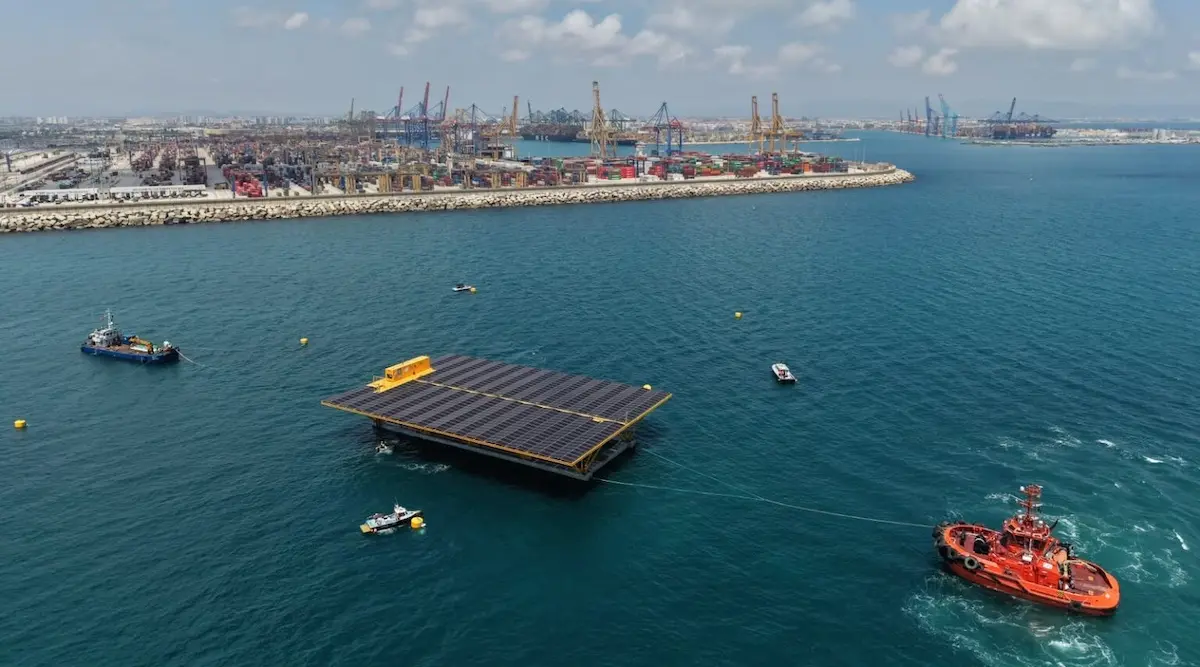
The Port of Valencia, often cited as a model for industrial decarbonization, serves as a primary example of how localized grid modernization can work. By integrating hydrogen production, shore-to-ship power, and localized renewable generation, the port has demonstrated that heavy infrastructure can transition to a high-electricity model while maintaining operational efficiency. The IEA suggests that such "industrial hubs" should be replicated across the country to absorb excess renewable generation during peak hours.
Navigating the Nuclear Phase-Out
One of the most delicate aspects of Spain’s energy strategy is the planned phase-out of its nuclear fleet. Nuclear power currently provides a steady, carbon-free baseload that complements the variable nature of wind and solar. However, the Spanish government has committed to a gradual shutdown of nuclear plants starting in the late 2020s.
The IEA report highlights the recent decision to extend the lifetime operation of the Almaraz nuclear power plant as a pragmatic move to ensure security of supply during the transition. Nevertheless, the agency recommends that Spain implement a more transparent, case-by-case framework for future nuclear decisions. This framework should balance the costs of maintenance and safety upgrades against the systemic need for baseload power, ensuring that the phase-out does not lead to a temporary resurgence in gas-fired generation.
Economic Implications and the USD 26 Billion Dividend
The economic data provided in the review paints a clear picture of the stakes involved. The USD 26 billion saved in avoided gas imports in 2024 represents a massive transfer of wealth from foreign energy exporters back into the Spanish economy. These savings have the potential to fund the very electrification efforts the IEA is calling for.
Economists and industry analysts have reacted to the report by emphasizing the "competitive edge" Spain now possesses. By producing electricity at a lower marginal cost than its fossil-fuel-dependent peers, Spain is positioned to become a "green hydrogen" hub for Europe. The IEA notes that if Spain can successfully link its renewable surplus to hydrogen electrolyzers, it could decarbonize heavy industries—such as steel and cement—that are difficult to electrify directly.
Conclusion: A Blueprint for the Global Energy Transition
The IEA’s 2026 review concludes that Spain’s progress offers a blueprint for other nations, but also a cautionary tale about the complexities of a total energy overhaul. The transition is no longer just about building more wind turbines or installing more solar panels; it is about rewriting the economic and technical rules of how energy is consumed.
"Spain has proven that rapid decarbonization of the power sector is possible and economically beneficial," the report concludes. "The next test will be to turn this progress into a fully integrated, flexible, and resilient energy system. By accelerating electrification, modernizing grids, and unlocking flexibility, Spain can secure its position as a clean energy superpower while providing valuable lessons for the rest of the world."
The findings of the Oct. 5 report are expected to inform the Spanish government’s upcoming revisions to its National Integrated Energy and Climate Plan (PNIEC). As the 2030 deadline approaches, the focus in Madrid is shifting from the mountains where the wind turbines stand to the cities and factories where the electricity must now be put to work. The success of this next phase will determine whether Spain’s renewable leadership translates into a permanent, economy-wide competitive advantage.
