

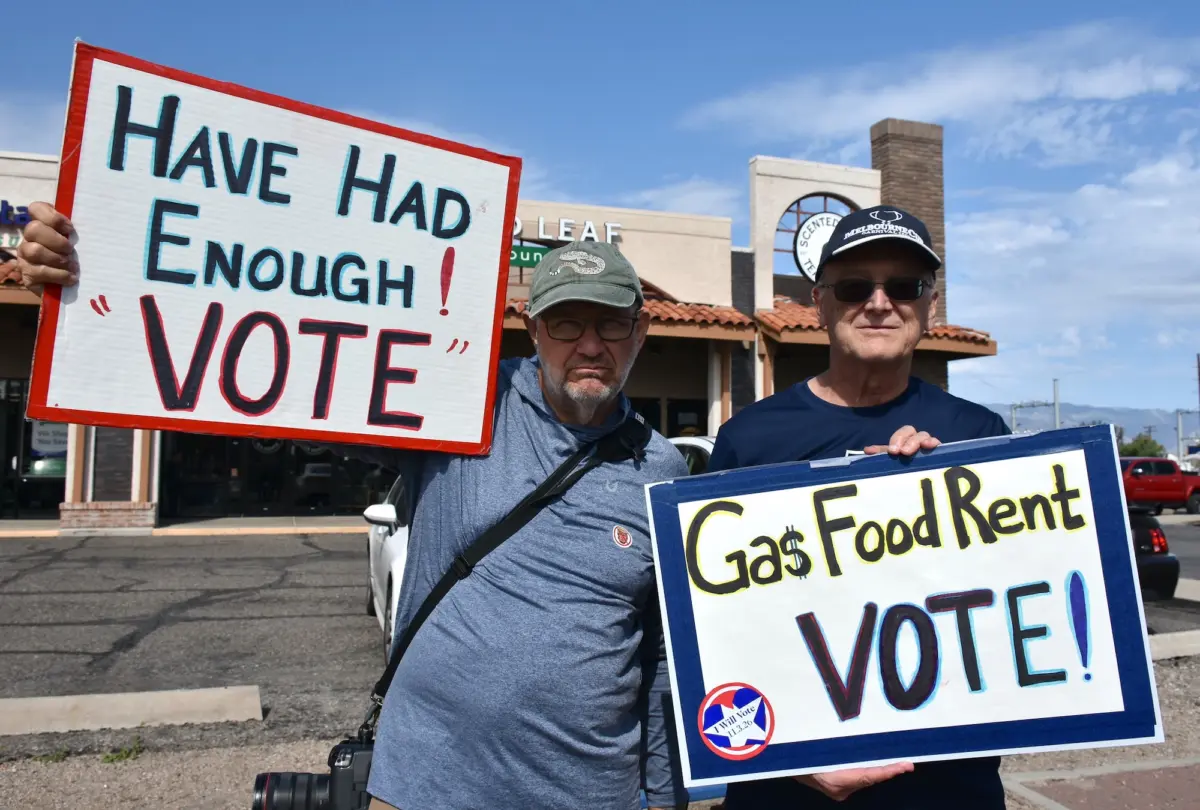
As the 2026 United States midterm elections progress, the political landscape is being shaped by a complex interplay between traditional national narratives and a burgeoning array of hyper-local concerns. While macroeconomic indicators, such as the cost of living and the resilience of the labor market, remain primary drivers for the electorate, a granular analysis of swing states and key districts reveals that local issues—ranging from environmental health crises to the physical placement of industrial infrastructure—are exerting a decisive influence on voter behavior. Often overshadowed by the rhetoric of national party leaders, these localized grievances are mobilizing demographics that have historically been difficult to poll, potentially shifting the balance of power in both statehouses and the federal legislature.
The Environmental Health Crisis in the Midwest
In Iowa, a state that has trended increasingly Republican over the last decade, a public health crisis has emerged as a central pillar of the 2026 gubernatorial and legislative races. The state currently faces one of the highest cancer rates in the nation, a statistic that environmental advocates and public health researchers have linked to the intensive use of agricultural chemicals, including nitrates from fertilizers and various pesticides.
The political fallout of this environmental concern has been non-traditional. While Democrats have long championed stricter environmental regulations, the "Make America Healthy Again" (MAHA) movement—a predominantly female, MAGA-affiliated coalition—has brought these concerns to the forefront of the Republican base. This shift has created a unique political environment where candidates from both parties must address water and air quality to remain competitive. Democratic candidates, such as those challenging the long-standing Republican "trifecta" in the state, argue that despite a decade of total control, the GOP has failed to implement enforceable water quality standards. Conversely, Republican incumbents are navigating a narrow path between supporting the state’s vital agricultural industry and addressing the health fears of their own constituents. The emergence of the MAHA movement suggests that environmental health is no longer a niche partisan issue but a fundamental concern for rural and suburban families alike.
The Industrialization of AI: Data Centers as a Political Flashpoint
Across the Sun Belt and the Midwest, the rapid expansion of data centers has transformed from a routine zoning matter into a high-stakes electoral issue. The construction boom, fueled by the global demand for artificial intelligence and cloud computing, has met significant resistance from local communities. In states like Kansas and Ohio, residents have organized against the direct environmental impacts of these facilities, which include massive electricity consumption, noise pollution from cooling systems, and significant water usage.
The political stakes were raised following the Trump administration’s efforts to shield data center operators from certain pollution-related litigation, a move that critics argue prioritizes tech conglomerates over local residents. In 2026, this tension has manifested in a record number of ballot measures. Voters in 13 states are deciding on at least 50 local measures related to data center development. In Kansas, cities such as El Dorado, Emporia, and Ottawa have seen citizen-led petitions reach the ballot, seeking to restrict the footprint of these industrial sites. Similarly, 18 municipalities in Ohio are voting on zoning restrictions that would limit where these centers can be built. This trend reflects a broader anxiety regarding mass surveillance, the displacement of human labor by AI, and the perceived encroachment of "Big Tech" into residential areas.
The Post-Roe Legal Mosaic: Abortion and Reproductive Rights
Four years after the Supreme Court’s decision to overturn Roe v. Wade, reproductive rights remain a primary catalyst for voter turnout. In the 2026 cycle, the legal battleground has shifted toward state constitutions. While 13 states currently enforce total or near-total bans on abortion, voters in Idaho, Nevada, Virginia, and Missouri are facing ballot measures that could redefine the legality of the procedure within their borders.
The situation in Missouri is particularly indicative of the ongoing volatility surrounding this issue. Following a successful 2024 ballot measure that affirmed the right to abortion, anti-abortion advocates managed to place a counter-measure on the 2026 ballot, effectively asking voters to undo their previous decision. This "ping-pong" effect in legislation has created a sense of urgency among younger voters. Polling data from the 2026 cycle indicates that 77 percent of Gen Z voters express personal concern regarding the erosion of reproductive care. Among Gen Z women, 69 percent maintain that abortion should be legal in most or all cases, suggesting that reproductive autonomy will continue to be a high-yield mobilization tool for candidates targeting the youth vote.
Voting Rights and the Mobilization of the Campus Electorate
The 2026 midterms have also highlighted the persistent struggle over ballot access, particularly for college students. Systematic efforts to limit on-campus polling locations have sparked a national counter-movement led by organizations such as "When We All Vote." This initiative, founded on the principle of expanding democratic participation, has seen a surge in activity on campuses across the country.
A notable flashpoint occurred in North Carolina, where students at North Carolina Agricultural and Technical State University (NC A&T), a historically Black research institution, organized a massive march to the polls on the first day of early voting. Joined by students from the University of North Carolina at Greensboro and Bennett College, the demonstration served as both a practical effort to cast ballots and a protest against perceived voter suppression tactics. Student leaders have emphasized that the power of the youth vote is a critical check on legislative efforts that they believe do not reflect the priorities of the next generation. This grassroots mobilization is especially significant in North Carolina, a perennial battleground state where razor-thin margins often determine the outcome of statewide and national races.
The Backlash to the "Culture War" and the DEI Debate
Diversity, Equity, and Inclusion (DEI) policies have become a central theme in the Republican "culture war" strategy for 2026. Legislative efforts to dismantle DEI programming in public institutions and restrict the rights of transgender individuals have been prominent in several state campaigns. However, recent polling suggests that these issues may not be the "silver bullet" some strategists anticipated.
In Texas, the U.S. Senate race between Democrat James Talarico and Republican incumbent Bill Paxton has become a litmus test for this strategy. Despite a heavy investment in advertisements targeting the LGBTQ+ community and DEI initiatives, Talarico has remained competitive, suggesting a potential "outrage fatigue" among the broader electorate. Meanwhile, in Arizona, voters are considering Proposition 142, a constitutional amendment that would ban DEI programming within city governments and publicly funded education. The League of Women Voters of Arizona and other civic groups have argued that the measure is redundant and overly broad, potentially stifling necessary discussions on equity and historical context in educational settings. The outcome of these races and ballot measures will provide a clear indication of whether "culture war" rhetoric continues to resonate or if voters are shifting their focus back to institutional stability and individual rights.
Climate Change: A Disconnect Between Voters and Candidates
Despite the focus on "pocketbook issues," a significant portion of the 2026 electorate is demanding a more robust discussion on climate change. A September 2026 poll conducted across eight battleground states revealed that 70 percent of likely voters are more inclined to support candidates who prioritize a transition away from fossil fuels. Furthermore, 59 percent of respondents expressed a desire for politicians to speak more frequently and transparently about pollution and climate mitigation.
This data suggests a disconnect between political consultants, who often advise candidates to avoid the "climate" label in favor of "energy jobs" or "inflation reduction," and a public that is increasingly experiencing the direct effects of extreme weather and environmental degradation. As the energy transition becomes an economic reality in states with burgeoning wind and solar sectors, the political rhetoric is expected to evolve from debating the existence of climate change to competing over the management of the green economy.
Chronology of Key Events Leading to Election Day 2026
- January – March 2026: State legislatures in 22 states introduce bills aimed at restricting DEI programs and transgender healthcare, setting the stage for the year’s cultural debates.
- April 2026: Public health reports in Iowa confirm a 15% increase in specific cancer clusters, igniting the MAHA movement’s involvement in the gubernatorial race.
- June 2026: The Trump administration issues executive orders streamlining data center permitting, prompting a wave of local environmental petitions in the Midwest.
- August 2026: Missouri’s Supreme Court clears the way for a dual-ballot measure on abortion, creating a unique legal paradox for voters.
- October 2026: Early voting begins with record-breaking turnout among Gen Z voters in North Carolina and Arizona, driven by campus-led mobilization efforts.
- November 2026: Election Day serves as the culmination of these localized movements, determining the policy trajectory for the remainder of the decade.
Broader Impact and Implications
The 2026 midterm elections represent more than a simple referendum on the sitting administration; they are a testament to the power of localized political organizing. The shift toward hyper-local issues suggests that the American electorate is becoming increasingly sophisticated in its ability to separate national partisan noise from the tangible issues affecting their immediate environment.
For political parties, the implications are clear: a "one size fits all" national platform is no longer sufficient to secure victory in a fragmented political landscape. Success in 2026 and beyond will require a deep engagement with specific regional concerns, from the nitrate levels in Iowa’s water to the zoning laws of Ohio’s suburbs. As the final ballots are cast and counted, the results will likely confirm that while national figures capture the headlines, it is the local concerns—the "backyard issues"—that truly drive the heart of American democracy. The 2026 midterms will stand as a historical marker of when the local pulse finally began to override the national echo chamber.
