

The transition into a new calendar year serves as a primary catalyst for organizational resets, and as 2027 approaches, the stationery industry has seen a significant surge in the demand for analog tools despite the ubiquity of digital alternatives. Industry data suggests that the global stationery market continues to thrive, driven by a consumer segment that values the tactile nature of paper for goal setting, habit tracking, and time management. Research into cognitive function indicates that the act of physically writing down tasks and schedules activates neural pathways differently than digital input, leading to better memory retention and increased focus. As of late 2026, major planner manufacturers have released their 2027 collections, ranging from minimalist Japanese designs to highly customizable modular systems, catering to a diverse demographic of students, professionals, and creative hobbyists.
The Evolution of the 2027 Planner Market
The landscape of personal organization has shifted from simple datebooks to sophisticated productivity systems. In the lead-up to 2027, the market is characterized by three distinct trends: the rise of "slow productivity," the integration of wellness tracking into daily scheduling, and a growing preference for high-quality, bleed-resistant paper. Manufacturers like Hobonichi and Kokuyo have set international standards with specialized papers, while Western brands like Erin Condren and Plum Paper have focused on aesthetic personalization.
The testing cycle for these 2027 editions began in mid-2026, allowing for rigorous assessment of durability, layout efficiency, and portability. For many users, the planner is no longer just a calendar but a "tech companion"—a physical space that works in tandem with digital wall calendars and smart notebooks. This hybrid approach allows for the speed of digital syncing for appointments and the deep focus of analog writing for project brainstorming and task execution.

Top Performers in the 2027 Planner Category
The All-in-One Solution: Roterunner Purpose Planner
For users seeking a comprehensive system that minimizes the need for supplemental notebooks, the Roterunner Purpose Planner remains a leading contender. This undated model is designed to facilitate a six-month commitment, making it an ideal choice for those who find year-long planners intimidating or who frequently cycle through different organizational methods. Its layout includes monthly and weekly spreads complemented by two full open pages for free-form notes and brainstorming.
The Roterunner is particularly noted for its holistic approach, featuring dedicated sections for meal planning, water intake, and gratitude. This reflects a broader 2027 trend where professional productivity is increasingly tied to personal well-being. Available in both B5 and A5 sizes, the planner utilizes a faux leather soft cover that offers durability without the weight of traditional hardback binders.
Japanese Precision: Hobonichi Techo and Techo Cousin
The Japanese market continues to influence global stationery trends, with the Hobonichi Techo remaining the gold standard for daily planning. The 2027 editions utilize Tomoe River S paper, a specialized material renowned for being exceptionally thin yet resistant to ink bleed-through. This allows the planners to remain portable despite having a page for every day of the year.
The Hobonichi Cousin, an A5-sized variant, adds weekly vertical spreads to the standard monthly and daily views. This model is favored by users who require an hourly agenda alongside free-form journaling space. The brand’s ecosystem also includes a vast array of protective covers and accessories, many of which are released as limited editions for the 2027 cycle, creating a robust secondary market for collectors.

Modular and Customizable Systems: Cloth & Paper and Plum Paper
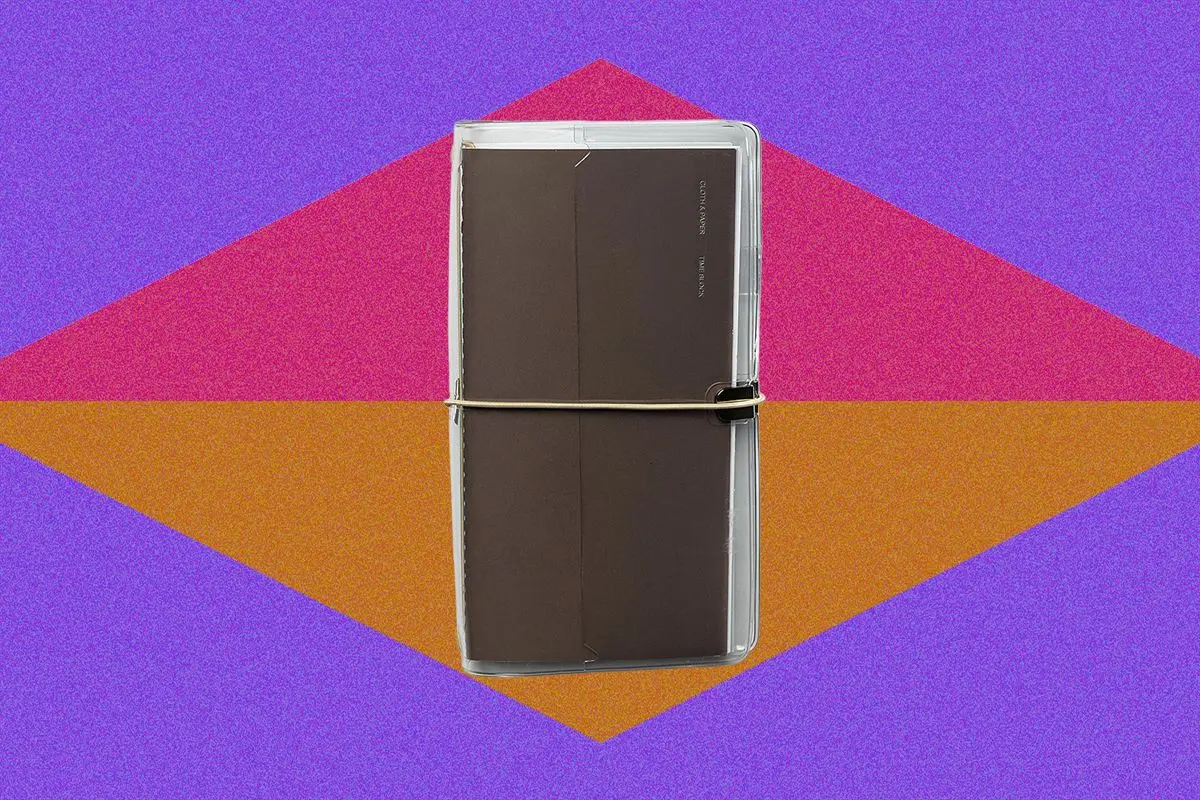
Personalization is a core demand in the 2027 market. Cloth & Paper has addressed this through its Travel Notebook Collection, a modular system that uses elastic bands to connect multiple specialized notebooks within a single cover. This allows users to mix and match layouts—such as combining a wellness tracker with a task-oriented academic spread—based on their evolving needs.
Similarly, Plum Paper offers a "design your own" experience, allowing customers to choose their start month and add custom sections for home management, fitness, or budgeting. Their A5 Vertical Priorities layout is frequently cited as a favorite for those who prefer a structured weekly view with customizable headers for habit tracking.
Chronology of the Planner Release Cycle
The life cycle of a 2027 planner typically follows a structured timeline that begins long before the first of January:
- Q2 2026: Manufacturers finalize 2027 designs and begin production of academic-year planners (August starts).
- August 2026: The "Academic New Year" sees the release of student-focused layouts from brands like Erin Condren and Laurel Denise.
- September – October 2026: Major Japanese brands (Hobonichi, Kokuyo) launch their annual collections, often leading to immediate sell-outs of popular cover designs.
- November 2026: Comprehensive reviews and "Best of" lists are updated as testers conclude several months of hands-on use with pre-production samples.
- January 2027: The primary transition period for annual planners begins, accompanied by a surge in "Plan With Me" social media content and community goal-setting workshops.
Supporting Data and Cognitive Analysis
The persistence of paper planners in a digital age is supported by psychological research. A study published in Frontiers in Psychology highlighted that handwriting requires more complex brain activity than typing. The tactile feedback from paper and the spatial awareness required to navigate a physical book contribute to stronger neural encoding of information.

Furthermore, market analysis indicates that the "planner community" has become a significant economic force. The sale of accessories—such as the Pilot Metropolitan fountain pen or seasonal stickers from Plum Paper—now accounts for a substantial percentage of total revenue within the stationery sector. This ecosystem supports a niche economy of independent artists and designers who create specialized inserts and decorative elements for disc-bound and ring-bound systems.
Specialized Planners for Specific Disciplines
While general-purpose planners dominate the market, 2027 has seen a refinement in niche-specific tools:
- Academic Planners: Designed for the August-to-July cycle, these tools (like the Erin Condren Academic Planner) prioritize deadline tracking and project management. They often include specialized stickers for exams and midterms, catering to the unique rhythms of student life.
- Minimalist Professional Tools: The Leuchtturm1917 and Muji undated weekly planners cater to those who require a simple, distraction-free environment. These models emphasize horizontal layouts and portability, fitting easily into professional briefcases.
- Large-Format Desktop Planners: For remote workers who do not need to transport their organizational tools, the "Big A## Planner" offers massive monthly spreads intended to remain open on a desk, providing a constant visual cue for long-term deadlines.
Broader Impact and Implications for 2027
The continued relevance of the paper planner is a testament to a broader cultural movement toward "digital minimalism." As screen fatigue becomes a recognized health concern, individuals are increasingly seeking out analog "offline" spaces to process their thoughts and manage their time. This shift has implications for workplace productivity and mental health, as the boundaries between digital connectivity and personal reflection become more clearly defined.
Moreover, the sustainability of the stationery industry is under increased scrutiny. Leading brands in 2027 are responding by utilizing FSC-certified paper, soy-based inks, and vegan leather covers. The move toward undated planners also reflects a commitment to reducing waste, as it ensures that no pages are discarded if a user pauses their planning routine.

In conclusion, the best paper planners for 2027 represent a fusion of traditional craftsmanship and modern productivity theory. Whether it is the thin, resilient pages of a Japanese Techo or the modular flexibility of a travel notebook, these tools provide a vital service in an increasingly cluttered digital world. By choosing a system that aligns with their specific cognitive and professional needs, users can leverage the power of analog organization to navigate the complexities of the coming year with greater clarity and purpose.
