

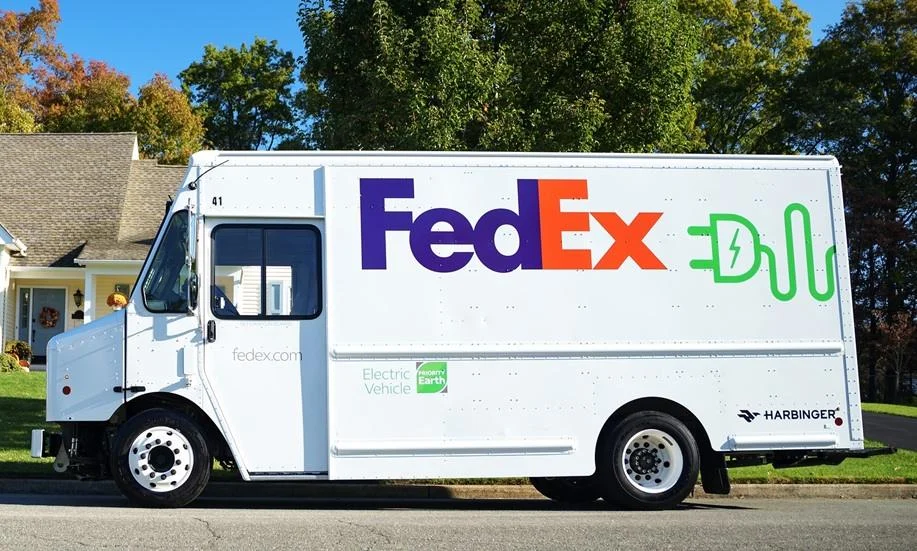
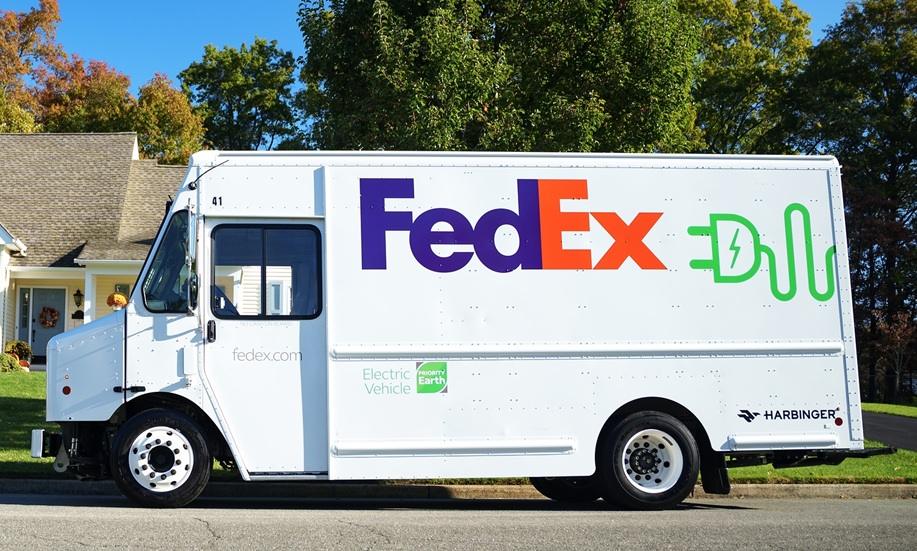
The global logistics landscape is witnessing a seismic shift toward electrification as FedEx Corporation, one of the world’s largest express transportation companies, solidifies its commitment to a zero-emission future. In a landmark agreement that underscores the maturing of the electric commercial vehicle sector, FedEx has signed a binding order for 2,000 all-electric trucks from the California-based manufacturer Harbinger. The deal, valued at more than $300 million, represents one of the most significant single investments in medium-duty electric vehicles (EVs) to date and serves as a cornerstone of FedEx’s broader strategy to achieve carbon-neutral operations by 2040.
The 2,000 vehicles are scheduled for delivery through the end of 2027. They will be integrated into FedEx’s pickup and delivery (PUD) fleets across the United States and Canada. This deployment is not merely a pilot program but a large-scale replacement of traditional internal combustion engine (ICE) vehicles. By targeting the medium-duty segment—often considered the workhorse of the "last-mile" delivery sector—FedEx is addressing one of the most carbon-intensive portions of its ground operations.
A Strategic Partnership Built on Investment and Innovation
The relationship between FedEx and Harbinger is not a new development but rather the culmination of a multi-year collaborative effort. In November 2025, FedEx placed an initial order for 53 Harbinger electric vehicles to test their performance in real-world delivery environments. Simultaneously, FedEx participated as a co-lead investor in Harbinger’s $160 million Series C funding round. This dual role as both a primary customer and a strategic investor indicates FedEx’s confidence in Harbinger’s proprietary technology and its ability to scale production.
Harbinger, founded in 2021 and headquartered in Garden Grove, California, has positioned itself as a disruptor in the commercial EV space. Unlike many manufacturers that retrofit existing chassis with electric drivetrains, Harbinger designs and manufactures a proprietary "stripped chassis" specifically for electric applications. This platform is engineered to support a variety of medium-duty body types, including the walk-in vans synonymous with FedEx delivery, as well as box trucks and recreational vehicles. By managing the design and production of all major vehicle systems in-house within the United States, Harbinger aims to eliminate the "green premium"—the traditionally higher cost of electric vehicles compared to their diesel counterparts.
The Economic Case for Fleet Electrification
The $300 million deal is rooted in a rigorous business case that prioritizes long-term operational savings. Harbinger’s internal projections suggest that each of its electric trucks can reduce annual fuel costs by an average of $20,000 when compared to a conventional diesel vehicle performing the same duties. When scaled to a fleet of 2,000 vehicles, the potential savings are staggering.
According to data provided by Harbinger, a fleet of this size operating across North America could generate approximately $40 million in annual fuel savings. Over a typical 20-year vehicle lifespan, the total savings could reach $800 million. These figures do not even account for the anticipated reduction in maintenance costs. Electric vehicles, which lack the complex exhaust systems, transmissions, and internal combustion components of diesel trucks, generally require significantly less upkeep, further improving the total cost of ownership (TCO) for logistics providers.
"FedEx is demonstrating that the business case for incorporating electric vehicles into real-world fleet operations at scale makes sense," said John Harris, Co-Founder and CEO of Harbinger. "Our previous work together gave FedEx firsthand experience with the performance and economic advantages Harbinger vehicles can deliver."
Environmental Impact and the 2040 Carbon Neutral Goal
The environmental implications of this deal are equally profound. The transportation sector is a leading contributor to global greenhouse gas emissions, and heavy-duty and medium-duty trucks account for a disproportionate share of those emissions relative to their numbers on the road. Harbinger estimates that the 2,000-vehicle fleet will avoid more than 1.7 million tons of CO2 emissions over its operational life.
For FedEx, this acquisition is a vital component of its "Priority Earth" initiative. The company has set an ambitious goal to reach carbon-neutral operations globally by 2040. A key pillar of this roadmap is the complete electrification of the FedEx Express parcel pickup and delivery fleet. The company’s phased approach targets 50% of all new global PUD vehicle purchases to be electric by 2025, rising to 100% of all new purchases by 2030.

Vinay D’Souza, Senior Vice President of Global Assets and Infrastructure at FedEx, emphasized the necessity of this transition. "The transportation industry is undergoing a fundamental transformation, and electrification is set to play a pivotal role in the future of commercial fleets," D’Souza stated. "This order with Harbinger helps us advance that transition, allowing us to build a more modern, efficient, and intelligent fleet that meets the evolving needs of our customers, our team members, and our global operations."
Technical Specifications and Manufacturing Strategy
Harbinger’s competitive advantage lies in its vertically integrated manufacturing model. By designing its own e-axle, battery pack, and software architecture, the company can optimize the vehicle for efficiency and durability. The "stripped chassis" is designed to be "body-agnostic," allowing FedEx to work with various upfitters to customize the cargo area while maintaining a standardized, high-performance electric foundation.
Key technical features of the Harbinger platform include:
- Acquisition Parity: Aiming to match the upfront purchase price of diesel vehicles, which is often the biggest barrier to EV adoption for small and medium-sized fleets.
- Driver-Centric Design: Improved ergonomics, better visibility, and a smoother, quieter ride compared to traditional trucks, which can help with driver retention in a competitive labor market.
- Domestic Production: Manufacturing in the U.S. allows Harbinger to take advantage of federal incentives, such as the Commercial Clean Vehicle Credit provided under the Inflation Reduction Act (IRA), which offers up to $40,000 per vehicle for heavy-duty ZEVs (Zero-Emission Vehicles).
Broader Industry Implications and Market Context
The FedEx-Harbinger deal is part of a larger trend of "megadeals" in the commercial EV space. Over the past several years, other industry leaders have made similar moves. Amazon famously ordered 100,000 electric delivery vans from Rivian, while UPS has collaborated with Arrival and other manufacturers to diversify its fleet.
However, the Harbinger deal is unique because it focuses on a startup that emphasizes the chassis rather than the finished van, providing more flexibility for a global operator like FedEx. It also highlights the growing maturity of the medium-duty segment, which has often lagged behind light-duty passenger cars in the electrification race due to the higher energy requirements and the need for robust charging infrastructure.

The move also signals a shift in how major corporations view their supply chains. By investing in Harbinger’s Series C round and then placing a massive order, FedEx is effectively "de-risking" its own transition to ZEVs. It ensures a steady supply of vehicles in a market where demand often outstrips production capacity, while also having a say in the technological development of the vehicles it will rely on for decades.
Challenges Ahead: Infrastructure and Grid Readiness
Despite the optimism surrounding the deal, the transition to a 2,000-vehicle electric fleet presents significant logistical challenges. The primary hurdle remains charging infrastructure. For FedEx to successfully deploy these trucks across the U.S. and Canada, it must invest heavily in depot charging stations. This requires coordination with local utility companies to ensure that the electrical grid can handle the increased load of hundreds of trucks charging simultaneously at a single facility.
Furthermore, the "binding" nature of the order places pressure on Harbinger to scale its manufacturing capabilities rapidly. Moving from a few dozen pilot vehicles to a production run of 2,000 units requires a robust supply chain for minerals like lithium and cobalt, as well as a skilled workforce capable of high-precision assembly.
Conclusion: A New Standard for Global Logistics
The $300 million agreement between FedEx and Harbinger is more than just a purchase order; it is a statement of intent for the future of global commerce. By proving that electric trucks can meet the rigorous demands of daily delivery schedules while providing a superior economic return, FedEx is setting a new standard for the logistics industry.
As the 2027 delivery deadline approaches, the eyes of the automotive and logistics worlds will be on this partnership. If successful, it will provide a blueprint for how legacy corporations can pivot toward sustainability without sacrificing profitability. For Harbinger, the deal validates its innovative approach to chassis design and positions it as a major player in the rapidly evolving commercial vehicle market. For the planet, it represents a tangible step toward reducing the carbon footprint of the millions of packages that move across the North American continent every day.
