

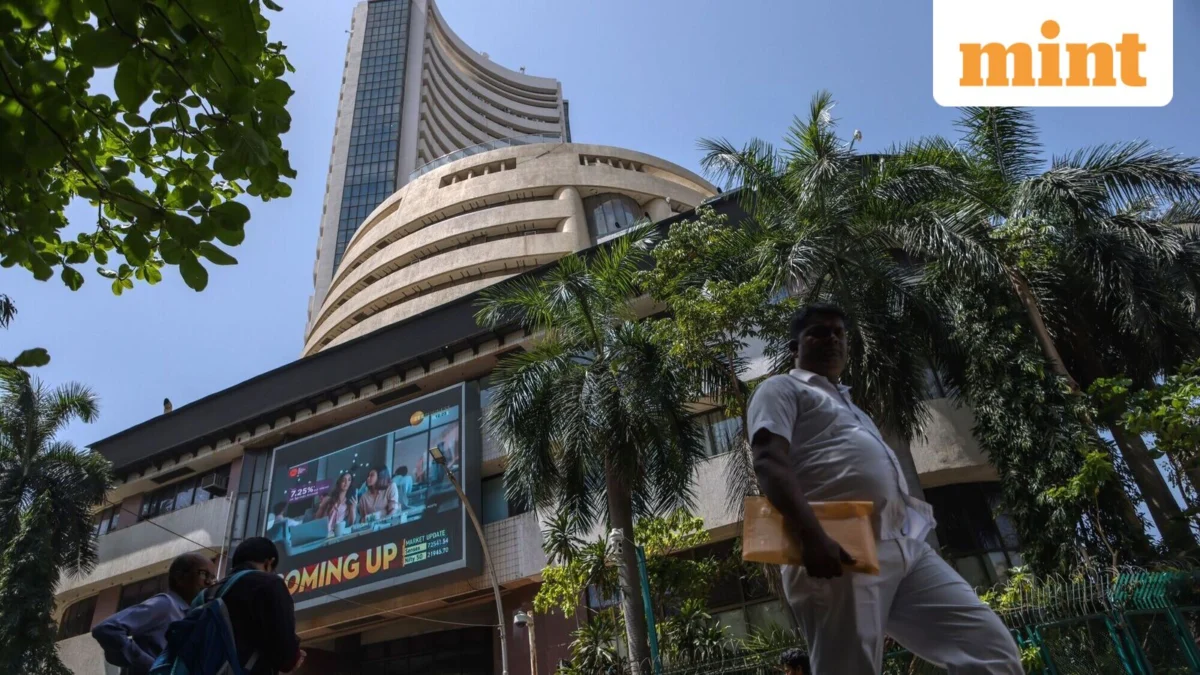
The Indian equity landscape has undergone a significant transformation since the latter half of 2024, transitioning from a period of exuberant, momentum-driven growth to a more calculated, valuation-sensitive environment. This shift, precipitated by a combination of global geopolitical tensions, fluctuating foreign institutional investor (FII) flows, and a recalibration of domestic earnings expectations, has fundamentally altered the way both retail and institutional participants approach the market. As the calendar turned to May 2026, the cumulative impact of these factors has provided a masterclass in market resilience and the cyclical nature of equity investments. For the millions of retail investors who entered the fray during the post-pandemic bull run, the recent phase of consolidation has served as a critical reminder that long-term wealth creation is tethered to corporate earnings and business scalability rather than transient market trends.
The Structural Shift in Foreign Institutional Inflows
A primary driver of the recent market volatility has been the sustained recalibration of portfolios by Foreign Institutional Investors. For much of the past decade, India was viewed as the "shining star" of emerging markets, often commanding a significant valuation premium due to its robust demographic dividend and structural reforms. However, by late 2024 and through 2025, this premium began to face scrutiny. FIIs started pivoting toward developed markets, particularly the United States, and specific emerging markets that offered more immediate exposure to transformative technological themes such as generative artificial intelligence, semiconductor manufacturing, and space exploration.
The allure of these "new-age" technologies, coupled with lower valuations in other regions, led to a persistent "Sell India, Buy Elsewhere" strategy among global fund managers. While India remains a preferred long-term destination, the immediate attractiveness of AI-centric clusters in the West and North Asia has created a liquidity vacuum in the Indian large-cap segment. This trend was further exacerbated by the stagnation of Foreign Direct Investment (FDI) and a weakening Rupee, which collectively dampened the risk appetite of global investors. Despite these outflows, India’s macroeconomic fundamentals have remained relatively resilient, though the premium at which it trades compared to other emerging markets has moderated toward historical averages.
A Chronology of Consolidation: September 2024 to May 2026
To understand the current state of the Indian market, one must look at the timeline of events that led to the present consolidation phase. The journey began in September 2024, when the Indian indices reached what many analysts considered "peak euphoria."
- September 2024 – December 2024: Markets began to cool as Q2 FY25 earnings showed signs of a slowdown in urban consumption. FIIs began their first major round of profit-booking, citing overstretched valuations in the mid-cap and small-cap segments.
- January 2025 – June 2025: Geopolitical tensions in the Middle East, specifically involving the US and Iran, led to a spike in crude oil prices. As a major net importer of oil, India’s fiscal deficit concerns resurfaced, leading to a period of range-bound trading.
- July 2025 – December 2025: The "Higher for Longer" interest rate regime in the US kept the dollar strong, putting immense pressure on the Indian Rupee. Domestic investors, however, began to fill the gap left by FIIs, supported by record-breaking Systematic Investment Plan (SIP) contributions.
- January 2026 – May 2026: A nuanced recovery began to take shape. While June-quarter earnings are expected to be soft, the extension of a ceasefire in West Asia and slightly better-than-expected Q4 results have provided a floor for the market.
Geopolitical Pressures and the Crude Oil Factor
The shadow of the US-Iran conflict has been a persistent overhang on Indian markets. For an economy that relies on imports for over 80% of its oil requirements, any escalation in the Persian Gulf translates directly into inflationary pressure and a wider current account deficit. The recent extension of the US-Iran ceasefire has been a pivotal moment for market sentiment. A lasting resolution in this region is viewed as a prerequisite for a sustainable rally in Indian equities, as it would likely lead to a drop in crude prices and a subsequent strengthening of the Rupee.
Market analysts note that the sensitivity of the Indian market to global oil prices has increased. When crude prices remain elevated, the operating margins of companies in sectors such as paints, aviation, chemicals, and logistics are squeezed. Conversely, the recent cooling of tensions has allowed for a tactical re-entry into large-cap stocks, which are often the first to react to improvements in the macroeconomic environment.
The Resilience of the Domestic Retail Investor
One of the most remarkable features of the current market cycle is the maturity displayed by Indian retail investors. Historically, periods of high volatility and FII selling were met with panic selling by domestic participants. However, the post-2024 era has seen a departure from this behavior. Supported by a robust ecosystem of digital brokerages and financial literacy initiatives, retail investors have stayed committed to their long-term goals.

The Systematic Investment Plan (SIP) has become the bedrock of the Indian market. Even as the "SIP stoppage ratio"—a metric tracking cancellations and tenure completions—crossed the 100% mark in the small- and mid-cap segments, the overall net inflows have remained positive. This suggests that while some investors are rotating out of overvalued segments, new capital continues to flow into the market through High Net Worth Individuals (HNIs) and corporate treasuries. This "democratization of capital" has provided a crucial buffer against global shocks, ensuring that the domestic market does not collapse even in the face of aggressive FII selling.
Sectoral Outlook: Defensives vs. Growth Opportunities
In an environment of consolidation, professional fund managers are increasingly advocating for a diversified approach. The current recommendation is to allocate 10–20% of portfolios to foreign equities to gain exposure to themes like AI and space tech, which are not yet fully mature in the Indian listed space. Domestically, the focus has shifted toward defensive sectors and contrarian plays.
- Pharmaceuticals and Healthcare: These sectors have remained resilient due to stable demand and strong balance sheets. As global supply chains stabilize, Indian pharma companies are well-positioned to benefit from increased outsourcing and a robust pipeline of generic launches.
- Telecommunications: With data consumption continuing to rise and tariff hikes improving Average Revenue Per User (ARPU), the telecom sector is viewed as a safe haven with steady cash flows.
- FMCG (Fast-Moving Consumer Goods): While rural demand has been a concern, potential GST rationalization and price hikes are expected to drive growth. However, investors remain cautious about the impact of heatwaves and an uneven monsoon on agricultural output and rural sentiment.
- Information Technology (IT): After a period of underperformance, the IT sector is emerging as a contrarian opportunity. Valuations have become more attractive, and the long-term potential of AI-led transformation offers a significant tailwind for India’s tech giants.
The Mid-Cap vs. Large-Cap Valuation Gap
A critical point of analysis for 2026 is the valuation disparity between different market capitalizations. Currently, mid-caps are trading at a staggering 45% premium to large-caps, significantly higher than the three-year average of 41%. This suggests that while mid-caps have shown incredible momentum, the risk-reward ratio may now be tilting in favor of large-caps.
Large-cap stocks, having borne the brunt of FII selling, are now trading at valuations that are attractive to long-term value investors. If FII selling eases—which is expected if the US-Iran situation stabilizes further and global interest rates begin a gradual descent—large-caps could lead the next leg of the market rally.
Implications and Future Outlook
The current phase of the Indian market is best described as a "healthy correction" that has flushed out excess speculation. The lesson for the modern investor is clear: the era of "easy money" is over, and the focus must return to fundamental analysis. The market is no longer a monolithic entity that rises in unison; instead, it has become a "market of stocks" where individual business performance dictates returns.
Looking ahead to the remainder of 2026, the trajectory of the Indian market will likely be determined by three factors: the stability of global oil prices, the recovery of the domestic earnings cycle starting in the September quarter, and the persistence of domestic liquidity. While the June quarter is expected to be lackluster, the groundwork is being laid for a more sustainable recovery.
In conclusion, the Indian investor has come of age. The transition from chasing quick gains to building disciplined, long-term wealth is a significant milestone in India’s financial history. As the premium on Indian equities moderates and the domestic economy continues its structural growth, the market remains a compelling destination for those with the patience to navigate its inherent volatility. The current consolidation is not a sign of weakness, but rather a necessary pause that reinforces the importance of valuation, diversification, and a steadfast commitment to long-term financial goals.
