

The European continent endured a summer of unprecedented meteorological extremes, characterized by a series of record-breaking heat waves and a simultaneous, severe drought that pushed the region’s energy infrastructure to its breaking point. This period of intense climatic pressure delivered the hottest June on record for Europe, according to data from the Copernicus Climate Change Service. While the soaring temperatures posed a direct threat to public health and sparked wildfires across Mediterranean landscapes, they also exposed critical vulnerabilities in the traditional energy systems that have long powered the continent. As rivers shriveled to historic lows and wind speeds stagnated under high-pressure "heat domes," the stability of the European grid became increasingly dependent on a surge in solar power generation and the rapid deployment of battery storage technology.
The dual crises of extreme heat and water scarcity created a paradoxical situation for energy providers. While the demand for electricity spiked as citizens turned to air conditioning to survive the sweltering conditions, the capacity of many conventional power plants to produce that electricity was severely curtailed. Thermal power stations—including nuclear, gas, and coal facilities—found themselves unable to operate at full capacity because the waterways they rely on for cooling were either too warm or too shallow. This systemic strain has prompted a reevaluation of energy security across the European Union, signaling a necessary shift toward more resilient, weather-independent technologies.
A Chronology of Climatic Intensity
The summer of extremes began in earnest in June, when a massive high-pressure system settled over Western Europe. This "heat dome" trapped warm air and suppressed cloud formation, leading to temperatures that far exceeded seasonal norms. Scientific analysis conducted in the wake of these events has provided a sobering look at the role of anthropogenic climate change. One study found that the intensity of the June heat wave in Western Europe was approximately 200 times more likely in today’s fossil fuel-warmed atmosphere than it would have been just two decades ago.
As June transitioned into July, the heat became more persistent. In Italy, electricity demand surged by 28 percent in a single week during late June as the first major heat spike arrived. France saw a similar, though slightly more moderate, increase of 14 percent. By mid-July, the situation transitioned from an acute heat event into a prolonged regional drought. England and Wales recorded their driest July since records began, while the Danube River, a vital artery for Central and Eastern European commerce and energy, reached such low levels that it exposed the rusted hulls of World War II-era Nazi warships and prehistoric relics.
This timeline of escalating environmental stress created a "perfect storm" for the energy sector. The lack of precipitation meant that reservoirs for hydroelectric power were not being replenished, while the stagnant air associated with the heat waves led to a significant drop in wind power generation. In the United Kingdom, wind farm output in June was halved compared to typical levels, forcing the grid to look elsewhere for supply just as demand reached its peak.
The Vulnerability of Thermal and Nuclear Power
Perhaps the most significant revelation of the summer was the fragility of "thermal" power generation in a warming world. Nuclear, coal, and gas plants share a common requirement: they generate vast amounts of heat that must be dissipated using external water sources. Typically, these plants draw water from nearby rivers or coastal areas, circulate it through cooling systems, and discharge it back into the environment.
However, as river temperatures rose and water volumes plummeted, this process became ecologically and technically impossible. In France, which relies on nuclear power for roughly 70 percent of its electricity, the impact was particularly severe. By mid-July, France had lost 18 percent of its total nuclear capacity due to "environmental factors." French law strictly regulates the temperature of water discharged back into rivers to protect aquatic ecosystems; when the intake water is already warm due to a heat wave, plants must throttle their output or shut down entirely to avoid cooking the local fish populations.
The United Kingdom faced similar challenges. Five major gas-fired power stations were forced to reduce their output by a combined 2.5 gigawatts—enough to power millions of homes—because the ambient heat rendered their cooling systems inefficient. This reduction in "firm" power occurred precisely when the grid needed it most to counter the loss of wind energy, leading to a precarious balancing act for grid operators.
Solar Energy as a Stabilizing Force
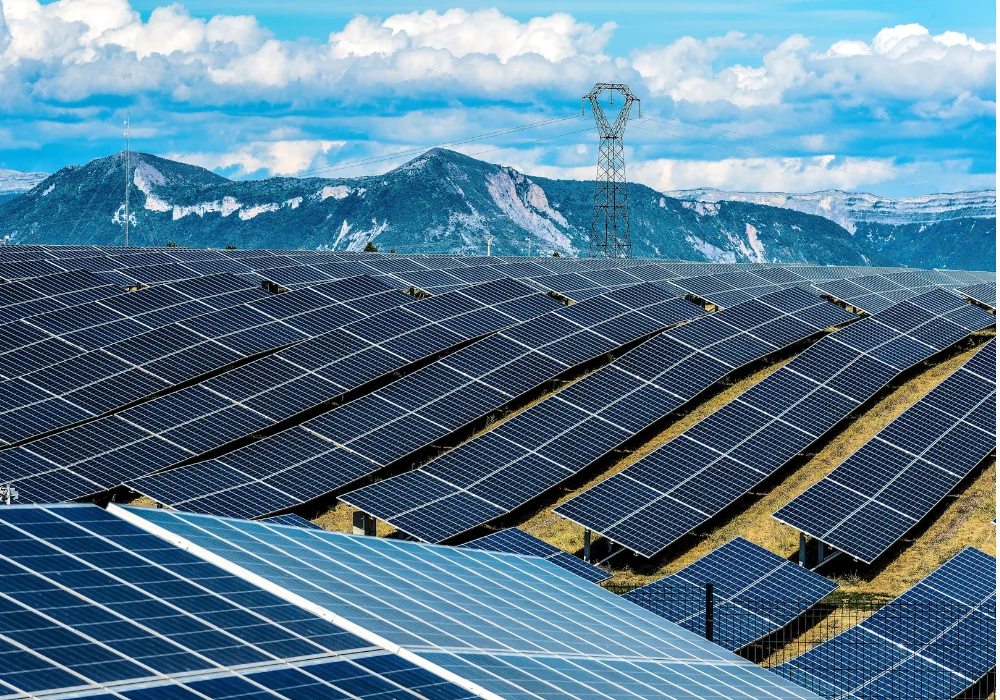
Amidst the failure of traditional and wind-based sources, solar power emerged as the summer’s primary energy hero. The very conditions that hampered other sources—clear skies and intense, direct sunlight—are optimal for photovoltaic generation. According to data from the energy think tank Ember, Europe’s solar panels produced 17 percent more power during the summer heat waves than their historical average.
This surge in solar output provided a critical buffer during the hottest parts of the day. As temperatures peaked in the mid-afternoon and businesses and households cranked up air conditioning units, solar generation followed a similar upward curve, meeting the demand in real-time. In countries like Spain and Italy, solar power was instrumental in preventing rolling blackouts that might have otherwise occurred due to the shortfall in hydroelectric and thermal generation.
However, the "solar solution" faces a natural limitation: the sunset. Walburga Hemetsberger, CEO of SolarPower Europe, noted that the evening period remains the most challenging segment of the day. "Temperatures often remain high after sunset and AC demand can stay elevated, even as solar production declines," Hemetsberger stated. This phenomenon has accelerated the adoption of battery storage systems. In 2025, Europe saw a 48 percent increase in new battery installations compared to the previous year, with 36 gigawatt-hours of capacity added to the grid. These batteries allow the excess solar energy captured during the day to be discharged in the evening, cooling homes during the sweltering nights.
Economic Impacts and the "Cooling Gap"
The imbalance between supply and demand during the heat waves had immediate economic repercussions. Electricity and natural gas prices spiked during the evening hours, occasionally reaching levels not seen since the energy crisis of 2022/2023 following the Russian invasion of Ukraine. These price signals underscore a growing "cooling gap" in Europe.
Historically, air conditioning has been viewed as a luxury or an unnecessary environmental burden in much of Europe. Currently, only about 23 percent of European households have access to air conditioning, compared to 90 percent in the United States. Even in warmer nations like Spain and Italy, penetration sits at roughly 50 percent, while in France, it is only 25 percent. However, as heat waves become more frequent and lethal, the cultural stance on AC is shifting.
Marine Tondelier, national secretary of France’s Ecologist Party, acknowledged this shift in June, stating, "There are places where we just can’t do without it now." This admission marks a significant pivot for environmental advocates who previously argued against AC due to its high energy consumption and greenhouse gas emissions. The focus has now moved toward ensuring that this inevitable increase in cooling demand is met with carbon-free energy and high-efficiency appliances.
Long-term Adaptation and Policy Implications
The events of this summer have forced European governments and utility companies to rethink their long-term infrastructure investments. France’s state-owned utility, EDF, has announced plans to spend over $10 billion over the next 15 years to adapt its nuclear and hydropower fleet to a warmer climate. This investment will include new cooling technologies that allow plants to operate even when river levels are low or water temperatures are high, such as "dry cooling" systems or advanced heat exchangers that minimize the impact on discharged water.
Beyond physical infrastructure, analysts argue that regulatory frameworks must evolve. Beatrice Petrovich, a senior energy analyst at Ember, emphasized that the price spikes seen this summer serve as a "blaring signal" for the need for greater system flexibility. This includes not only more batteries but also "demand-side response" programs, where consumers are incentivized to reduce their electricity usage during peak periods.
The rapid growth of solar and storage—which saw its 12th consecutive year of expansion in 2025—suggests that the market is already moving in this direction. However, the transition must keep pace with the increasing demands of a warming climate and the emergence of new power-hungry industries, such as large-scale data centers.
Conclusion: A Turning Point for the Grid
The summer of record heat and drought has provided a preview of Europe’s climatic future. It has demonstrated that the transition to renewable energy is not just a matter of reducing carbon emissions, but a fundamental requirement for maintaining grid stability in an increasingly volatile environment. While the limitations of wind and thermal power were laid bare, the resilience of solar and the promise of battery storage offered a clear path forward.
As Europe prepares for future summers that may be even hotter, the lessons of this year will likely serve as a catalyst for a more flexible, decentralized, and weather-resilient energy system. The "turning point" for energy storage and solar integration has arrived, driven by the sheer necessity of keeping the lights on—and the air moving—in a warming world.
