

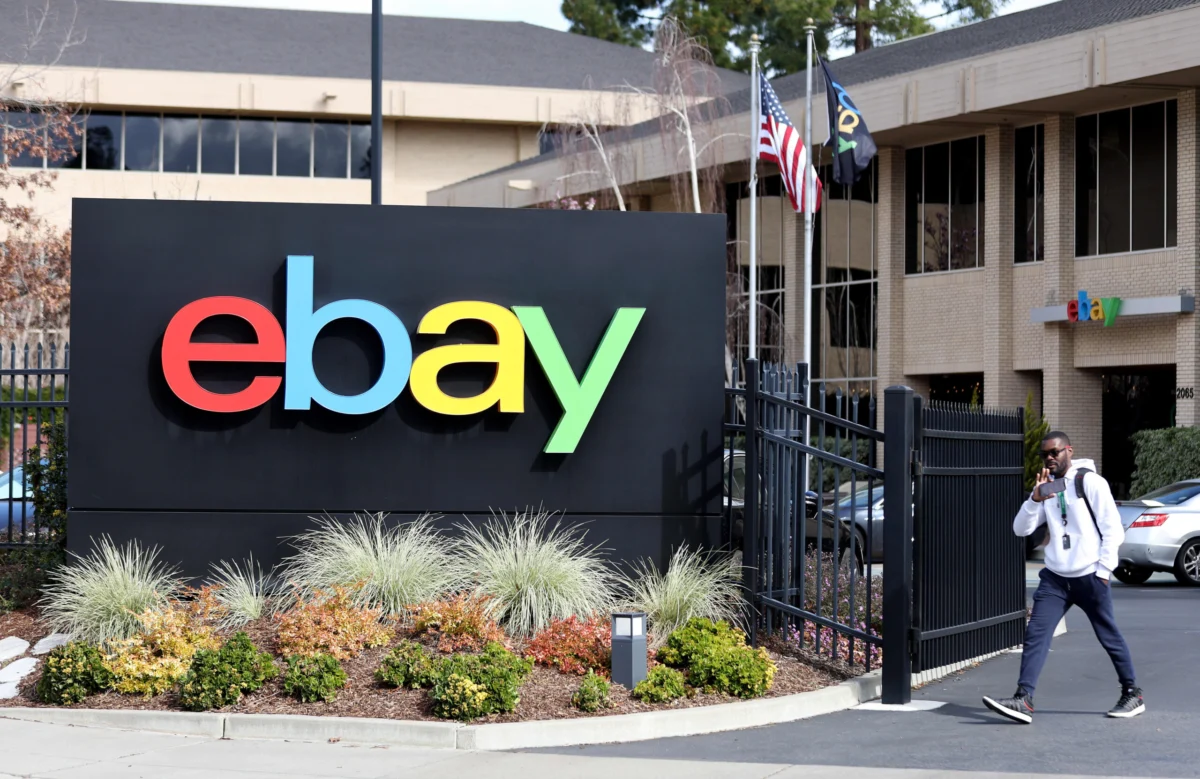
The board of directors at eBay Inc. has officially declined a $56 billion unsolicited takeover proposal from GameStop Corp., bringing a swift and firm conclusion to one of the most unexpected corporate maneuvers in recent retail history. In a formal response issued on Tuesday, eBay characterized the bid, spearheaded by GameStop CEO Ryan Cohen, as "neither credible nor attractive," citing deep-seated concerns over the financial viability of the deal, the massive disparity in the size of the two organizations, and the potential for significant operational disruption.
The rejection follows a week of intense speculation and market scrutiny after Cohen unveiled his ambitious plan to merge the brick-and-mortar video game retailer with the global e-commerce pioneer. Under the terms of the proposed deal, GameStop offered to acquire eBay for $125 per share in a combination of cash and stock. This valuation represented a significant premium over eBay’s current trading price, yet the proposal was immediately met with skepticism from Wall Street analysts and credit rating agencies, many of whom questioned how a company with a market capitalization of roughly $10.3 billion could successfully absorb a giant valued at more than $48 billion.
The Board’s Decision and Official Response
The decision to reject the bid was communicated via a letter from Paul Pressler, Chairman of the eBay Board. Pressler noted that the board, alongside independent financial and legal advisors, conducted a thorough review of the proposal before arriving at its unanimous conclusion. The letter was blunt in its assessment, highlighting that the proposal failed to meet the necessary thresholds for serious consideration.
"The Board has concluded that your proposal is neither credible nor attractive," Pressler wrote in the letter addressed to Ryan Cohen. The communication explicitly pointed to the "uncertainty regarding your financing proposal" as a primary reason for the dismissal. Additionally, the board raised alarms regarding the substantial debt load that the combined entity would be forced to carry, as well as the inherent operational risks involved in merging two companies with vastly different business models and infrastructure.
While GameStop did not provide an immediate public response to the rejection, the silence follows a series of aggressive statements from Cohen, who has previously indicated a willingness to bypass the board and take his offer directly to eBay’s shareholders if a friendly negotiation could not be reached.
A Staggering Financial Disparity
The primary hurdle for the proposed acquisition remains the sheer scale of the transaction. GameStop, which has undergone a volatile transformation over the last four years—transitioning from a struggling mall-based retailer to a "meme stock" phenomenon and now an aspiring e-commerce conglomerate—is significantly smaller than its intended target. As of the latest market data, eBay’s market capitalization sits at approximately $48 billion, more than four times that of GameStop’s $10.3 billion valuation.
To bridge this gap, Cohen proposed a financing structure that relied on a mix of existing liquidity and external debt. Cohen stated that GameStop had secured a $20 billion financing commitment from TD Securities, a division of TD Bank. Combined with GameStop’s reported $9 billion in cash on hand, the company claimed a starting point of $29 billion. However, even with these figures, a $27 billion funding gap remained to reach the $56 billion sticker price, a deficit Cohen suggested could be filled through the issuance of additional GameStop stock.
The viability of the TD Securities commitment came under immediate fire. Documents released by eBay on Tuesday revealed that the "expression of confidence" from TD Securities was contingent upon a major caveat: the combined company would have to maintain an investment-grade credit profile from at least two of the top three major ratings agencies (Moody’s, S&P Global, and Fitch).
Credit Agency Warnings and Market Skepticism
The likelihood of maintaining such a credit profile appeared slim in the eyes of industry experts. Moody’s Ratings issued a report last week labeling the proposed acquisition as "credit negative" for eBay. The agency pointed out that the massive increase in leverage required to fund the cash portion of the deal would likely strip the company of its investment-grade status.
Wall Street analysts have been equally critical, with many describing the deal as a "non-starter." Beyond the financial engineering, analysts have struggled to find "meaningful synergies" between a legacy e-commerce marketplace that operates on a third-party seller model and a retail chain that specializes in physical gaming hardware and software.
The skepticism was further fueled by Ryan Cohen’s recent appearance on CNBC’s "Squawk Box." During the interview, which was described by some observers as combative and lacking in technical detail, Cohen was pressed on the specifics of his financing. He remained vague, stating, "We have the ability to issue stock in order to get the deal done," and directed interested parties to the company’s website for further details. This lack of transparency appears to have weighed heavily on the eBay board’s decision-making process.
Cohen’s Vision: Efficiency and Physical Infrastructure
Despite the rejection, Cohen’s proposal outlined a specific, albeit controversial, vision for the future of eBay. Central to his pitch was the assertion that eBay has become "bloated" under the leadership of current CEO Jamie Iannone. Cohen pledged to operate the marketplace "a lot more efficiently," which would include significant reductions in headcount and a drastic cut to marketing expenditures. He argued that eBay’s current marketing spend has failed to produce sustainable user growth, suggesting that the company is overpaying for diminishing returns.
Perhaps the most unique aspect of Cohen’s plan involved the integration of GameStop’s physical footprint. He proposed using GameStop’s 1,600 retail locations across the United States as multi-purpose hubs for the eBay ecosystem. Under this plan, these stores would serve as:
- Authentication Centers: Expanding eBay’s current "Authenticity Guarantee" for high-value items like sneakers, watches, and trading cards.
- Fulfillment Centers: Allowing local sellers to drop off items for faster shipping and processing.
- Live Commerce Hubs: Utilizing store space to host live-streamed selling events, a growing trend in the e-commerce sectors of Asia and North America.
eBay’s Strategic Turnaround and Current Performance
In its rejection letter, eBay’s board defended its current trajectory, expressing full confidence in Jamie Iannone and the existing management team. The company noted that it has "delivered meaningful results" over the past several years through a focused turnaround strategy.
Since taking the helm, Iannone has shifted eBay’s focus away from trying to compete directly with Amazon on general merchandise and logistics. Instead, eBay has leaned into "focus categories"—niche markets where the platform has a historical advantage. These include:
- Trading Cards and Collectibles: A sector that saw a massive boom during the pandemic and remains a high-margin area for the platform.
- Used Luxury Goods: Specifically watches, handbags, and jewelry, supported by the aforementioned authentication services.
- Refurbished Electronics: Tapping into the growing consumer demand for sustainable and circular economy options.
This strategy appears to be yielding fruit for investors. EBay’s shares have risen 24% since the start of the year, outperforming many of its peers in the retail and tech sectors. The board emphasized that its current path of sharpening strategic focus and returning capital to shareholders through buybacks and dividends is a more "credible" path to value creation than the high-risk merger proposed by GameStop.
Timeline of the GameStop-eBay Standoff
- May 4, 2026: Ryan Cohen sends an unsolicited letter to the eBay board proposing a $56 billion takeover at $125 per share.
- May 5, 2026: Market analysts express doubt over the deal, citing the valuation gap and lack of clear synergies.
- May 7, 2026: Cohen appears on CNBC to defend the bid; reports emerge regarding the "investment-grade" condition in the TD Securities financing letter.
- May 8, 2026: Moody’s Ratings warns the deal would be "credit negative" due to high leverage.
- May 12, 2026: eBay formally rejects the proposal, releasing the TD Securities letter and calling the bid "neither credible nor attractive."
Broader Implications for the Retail Landscape
The rejection of the GameStop bid marks a pivotal moment for both companies. For GameStop, it signals a potential pivot toward even more aggressive activist maneuvers. If Cohen follows through on his threat to take the offer directly to shareholders—a "hostile" takeover attempt—it could trigger a protracted proxy battle. However, given the current financing concerns and the negative outlook from credit agencies, gaining shareholder support may prove difficult.
For eBay, the rejection serves as a reaffirmation of its "focus category" strategy. By dismissing the bid so decisively, the board is signaling to the market that it believes the company is currently undervalued by the public markets but has a clear, independent path to growth.
The situation also highlights the ongoing tension in the retail sector between traditional e-commerce models and the new wave of "activist" retail strategies that prioritize rapid cost-cutting and the integration of physical and digital assets. As the dust settles on this initial rejection, the market will be watching closely to see if Cohen adjusts his terms or if eBay’s management can continue to deliver the "meaningful results" they have promised to their shareholders.
For now, the $56 billion "David vs. Goliath" merger remains a theoretical exercise, stalled by the cold realities of corporate finance and credit ratings. EBay remains independent, and GameStop remains a company in search of its next major evolution, with a significant amount of cash but a widening gap between its ambitions and the market’s confidence.
