

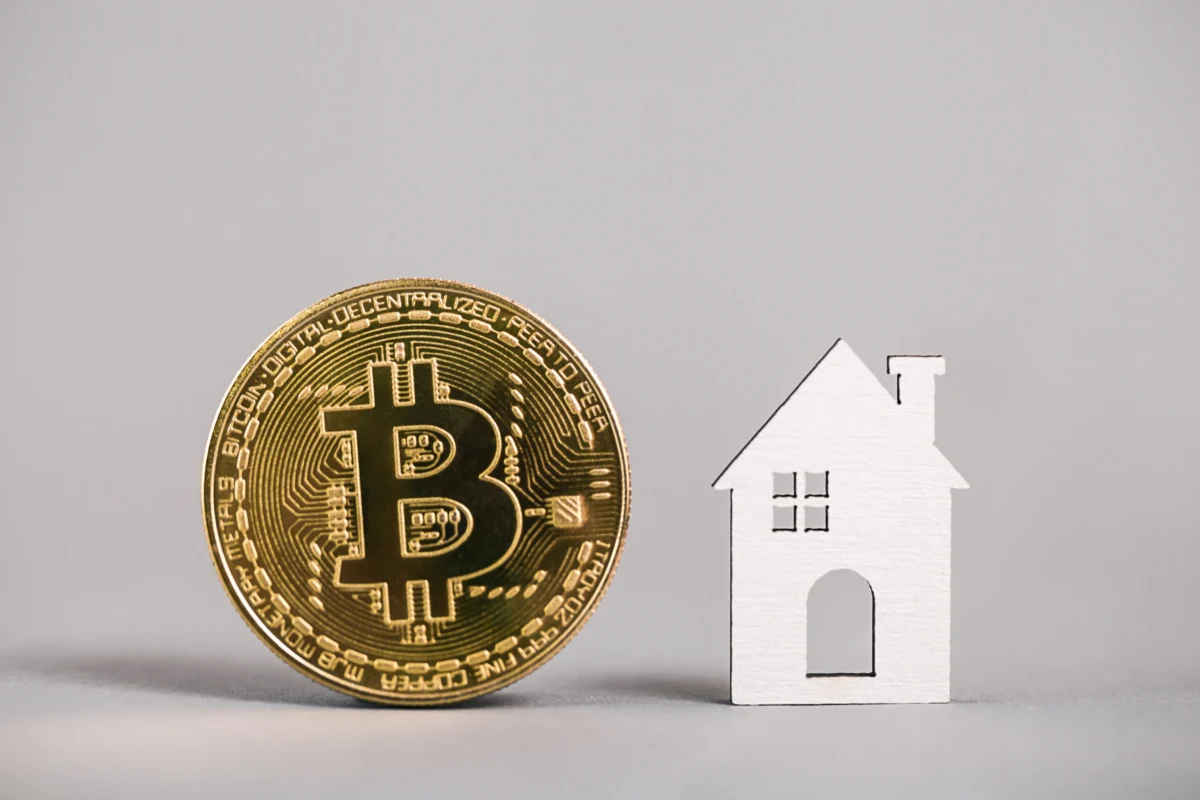
The burgeoning field of asset tokenization, particularly as it pertains to real estate, is being illuminated through a series of educational initiatives aimed at demystifying its complexities. The CAIA Association, a global leader in alternative investment education, has launched a mini-course series that delves into the practical applications and implications of representing tangible assets, such as property, as digital tokens on blockchain technology. Spearheading this educational endeavor is Dr. Stylianos Kampakis, CEO of Tesseract Academy and a distinguished member of the Quantum Finance Boardroom. This series aims to provide a comprehensive overview of real estate tokenization, breaking down its foundational principles, key benefits, and emerging use cases for a broad audience within the investment community.
Understanding the Fundamentals of Asset Tokenization
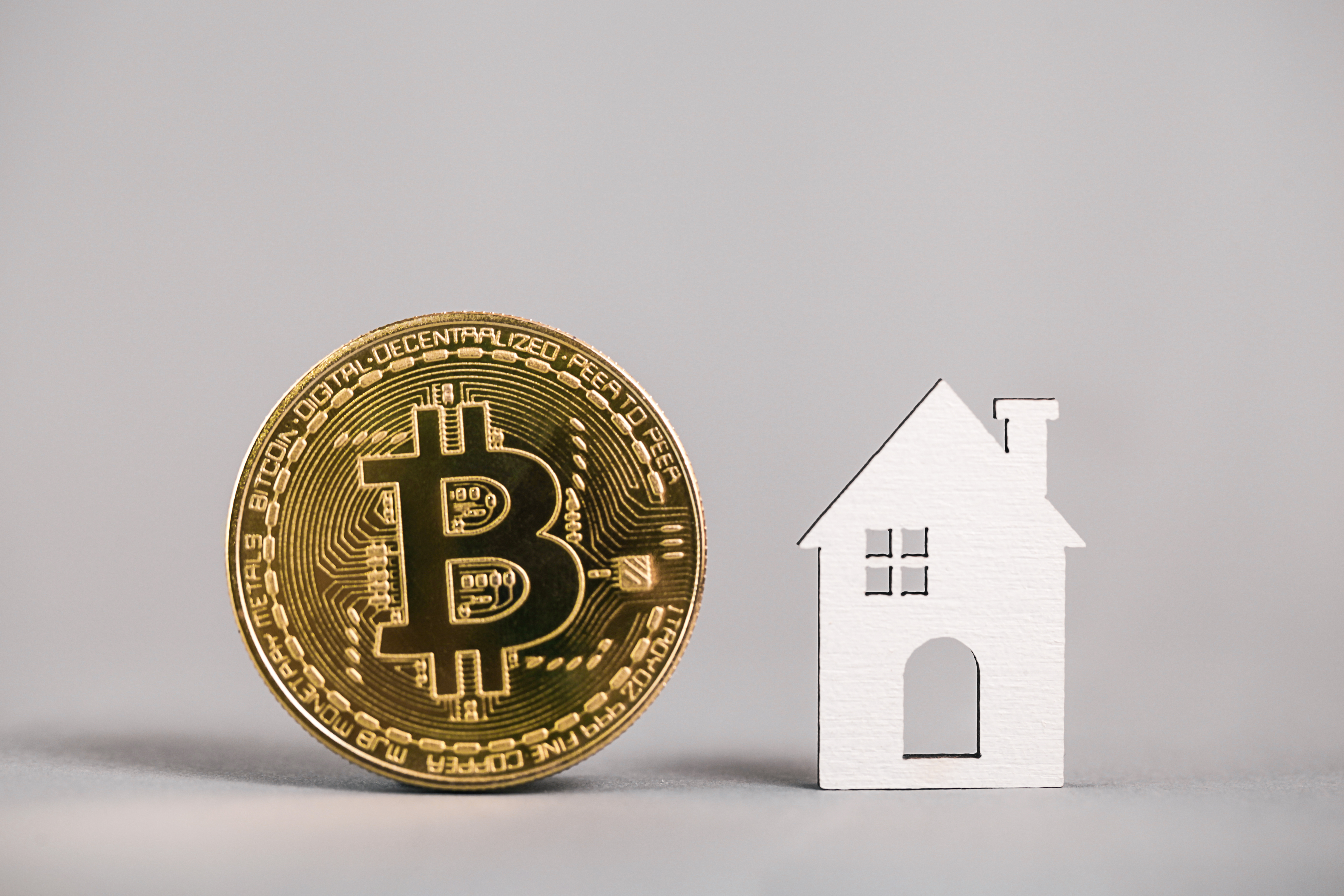
At its core, asset tokenization is a transformative process that bridges the gap between traditional, physical assets and the decentralized, digital realm of blockchain. It involves the creation of digital tokens that represent ownership rights or specific interests in a real-world asset. While the token itself is a digital entity residing on an electronic ledger, the underlying asset—be it a commercial building, a residential property, or even a fractional share of either—remains governed by established legal frameworks. Dr. Kampakis likens the token to a "digital twin of a real asset’s ownership record," emphasizing that it serves as a verifiable and transferable representation of a claim on that asset.
The significance of this digital representation lies in its ability to facilitate more efficient and accessible transactions. Unlike traditional real estate transactions, which can be cumbersome, time-consuming, and involve numerous intermediaries, tokenized assets can theoretically be bought, sold, and managed with greater speed and reduced friction. This is achieved through the inherent properties of blockchain technology, which offers transparency, immutability, and the potential for programmability.
The Driving Forces Behind Real Estate Tokenization
The excitement surrounding the tokenization of real assets, especially real estate, is fueled by a confluence of compelling advantages that address some of the sector’s most persistent challenges. These advantages can be broadly categorized into enhanced liquidity, broadened access, and increased automation.
Increased Liquidity: Real estate has historically been an illiquid asset class. Selling a property can take months, if not years, and involves significant transaction costs. Tokenization offers a pathway to fractionalize ownership, allowing for smaller portions of a property to be traded on secondary markets. This increased divisibility can attract a wider pool of investors and enable quicker exits for existing stakeholders, thereby boosting overall liquidity. For instance, a large commercial building, previously accessible only to institutional investors or ultra-high-net-worth individuals, could be tokenized into thousands of smaller units, making it available to a broader range of investors. Data from industry reports suggest that the global real estate tokenization market is projected to grow significantly in the coming years, with some estimates reaching trillions of dollars by the end of the decade, underscoring the anticipated impact on liquidity.
Broader Access to Investment Opportunities: The high capital requirements associated with traditional real estate investments often act as a barrier to entry for many aspiring investors. Tokenization democratizes access by enabling fractional ownership. This means that individuals can invest in high-value properties with significantly smaller sums of capital than previously required. This democratization not only benefits individual investors but can also lead to more diverse ownership structures for real estate assets, potentially fostering greater community involvement and economic participation.
Automation and Efficiency: Blockchain technology offers the potential to automate many of the manual processes involved in real estate transactions and management. Smart contracts, self-executing contracts with the terms of the agreement directly written into code, can automate tasks such as dividend distribution, rent collection, and even the execution of sale agreements upon meeting predefined conditions. This automation can lead to substantial cost savings, reduced administrative overhead, and a more streamlined investment experience for all parties involved.
Key Use Cases and Emerging Patterns in Real Estate Tokenization
The practical application of real estate tokenization is already being explored and implemented across various scenarios, revealing several emergent patterns. These use cases highlight the versatility and transformative potential of this technology:
-
Fractional Ownership of Commercial Properties: Tokenizing large commercial assets like office buildings, retail spaces, or industrial facilities allows for their division into smaller, tradable units. This enables smaller investors to participate in the lucrative commercial real estate market and provides property owners with greater flexibility in managing their capital. For example, a developer might tokenize a newly constructed office complex to raise capital for future projects or to allow early investors to realize returns.
-
Residential Property Investment: Tokenization can also be applied to residential properties, enabling individuals to invest in shares of rental properties or even their own homes. This could facilitate easier portfolio diversification for individuals and create new avenues for real estate financing. Imagine a homeowner tokenizing a portion of their home’s equity to access capital for renovations or other investments, while still retaining occupancy.
-
Real Estate Investment Trusts (REITs) on the Blockchain: Traditional REITs offer a way to invest in a portfolio of income-generating real estate. Tokenizing REITs can enhance their accessibility and liquidity, allowing for more frequent trading and potentially lower management fees. This could bring the benefits of public markets to a traditionally less liquid asset class.
-
Development Project Financing: Tokenization can serve as an innovative method for real estate developers to raise capital for new projects. By issuing tokens representing future revenue streams or equity in a development, developers can tap into a global pool of investors, potentially accelerating project timelines and reducing reliance on traditional lending institutions.
-
Securitization of Real Estate Debt: Beyond equity, tokenization can also be used to securitize real estate debt. This allows for the creation of tradable instruments backed by mortgage loans, potentially increasing the efficiency of the debt markets and providing new investment opportunities for fixed-income investors.
The CAIA Association’s Role in Education and Professional Development
The CAIA Association, with its commitment to advancing alternative investment knowledge, plays a crucial role in educating professionals about these evolving trends. The mini-course series led by Dr. Kampakis is designed to equip individuals with the necessary understanding to navigate this complex landscape. By providing insights into the technical underpinnings of blockchain, the legal and regulatory considerations, and the economic implications of tokenization, the CAIA aims to foster informed decision-making and responsible innovation within the industry.
The association’s broader mission extends to building a professional network that is actively shaping the future of investing. Through its certifications, educational programs, and community events, CAIA empowers its members to stay at the forefront of industry developments, including the transformative potential of tokenized real assets. The inclusion of real estate tokenization within its curriculum reflects the growing importance of this sector and the need for specialized knowledge among investment professionals.
Background and Timeline of Real Estate Tokenization
While the concept of representing assets digitally has roots in earlier forms of digital finance, the widespread interest in real estate tokenization gained significant momentum with the rise of blockchain technology, particularly after the surge in popularity of cryptocurrencies in the late 2010s.
- Early 2010s: Initial exploration of blockchain technology for various applications, including potential asset representation.
- Mid-to-Late 2010s: The explosion of Initial Coin Offerings (ICOs) brought blockchain-based fundraising into the spotlight. While many ICOs were speculative, they demonstrated the potential of tokenizing assets and rights.
- Late 2010s – Early 2020s: Increased focus shifts towards the tokenization of tangible real-world assets, including real estate, driven by the search for more practical and regulated applications of blockchain. Pilot projects and early-stage companies begin to emerge, testing the viability of tokenizing properties.
- 2020s Onwards: Growing institutional interest, regulatory clarity (albeit still evolving), and technological advancements are paving the way for wider adoption. Companies are actively developing platforms for real estate tokenization, and regulatory bodies are beginning to define frameworks for these digital assets. The CAIA mini-course series falls within this current phase of accelerating development and educational outreach.
Supporting Data and Industry Trends
The potential market size for tokenized real estate is substantial. Various market research reports project significant growth:
- Market Size Projections: Reports from firms like Grand View Research and Mordor Intelligence indicate that the global real estate tokenization market is expected to grow at a compound annual growth rate (CAGR) of over 20% in the coming years. Some estimates suggest the market could reach trillions of dollars by 2030.
- Fractional Ownership Growth: The demand for fractional ownership opportunities in real estate is on the rise. Platforms facilitating such investments have seen increased user adoption and transaction volumes.
- Technological Advancements: The continuous development of blockchain scalability solutions, enhanced security protocols, and user-friendly interfaces are making tokenization more feasible and attractive.
Broader Impact and Implications
The widespread adoption of real estate tokenization could have profound implications for the global financial landscape and the real estate industry itself:
- Disruption of Traditional Intermediaries: The efficiency gains offered by tokenization could lead to a reduction in the reliance on traditional intermediaries such as brokers, lawyers, and escrow agents, potentially lowering transaction costs.
- New Investment Models: Tokenization fosters the creation of entirely new investment models, including globally accessible real estate investment funds and peer-to-peer real estate financing.
- Enhanced Transparency and Governance: The transparent and immutable nature of blockchain can lead to greater accountability and trust in real estate transactions and asset management.
- Regulatory Challenges and Opportunities: While offering significant benefits, real estate tokenization also presents regulatory challenges. Regulators worldwide are grappling with how to classify and oversee these digital assets to ensure investor protection and market integrity. The development of clear and consistent regulatory frameworks will be crucial for the long-term success of real estate tokenization.
The CAIA mini-course series, by providing a deep dive into these topics, aims to empower professionals to understand and navigate these complexities, ultimately contributing to the responsible and effective integration of tokenized real assets into the global investment ecosystem. The initiative underscores the CAIA Association’s commitment to staying ahead of the curve and providing its members with the cutting-edge knowledge required to thrive in the evolving world of finance.
