


The study, published in the journal Nature Anthropocene, followed 2,778 participants over a four-year period from 2021 to 2024. Led by researcher Omid Ghasemi and a team of behavioral scientists, the report titled "Personal climate actions do not crowd out collective action and policy support: longitudinal evidence" concludes that individuals who consistently engage in everyday green behaviors are significantly more likely to support aggressive climate policies and participate in collective activism. Rather than siphoning off energy from systemic change, individual actions appear to reinforce a person’s identity as a climate advocate, creating a "spillover effect" that strengthens the movement as a whole.
The Evolution of the Individual vs. Systemic Debate
To understand the significance of these findings, it is necessary to examine the historical context of the climate responsibility narrative. The concept of the "personal carbon footprint" was popularized in the early 2000s, most notably through a multi-million dollar advertising campaign by the oil giant BP. This strategy was widely criticized by environmentalists as a calculated effort to shift the burden of climate change from fossil fuel producers to the end consumer. By framing the crisis as a matter of individual choice—choosing a lightbulb or a bicycle over a car—critics argued that the industry successfully delayed meaningful regulation for nearly two decades.
This historical skepticism birthed the "crowding-out" hypothesis. This theory suggested that if an individual feels they have "done their part" by recycling or driving an electric vehicle, they might experience a sense of moral licensing. This psychological state could lead them to believe they no longer need to participate in more demanding forms of engagement, such as voting for carbon taxes, attending protests, or lobbying local representatives. The 2026 study, however, utilizes data gathered during a period of intensifying global climate impacts, showing that the modern activist does not view these actions as mutually exclusive.
Methodology and Longitudinal Data Analysis
The research team utilized a rigorous longitudinal design, drawing from the annual Climate Action Survey. By tracking the same 2,778 individuals across multiple waves of data collection between 2021 and 2024, the researchers were able to observe how changes in personal behavior correlated with changes in political attitudes over time. This methodology is superior to cross-sectional studies, which only provide a snapshot of a population at a single moment.
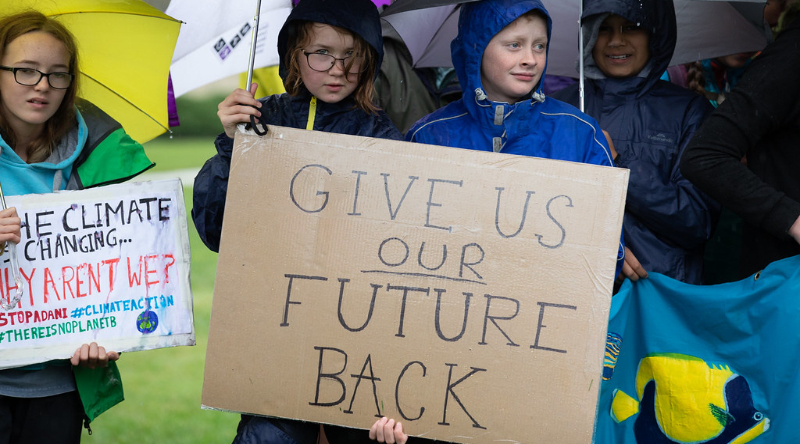
The study measured three primary variables: everyday pro-environmental behaviors (diet, transport, energy use), collective action intentions (participation in rallies, joining environmental organizations), and policy support (endorsement of government-led carbon regulations and renewable energy subsidies). The results indicated that as individuals increased their personal commitment to sustainable living, their support for systemic policy interventions did not wane; in many cases, it intensified.
Crucially, the study found that the "spillover" from personal to political was most pronounced among individuals who initially reported lower levels of climate concern. For these individuals, small, manageable changes in daily life served as an entry point into a broader understanding of the crisis. Conversely, for those already deeply committed to the cause, personal actions remained a consistent baseline that complemented their ongoing political advocacy.
Supporting Data: The Impact of Daily Choices
While the primary focus of the study was the psychological link between personal and political action, it also highlighted the direct environmental impact of the behaviors being tracked. According to data from the United Nations, human-induced greenhouse gas emissions—driven largely by energy production, transportation, and agriculture—have caused the Earth’s temperature to rise by approximately 1.1 degrees Celsius since the late 19th century.
The study categorized "everyday actions" into four high-impact areas:
- Dietary Shifts: Moving toward plant-based diets, which can reduce an individual’s food-related carbon footprint by up to 75%.
- Transportation: Opting for public transit, cycling, or electric vehicles (EVs). The study noted that the adoption of EVs often leads to a "demand-side" pressure for cleaner energy grids and expanded charging infrastructure.
- Household Energy: Implementing energy-efficient heating, cooling, and lighting solutions.
- Conscious Consumption: Reducing waste and favoring products with circular life cycles.
The researchers argued that these actions, while small in isolation, create a feedback loop. For example, as more individuals adopt sustainable transportation, it becomes politically easier for governments to justify investments in public transit or bike lanes. This synergy suggests that individual behaviors act as market signals that precede and facilitate structural shifts.
Professional Perspectives and the Path to Power
The study’s findings align with recent strategic frameworks proposed by political analysts and climate organizers. Christopher Armitage, a prominent political analyst, has outlined a five-stage trajectory that bridges the gap between individual consciousness and systemic transformation. This path suggests that the debate between personal and collective action is a false dichotomy, as both are necessary components of a successful social movement.
According to Armitage’s framework:
- Consciousness Raising: This begins with education and personal changes, which normalize the crisis in daily life.
- Coalition Building: Individuals who have changed their personal habits begin to seek out like-minded communities, forming organizations.
- Demonstration of Resolve: These organized groups move into the public sphere through protests and strikes.
- Economic Pressure: The movement leverages its collective power through boycotts and labor strikes to impact the bottom lines of polluting industries.
- Civil Disobedience: The final stage involves mass movements that challenge unjust laws, forcing a shift in the power dynamic between the public and the elite.
Armitage argues that without the first stage—individual consciousness and the personal commitment to change—the subsequent stages of mass mobilization lack the necessary foundation of dedicated participants. The 2026 study provides the empirical backing for this theory, showing that personal actions are the "resolve" that fuels the broader engine of change.
Analysis of Implications for Policy and Advocacy
The implications of this research are profound for both policymakers and environmental NGOs. For years, many advocacy groups have been hesitant to promote lifestyle changes for fear of being labeled "elitist" or for fear of distracting from corporate accountability. The Nature Anthropocene study suggests that this fear may be misplaced. Advocacy groups can confidently encourage sustainable living as a method of building a more committed and politically active base.
Furthermore, the study warns that while individual actions are beneficial, the framing of these actions remains critical. If governments or industries frame individual action as the only solution, it can indeed lead to a reduction in perceived systemic necessity. However, when individual actions are framed as part of a "double-prong" approach—where personal choices complement systemic demands—the results are overwhelmingly positive.

From a policy perspective, the research suggests that "nudge" policies, which make it easier for individuals to make green choices, can have a secondary benefit of increasing the public’s appetite for more radical legislative changes. For instance, a city that implements a successful composting program may find that its citizens are subsequently more supportive of a municipal ban on single-use plastics.
Conclusion: A Unified Front Against Climate Change
The July 2026 study serves as a vital correction to the long-held belief that personal responsibility and systemic change are at odds. By analyzing longitudinal data through a period of global upheaval, Ghasemi and his colleagues have demonstrated that the climate-conscious citizen is not one who chooses between recycling and protesting, but one who does both.
The findings reinforce the idea that social tipping points are reached through a combination of bottom-up behavioral shifts and top-down policy mandates. As the climate crisis intensifies, the synergy between the individual and the collective will likely become the movement’s greatest strength. The transition to a sustainable future requires a coordinated response at every level of society; the evidence now shows that the journey toward a cooler planet begins at home but inevitably leads to the halls of parliament. By signaling their values through daily choices, individuals are not just reducing their own footprints—they are building the political momentum necessary to transform the world’s energy and economic systems.
