

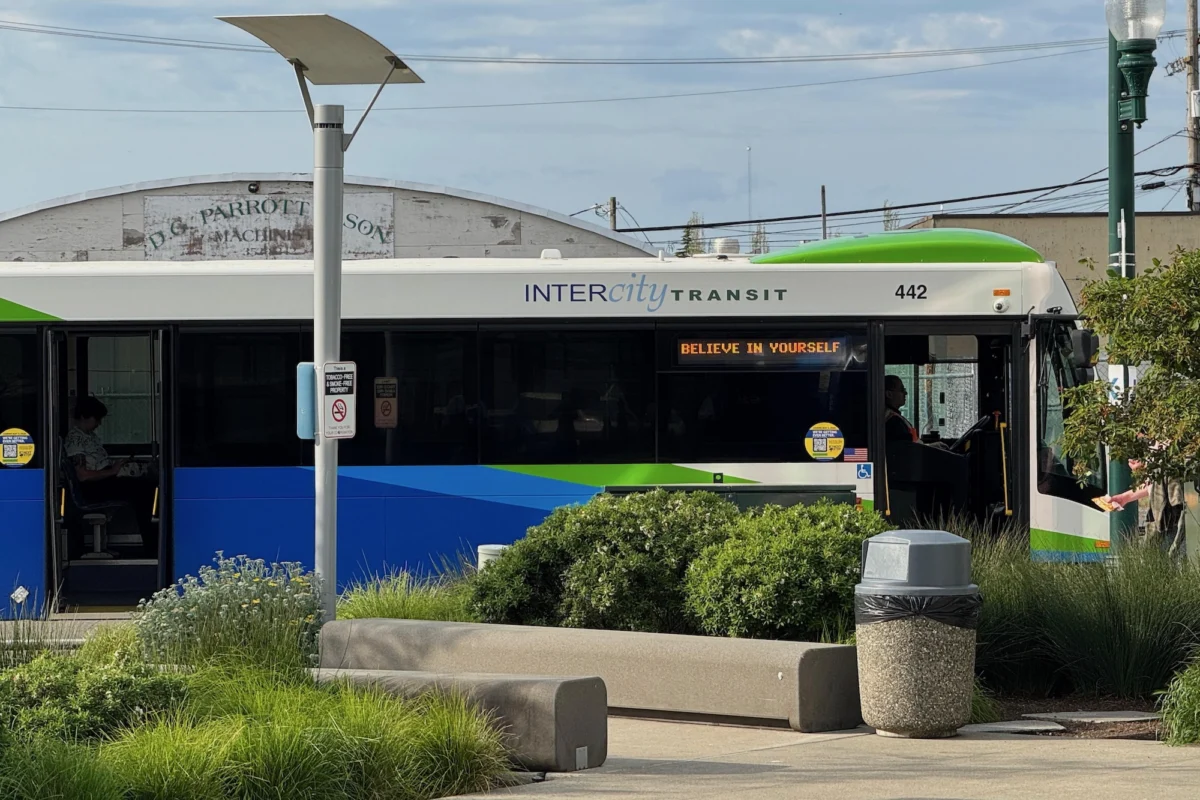
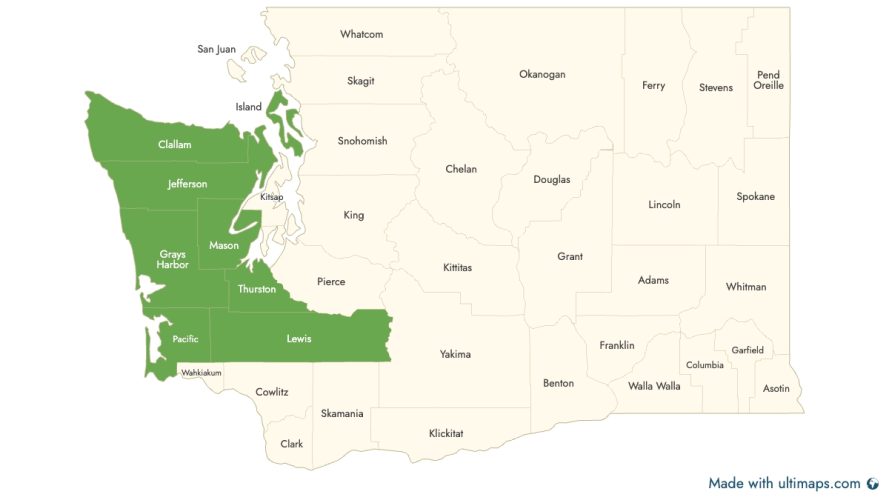
Across the rugged landscape of western Washington, a quiet transformation is unfolding that challenges the traditional economics of public transportation. While major metropolitan areas struggle with aging infrastructure and declining fare revenue, a coalition of eight rural and semi-rural counties has pioneered a zero-fare model that is significantly increasing ridership and enhancing social equity. From the state capital of Olympia to the remote logging towns of the Olympic Peninsula, transit agencies in Clallam, Grays Harbor, Island, Jefferson, Lewis, Mason, Pacific, and Thurston counties have effectively eliminated the farebox, allowing residents to travel hundreds of miles across the region for little to no cost. This shift comes at a critical juncture as rising gas prices and a surging cost of living drive more Americans toward public services, providing a blueprint for how rural connectivity can be maintained in an era of economic volatility.
The Economic Paradox of Fare Collection
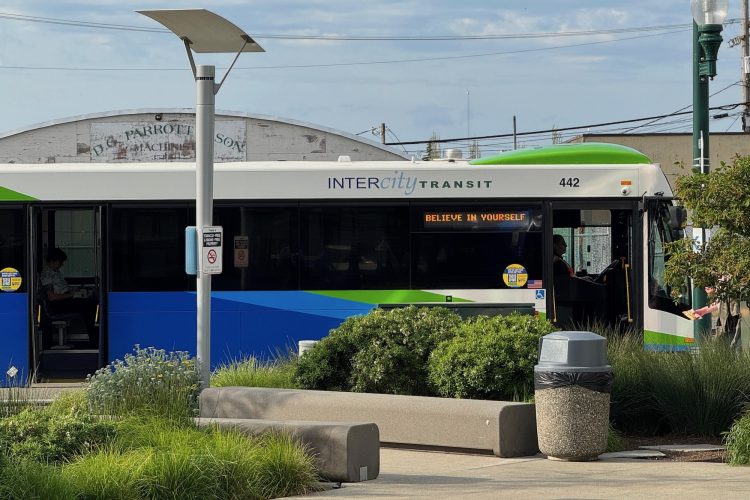
For many of these transit agencies, the decision to go fare-free was driven by a surprising fiscal reality: for rural systems with low population density, the cost of collecting and managing fares often exceeds the revenue generated. In Thurston County, home to the state’s largest fare-free agency, Intercity Transit, officials discovered that farebox recovery—the percentage of operating costs covered by passenger fares—was hovering between a mere 2 and 3 percent.
In 2018, Thurston County residents voted to increase the local sales tax by 0.4 percent specifically to bolster public transit. When the agency investigated upgrading its fare collection technology to modern standards, it faced a staggering $7 million price tag for new hardware and software. Nick Demerice, the communications and outreach officer for Intercity Transit, noted that the administrative burden of handling cash and maintaining complex digital payment systems simply did not align with the agency’s financial goals. By eliminating fares at the start of 2020, the agency not only avoided millions in capital expenditures but also streamlined its operations, allowing buses to move faster and reducing the administrative overhead associated with revenue accounting.
This economic logic is mirrored in Grays Harbor County, a coastal region defined by its industrial history and vast bay. Eric Lint, a communications specialist at Grays Harbor Transit, explained that their farebox recovery was equally modest. When new state funding became available, it essentially replaced the small amount of revenue previously collected from riders, making the transition to a zero-fare system a fiscally neutral—or even positive—move for the agency.
Legislative Catalysts and the Move Ahead Washington Package
The widespread adoption of zero-fare programs in western Washington was accelerated by significant legislative action at the state level. In 2022, the Washington State Legislature passed the "Move Ahead Washington" package, a landmark 16-year, $16.9 billion transportation funding plan. A cornerstone of this package was a $3 billion allocation dedicated to public transit, funded largely through the state’s Climate Commitment Act, which uses a "cap-and-invest" program to reduce carbon emissions.
To qualify for a portion of these state grants, transit agencies were required to implement zero-fare policies for all riders under the age of 18. While the mandate focused on youth, many rural agencies found that the administrative ease of extending the policy to all passengers was more efficient than maintaining a two-tiered system of enforcement. Consequently, state-level climate goals became the financial backbone for a regional movement toward universal free access.
In addition to state support, rural agencies rely heavily on local sales taxes and Federal Transit Administration (FTA) Section 5310 grants, which are designed to enhance the mobility of seniors and individuals with disabilities. This layering of local, state, and federal funds has created a stable financial foundation that allows agencies to prioritize service coverage over revenue extraction.
A Chronology of the Zero-Fare Transition
The movement toward zero-fare transit in western Washington did not happen overnight but followed a clear trajectory of incremental expansion:
- 2018: Thurston County voters approve Proposition 1, increasing sales tax to fund transit improvements.
- January 2020: Intercity Transit (Thurston County) officially launches its zero-fare program, becoming a flagship model for the state.
- 2020-2021: Amid the COVID-19 pandemic, several counties temporarily suspend fares to minimize contact between drivers and passengers, providing a "proof of concept" for permanent zero-fare operations.
- March 2022: Governor Jay Inslee signs the Move Ahead Washington package into law, providing the financial incentive for agencies to permanently waive fares for youth and, by extension, adult riders.
- 2023-2024: Counties like Grays Harbor and Mason fully integrate their systems, creating a seamless, fare-free corridor across much of the state’s western coast.
Social Impact: Connectivity and Public Health
The implications of free transit extend far beyond simple cost savings for commuters. In rural America, where the median household income is lower than in urban centers and nearly 20 percent of the population consists of seniors, the lack of a personal vehicle can be a total barrier to essential services. Public transit provides a lifeline for access to healthcare, education, and employment.
A poignant example of this connectivity occurred in 2024 when a dialysis center in Grays Harbor County was forced to close temporarily for maintenance. For the 29 patients who relied on the facility for life-sustaining treatment, the closure was a potential crisis, as the nearest alternative clinics were located 50 miles away in Olympia. Because the regional transit agencies—including Grays Harbor Transit and Mason Transit—were already operating on a zero-fare, collaborative basis, they were able to quickly coordinate schedules and provide free transportation for the patients across county lines. This "public sector version of Uber," as described by Don Chartock of the Washington Department of Transportation, ensured that no patient missed a treatment due to a lack of funds or transportation.
Furthermore, the elimination of fares has had a measurable impact on workplace safety and employee retention. Nationally, fare disputes are among the leading causes of verbal and physical assaults against bus operators. Since removing the farebox, agencies in western Washington have reported a decrease in such conflicts. Robert Andrews, a driver trainer in Thurston County, observed that removing the stress of fare collection has allowed drivers to focus on safety and customer service, contributing to higher employee morale and longer retention rates.
The Rise of Microtransit and the "Last Mile" Challenge
Despite the success of fixed-route bus systems, rural geography poses unique challenges for traditional transit. To address this, agencies have turned to "microtransit"—on-demand services like Grays Harbor’s HarborFlex. This system allows riders in small towns where a full-sized bus route is not feasible to request rides via a van or SUV through a mobile app or phone call.
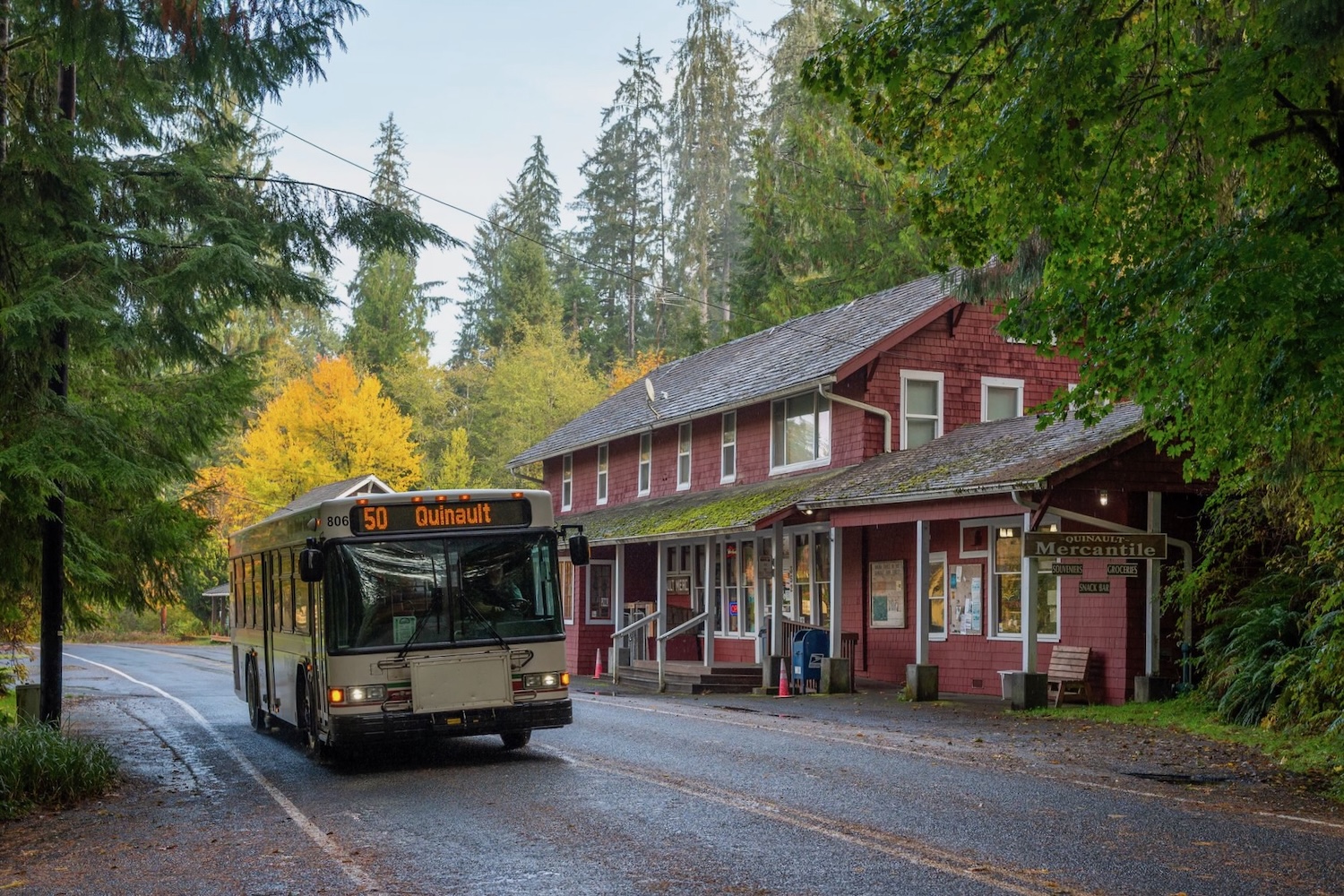
Like the regional buses, these microtransit options are fare-free. They are particularly popular among seniors for local errands, such as visiting libraries or grocery stores. However, significant gaps remain. On the Quinault Indian Reservation, the community of Taholah remains underserved. While a bus route exists, residents report that the frequency is insufficient to meet the needs of a working population. "There would not be enough revenue in the world to meet all the transit needs of a rural area," Chartock admitted, highlighting that while fares are gone, the challenge of geographic coverage remains an ongoing struggle for planners.
Data and Ridership Trends
The "zero-fare" experiment is yielding impressive data. According to a 2026 review of global research on free transit, eliminating fares typically results in a significant increase in ridership, particularly among low-income populations and students. In southwest Washington, ridership per capita now far exceeds the national average for rural regions, according to the National Transit Database.
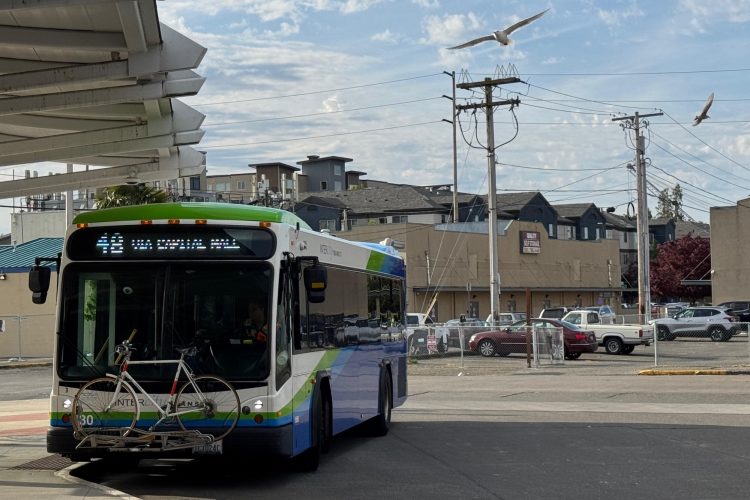
This trend is bolstered by external economic factors. As gas prices fluctuate due to international instability, including tensions in the Middle East, the "price" of driving becomes a major factor in household budgeting. In states like California and Texas, transit ridership has seen similar upticks when fuel costs rise, but Washington’s zero-fare counties have managed to sustain this growth by removing the "friction" of payment entirely.
Future Outlook and Sustainability Concerns
While the current state of free transit in western Washington is robust, its long-term viability is not guaranteed. Most of these programs are dependent on local sales tax revenue, which is highly sensitive to economic downturns. If consumer spending drops, the primary funding source for these buses could evaporate.
Currently, Intercity Transit’s program is funded through 2028, and other agencies, such as Grays Harbor Transit, require annual board approval to maintain their fare-free status. There is also the political risk that a shift in local or state leadership could lead to a reprioritization of funds away from transit.

However, the difficulty of "going back" is a powerful deterrent to reinstating fares. Once an agency has removed its fare-counting machines and discontinued its ticket-printing contracts, the capital cost of restarting a fare system is substantial. For riders like Mike Holbein, a chef in Olympia who has used the system for two decades, the prospect of returning to a paid model is daunting. "Everything has gone up in cost so much," Holbein said, noting that even a $2.50 fare would be a significant daily burden for many workers.
As the program moves toward the end of the decade, the focus of Washington’s transit advocates will likely shift from proving the model’s worth to securing permanent, diversified funding streams. For now, the eight counties of western Washington stand as a rare example of a public service that has become more accessible, more efficient, and more human-centric by simply deciding that the cost of entry should be nothing at all.
