

The automotive landscape in North America is undergoing a significant transition as Kia Corporation officially designates its manufacturing facility in Pesquería, Nuevo León, Mexico, as the primary production hub for the Kia EV3. This strategic move represents a departure from earlier expectations that the compact electric SUV would be manufactured in the United States, specifically at Kia’s existing facility in West Point, Georgia, or the burgeoning Hyundai Motor Group Metaplant America near Savannah. The decision underscores a complex interplay of international trade policy, labor relations, and the shifting economic priorities of global automotive manufacturers in the face of increasing protectionism.
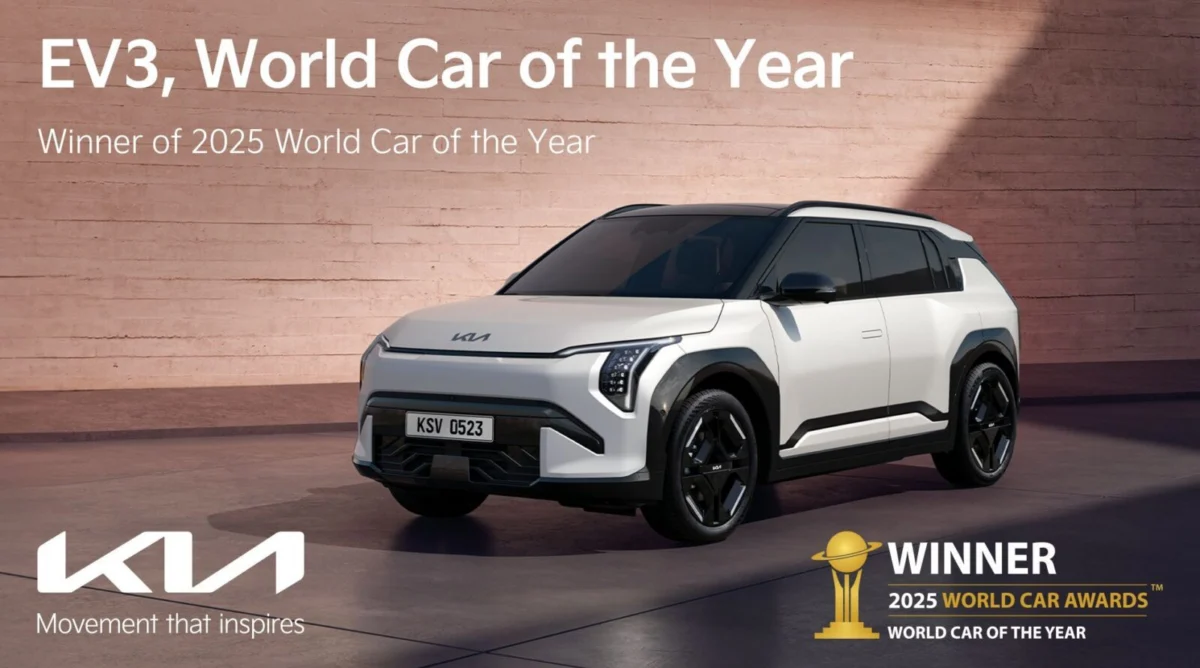
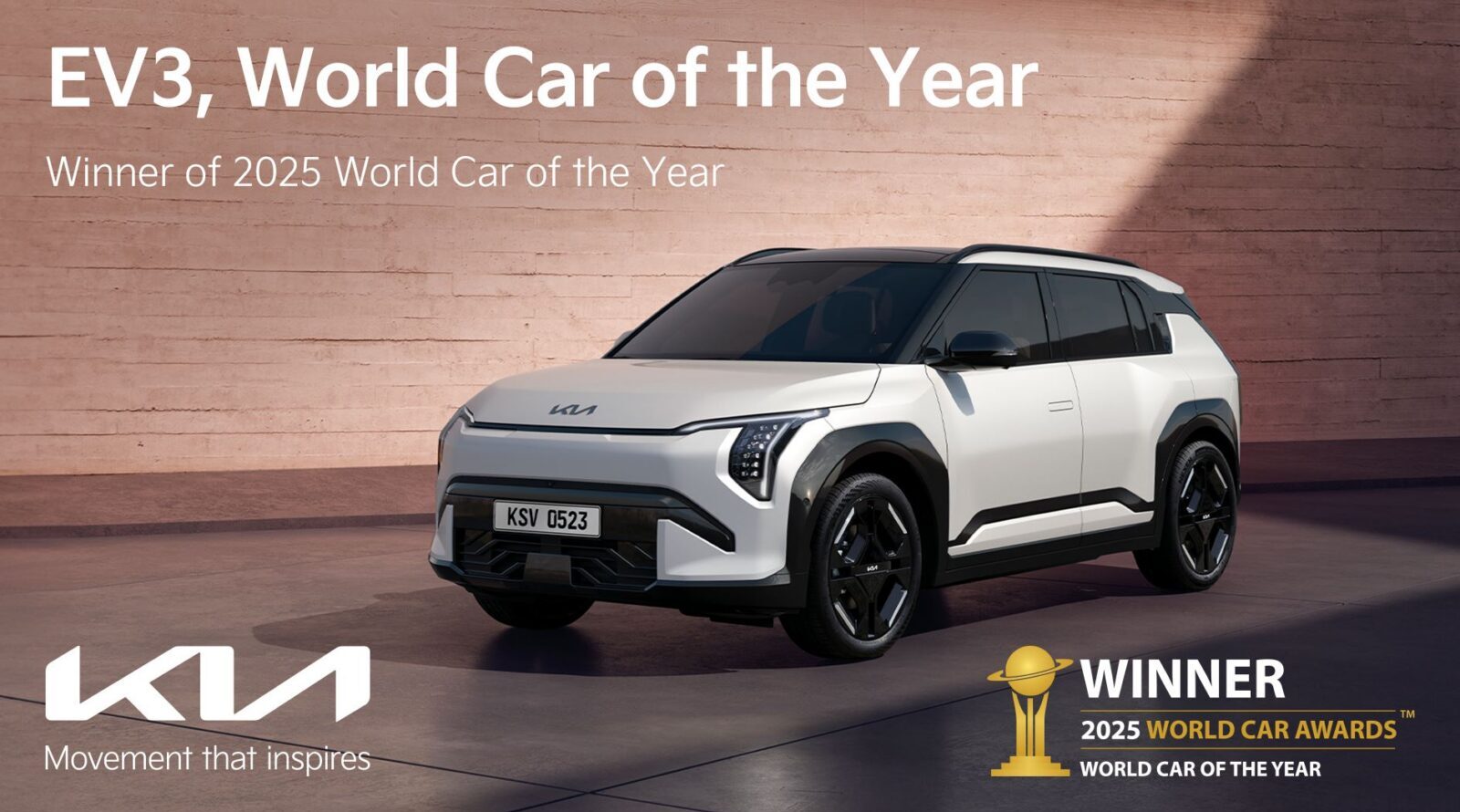
The Kia EV3, which secured the prestigious "World Car of the Year" award for 2025, is viewed by industry analysts as a pivotal model for the brand’s electrification strategy. As a compact SUV, it occupies a high-volume segment of the market, designed to offer the aesthetic and technological sophistication of the larger EV9 in a more accessible and affordable package. However, the shift in its production location reflects broader concerns regarding the investment climate in the United States following high-profile labor and immigration enforcement actions that have strained relations between South Korean industrial giants and U.S. federal authorities.
Technical Specifications and Market Positioning of the EV3
The Kia EV3 is engineered on a specialized 400-volt variant of the Hyundai-Kia Electric Global Modular Platform (E-GMP). While this differs from the 800-volt architecture found in the more expensive EV6 and EV9 models—which allows for ultra-fast charging—the 400-volt system is deemed sufficient for the compact SUV’s intended use case. According to technical specifications, the EV3 can replenish its battery from 10 to 80 percent in approximately 30 minutes. To ensure compatibility with the evolving charging infrastructure in North America, the vehicle comes standard with a North American Charging Standard (NACS) port, allowing for seamless integration with the Tesla Supercharger network and other emerging NACS-compliant stations.
Kia offers the EV3 with two distinct battery configurations to cater to varying consumer needs. The entry-level model features a 58.3 kWh battery pack paired with a 201-horsepower front-mounted motor, delivering an estimated range of 220 miles. This base trim is expected to enter the market with a competitive starting price of approximately $35,000. For consumers seeking extended range and performance, an 81.4 kWh battery is available. When paired with a single-motor configuration, this larger battery extends the estimated driving range to 320 miles.
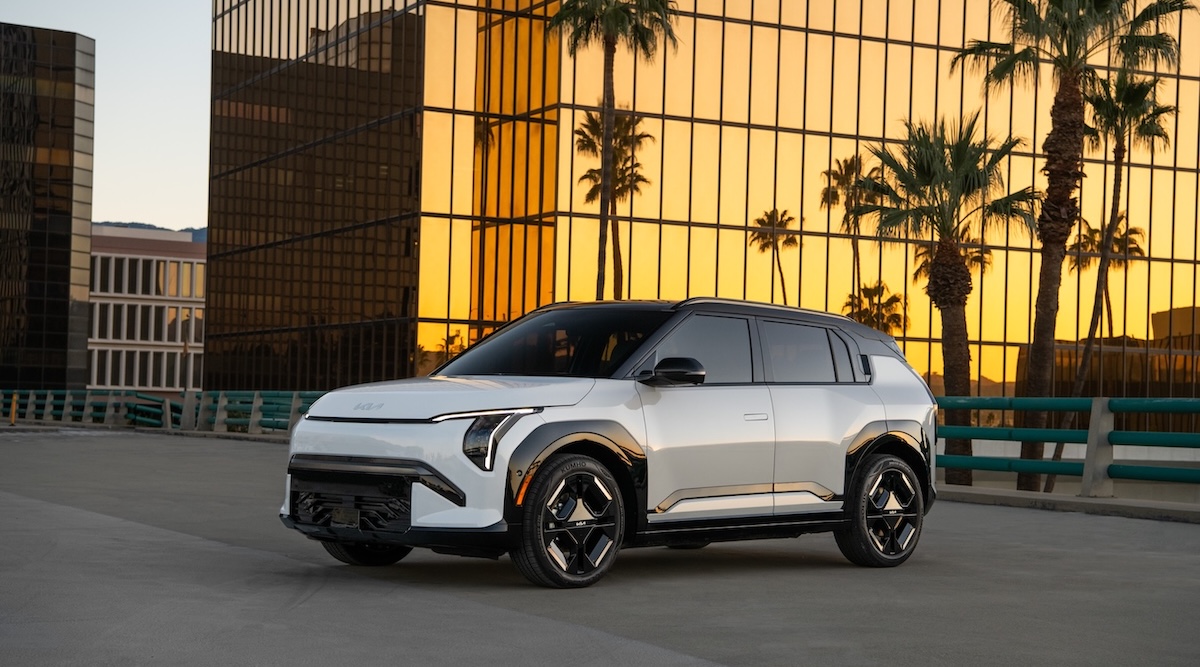
Furthermore, a dual-motor, all-wheel-drive variant provides 261 horsepower. At the top of the range, the GT Performance package increases output to 288 horsepower, with a retail price expected to hover just under the $50,000 threshold. In terms of dimensions, the EV3 measures 170 inches in length. This makes it three inches longer than the Volvo EX30 but nine inches shorter than the internal combustion-powered Chevrolet Trax, positioning it firmly within the subcompact crossover segment.
The interior of the EV3 emphasizes digital integration, featuring a panoramic display system that spans more than 30 inches. This includes two 12.3-inch screens for instrumentation and infotainment, complemented by a dedicated 5.3-inch panel for climate control settings. Standard technological features include wireless Apple CarPlay and Android Auto, alongside the i-Pedal 3.0 system, which offers adaptive regenerative braking. Safety suites include Forward Collision-Avoidance Assist, Lane Keeping Assist, and the advanced Highway Driving Assist 2, which is available on higher trim levels.
The Shift to Mexico: Economic and Political Drivers
The decision to manufacture the EV3 in Mexico rather than Georgia marks a significant pivot in Kia’s regional strategy. Initial projections suggested that Kia would leverage its Georgia operations to take advantage of federal incentives provided by the Inflation Reduction Act (IRA). However, industrial relations were complicated by a series of immigration enforcement actions at the Hyundai battery facility construction site in Georgia last year. These raids, which resulted in the detention of several hundred South Korean nationals, sent shockwaves through the South Korean corporate community.

Analysts suggest that these events contributed to a perception of a volatile regulatory environment for foreign workers and executives in the United States. The diplomatic and economic ramifications of these enforcement actions have been cited as a primary factor in Kia’s re-evaluation of its U.S. expansion plans. By opting for Mexico, Kia is effectively diversifying its manufacturing risk while still maintaining proximity to the U.S. border.
The investment in the Nuevo León region is substantial. Kia has committed $640 million through 2028 to upgrade the Pesquería plant and support the surrounding infrastructure. This investment includes the development of a national charging network in Mexico, a 2-megawatt solar park to offset the factory’s carbon footprint, and a sophisticated wastewater treatment facility. The latter is a critical addition given the arid climate of Nuevo León; the facility is designed to recycle 1,050 cubic meters (approximately 277,000 gallons) of water daily, ensuring that the factory’s industrial needs do not deplete local water resources.
Trade Relations and the "Plan México" Strategy
The manufacturing of the EV3 in Mexico is a cornerstone of the Mexican government’s "Plan México" industrial strategy. Marcelo Ebrard, Mexico’s Minister of the Economy, noted that the EV3 will launch with a local content share of 27 percent. While high-value components such as battery cells will initially be imported from Asian supply chains, the goal is to incrementally increase the domestic value added as the investment matures.
This 27 percent local content figure is particularly significant in the context of ongoing North American trade negotiations. The United States has recently proposed revisions to the United States-Mexico-Canada Agreement (USMCA) that would require at least 50 percent of a vehicle’s value to originate within the United States to qualify for certain trade benefits. Such a change would disrupt the current "rules of origin" which treat the three nations as a unified trade bloc.
In response to what it characterizes as growing protectionism from Washington, the Mexican government is aggressively courting advanced technology sectors. By attracting battery manufacturing and electric vehicle assembly, Mexico aims to reduce its reliance on imports and solidify its position as a global automotive powerhouse. While some manufacturers, including General Motors and Toyota, have recently shifted certain capacities back to the U.S. to align with IRA requirements, Kia’s expansion in Mexico signals a different approach—one focused on cost-efficiency and regional market access beyond the U.S. borders.
Regional Economic Impact and Global Market Strategy
The expansion of the Pesquería plant is expected to create 1,500 high-skilled jobs in the Nuevo León region. This development is part of a broader trend of foreign direct investment (FDI) flowing into Mexico. The Mexican Ministry of Economy reports that there are currently over 1,100 investment projects in various stages of planning, with a total projected value exceeding $400 billion. South Korea has become a particularly vital partner for Mexico, with more than 2,000 South Korean companies currently operating within the country.
Kia’s strategy for the EV3 extends beyond the U.S. market. By producing in Mexico, the company is well-positioned to export the vehicle to emerging markets in Central and South America, where demand for affordable electric SUVs is expected to rise. The EV3 is slated for a U.S. release later this year, but its origin of manufacture means it may face different challenges regarding federal tax credits compared to U.S.-built competitors.
Analysis of Broader Implications
The relocation of the EV3 production line reflects a potential cooling of the "nearshoring" trend that many expected would favor U.S. soil. Instead, "friend-shoring"—the practice of relocating supply chains to countries with perceived lower political and regulatory risks—appears to be benefiting Mexico. For the United States, the loss of the EV3 production line represents a missed opportunity for job creation in the high-growth green energy sector.

Furthermore, the decision highlights a growing tension in U.S. trade policy. While the U.S. seeks to build a domestic EV supply chain through subsidies and protectionist measures, these same policies can occasionally alienate the very international partners required to build that infrastructure. Kia’s move suggests that for some global manufacturers, the benefits of U.S. subsidies do not always outweigh the operational and political complexities of manufacturing within U.S. borders.
As the EV3 begins rolling off the assembly lines in Nuevo León this month, it serves as a tangible reminder of the fluid nature of global manufacturing. The success of the vehicle in the North American market will be a litmus test for whether consumers prioritize vehicle origin and federal incentives over the design and technological value offered by a World Car of the Year winner. In the interim, Mexico continues to solidify its role as a central hub in the global transition to electric mobility, leveraging international partnerships to bolster its domestic industrial base in an increasingly fractured global economy.
