

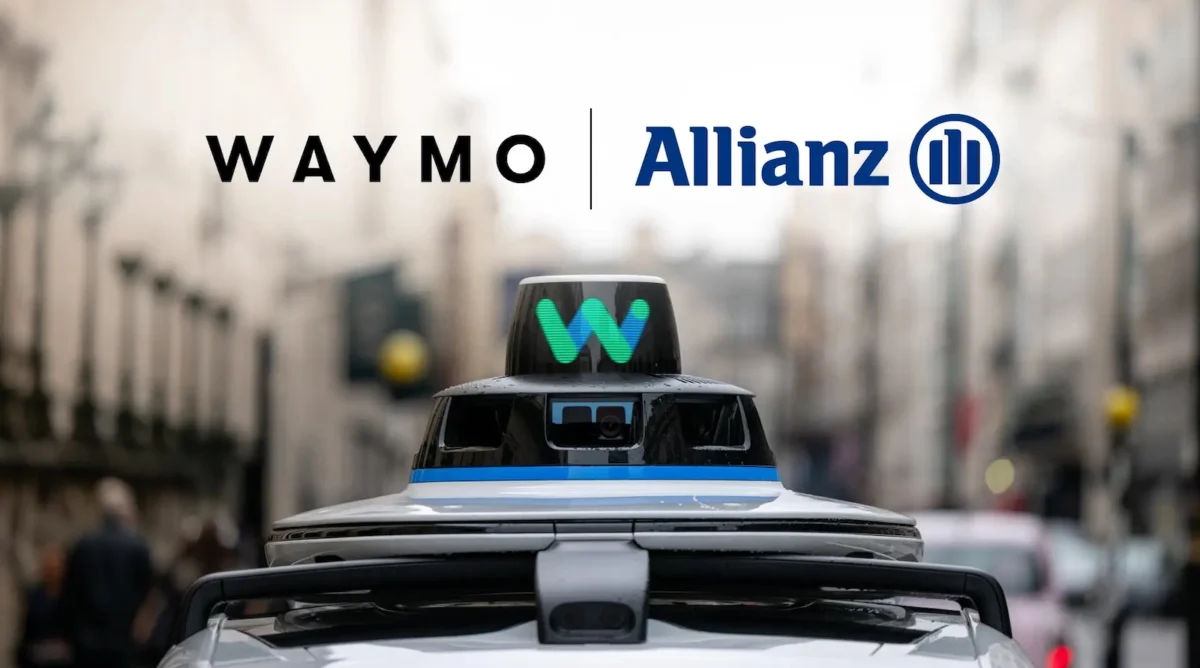
The global landscape of autonomous mobility reached a significant milestone today as Waymo, the autonomous driving subsidiary of Alphabet Inc., announced a strategic partnership with Allianz Partners to facilitate its commercial expansion into the European market. This collaboration is designed to establish a comprehensive insurance, claims management, and safety research foundation, providing the necessary operational backbone for Waymo’s initial deployments in London and Munich. By integrating Waymo’s advanced autonomous driving technology with Allianz’s extensive experience in European risk management, the two companies aim to address the complex regulatory and logistical challenges inherent in scaling driverless ride-hailing services across international borders.
The partnership represents a pivot from purely technological development to the creation of a robust commercial ecosystem. For Waymo, which currently operates the world’s only commercial rider-only service across several major U.S. cities, the move into Europe signifies a new chapter of growth. The company’s decision to launch in London and Munich is strategic, targeting two of Europe’s most influential economic and technological hubs. However, the transition from the grid-based urban layouts of Phoenix and San Francisco to the ancient, winding streets of London and the high-density traffic of Munich requires more than just software updates; it necessitates a localized approach to risk and liability.
Establishing the Operational Backbone for Autonomous Fleets
A primary focus of the Waymo-Allianz partnership is the development of a digital-first insurance and claims infrastructure. In the traditional automotive world, insurance is built around human error and individual driver behavior. In the autonomous sector, the paradigm shifts toward product liability and systemic risk management. Allianz Partners will provide Waymo with tailored solutions that include comprehensive fleet insurance, passenger protection, and specialized vehicle recovery services designed for autonomous hardware.
According to Waymo, building this operational foundation is as critical as the "Waymo Driver" software itself. To ensure a seamless user experience, the companies are developing digital claims processes that can handle incidents with minimal human intervention, utilizing the vast amounts of data generated by Waymo’s sensor suites. This data-driven approach to insurance allows for more accurate risk pricing and faster resolution of claims, which are essential components for any company seeking to operate a fleet of hundreds or thousands of vehicles in a foreign market.
Furthermore, the collaboration will extend into safety research. Allianz and Waymo intend to share anonymized data to better understand how autonomous vehicles interact with European road infrastructure, cyclists, and pedestrians. This research is expected to inform future safety standards and regulatory frameworks across the European Union and the United Kingdom, potentially setting a benchmark for the entire industry.
Chronology of Waymo’s Evolution and International Expansion
The journey toward Waymo’s European debut began over a decade ago. Originally launched in 2009 as the Google Self-Driving Car Project, the initiative was rebranded as Waymo in 2016 under the Alphabet umbrella. Since then, the company has hit several key milestones that have paved the way for its current international ambitions.
In 2017, Waymo launched its first public trial in Phoenix, Arizona, eventually opening its fully driverless service to the general public in 2020. This was followed by a rapid expansion into San Francisco and Los Angeles, where the company proved its technology could handle dense urban environments and complex weather patterns. By mid-2024, Waymo reported that it was serving more than 500,000 paid trips per week across its U.S. service areas, a figure that demonstrated both the scalability of the technology and growing consumer trust.
The decision to expand to London and Munich in 2025 marks the first time Waymo has committed to a commercial presence outside the United States. This timeline coincides with a broader push by Alphabet to monetize its "Other Bets" and establish Waymo as a dominant player in the global transportation-as-a-service (TaaS) market. The partnership with Allianz is the final piece of the puzzle, providing the localized expertise required to navigate the distinct legal and insurance landscapes of the UK and Germany.
Supporting Data: The Safety Case for Autonomous Mobility
The central argument for the deployment of autonomous vehicles (AVs) is the potential to drastically reduce traffic fatalities and injuries. Waymo’s expansion is backed by a substantial body of real-world safety data. In its most recent safety impact report, Waymo highlighted that its autonomous driving system resulted in a 16-fold reduction in serious injury crashes compared to human drivers in the cities where it operates.
Specifically, the data showed that in over 7 million miles of rider-only driving, Waymo vehicles were involved in significantly fewer police-reported crashes and insurance claims than human-driven vehicles. When compared to a human benchmark, Waymo’s technology demonstrated:
- An 85% reduction in the rate of any injury-causing crashes.
- A 57% reduction in the rate of police-reported crashes.
These statistics are particularly relevant for European regulators, who maintain some of the strictest road safety standards in the world. By partnering with Allianz, a company with a 130-year history in risk assessment, Waymo is positioning its safety data within a framework that European insurers and government bodies can verify and trust. The goal is to move the conversation from "is it safe?" to "how much safer is it?"—a shift that is crucial for gaining public acceptance in cities like London and Munich.
Official Responses and Strategic Perspectives
Leadership from both organizations emphasized the transformative nature of this partnership. Tomas Kunzmann, CEO of Allianz Partners, noted that autonomous mobility represents one of the most significant shifts in the history of the insurance and automotive industries. "Waymo’s technology leadership, combined with Allianz’s global expertise in insurance, assistance, and vehicle safety, allows us to build a comprehensive ecosystem that gives operators and passengers confidence at every stage of the journey," Kunzmann stated.
From Waymo’s perspective, the partnership is about more than just risk mitigation; it is about local integration. Tilia Gode, Head of Risk & Insurance at Waymo, explained that the company’s approach to international markets is deliberately cautious and partnership-heavy. "As we advance our commercial rollout in Europe, building the right operational foundation is just as critical as the technology behind the Waymo Driver," Gode said. "Teaming up with Allianz Partners allows us to pair our proven U.S. safety record and commercial experience with world-class European risk and claims expertise, ensuring we scale reliably and responsibly from day one."
Industry analysts suggest that this partnership may also serve as a template for other AV companies. By outsourcing the insurance and recovery logistics to a global leader like Allianz, Waymo can focus its internal resources on its core competency: the "Waymo Driver" software and hardware stack.
Broader Impact and Implications for the European Market
The arrival of Waymo in London and Munich is expected to have far-reaching implications for the European transportation sector. Europe has historically been more cautious than the United States regarding the deployment of Level 4 autonomous vehicles (vehicles that can drive themselves without human intervention under specific conditions). However, the UK and Germany have recently updated their legislative frameworks to accommodate AV testing and commercialization.

In Germany, the "Autonomous Driving Act" provides a legal basis for the operation of driverless vehicles on public roads, making Munich an ideal entry point for Waymo. In the UK, the "Automated Vehicles Act" aims to put safety at the forefront while encouraging innovation. Waymo’s entry into these markets will likely accelerate the development of local supply chains for AV maintenance, sensor calibration, and specialized fleet management.
Furthermore, the partnership with Allianz addresses one of the most significant hurdles for AV adoption: public perception. In many European cities, there is a high degree of skepticism regarding the safety and privacy of autonomous technology. By aligning with a trusted European brand like Allianz, Waymo gains a measure of "institutional legitimacy" that may help ease public concerns.
The economic impact is also noteworthy. The transition to autonomous ride-hailing could disrupt traditional taxi and ride-sharing services, but it also creates new opportunities in tech-adjacent fields. The need for specialized vehicle recovery, digital claims processing, and remote fleet monitoring will create a new category of high-tech service jobs in London and Munich.
Future Outlook: Beyond London and Munich
While the current focus is on London and Munich, the Waymo-Allianz partnership is designed for scalability across the continent. If the initial deployments are successful, industry observers expect Waymo to expand into other major European cities such as Paris, Berlin, and Madrid. The "innovative operational solutions" mentioned by the companies—such as streamlined vehicle recovery tailored for autonomous fleets—will be essential as these fleets grow in size and complexity.
As Waymo continues to refine its "Waymo Driver" for European road signs, traffic laws, and cultural driving norms, the collaboration with Allianz will remain a cornerstone of its strategy. The integration of insurance, safety research, and digital claims represents a holistic approach to mobility that recognizes that the future of transportation is not just about moving people from point A to point B, but about doing so within a trusted, regulated, and resilient infrastructure.
In conclusion, the partnership between Waymo and Allianz Partners is a clear signal that the era of autonomous ride-hailing in Europe has moved from the realm of science fiction to the realm of commercial reality. By combining technological prowess with institutional risk expertise, the two companies are laying the groundwork for a safer, more efficient, and more reliable urban mobility landscape across the European continent.
