

The rapid proliferation of hyperscale data centers, fueled by the global surge in artificial intelligence (AI) and cloud computing, has collided with the environmental realities of modern urbanization, creating a policy vacuum that municipal leaders are now scrambling to fill. As cities across the United States face record-breaking temperatures and strained infrastructure, the presence of these massive, heat-generating facilities has become a central point of contention in local and national politics. Nowhere is this tension more evident than in Phoenix, Arizona—the hottest major city in the United States—where the intersection of extreme climate, water scarcity, and a "gold rush" of data center development has triggered a legislative and public health crisis.
The Evolution of the Data Center Landscape
For decades, data centers were relatively inconspicuous components of the urban fabric. These earlier facilities, often referred to as "colocation" or "enterprise" centers, were typically modest in size and integrated into existing industrial zones with minimal disruption to surrounding neighborhoods. Developers were drawn to urban centers by established power grids, fiber-optic connectivity, and proximity to corporate clients. Under traditional zoning codes, these facilities were classified as light industrial or "back-office" operations, requiring little specialized oversight.
However, the dawn of the generative AI era has fundamentally altered the scale and impact of these projects. The current generation of "hyperscale" data centers—massive campuses operated by tech giants—requires an unprecedented amount of resources. A single AI-focused data center can consume as much electricity as a small city, often ranging from 100 to 500 megawatts, and requires millions of gallons of water daily for cooling. This shift has occurred at a pace that has overwhelmed existing regulatory frameworks, leaving urban planners without the tools to mitigate the environmental and social externalities of such intensive land use.
The Phoenix Case Study: A Policy Vacuum in the Desert
Phoenix and its surrounding metropolitan area, including cities like Mesa, Peoria, and Chandler, have long been a primary destination for data center developers. The region offered significant tax incentives, a historically stable power grid, and a lack of natural disasters like hurricanes or earthquakes. However, the environmental cost of this development is becoming increasingly difficult to ignore.
The Phoenix metro area is currently home to more than 100 operational data centers, with approximately 45 more in various stages of construction or planning. This expansion coincides with Phoenix’s status as a "high-risk" zone for extreme heat, according to the Federal Emergency Management Agency (FEMA). The city already experiences an "urban heat island" effect so pronounced that temperatures at the Phoenix Sky Harbor International Airport can be 10 to 14 degrees Fahrenheit higher than in the surrounding rural desert.
In an attempt to curb the unchecked growth, Arizona state policymakers implemented a three-year moratorium on data center tax incentives starting in July 2026. However, the announcement of the moratorium triggered a "pre-deadline surge." In the month following the signing of the state budget, officials received 113 applications for tax breaks—nearly equaling the total number of applications received over the previous 13 years combined. This influx has locked in a pipeline of projects that will impact the region’s climate and resources for decades to come.
Scientific Evidence of the "Urban Thermal Hazard"
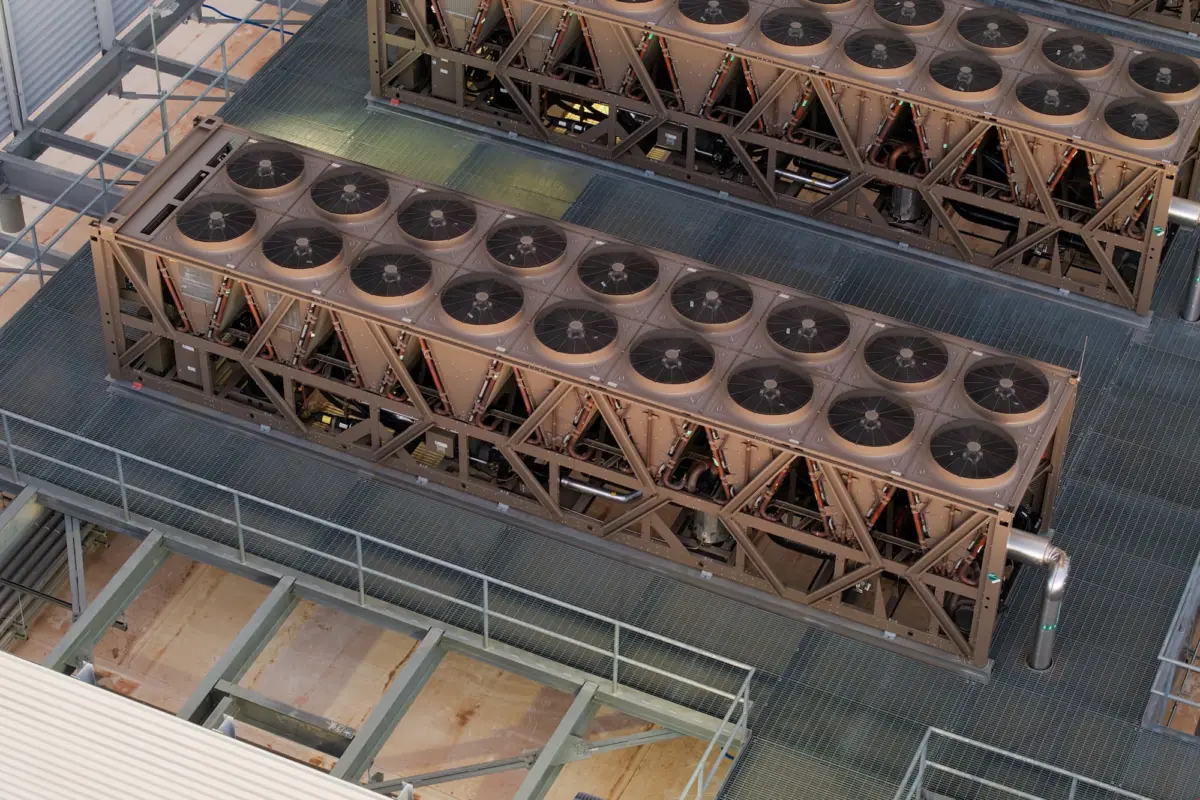
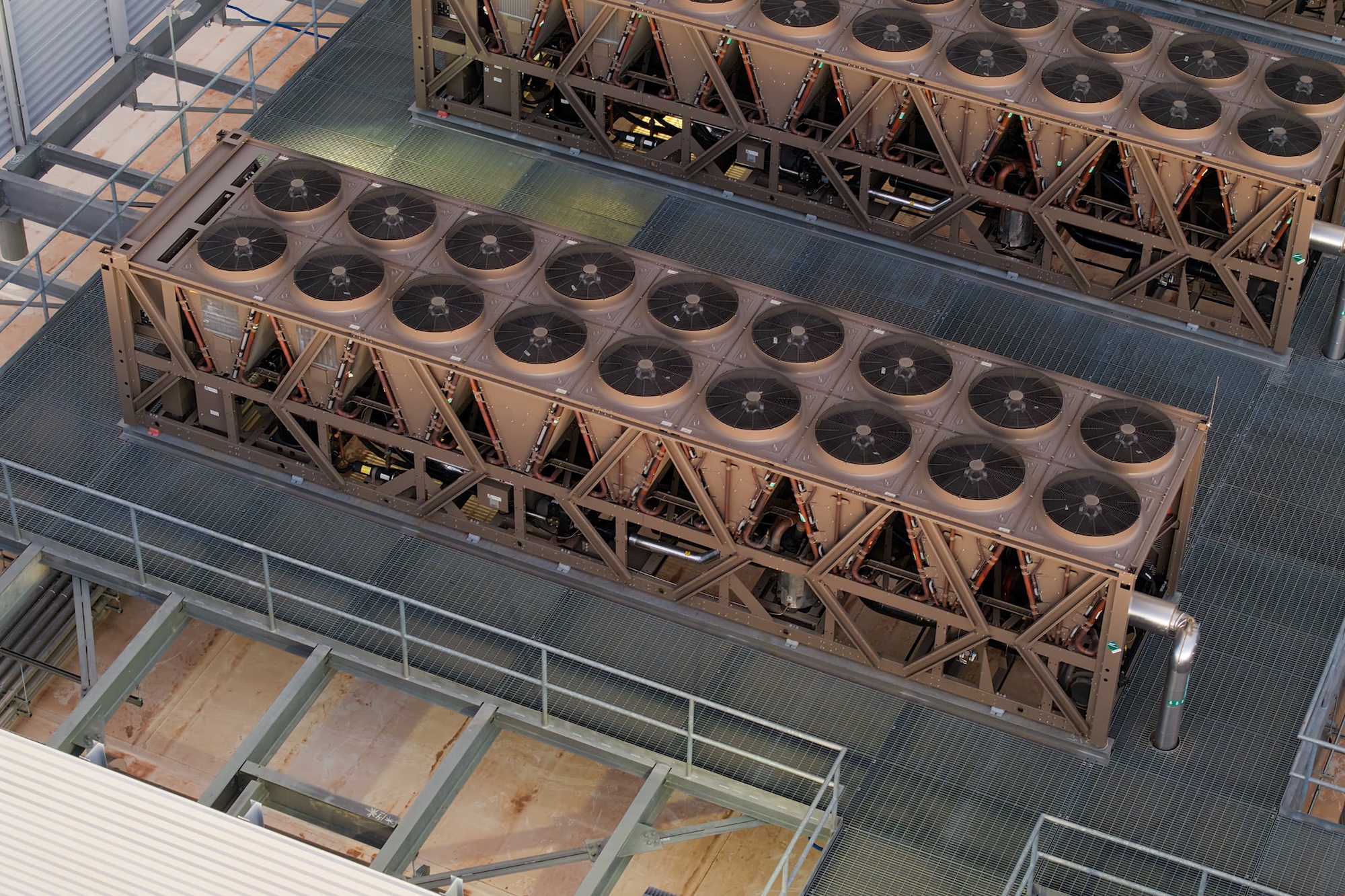
The primary concern for urban residents is the massive heat signature generated by these facilities. New research from Arizona State University’s (ASU) School of Geographical Sciences and Urban Planning has provided the first precise, ground-level data on how data center waste heat migrates through neighborhoods. Unlike previous studies that relied on satellite thermal imaging, ASU researchers deployed air temperature sensors upwind and downwind of four hyperscale facilities in the Phoenix area.

The study, led by Dr. David Sailor, found that data centers can raise the temperature of the surrounding neighborhood by as much as 4 degrees Fahrenheit. This heat does not remain static; the research documented hotter air temperatures up to five city blocks away from the facility’s cooling towers. Dr. Sailor characterized this waste heat as a "previously undocumented urban thermal hazard," noting that even a one- or two-degree increase in an already extreme environment can significantly impact public health, increasing the risk of heatstroke and escalating energy costs for residents who must run air conditioning longer to compensate.
The waste heat produced by a single large-scale data center is estimated to be equivalent to the heat output of 40,000 households. In a city like Phoenix, where the UV index frequently exceeds 11 and summer temperatures regularly surpass 110 degrees Fahrenheit, this additional thermal load exacerbates an already precarious situation.
Legal and Regulatory Gridlock: The Prop 207 Challenge
When the Phoenix City Council attempted to modernize its zoning laws in 2025 to include specific design standards and noise limits for data centers, it was met with immediate legal pushback. The city’s new rules required special permits for data centers in certain districts, mandating noise-dampening technology and larger setbacks from residential areas.
However, developers and landowners leveraged Arizona’s Proposition 207, a 2006 law that allows property owners to seek compensation if new land-use regulations reduce the market value of their property. At least 11 entities filed claims against the city, demanding a total of $753 million in compensation for lost project value. To avoid a catastrophic hit to the municipal budget, Phoenix has been forced to negotiate waivers with several developers, essentially allowing projects to bypass the new environmental standards in exchange for dropping their lawsuits.
This legal dilemma has caused a "spillover" effect into neighboring jurisdictions. When Aligned Data Centers faced stricter regulations in Phoenix, the company shifted its focus to Peoria, Arizona. There, the company filed plans for a 95-acre facility in an industrial zone that historically allowed large-scale water users without restriction. While Peoria is now rushing to update its own zoning rules, these changes may not apply retroactively to projects already in the pipeline.
National Opposition and the 2026 Midterm Elections
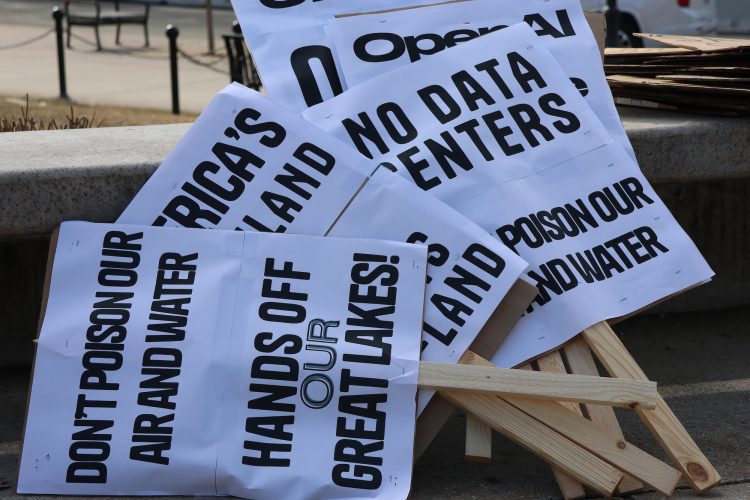
The conflict over data center development has evolved from a local zoning issue into a high-level political flashpoint. As the 2026 midterm elections approach, candidates in several states are being pressed to take a stand on "data center sprawl." According to data from Connected Capital, there are currently 399 local moratoriums in various stages of progress across 44 U.S. states, along with 32 bills pending in state legislatures aimed at curbing the environmental impact of the industry.
Public opposition is not limited to the Desert Southwest. In Aurora, Colorado, residents recently mobilized against a proposed data center—the state’s largest—that would include 28 emergency diesel generators located near a residential area and a senior housing community. During a heated city council meeting, residents expressed fears regarding air pollution from generator testing and the constant hum of cooling fans. This grassroots activism reflects a growing national sentiment that the "cloud" has very real, very physical consequences for those living in its shadow.
Broader Implications and Global Standardization Efforts
The lack of a unified federal framework for data center sustainability has led to a fragmented landscape of regulations. In response, a coalition of 42 global cities, including Phoenix and 20 other U.S. municipalities, joined the Global Urban Data Centres Pact. Formed in partnership with the C40 urban advocacy organization, the Pact aims to establish a "mayoral-led vision" for sustainable data development.
The Pact focuses on four key pillars:
- Clean Power: Requiring developers to invest in new renewable energy capacity rather than just drawing from the existing grid.
- Water Conservation: Encouraging "closed-loop" cooling systems or air-cooling technologies that minimize water consumption in stressed basins.
- Waste Heat Recovery: Exploring ways to capture the heat generated by servers to provide district heating for nearby buildings—a solution more viable in cooler climates than in Phoenix.
- Community Engagement: Mandating transparency regarding noise levels, backup power emissions, and local infrastructure investments.
Conclusion: The Path Forward
The data center industry stands at a crossroads. While the demand for AI and digital services shows no sign of abating, the era of "unregulated growth" is rapidly coming to a close. The findings from Arizona State University serve as a wake-up call for urban planners, demonstrating that the thermal impact of these facilities is a localized public health issue that requires immediate attention.
For cities like Phoenix, the challenge lies in balancing economic development with the fundamental right of residents to a livable environment. As voters head to the polls for the 2026 midterms, the "data center question" will likely influence local and state leadership, potentially ushering in a new era of strict environmental mandates. The future of the urban landscape depends on whether technology and policy can finally move at the same speed, ensuring that the infrastructure of the digital age does not come at the expense of the physical world.
