

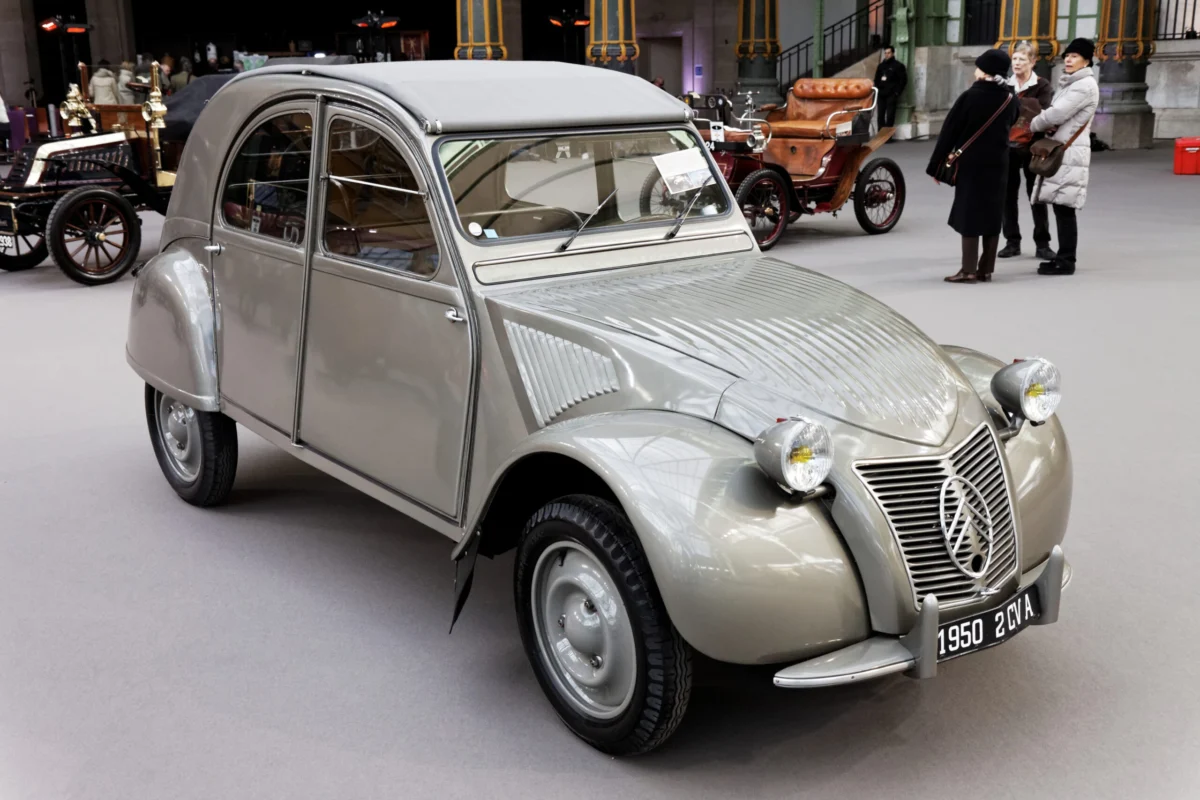
The European automotive landscape, currently grappling with the dual pressures of a sluggish post-pandemic recovery and the aggressive transition to electrification, is poised for a significant disruption. Citroën, the storied French automaker under the Stellantis umbrella, has signaled its intention to develop a modern, all-electric spiritual successor to the legendary 2CV. This move is not merely a nostalgic exercise but a strategic attempt to address a critical gap in the contemporary market: the lack of truly affordable, utilitarian electric vehicles (EVs) for the masses. With a targeted price point of under £15,000 (approximately €17,500), the proposed model aims to democratize electric mobility in a manner reminiscent of how the original 2CV revolutionized French society in the mid-20th century.
The Historical Context of the "People’s Car"
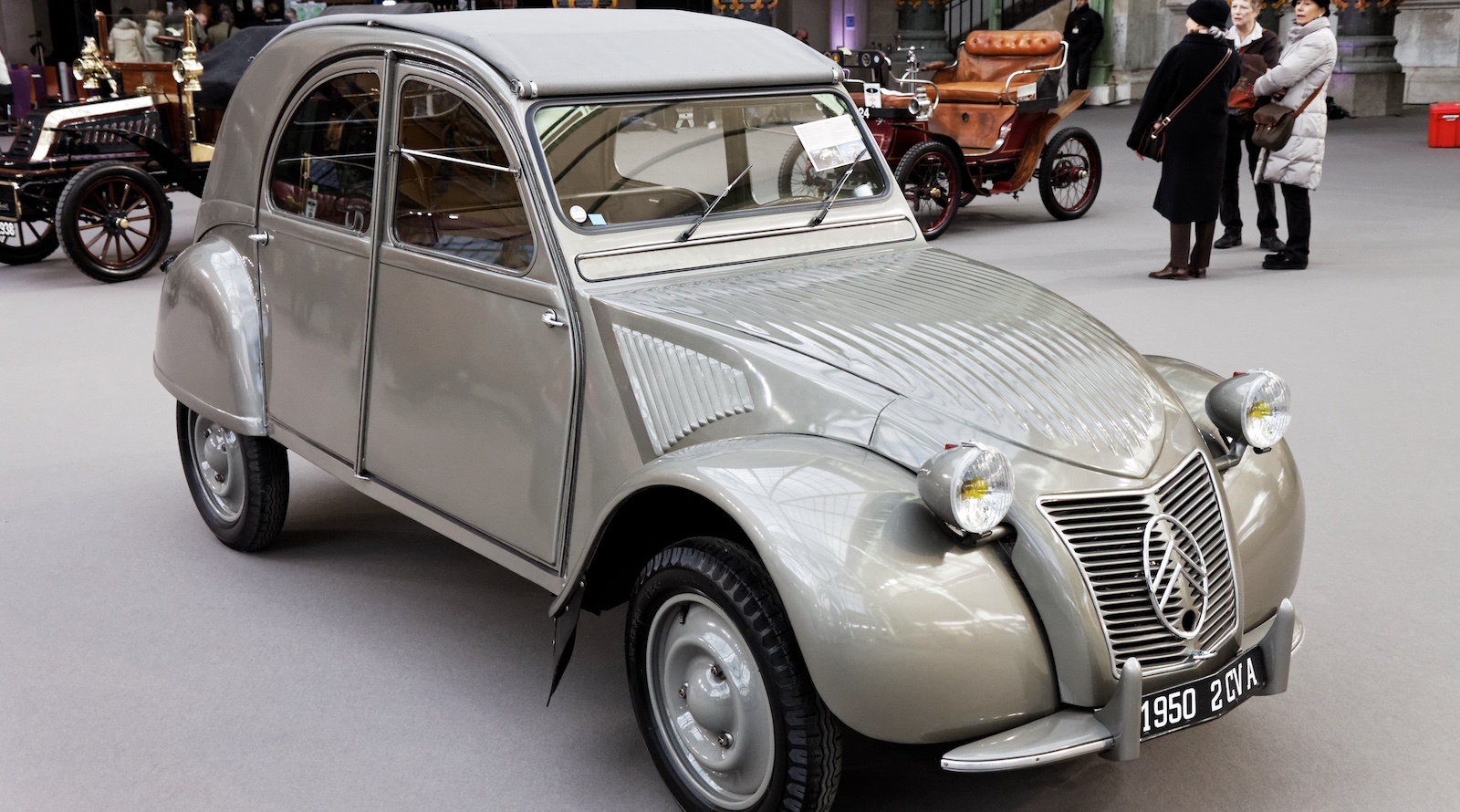
To understand the significance of a potential electric 2CV, one must first look at the legacy of the original Deux Chevaux-Vapeur. Conceived in the late 1930s under the leadership of Pierre-Jules Boulanger, the 2CV was designed with a very specific, utilitarian brief: it had to be capable of carrying four people and 50 kilograms of farm produce—famously including a basket of eggs—across a plowed field without breaking a single shell. It was meant to provide motorized transport to the rural population of France, many of whom were still relying on horse-drawn carriages.
When the 2CV finally launched at the 1948 Paris Motor Show, it was met with both derision from critics—who dubbed it an "ugly duckling" or an "umbrella on wheels"—and overwhelming demand from the public. Its production spanned over four decades, concluding in 1990 after more than 3.8 million units were sold. Along with the Volkswagen Beetle, the Fiat 500, and the Austin Mini, the 2CV became a symbol of post-World War II economic recovery, providing essential mobility that helped rebuild national economies and social structures.
Today, Citroën leadership sees a parallel between the post-war era and the current economic climate. Xavier Chardon, a senior executive within the brand, has highlighted that the European market is currently "stagnant," with high entry prices for electric vehicles effectively pricing out a significant portion of the population. The mission for the new electric model is to recreate the 2CV’s "buying power" for modern consumers, particularly those in essential services who require reliable, low-cost transportation.
Strategic Objectives and the Under-£15,000 Price Point
The primary challenge facing the European EV market is the "affordability gap." While premium and mid-range electric SUVs have proliferated, the A and B segments—traditionally the stronghold of affordable hatchbacks—have seen prices skyrocket due to the high cost of lithium-ion batteries and stringent safety and emissions regulations. Many manufacturers have simply abandoned these segments, citing low profit margins.
Citroën’s proposed sub-£15,000 EV is a direct response to this trend. By targeting this price bracket, Citroën is positioning itself against a new wave of competition, including the Dacia Spring and upcoming low-cost models from Chinese manufacturers like BYD and MG. To achieve such a low price point, the vehicle is expected to utilize the Stellantis "Smart Car" platform. This platform, which debuted with the new Citroën ë-C3, is designed specifically for cost-efficiency, utilizing Lithium Iron Phosphate (LFP) battery chemistry. LFP batteries are less energy-dense than traditional Nickel Manganese Cobalt (NMC) batteries but are significantly cheaper to produce and offer greater longevity.
The focus of this new 2CV successor will be "essentialism" rather than luxury. Following the philosophy of the original, the vehicle is expected to prioritize functionality, ease of repair, and efficiency over high-speed performance or high-end infotainment systems. Chardon noted that while the original was built for farmers, the modern equivalent must serve the needs of urban and suburban workers, such as nurses and delivery staff, who are currently underserved by the premium-heavy EV market.
Chronology of Development and Public Reveal
The roadmap for this new affordable EV is already in motion. Industry analysts and brand enthusiasts are looking toward the Paris Motor Show in October 2024 as a pivotal moment for Citroën. It is widely anticipated that the company will showcase a concept or a "vision" vehicle that outlines the design language and technical specifications of this 2CV-inspired model.
The development timeline follows a broader strategy within Stellantis to regain market share in the entry-level segment.
- 2023: Citroën launched the ë-C3, priced at approximately €23,300, signaling a commitment to lower-cost EVs.
- Early 2024: Internal discussions at Citroën began focusing on a model positioned even lower than the ë-C3, specifically targeting the sub-€20,000 and sub-£15,000 markets.
- October 2024: Expected debut of the concept at the Paris Motor Show.
- 2025-2026: Potential start of production, leveraging existing Stellantis manufacturing hubs in Eastern Europe or North Africa to maintain low labor costs.
Technical Feasibility and Modern Constraints
Building a modern 2CV is significantly more complex than building the original. The 1948 model weighed less than 600 kilograms and lacked almost all modern safety features. A modern electric version must comply with Euro NCAP safety standards, which include airbags, crumple zones, and advanced driver assistance systems (ADAS). These requirements add weight and cost.
To maintain the spirit of the 2CV while meeting 21st-century standards, Citroën is likely to employ several weight-saving and cost-cutting measures:
- Simplified Interior: Replacing expensive dashboard screens with smartphone-based interfaces, a strategy already seen in the Citroën Ami and ë-C3.
- Modular Construction: Using fewer parts to reduce assembly time and complexity.
- Optimized Range: Rather than aiming for a 300-mile range that requires a massive, expensive battery, the vehicle will likely feature a modest 25kWh to 35kWh battery pack, providing roughly 120-150 miles of range—sufficient for the daily commutes of its target demographic.
- Design Cues: While Chardon warned against "nostalgia for nostalgia’s sake," the vehicle is expected to incorporate iconic 2CV elements, such as a high ground clearance, a distinctive roofline, and perhaps a modern interpretation of the roll-back canvas roof.
Market Implications and Official Perspectives
The announcement has sparked a range of reactions from industry stakeholders. Competitors are watching closely, as a successful sub-£15,000 EV from a major European brand could force a price war in the entry-level segment. Renault is already preparing its Renault 5 E-Tech and a future Twingo EV to compete in the affordable space, while Volkswagen is developing the ID.2all, though its price target is slightly higher at €25,000.
Xavier Chardon’s comments reflect a pragmatic approach to the brand’s heritage. He acknowledged that the 2CV is a "part of France," often used in weddings and as a symbol of French lifestyle for tourists. However, he emphasized that for the car to be a commercial success, it must be a viable tool for modern life, not just a retro novelty. "We all have in mind a lot of revivals that didn’t follow this path," Chardon remarked, referencing the mixed success of other retro-inspired models in the industry.
The economic impact of such a vehicle could be substantial. By providing a low-cost entry point into EV ownership, Citroën could accelerate the decommissioning of older, polluting internal combustion engine (ICE) vehicles in European cities. Furthermore, it addresses the "mobility poverty" that has become a political flashpoint in France and other EU nations, where rising fuel costs and urban "Low Emission Zones" (LEZ) have disproportionately affected lower-income drivers.
Future Outlook: Can Citroën Save the Small Car?
The "death of the small car" has been a recurring headline in the automotive press for the last decade. As manufacturers chased the higher margins of SUVs, the humble hatchback seemed destined for extinction. Citroën’s gamble on an electric 2CV successor suggests a different future—one where the small car is reborn through electrification and smart engineering.
If Citroën can deliver on its promise of a £15,000 electric vehicle that captures even a fraction of the original 2CV’s charm and utility, it could fundamentally shift the trajectory of the European EV transition. The success of the project will depend on whether the company can balance the high costs of European production with the aggressive pricing required to win over skeptical consumers.
As the industry prepares for the Paris Motor Show, the focus remains on whether Citroën can truly translate the 1940s brief of "mobility for the masses" into a digital, electric age. The goal is clear: to move from being a brand of history to a brand that provides the essential tools for the future of European transport. Whether it carries 50kg of potatoes or a nurse’s medical equipment, the new 2CV aims to be, once again, the car that puts Europe back on wheels.
