


The economic landscape of nations has been significantly shaped by the implementation of direct cash payments, often framed as stimulus measures, intended to bolster economies during periods of downturn. While these initiatives are frequently lauded by politicians for their immediate popularity with voters and are presented as potent tools for economic revitalization, a critical examination by economists reveals a more complex and often less effective reality. The fundamental question arises: are these payments genuine economic interventions, or are they sophisticated forms of vote-buying, designed to secure electoral support with little regard for long-term economic health? The answer, particularly from an economic perspective, leans heavily towards the latter, suggesting that these policies often fail to address the root causes of economic instability and instead impose a burden on future generations.
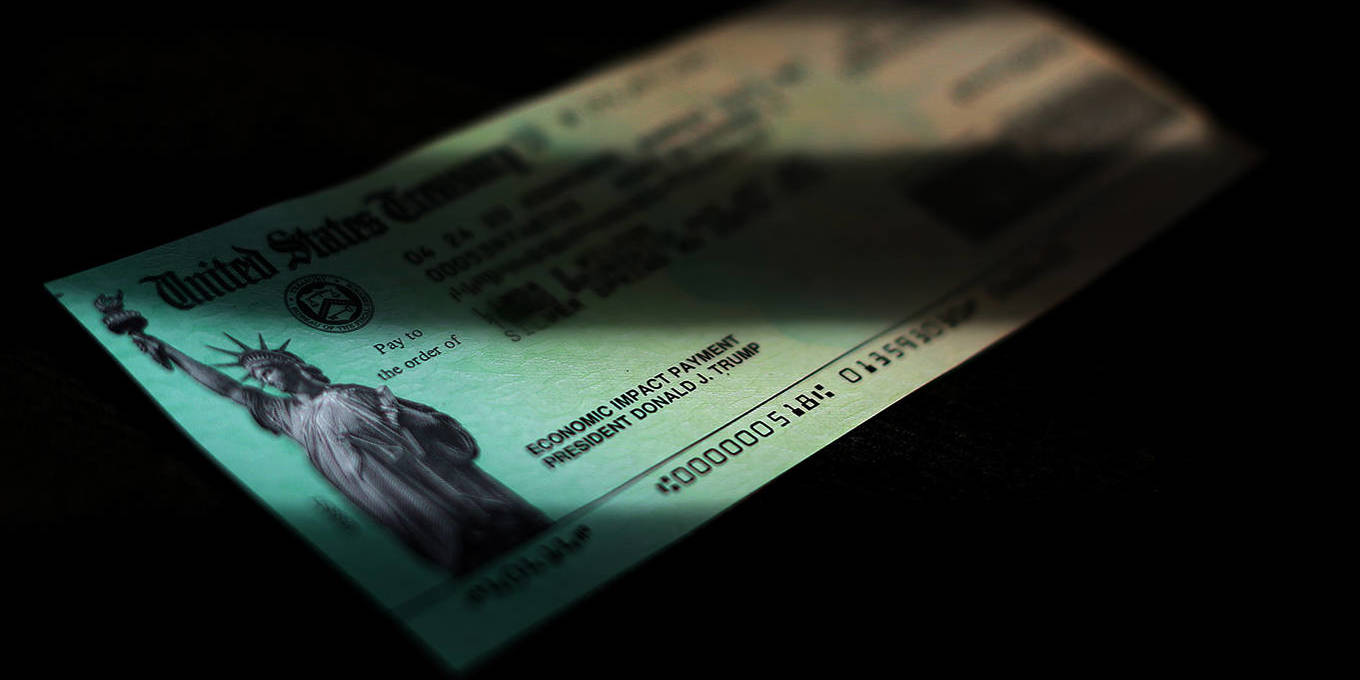
The visual of a US COVID stimulus check, a tangible representation of direct financial aid, became ubiquitous during recent global economic disruptions. These checks, distributed in significant numbers, were intended to inject much-needed liquidity into households, stimulating consumer spending and preventing a more severe economic contraction. However, the intended effect of a broad economic supercharge has not always materialized as anticipated. A substantial portion of the funds, rather than being injected back into the economy through immediate spending, has often been observed to sit idle in recipients’ bank accounts. This phenomenon raises questions about the efficacy of such blunt instruments in achieving dynamic economic growth, particularly when compared to more targeted or structural economic policies.
The Political Appeal and Economic Critique of Direct Cash Payments
The political appeal of direct cash payments is undeniable. For elected officials, the act of sending money directly to constituents is a powerful and easily communicable gesture of support and action. It offers a tangible benefit that voters can directly associate with the governing party or administration. This can translate into increased public approval ratings and, crucially, a higher likelihood of electoral success. The narrative is simple: the government is helping its people during tough times. This simplicity, however, belies the underlying economic realities.
Economists, on the other hand, often view these payments with a more critical eye. Their primary concern is that direct cash infusions, while providing temporary relief, do little to address the fundamental structural issues that may be causing economic downturns. These underlying causes can range from chronic unemployment due to technological shifts, inadequate infrastructure, or a lack of investment in key industries, to issues in international trade or fiscal imbalances. Simply putting money into people’s hands does not, in itself, create new jobs, foster innovation, or improve the long-term productivity of the economy. Instead, it can lead to a situation where a nation repeatedly resorts to borrowing or printing money to fund these payments, thereby accumulating debt that future generations will be obligated to repay.
A Brief Chronology of Stimulus Measures
The concept of government-issued stimulus checks is not new, but its widespread application saw a significant surge in recent years.
- The Global Financial Crisis (2008-2009): In response to the severe recession triggered by the collapse of the housing market, many governments, including the United States, implemented economic stimulus packages. In the US, the American Recovery and Reinvestment Act of 2009 included tax rebates, which served a similar purpose to direct cash payments, aiming to boost consumer spending.
- The COVID-19 Pandemic (2020-2022): The unprecedented economic shock caused by the global pandemic led to a series of massive stimulus packages worldwide. In the United States, three major rounds of direct payments, commonly referred to as "stimulus checks," were issued under the CARES Act (2020), the Consolidated Appropriations Act (2021), and the American Rescue Plan (2021). These payments varied in amount and eligibility criteria, with the largest being $1,400 per eligible individual.
- Ongoing Debates: Even after the immediate crisis subsided, discussions about the efficacy and necessity of ongoing direct cash payments or similar stimulus measures have persisted, particularly in light of persistent inflation and economic uncertainties.
Supporting Data: The Paradox of Savings
While the intention behind stimulus checks is to drive economic activity, data has often shown a significant portion of these funds being saved rather than spent. For instance, reports from the Federal Reserve and other financial institutions during the pandemic indicated that a considerable percentage of stimulus money was deposited into savings accounts or used to pay down debt. While saving and debt reduction are prudent financial behaviors for individuals, they do not generate the immediate demand-side boost that is the theoretical underpinning of stimulus programs.
One study by the University of Michigan in 2021, analyzing spending patterns following the first round of stimulus checks, found that while there was an increase in consumption, a substantial amount was also directed towards savings and debt repayment. This suggests that for many households, the primary use was to shore up their financial resilience rather than to engage in discretionary spending that would ripple through the broader economy. This tendency is more pronounced among higher-income households who may not face immediate financial pressures and among those who are more risk-averse or anticipate future economic instability.
The "Vote Buying" Accusation: A Political Dilemma
The accusation that direct cash payments amount to little more than vote buying is a recurring theme in political discourse. Critics argue that the timing and nature of these payments are often strategically aligned with electoral cycles, aiming to garner favor with the electorate. The popularity of these measures among voters, who directly benefit from the financial infusion, creates a powerful incentive for politicians to continue offering them, regardless of their long-term economic merit.
For instance, during election campaigns, the promise of future stimulus or the announcement of an ongoing payment program can be a potent tool to sway undecided voters. The tangible and immediate benefit of receiving money often outweighs abstract economic arguments about fiscal responsibility or long-term growth. This dynamic creates a political feedback loop where the demand for such payments is continually reinforced, even if economists warn of their potential inflationary effects or their role in exacerbating national debt.
Broader Impact and Implications: A Debt for Future Generations
The long-term implications of relying heavily on direct cash payments as an economic policy tool are a significant concern.
Fiscal Sustainability and Debt Accumulation
The funding of these stimulus packages often comes from increased government borrowing or, in some cases, quantitative easing by central banks. This leads to a ballooning national debt. Future generations are then left to contend with the burden of servicing this debt, which can translate into higher taxes, reduced public services, or slower economic growth due to the drag of interest payments.
Inflationary Pressures
When a large amount of new money is injected into the economy without a corresponding increase in the supply of goods and services, it can lead to inflation. Increased consumer demand, fueled by stimulus checks, can outpace the economy’s ability to produce goods, driving up prices. This erodes the purchasing power of all consumers, including those who received the stimulus, and can disproportionately harm lower-income individuals. The surge in inflation observed in many economies following the extensive pandemic-related stimulus programs is a prime example of this potential consequence.
Distorted Economic Incentives
A consistent reliance on direct payments can also distort economic incentives. If individuals come to expect regular government handouts, it might reduce their motivation to seek employment, invest in education or skills development, or engage in entrepreneurial activities. This can lead to a less productive and dynamic economy in the long run.
Lack of Structural Reform
Perhaps the most significant critique from an economic standpoint is that direct cash payments do not address the underlying structural weaknesses that may be causing economic stagnation or inequality. For example, if an economy suffers from a skills gap, simply giving people money will not equip them with the necessary skills for the jobs of the future. Targeted investments in education, job training, infrastructure, and research and development are often more effective in fostering sustainable, long-term economic growth.
Official Responses and Economic Debate
The economic community remains divided, though a significant contingent expresses skepticism about the efficacy of broad-based cash payments as a primary economic tool.
Proponents of direct cash payments often highlight their role in alleviating poverty, reducing income inequality, and providing a crucial safety net during crises. They argue that the immediate relief provided by these payments can prevent widespread hardship and allow individuals to meet essential needs, thereby maintaining a baseline level of economic activity. Some studies have also pointed to the positive impact on mental health and well-being when individuals are relieved of immediate financial stress.
Critics, as previously detailed, focus on the fiscal costs, inflationary risks, and the failure to address root causes. They advocate for more targeted interventions, such as investments in infrastructure, education, and healthcare, which are believed to yield higher long-term returns for the economy. They also emphasize the importance of fiscal discipline and the need to avoid burdening future generations with unsustainable debt.
The debate is ongoing, and the effectiveness of direct cash payments likely depends on a multitude of factors, including the specific economic context, the design of the program, the amount of the payment, and the broader economic policies in place. However, the prevailing economic sentiment suggests that while they may serve as a useful short-term palliative, they are not a panacea for complex economic challenges and carry significant risks if overused or misapplied. The core of the economic argument remains: sustainable economic prosperity is built on productivity, innovation, and sound fiscal management, not on recurring injections of cash that may offer a fleeting sense of relief at the cost of long-term stability.
