

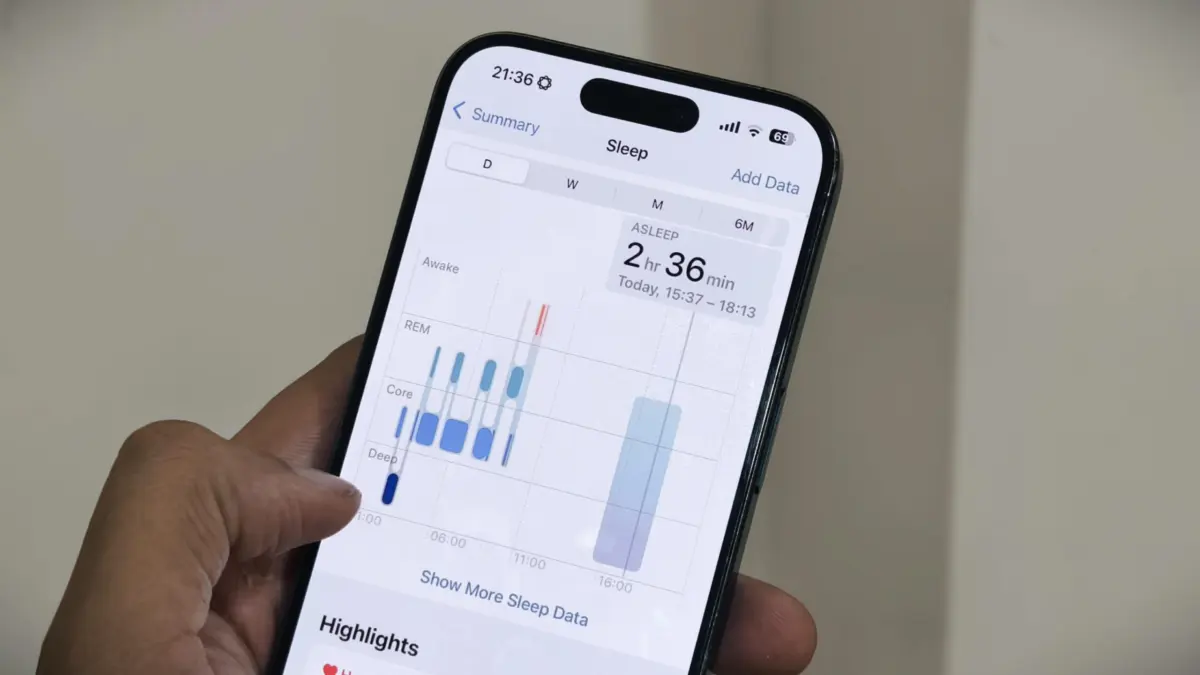
Apple Inc. has officially initiated a landmark research initiative titled the Apple Health AI Usage Study, a strategic move designed to evaluate how conversational artificial intelligence can be integrated into the daily health management of millions of users. Launched in November 2026, the study represents Apple’s most significant foray into the intersection of generative AI and clinical wellness, aiming to refine the comprehension, accuracy, and approachability of AI-driven medical responses. By measuring everyday health behaviors and the quality of automated feedback, the tech giant is laying the groundwork for what industry analysts anticipate will be a sophisticated, personalized AI health coach integrated directly into the iOS ecosystem.
The study is being conducted in collaboration with OpenEvidence, a prominent clinical AI platform that has gained traction among healthcare professionals for its ability to synthesize vast amounts of peer-reviewed medical literature into actionable insights. This partnership underscores Apple’s commitment to clinical rigor, ensuring that the conversational tools tested are not merely chatbots, but evidence-based systems capable of supporting the complex needs of patients and providers alike. As AI continues to permeate the consumer technology sector, this initiative seeks to bridge the gap between speculative technology and validated medical utility.
The Strategic Objectives of the Health AI Usage Study
The primary goal of the Apple Health AI Usage Study is to observe the real-world interaction between users and large language models (LLMs) when discussing personal wellness. Participants are invited to share their HealthKit data—which may include heart rate, sleep patterns, blood oxygen levels, and activity metrics—and query the Health app with specific medical questions. This longitudinal data collection allows Apple to monitor how AI interprets physiological data to provide contextually relevant advice.
Beyond simple symptom checking, the study explores how AI tools can assist in "pre-clinical" preparation. This involves helping patients articulate their concerns more clearly before meeting with a physician, potentially streamlining the diagnostic process. Apple is specifically monitoring the clarity of the AI’s language, its "bedside manner," and its ability to provide information that is both medically sound and easy for a layperson to understand. To mitigate the risks associated with AI "hallucinations"—where a model generates plausible but incorrect information—every recommendation or response generated during the study is linked to peer-reviewed clinical citations.
Dr. Sumbul Desai, Apple’s Vice President of Health and Fitness, emphasized that the study is designed to foster a sense of trust between the user and the technology. In an official statement, Dr. Desai noted that the insights gained would advance the broader scientific conversation, ensuring that as technology evolves, the tools built are those that genuinely support people at every stage of their health journey.
A Legacy of Research: From Heart Rates to Hearing Health
The launch of the Health AI Usage Study follows a well-established pattern for the Cupertino-based company. Apple has historically used large-scale, opt-in research studies to validate features before they are released to the general public. This methodology was notably employed with the Apple Heart Study, conducted in partnership with Stanford Medicine, which paved the way for the FDA-cleared irregular heart rhythm notification and ECG app on the Apple Watch.

Similarly, the hearing health features recently integrated into the AirPods Pro—such as clinical-grade hearing aid functionality and hearing protection—were direct outgrowths of the Apple Hearing Study. By utilizing the vast install base of the iPhone and Apple Watch, the company can gather data at a scale that traditional clinical trials often struggle to achieve. The current AI study is expected to follow this trajectory, moving from a controlled research environment to a core feature of the Health app in future iterations of iOS.
The Competitive Landscape of AI Wellness
Apple’s entry into the AI health coaching space comes at a time of intense competition among Silicon Valley’s largest players. The industry is currently witnessing a "gold rush" toward AI-integrated wellness devices and software. Google, for instance, launched its AI Health Coach within the Fitbit and Google Health Premium ecosystems in late 2025, focusing on providing users with personalized summaries of their activity and sleep data.
Oura, the manufacturer of the Oura Ring, has also introduced a proprietary AI model specifically tailored for women’s health. This model was trained on medical standards and research from an in-house team of board-certified clinicians, highlighting a trend toward specialized, demographic-specific AI assistance. Furthermore, partnerships like the one between Athenahealth and Anthropic’s Claude AI have enabled patients to interact with their own medical records using natural language, signaling a shift toward greater patient agency.
The Apple Health AI Usage Study is positioned as a response to this crowded market, focusing on the integration of Apple Intelligence with the deeply personal data already stored in the Health app. By leveraging on-device processing and its "Private Cloud Compute" infrastructure, Apple aims to offer a level of privacy that competitors may find difficult to match.
Public Adoption and the Shift in Medical Advice
The timing of Apple’s study coincides with a significant shift in how the public consumes medical information. According to a 2026 report from the Pew Research Center, approximately 34% of U.S. adults have utilized a chatbot for medical advice or to interpret symptoms. As AI models become more sophisticated and accessible via smartphones, this percentage is projected to rise sharply over the next decade.
However, the medical community remains cautious. Robert M. Wachter, M.D., Professor and Chair of the Department of Medicine at UCSF, pointed out that while both patients and clinicians are turning to AI, the tools are often developed in silos. "Patients and clinicians are both turning to AI, but the tools they use are being built and tested in separate worlds," Dr. Wachter stated. Apple’s study aims to break these silos by involving both user-generated data and clinical-grade verification from OpenEvidence, potentially creating a unified platform that both parties can trust.
Methodology, Eligibility, and Enrollment
To ensure the statistical significance of the findings, Apple is opening the study to 200,000 eligible participants across the United States. Enrollment is restricted to individuals aged 21 and older who possess the necessary hardware to support Apple’s most advanced AI features. This includes an iPhone 15 Pro or later models, which are equipped with the silicon required for Apple Intelligence. Furthermore, the devices must be running iOS 26 or later, reflecting the software’s deep integration with the study’s protocols.

Participants must download a dedicated "Apple Health AI Study" app, where they provide informed consent and undergo a screening process. Once enrolled, the app operates in the background, analyzing how users interact with the Health app’s conversational interface. Apple has reiterated that data privacy remains a cornerstone of the study; all data shared is encrypted, and participants have the option to withdraw and delete their data at any time.
Implications for the Future of Healthcare
The long-term implications of the Apple Health AI Usage Study extend beyond the development of a new consumer feature. If successful, the study could provide a blueprint for how AI can reduce the burden on primary care physicians. By handling routine inquiries, providing reliable health education, and helping patients prepare for visits, an AI health assistant could potentially alleviate the "information overload" that often characterizes modern medical consultations.
Moreover, the focus on peer-reviewed citations could set a new industry standard for AI transparency. In an era where "fake news" and medical misinformation are prevalent, Apple’s insistence on linking AI responses to verified scientific literature is a calculated move to position itself as a responsible steward of public health.
As the study progresses, the data collected will likely influence the hardware specifications of future Apple products. There is already speculation among tech analysts that future iterations of the Apple Watch and potentially a dedicated "Health Ring" or smart glasses could serve as more frequent touchpoints for this AI coach, providing real-time feedback based on the findings of this current research.
The Apple Health AI Usage Study is more than a mere software test; it is a comprehensive attempt to redefine the relationship between humans and their personal health data. By combining the reach of the iPhone with the clinical depth of OpenEvidence, Apple is attempting to transform the smartphone from a passive recording device into an active, intelligent partner in the quest for longevity and wellness. The results of this study, expected to be analyzed over the next 18 to 24 months, will undoubtedly shape the regulatory and consumer landscape of digital health for years to come.
