

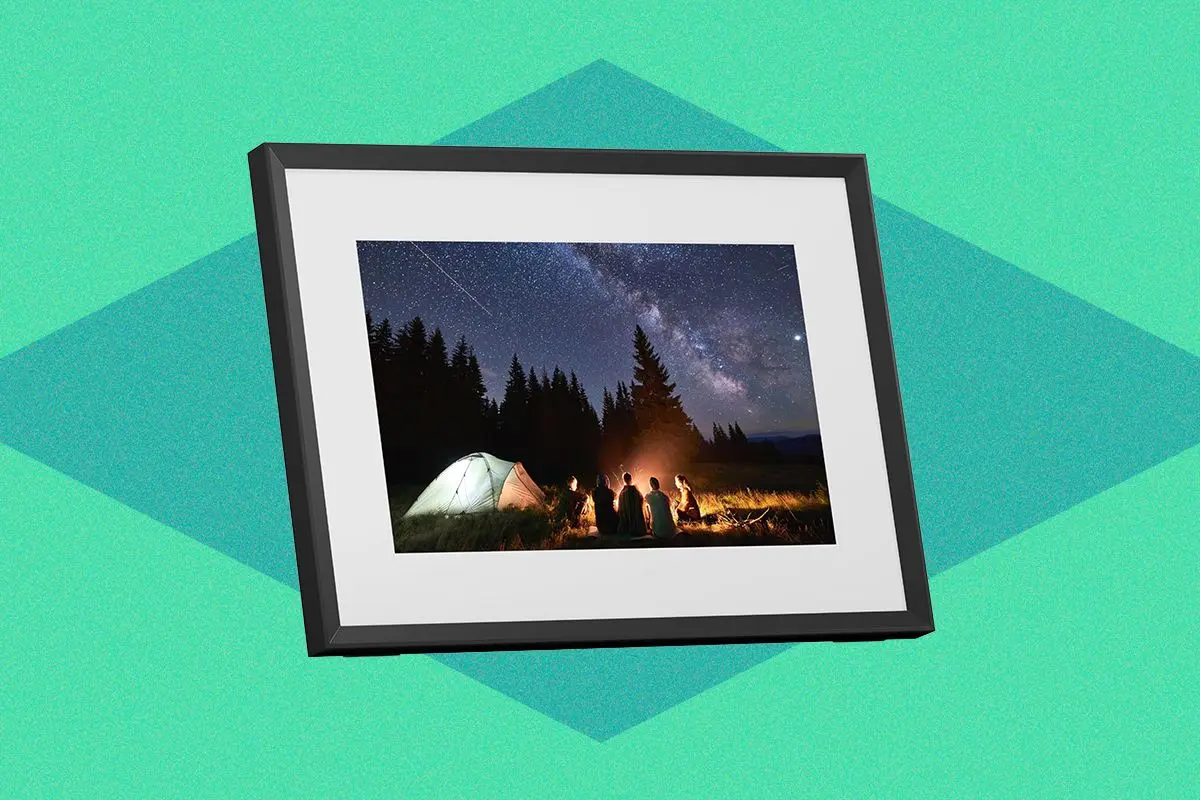
Digital photo frames have evolved from simple, low-resolution LCD screens into sophisticated, cloud-connected smart home devices that serve as central hubs for family memories and domestic organization. Once considered a niche novelty of the early 2000s, the modern digital frame has undergone a technological renaissance, driven by improvements in display panel quality, the ubiquity of smartphone photography, and the integration of artificial intelligence. Today, these devices offer a seamless bridge between the thousands of images stored on mobile devices and the physical living space, providing an automated, high-fidelity method for displaying photography without the need for traditional printing and framing.
The resurgence of this market is evidenced by a shift in consumer behavior. According to industry market research, the global digital photo frame market is projected to maintain a steady growth rate, fueled by the "silver tech" sector—products designed to help older generations stay connected with younger, tech-savvy family members. As high-speed Wi-Fi and cloud storage have become standard, the friction of updating a frame has been virtually eliminated, allowing for real-time updates of family milestones across continents.
The Evolution of the Digital Frame: A Chronological Overview
The history of the digital photo frame is marked by three distinct eras of technological capability. In the late 1990s and early 2000s, the first generation of frames relied on physical media. Users were required to manually load images onto SD cards or USB drives, a process that limited the frequency of updates and often resulted in stagnant displays. These early models were frequently criticized for poor viewing angles and low-resolution panels that failed to do justice to digital photography.
The second generation, emerging around 2010, introduced basic Wi-Fi connectivity. While this allowed for some remote uploading, the software interfaces were often clunky, and storage was limited by the device’s internal memory. This era saw the rise of brands like Nixplay, which began to experiment with cloud-based management systems.

The current third generation, which reached maturity in the early 2020s, is defined by seamless ecosystem integration. Modern frames from industry leaders like Aura and Skylight utilize sophisticated mobile applications, unlimited cloud storage, and AI-driven curation. These devices no longer function as isolated screens but as active participants in a household’s digital life, capable of matching portrait photos side-by-side, adjusting brightness based on ambient light, and even integrating with smart home assistants.
Leading Market Contenders: Aura and the Mat-Style Aesthetic
In the current landscape, Aura has emerged as a dominant force, largely due to its commitment to high-resolution hardware and a subscription-free business model. Since 2021, the company has focused on its "Mat" series, which mimics the appearance of a traditional physical photo mat. This design choice is a direct response to consumer feedback requesting devices that blend into home decor rather than looking like "shiny computer screens."
The Aura lineup is segmented by screen size and orientation capabilities:
- The Carver Mat (10-inch): Designed primarily for landscape orientation, this model features a 16:10 aspect ratio. Its software includes a "Photo Match" feature, which uses AI to pair two vertically oriented photos side-by-side to fill the landscape screen effectively.
- The Aspen (12-inch): A mid-range option that offers higher resolution and the versatility of being placed in either portrait or landscape mode.
- The Walden (15-inch): The flagship model, designed for large rooms. Its 15-inch display is wall-mountable and provides enough surface area to be visible from a distance, making it suitable for open-concept living spaces.
Aura’s competitive advantage lies in its "unlimited storage" promise. Unlike many competitors that require monthly fees to maintain cloud backups, Aura includes storage in the initial purchase price, a factor that has contributed significantly to its high consumer satisfaction ratings.
Multifunctionality and the Rise of Smart Calendars
A significant trend in 2024 is the convergence of digital frames with home organization tools. Skylight, a major player in the space, has successfully pivoted toward the "Smart Calendar" market. Their flagship product, the Skylight Calendar 2, features a 15-inch touchscreen that toggles between a digital photo slideshow and a comprehensive family schedule.

This shift reflects a broader movement toward "utilitarian displays." Modern households are increasingly seeking devices that justify their counter space by performing multiple roles. The Skylight ecosystem allows users to sync calendars from Google, Apple, and Outlook, while also maintaining a "chores" list and meal planning features. However, this functionality often comes with a recurring cost. Skylight’s "Plus" plan, which unlocks full photo functionality and advanced calendar features, represents a growing trend of "Software as a Service" (SaaS) in the hardware industry.
Voice Integration and AI: Amazon’s Entry
Amazon has recently expanded its Echo and Alexa ecosystems with dedicated photo hardware. The Amazon Alexa Photo Frame integrates a 10.1-inch display with a full-featured smart speaker. This device represents the "connected" extreme of the market. While Aura focuses on the aesthetic of the "frame," Amazon focuses on the "assistant."
The Alexa Photo Frame utilizes the Amazon Photos app, offering Prime members unlimited full-resolution photo storage. The integration of the Alexa+ AI allows users to interact with the frame via voice commands, asking questions or controlling other smart home devices. Journalistic analysis suggests that this device is aimed at the "Prime-centric" household, where the ecosystem’s convenience outweighs concerns about being locked into a single brand’s software.
Innovative Display Technologies: The E-Ink Frontier
Perhaps the most significant technological departure in recent years is the introduction of E-Ink digital frames. The Aura Ink series utilizes color e-paper technology similar to that found in high-end e-readers. This technology offers several unique advantages:
- Power Efficiency: E-Ink only consumes power when the image changes, allowing for a fully wireless, battery-operated experience.
- Aesthetic Realism: Because E-Ink does not emit light like a traditional LCD or OLED screen, it reflects ambient light, making it look remarkably like a printed photograph.
- Reduced Eye Strain: The lack of a backlight makes these frames ideal for bedrooms or areas where a glowing screen might be distracting.
The Aura Ink 10-inch model, released recently, features a nine-color display palette. While the refresh rate is slower than LCD models—taking several seconds to "melt" into a new image—the result is a device that many observers mistake for a physical print.

Privacy, Security, and Data Handling
As digital frames become increasingly reliant on the cloud, privacy has become a paramount concern for consumers. Journalistic investigations into the sector highlight that "photos are data," and their storage requires robust security protocols.
Leading companies like Aura and Nixplay have implemented end-to-end encryption for photo transmissions. Aura, for instance, allows users to strip metadata—such as GPS coordinates—from photos before they are displayed. However, the industry standard remains that companies may disclose information if legally compelled. Analysts suggest that users concerned with absolute privacy should look for frames that support offline storage via SD cards, though this sacrifices the convenience of remote updates.
Supporting Data and Market Impact
Data from consumer electronics trade groups suggests that the "giftability" of digital frames is their primary market driver. Approximately 60% of digital frame purchases are made as gifts, particularly for grandparents and new parents. The "Grandma Tech" factor has led to specific innovations, such as the Familink frame, which includes a 4G SIM card for households without reliable Wi-Fi, ensuring that the "digital divide" does not prevent seniors from receiving family updates.
The broader impact of these devices is a change in how we consume our own history. In the era of "digital hoarding," where the average smartphone user has thousands of photos that are rarely viewed, the digital frame serves as a curated highlights reel. It transforms "passive data" into "active decor."
Conclusion: The Future of the Digital Canvas
The digital photo frame market in 2024 is defined by a move toward specialization. Whether it is Aura’s focus on high-art aesthetics, Skylight’s drive toward domestic organization, or Amazon’s goal of total smart-home integration, the "one-size-fits-all" approach has ended.

As display technology continues to improve—with 2K and 4K panels becoming more affordable—the line between a digital screen and a physical photograph will continue to blur. The challenge for manufacturers moving forward will be balancing the demand for advanced features with the consumer’s desire for a simple, "set-it-and-forget-it" experience that respects the sanctity and privacy of the home environment. For now, the digital photo frame stands as one of the few pieces of technology that successfully leverages the power of the cloud to foster emotional connection rather than just digital consumption.
