

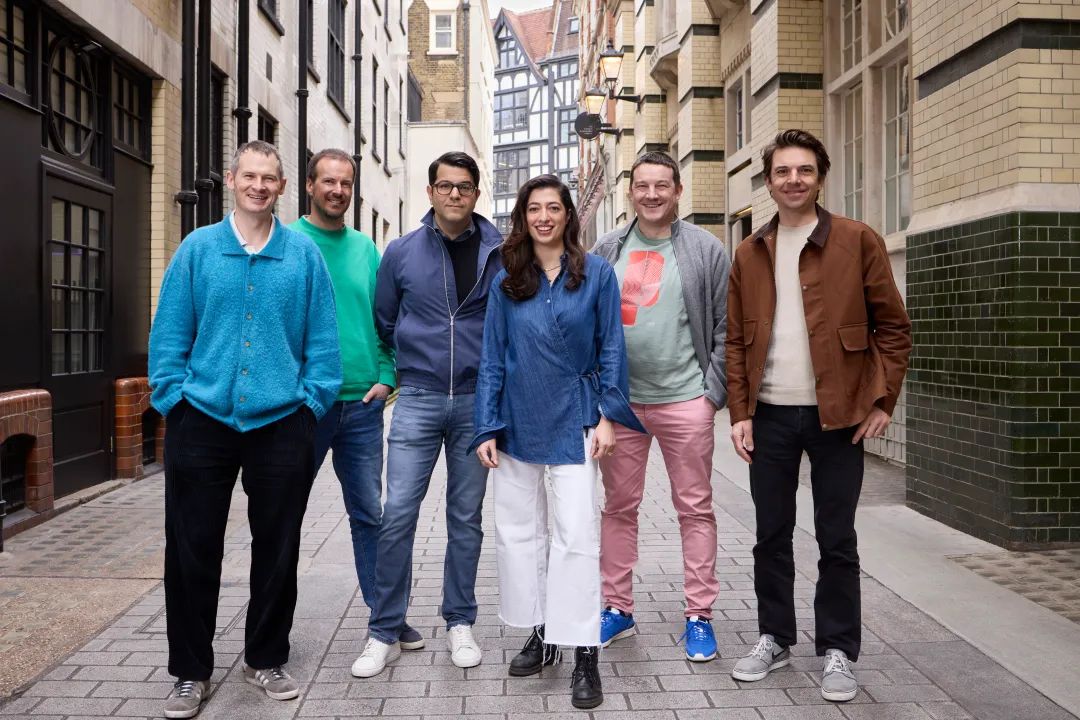
The European venture capital landscape has reached a significant milestone with the announcement that Plural, an operator-led investment platform, has successfully secured €1 billion ($1.1 billion) in new capital. This massive capital injection signals a maturing of the European ecosystem, positioning Plural alongside other major regional players such as Mundi Ventures’ Kembara fund and the EQT-managed Scaleup Europe Fund. The capital raise is structured to address the specific needs of the continent’s most ambitious founders, with two-thirds of the funds allocated to Plural’s third early-stage fund and the remaining one-third dedicated to a new "opportunities" fund designed for strategic follow-on investments.
This dual-bucket strategy reflects a nuanced understanding of the modern startup lifecycle. While Plural remains steadfast in its commitment to early-stage investing, the partners recognize that the current generation of "moonshot" companies—those tackling systemic issues in energy, defense, and infrastructure—requires significantly more capital than the software-as-a-service (SaaS) startups of the previous decade. By establishing a dedicated opportunities fund, Plural ensures it can support its highest-performing portfolio companies as they scale, preventing the dilution of European ownership during later-stage rounds that have historically been dominated by North American or Asian capital.
The Operator-Led Philosophy: A Shift in Venture Dynamics
At the heart of Plural’s identity is its "operator-led" model, a concept that distinguishes it from traditional venture capital firms often staffed by career financiers or former investment bankers. The firm was founded on the premise that the best people to support entrepreneurs are those who have successfully built and scaled multi-billion-dollar enterprises themselves. The partner roster reads like a "who’s who" of European tech success: Taavet Hinrikus, co-founder of Wise; Sten Tamkivi, former executive at Skype and founder of Teleport; Ian Hogarth, co-founder of Songkick and a leading voice in global AI safety; Khaled Helioui, former CEO of Bigpoint; Carina Namih, former CEO of Helix Nano; and Pierre-Dimitri Gore-Coty, a former top executive at Uber who joined the firm in late 2025.
This collective experience allows Plural to offer more than just capital. Partners provide "hard-won" expertise in navigating the complexities of hyper-growth, international expansion, and regulatory hurdles. According to the firm’s operational model, each partner leads only a small number of new investments per year, ensuring they can provide deep, hands-on support to each founder. This approach mirrors the evolution of the U.S. venture market, where firms like Andreessen Horowitz pioneered the "portfolio support" model, providing specialized services in hiring, communications, and finance to their investees.
Strategic Focus: Sovereignty, Resilience, and Deep Tech
Plural’s investment thesis is increasingly aligned with the concept of "European Sovereignty." In an era of geopolitical instability and supply chain disruptions, the firm is prioritizing startups that bolster the continent’s resilience. This includes a heavy focus on energy independence, AI infrastructure, defense technology, and healthcare.
The firm’s interest in defense technology is particularly noteworthy, given the historical reluctance of European VCs to enter the sector. However, the proximity of Plural’s Tallinn office to the Russian border has informed a more pragmatic and urgent view of defense. Partners Khaled Helioui and Sten Tamkivi have noted that the conversation around defense and security changes significantly depending on one’s geographical proximity to conflict zones. This perspective led Plural to back Hypersonica, a missile technology company, and Helsing, a defense AI firm that recently sought to raise $1.2 billion at an $1.8 billion valuation.
Helioui emphasizes that the modern European founder is less interested in building "just another app" and more focused on solving existential challenges. This shift is particularly evident among second-time founders who, having already achieved financial success, are now driven by the desire to impact Europe’s ability to defend itself, manage its own energy grid, and maintain its manufacturing edge.
Detailed Breakdown of the €1 Billion Fund
The €1 billion raise is a testament to the growing confidence of limited partners (LPs) in the European deep tech sector. Historically, institutional LPs in Europe were conservative, often preferring traditional fund structures and "safe" sectors like fintech or consumer retail. The successful closing of this fund indicates a pivot toward higher-risk, higher-reward "moonshots."
- Early-Stage Fund III (€660 Million): The majority of the capital will be deployed into seed and Series A rounds. Plural intends to use these funds to back companies that are capital-intensive from the outset. As Khaled Helioui noted, some "moonshots" may require several hundred million dollars just to move from the research phase to initial deployment.
- Opportunities Fund (€340 Million): This fund is designed to provide follow-on capital for existing portfolio stars. It allows Plural to maintain its influence and equity stake as companies move into Series B, C, and beyond. This is a strategic move to keep European success stories anchored in European capital for longer.
Chronology of Plural’s Growth
Plural’s trajectory has been remarkably steep since its inception. The firm’s evolution reflects the broader acceleration of the European venture market:
- 2022: Plural launches with its first fund, headlined by the "un-VC" manifesto, which criticized the traditional venture model and championed the operator-led approach.
- 2023-2024: The firm builds a robust portfolio, making high-profile bets on fusion energy (Proxima Fusion) and space exploration (The Exploration Company).
- October 2025: Pierre-Dimitri Gore-Coty joins as a full-time partner in Paris, expanding the firm’s reach into the French ecosystem, which has become a hub for AI and deep tech.
- Early 2026: Plural closes its €1 billion fund, marking its transition from a boutique operator fund to a major institutional player in the European market.
Impact on the European Startup Ecosystem
The implications of Plural’s new fund extend beyond the firm’s own portfolio. By successfully raising over a billion dollars, Plural is setting a precedent for other European funds. It proves that there is significant appetite among LPs for deep tech and "sovereignty" plays.
Furthermore, the focus on capital-intensive industries helps bridge the "scale-up gap" that has long plagued Europe. Historically, European startups would find early-stage funding at home but were forced to look to Silicon Valley for the hundreds of millions required to scale manufacturing or infrastructure. With funds like Plural’s €1 billion vehicle, Mundi Ventures’ Kembara, and EQT’s Scaleup Europe, the continent is beginning to build the financial "heavy artillery" needed to keep its most promising companies on domestic soil.
Portfolio Highlights and Future Outlook
Plural’s existing portfolio provides a roadmap for where the new €1 billion will be deployed. Key investments include:
- Proxima Fusion: A Munich-based startup working on stellarator fusion reactors. This represents a high-stakes bet on clean, limitless energy—a cornerstone of European sovereignty.
- The Exploration Company: A developer of reusable space capsules designed to challenge the dominance of U.S.-based SpaceX. This investment highlights Plural’s interest in strategic autonomous infrastructure.
- Helsing: An AI-led defense company that has become a flagship for the "new defense" movement in Europe.
- Hypersonica: A Tallinn-based firm focused on hypersonic missile technology, underscoring the firm’s commitment to regional security.
Looking forward, Plural’s partners expect to see a surge in "dual-use" technologies—innovations that have both civilian and military applications. As AI infrastructure becomes more critical to national security and economic output, Plural is positioned to be a primary financier of the hardware and software layers that will define Europe’s digital future.
Conclusion
The successful closing of Plural’s €1 billion fund marks a turning point for European venture capital. It validates the operator-led model and demonstrates a clear shift in investment priorities toward deep tech, defense, and energy independence. By providing a combination of massive capital and deep operational expertise, Plural is not just funding startups; it is attempting to architect a more resilient and self-sufficient European economy. As the firm begins to deploy this capital, the eyes of the global tech community will be on Tallinn, London, and Paris to see if this new breed of "operator-investors" can truly deliver the moonshots they have promised.
