

The intersection of science fiction and biomedical reality reached a fever pitch earlier this year following reports surrounding R3 Bio, a Bay Area biotechnology firm. The controversy centered on "bodyoids"—described as non-sentient human clones or "organ sacks" intended for harvesting functional organs to achieve extreme life extension. While the company subsequently denied these ambitions, dismissing them as "sensational media coverage," the discourse highlighted a profound shift in the pharmaceutical industry. Beyond the dystopian imagery of lab-grown "clones," a very real and sophisticated movement is underway to replace traditional animal testing with Non-Animal Methods (NAMs). This transition is fueled by a convergence of artificial intelligence, microfluidics, and a regulatory environment that is finally opening its doors to the future of human-relevant science.
The Failure of the Traditional Animal Model
For decades, the pharmaceutical industry has relied on animal models as the gold standard for safety and efficacy. However, the biological gap between species has led to a staggering rate of attrition in drug development. Statistics indicate that approximately 90% of drug candidates that successfully pass animal trials ultimately fail when they reach human clinical trials. These failures are often attributed to unanticipated toxicity or a lack of efficacy in humans—issues that animal physiology, despite its similarities, cannot always predict.
The financial implications of these failures are immense. Developing a single new drug is estimated to cost between $1 billion and $2 billion, involving a timeline of 10 to 15 years. When a drug fails in Phase II or Phase III clinical trials, the loss of investment is catastrophic. Consequently, the race is on to develop human-relevant methods that offer greater predictive accuracy, speed, and scalability.
A Chronology of the Shift Toward NAMs
The movement to move beyond animal testing is not a new phenomenon, but its momentum has accelerated significantly in the last decade.
- 1983: Early computer models began attempting to predict chemical toxicity using pattern recognition. At the time, experts warned that the rising cost of maintaining laboratory animals would eventually force a change, though regulators remained skeptical.
- 2006: Pascal Descargues, a French scientist, began developing methods to preserve human skin for research after finding that mouse skin was an inadequate model for human genetic disorders. This led to the founding of Genoskin.
- 2013: Researchers at Harvard University’s Wyss Institute founded Emulate, focusing on "organ-on-a-chip" technology to create micro-environments for living human cells.
- 2020: Vivodyne was established to integrate robotics and AI into the testing of human organoids, aiming to automate the generation of biological data.
- 2022: A landmark regulatory shift occurred when the U.S. Congress passed the FDA Modernization Act 2.0. This legislation explicitly authorized the use of non-animal tests, such as cell-based assays and computer models, in drug development applications.
- 2024: The FDA’s pilot program for qualifying innovative drug development tools accepted Emulate’s liver chip as the first organ-on-a-chip device for evaluation.
Key Technologies: From Chips to Upcycled Tissue
The landscape of NAMs is defined by three primary technological pillars: in vitro (cells in a dish), in silico (computer simulations), and ex vivo (whole tissue outside the body).
Organ-on-a-Chip (OOC)
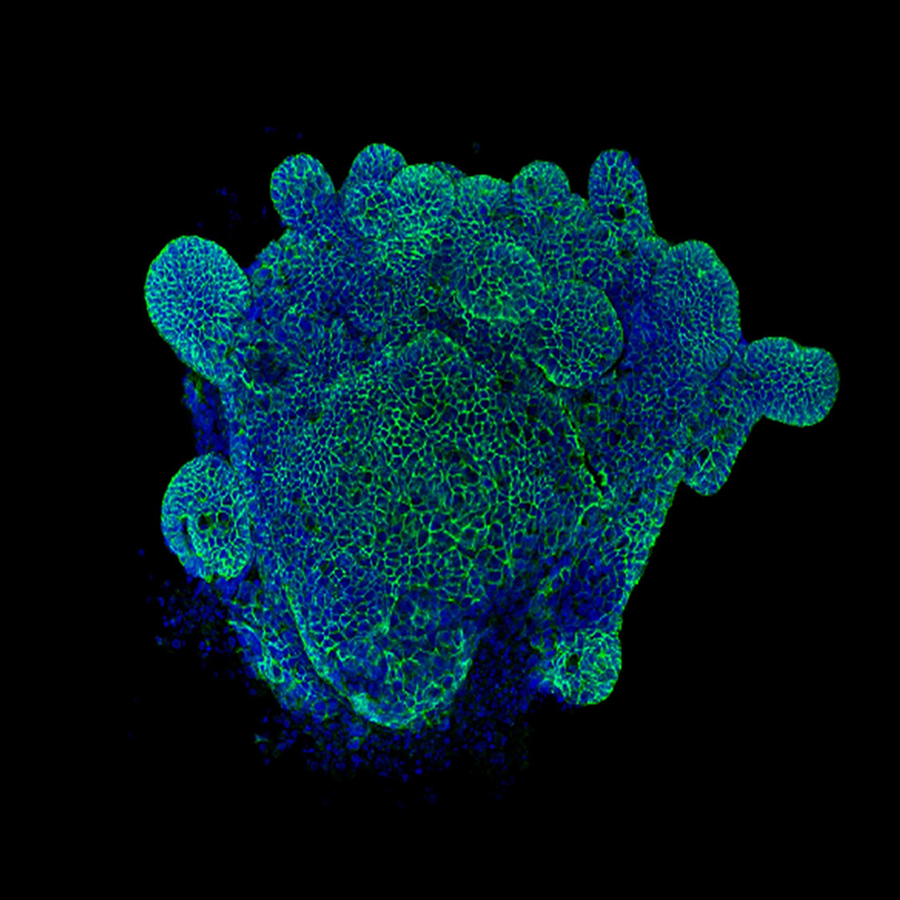
Boston-based Emulate is at the forefront of OOC technology. Their devices are roughly the size of a thumb drive and contain microfluidic channels lined with living human cells. These channels mimic the physical environment of human organs, including blood flow and mechanical breathing motions. In a recent study, Emulate’s liver chip demonstrated an 87% accuracy rate in identifying drugs known to cause liver injury in humans—a major cause of drug-development failure that animal tests often miss. Lorna Ewart, Emulate’s chief scientific officer, notes that these chips serve as a bridge, generating high-quality datasets for AI while validating the outputs of digital simulations.
Robotics and AI-Driven Organoids
Vivodyne, operating out of San Francisco, has scaled the production of organoids—miniature, lab-grown versions of human organs. By utilizing a "self-driving experimentation loop," the company’s 12 robotic labs can perform experiments on more than three million human tissue samples annually. This automated facility, described as the world’s largest human biological datacenter, allows for massive data harvesting that animal testing simply cannot match in volume or human relevance. Eight of the world’s largest pharmaceutical companies have already secured early access to this platform.
Ex Vivo Tissue Upcycling
While some labs grow tissue from scratch, Genoskin utilizes an "upcycling" approach. The company collects donated human skin left over from elective surgeries, such as tummy tucks and facelifts. This skin is biostabilized into thumb-sized cylinders that remain viable for testing for up to 10 days. Founder Pascal Descargues points out that the supply is vast; the amount of skin discarded from such surgeries annually could cover ten football fields. This method provides a "whole tissue" model that includes the immune system’s response, something that simpler cell cultures cannot replicate.
Regulatory Responses and Market Dynamics
The transition to NAMs is no longer just a scientific aspiration; it is an economic and regulatory priority. Following the 2022 FDA legislation, other global entities have followed suit. Regulators in the United Kingdom, Canada, and the European Union have introduced policies aimed at phasing out animal testing in favor of more modern alternatives.
This shift has triggered a surge in investor confidence. Market analysts project that the global non-animal alternative testing market will grow at a compound annual growth rate (CAGR) of 12.8% from 2024 to 2030, reaching an estimated value of $4.5 billion. Recent funding rounds reflect this trend:
- Emulate has raised nearly $225 million to date, including an $82 million Series E round.
- Vivodyne secured $40 million in Series A funding led by Khosla Ventures.
- Genoskin raised $8.7 million in 2025 to expand its production sites and develop new models for inflammatory reactions.
Pascal Descargues reported that Genoskin saw a 10-fold increase in revenue following the passage of the FDA Modernization Act, illustrating the immediate impact of policy changes on the biotech sector.
Challenges to Implementation: Culture and Validation
Despite the technological and regulatory progress, hurdles remain. The primary challenge is not the lack of technology, but the "culture of the status quo." Troy Seidle, a veteran advocate for animal-free science, argues that a "base, emotional fear response" often prevents researchers and regulators from abandoning the animal models they have used for decades.
Furthermore, there is a perceived "double standard" in validation. NAMs are often required to prove their efficacy against animal models that were themselves never subjected to modern validation processes. "We’re trying to validate [NAMs] against something that’s never gone through any kind of validation process, ever," Seidle remarked, highlighting the inherent bias in the current system.
Additionally, while individual organ models are becoming highly sophisticated, "whole-body integration"—simulating how a drug affects the entire interconnected human system—remains the "holy grail" of the industry. Current methods are excellent at modeling specific organ toxicity, but replicating the complex communication between the brain, gut, and immune system in a single simulation is still in its early stages.
Broader Impact and Ethical Implications
The move toward NAMs represents a rare alignment of ethical, scientific, and economic interests. For animal welfare advocates, the replacement of rodents and primates with chips and robots is a long-awaited "utopia." For pharmaceutical companies, it is a path toward reducing the multi-billion-dollar risks associated with drug failure. For patients, it promises faster access to safer, more effective treatments.
The "bodyoid" controversy, while perhaps sensationalized, serves as a reminder of the ethical boundaries that will need to be navigated as biotechnology advances. However, the immediate reality is far more grounded: the industry is shifting toward a "new game" where human biology, rather than animal proxies, sits at the center of discovery.
As AI continues to lower the cost of expertise and robotics reduces the cost of labor, the laboratory of the future will likely look less like a kennel and more like a high-tech data center. The transition from the "horse and buggy" of animal testing to the "high-speed rail" of human-relevant models is no longer a matter of if, but how fast. With regulatory barriers falling and technological capabilities rising, the era of animal-free drug development is finally becoming science fact.
