

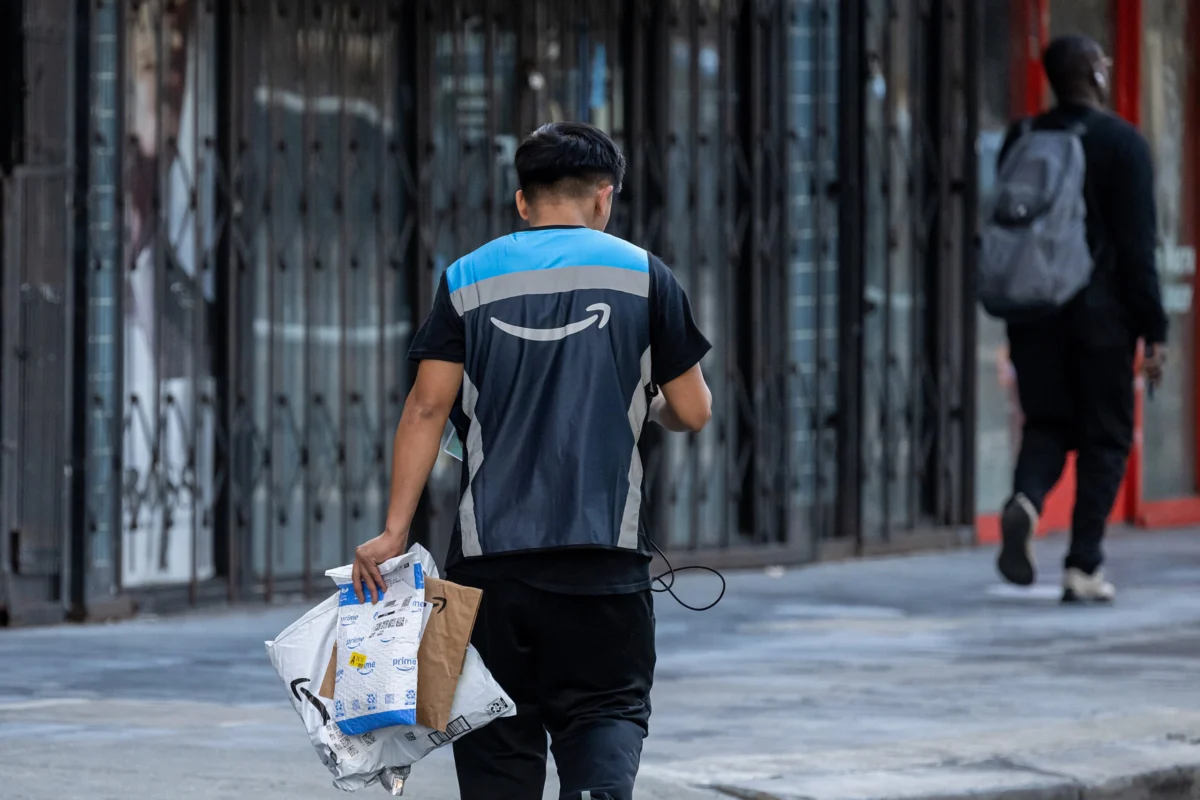
Amazon has officially confirmed that its annual Prime Day shopping event will span four days in 2026, scheduled to run from June 23 through June 26. This marks the second consecutive year that the Seattle-based e-commerce titan has opted for an extended 96-hour format, a significant departure from the 48-hour window that defined the event for much of its history. The decision to maintain the longer duration comes at a pivotal moment for the global retail sector, as persistent inflation and geopolitical instability continue to reshape consumer behavior and discretionary spending patterns.
Since its inception in 2015 to commemorate the company’s 20th anniversary, Prime Day has evolved from a single-day experiment into a cornerstone of the global retail calendar. Originally designed to bolster the value proposition of the Prime membership program and provide a mid-year revenue surge during the traditional summer doldrums, the event now serves as a critical barometer for the health of the American consumer. As Amazon prepares for the 2026 iteration, the company is navigating a complex landscape characterized by record-low consumer sentiment and a strategic shift in buyer priorities toward household necessities and groceries.
The Evolution of a Retail Phenomenon
The trajectory of Prime Day reflects Amazon’s broader strategy of ecosystem lock-in. When the event launched over a decade ago, it was met with skepticism by some industry analysts who questioned whether a "made-up holiday" could generate significant volume. However, by 2019, Prime Day had expanded to 48 hours and began outperforming traditional shopping milestones like Black Friday and Cyber Monday in terms of total sales volume.
The shift to a four-day format, first trialed in 2025, represents a response to changing digital browsing habits. Jamil Ghani, Amazon’s Vice President of Prime, noted that internal data from the previous year indicated that members were not merely engaging in a singular "burst" of shopping but were instead returning to the platform multiple times over several days to compare prices and await specific category discounts.
"We observed Prime members browsing and purchasing items throughout the entire four-day period last year," Ghani stated in a recent interview. By extending the window, Amazon aims to reduce server strain, optimize logistical throughput, and provide a broader stage for the "Lightning Deals" that have become the event’s hallmark. The 2026 event will feature a rotating schedule of discounts, with new deals appearing as frequently as every five minutes during peak windows to ensure sustained engagement throughout the four-day period.
Navigating a Challenging Macroeconomic Landscape
The 2026 Prime Day arrives against one of the most challenging economic backdrops in recent memory. According to data released in May 2026 by the University of Michigan, U.S. consumer sentiment has plummeted to a record low. This decline is attributed to a confluence of factors, most notably the ongoing conflict between the United States and Iran, which has sent shockwaves through global energy markets.
Surging crude oil prices have had a cascading effect on the cost of living, driving up transportation costs and, by extension, the price of consumer goods. For many households, particularly those in the lower-to-middle income brackets, the "inflationary tax" on gasoline and heating has severely curtailed the budget available for non-essential purchases. Analysts suggest that the war has introduced a level of uncertainty that makes consumers hesitant to commit to high-ticket electronics or luxury items, which were once the primary drivers of Prime Day success.
In response to these headwinds, Amazon is recalibrating its promotional strategy. While the event will still feature the traditional discounts on Echo smart speakers, Fire TVs, and Kindle e-readers, the primary focus for 2026 will be on "utilitarian value."
A Strategic Pivot to Essentials and Groceries
Recognizing that consumers are increasingly prioritizing "needs" over "wants," Amazon has announced that groceries and household essentials will be the centerpiece of this year’s promotions. Jamil Ghani emphasized that the company is "sensitive and cognizant" of the economic uncertainty facing its global membership base. "Everyone is trying to make their dollar, their euro, their rupee stretch further," Ghani remarked.
To address this, Amazon is leveraging its Whole Foods Market and Amazon Fresh infrastructure to offer unprecedented discounts on food items. Shoppers can expect to see staples such as produce, meats, and pantry essentials priced as low as $1. Personal care items, including soaps, detergents, and hygiene products, are expected to see price cuts of up to 50%.

This strategy mirrors a trend observed over the last three years, where top-selling items on Prime Day have shifted from Instant Pots and headphones to bulk purchases of trash bags, dishwasher pods, and laundry detergent. By positioning Prime Day as a "stock-up" event rather than a "splurge" event, Amazon aims to maintain its relevance in a high-inflation environment. This move also serves to deepen the integration of Amazon’s grocery services into the daily lives of Prime members, a sector where the company continues to face stiff competition from traditional brick-and-mortar giants like Walmart and Kroger.
Prime Membership and the Competitive Landscape
The $139-a-year Prime membership remains the engine of Amazon’s retail dominance. With over 200 million members globally, the program provides a recurring revenue stream and a loyal customer base that spends significantly more on the platform than non-members. However, the rising cost of the membership and the general increase in the cost of living have forced Amazon to work harder to justify the annual fee.
Prime Day serves as a major acquisition vehicle for new members. Historically, the weeks leading up to and during the event see a surge in trial sign-ups. By offering deep discounts on essentials, Amazon is targeting price-sensitive consumers who may have previously viewed Prime as a luxury.
The competitive landscape in 2026 is more crowded than ever. Walmart+ and Target Circle 360 have both launched their own competing mid-summer sales events, often overlapping with Amazon’s dates. These competitors are also leaning heavily into grocery discounts and fuel savings, forcing Amazon to be more aggressive in its pricing strategy. Industry analysts believe that the 2026 "Summer Sales War" will be the most competitive on record, as retailers vie for a shrinking pool of discretionary income.
Logistics, Supply Chain, and the FedEx Factor
A four-day event places immense pressure on Amazon’s logistics network. The company has spent the last several years insourcing its delivery capabilities, reducing its reliance on third-party carriers like UPS and FedEx. This shift has not been without friction.
The announcement of "Amazon Supply Chain Services"—a move that allows Amazon to manage the entire logistics process for third-party sellers even for non-Amazon orders—has drawn criticism and competitive responses from traditional logistics firms. Recently, the CEO of FedEx addressed Amazon’s growing footprint, suggesting that while Amazon has built a formidable "closed-loop" network, it lacks the global flexibility of established carriers.
Despite this, Amazon’s ability to deliver essential items within 24 to 48 hours remains its primary competitive advantage. For Prime Day 2026, the company has reportedly increased its seasonal hiring and optimized its regional fulfillment centers to ensure that the influx of orders for groceries and household goods does not lead to the delivery delays that plagued the event during the early 2020s.
The Broader Implications for the Retail Industry
The success or failure of Prime Day 2026 will provide critical data on the resilience of the digital economy. If Amazon can successfully drive high volume through grocery and essential sales, it will signal a permanent shift in how e-commerce platforms are used—moving from "discovery-based" shopping to "replenishment-based" shopping.
Furthermore, the focus on $1 items and deep discounts on staples may put additional pressure on small and medium-sized businesses (SMBs) that sell on the Amazon marketplace. While Amazon often highlights the success of third-party sellers during Prime Day, the thin margins associated with grocery and household essentials may be difficult for smaller vendors to absorb. To mitigate this, Amazon has introduced new promotional tools for SMBs, allowing them to offer localized deals and participate in the "Climate Pledge Friendly" badge program to appeal to the growing segment of environmentally conscious shoppers.
Conclusion: A Barometer for the Future
As the clock ticks toward June 23, the retail industry is watching closely. Amazon Prime Day 2026 is more than just a sale; it is a strategic maneuver by a global leader to adapt to a world defined by geopolitical strife and economic hardship. By extending the event to four days and pivoting toward the products that consumers truly need, Amazon is attempting to insulate itself from the volatility of the current market.
Whether this four-day marathon will result in record-breaking revenue remains to be seen, but the intent is clear: in an era of uncertainty, the retailer that provides the most tangible value to the household budget will emerge as the winner. For the millions of Prime members preparing their digital carts, the event represents a rare opportunity to find relief from the high prices at the pump and the grocery store, provided they can navigate the 96-hour window of deals.
