


The global landscape of environmental conservation is currently undergoing a period of profound transition, marked by a dual reality of systemic failures in traditional industrial oversight and the emergence of innovative, localized finance models. As nations grapple with the dual crises of biodiversity loss and climate change, the mechanisms used to protect "natural capital"—the world’s stocks of geology, soil, air, water, and all living things—are coming under intense investigation. From the dense boreal forests of Canada to the marine corridors of the Pacific and the tropical reaches of the Amazon, the efficacy of green certifications, government-led restoration projects, and international debt-relief programs is being redefined by both environmental necessity and economic pragmatism.
The Crisis of Credibility in Sustainable Forestry
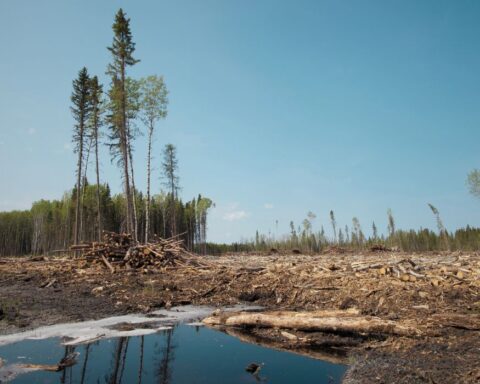
A central pillar of Canada’s environmental strategy has long been its reliance on third-party certification to assure international markets that its timber products are harvested responsibly. However, the Sustainable Forestry Initiative (SFI), the continent’s most widely used certification standard, is currently facing a significant crisis of credibility. Environmental advocacy groups have filed formal complaints with the Competition Bureau of Canada, alleging that the SFI label constitutes "greenwashing" by masking the ecological impacts of widespread clear-cutting.
The SFI was originally established by the forestry industry itself, a fact that critics argue creates an inherent conflict of interest. While the SFI claims to promote biodiversity and water quality, environmentalists point to data showing that large-scale clear-cutting remains the dominant harvesting method in SFI-certified tracts. Clear-cutting involves the removal of almost all trees from a specific area, a practice that can lead to soil erosion, the destruction of old-growth habitats, and the release of significant amounts of stored carbon.

The implications of this dispute are far-reaching. Canada’s forestry sector contributes approximately $25 billion to the national GDP, and much of its export value depends on maintaining a "green" reputation. If the SFI is found to be misleading consumers, it could trigger a shift toward more stringent certifications, such as the Forest Stewardship Council (FSC), or lead to new regulatory frameworks that mandate stricter ecological thresholds for any "sustainable" designation.
The Collapse of the 2 Billion Trees Program
The scrutiny of forest management is compounded by the recent failure of the federal government’s flagship restoration effort. Launched with significant fanfare in 2021, the "2 Billion Trees" program was intended to be a cornerstone of Canada’s plan to achieve net-zero emissions by 2050. The initiative aimed to plant two billion trees over a decade, effectively sequestering carbon while restoring habitats devastated by wildfires and industrial activity.
However, the program has been plagued by logistical hurdles, including a chronic shortage of seedlings and difficulties in securing long-term land-use agreements with provinces and private landowners. By late 2023, reports from the Auditor General highlighted that the program was significantly behind its planting targets. The subsequent decision to scrap or severely scale back the program has sent shockwaves through the conservation community.
The loss of this program represents more than just a failure to meet a numerical target; it signifies a setback in Canada’s ability to use nature-based solutions to mitigate climate change. Forestry experts suggest that without a centralized, well-funded restoration strategy, Canada’s forests—historically a carbon sink—may increasingly become carbon sources as they succumb to pests and more frequent, intense wildfire seasons.

Indigenous Leadership and the Great Bear Sea
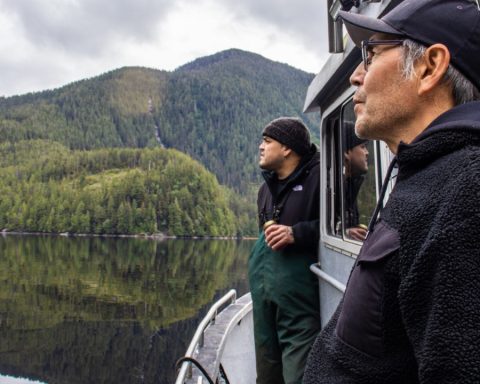
While federal and industrial models face challenges, a different approach is gaining momentum on British Columbia’s north coast. The Great Bear Sea initiative represents a landmark shift toward Indigenous-led conservation finance. First Nations in the region are utilizing a model known as Project Finance for Permanence (PFP), which secures large-scale funding from private philanthropy and government sources to support long-term conservation and sustainable economic development.
This model moves away from the "fortress conservation" approach, which often excluded human activity, and instead integrates the protection of marine ecosystems with the economic well-being of local communities. By establishing Marine Protected Areas (MPAs) that are managed by First Nations, the project aims to restore fish stocks and protect biodiversity while creating jobs in sustainable tourism, monitoring, and small-scale fisheries.
The Great Bear Sea project is being watched globally as a blueprint for the "30 by 30" goal—the international commitment to protect 30% of the world’s land and oceans by 2030. It demonstrates that natural capital can be preserved most effectively when those with the deepest ancestral ties to the land are given the resources and authority to lead.
International Finance: The U.S.-Peru Debt-for-Nature Swap
On the international stage, the concept of "debt-for-nature" swaps is seeing a resurgence as a tool for protecting the Amazon rainforest. A recent agreement between the United States and Peru will redirect millions of dollars in debt payments toward conservation efforts in the Peruvian Amazon. Under the terms of the deal, the U.S. government and several major environmental NGOs will provide funding to "buy down" Peru’s debt, with the savings being deposited into a local fund dedicated to forest protection.
The Peruvian Amazon is a critical global asset, containing some of the highest levels of biodiversity on Earth and acting as a vital regulator of the global climate. However, the region faces constant threats from illegal logging, gold mining, and agricultural expansion. This debt-for-nature swap provides Peru with the fiscal space to invest in park management, law enforcement, and sustainable livelihoods for Indigenous peoples without further straining its national budget.
Data from previous swaps suggests that these mechanisms can be highly effective, provided there is strong local oversight. For Peru, the deal is expected to generate approximately $20 million over the next several years, specifically targeting high-priority conservation areas like the Iquitos region and the headwaters of the Amazon River.
Technology as a Conservation Catalyst: The Ecuador Project
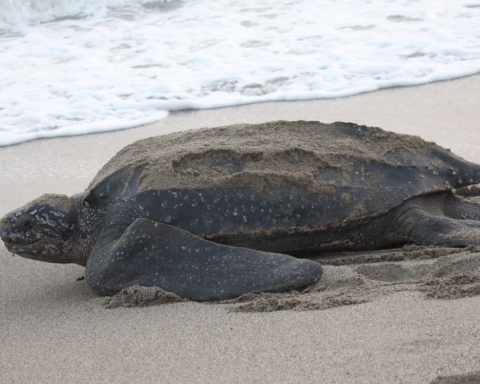
In the Pacific Ocean, technological innovation is filling critical data gaps that have long hindered marine conservation. In Ecuador, scientists have launched an ambitious project to enlist sea turtles as biological sensors. By equipping leatherback sea turtles—one of the most endangered marine species—with satellite tags, researchers are able to track their migratory patterns across vast stretches of the ocean.
Leatherbacks are often referred to as "sentinels of the sea" because their health and movements reflect the overall state of the marine environment. The data collected from these tags provides insights into ocean temperatures, current shifts, and the location of plastic pollution hotspots. Most importantly, it identifies the specific areas where sea turtles are most at risk of being caught as "bycatch" by industrial fishing fleets.
This project is a component of a larger effort to create "blue corridors"—protected migratory routes that span international waters. As climate change alters ocean conditions, static protected areas may no longer be sufficient. Real-time data from satellite-tagged species allows for "dynamic ocean management," where protected zones can move and adapt based on where the animals actually are.
Analysis of Implications for the Future of Natural Capital
The convergence of these stories reveals a fundamental shift in the global approach to natural capital. The era of "self-regulation" in the forestry and extractive industries is facing an unprecedented legal and social backlash. The allegations against the SFI label suggest that consumers and investors are no longer satisfied with vague "sustainability" claims; they require transparent, data-driven evidence of ecological integrity.
Furthermore, the failure of top-down government programs like Canada’s 2 Billion Trees initiative suggests that large-scale environmental goals cannot be achieved through funding alone. They require a sophisticated integration of supply chain management, land-rights negotiations, and local ecological expertise.
In contrast, the success of Indigenous-led models in the Great Bear Sea and the pragmatic financial engineering of the Peru-U.S. debt swap indicate that the future of conservation lies in diversification. By combining traditional ecological knowledge with modern finance and satellite technology, conservationists are finding ways to protect nature that are both economically viable and socially just.
As the world moves toward the 2030 biodiversity targets, the lessons from these initiatives will be critical. The transition from viewing nature as a resource to be exploited to viewing it as "natural capital" to be managed and restored requires more than just policy changes; it requires a complete overhaul of how we value the biological systems that sustain life. Whether through the courts, the financial markets, or the tagging of endangered species, the movement to protect the planet’s natural assets is becoming more rigorous, more technical, and increasingly urgent.
