

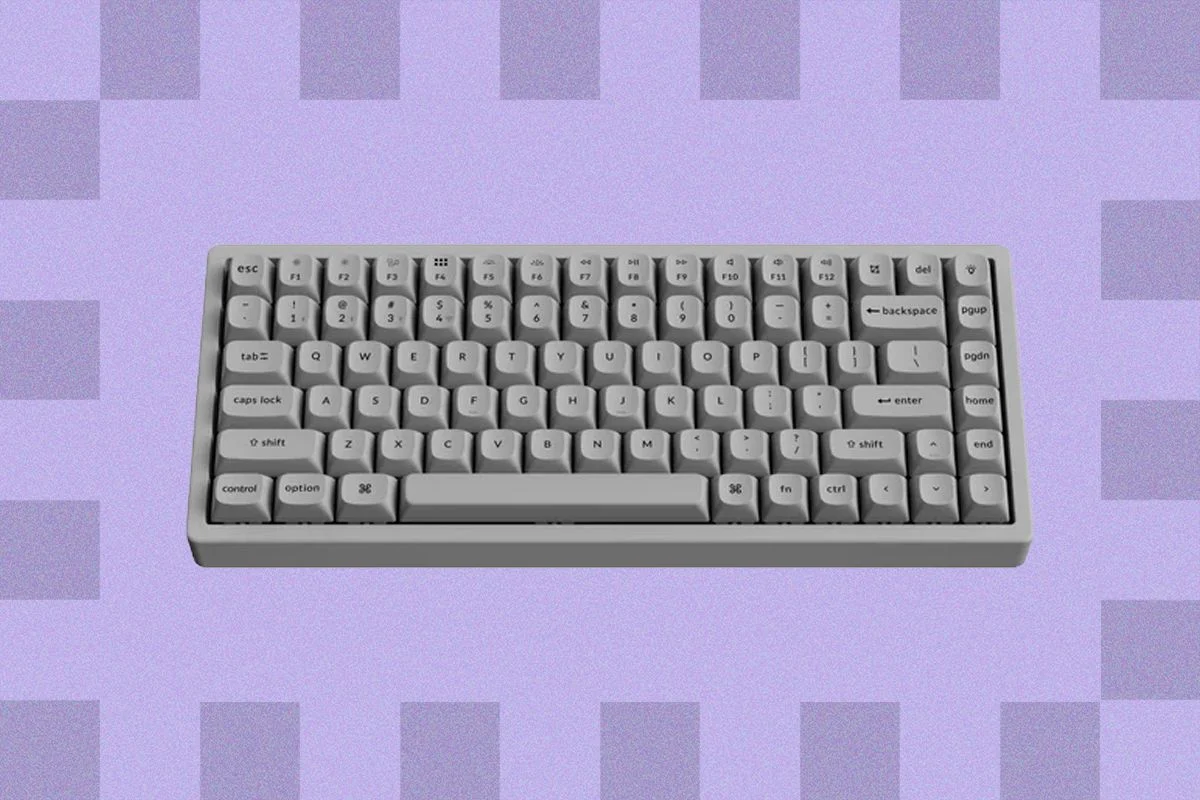
The peripheral market has witnessed a significant shift toward experimental materials and specialized actuation technologies, a trend exemplified by the recent release of the Keychron K2 HE Concrete Edition. This device represents a departure from traditional plastic or aluminum chassis, opting instead for a raw, unsealed concrete housing that prioritizes industrial aesthetics and substantial physical presence. While the keyboard incorporates high-end internal components, including PCB-mounted stabilizers and magnetic Hall Effect (HE) switches, the choice of material introduces a unique set of challenges regarding maintenance and long-term durability. As the mechanical keyboard industry moves toward more niche, enthusiast-driven designs, the K2 HE Concrete Edition serves as a case study in the intersection of utilitarian engineering and avant-garde industrial design.
Technical Specifications and Stabilizer Engineering
One of the primary internal highlights of the Keychron K2 HE Concrete Edition is its use of PCB-mounted stabilizers. In the hierarchy of mechanical keyboard construction, PCB-mounted units are generally considered superior to the more common plate-mounted alternatives. By securing the stabilizers directly to the printed circuit board, the design reduces vibrations and provides a more stable foundation for larger keys such as the spacebar, enter, and shift keys. This configuration is often favored by enthusiasts because it allows for finer tuning and reduces the "rattle" associated with the looser tolerances of plate-mounted systems.
During manufacturing, these stabilizers are lubricated at the factory to ensure smooth travel. Initial assessments of the K2 HE indicate a generous, if not excessive, application of lubricant. While some units have shown visible clumps of grease on the exterior of the stabilizer housings—a deviation from standard aesthetic quality control—the functional result remains positive. The stabilized keys exhibit a consistent, fluid motion with no reported instances of sticking or audible ticking. This attention to internal acoustics is critical for a keyboard that utilizes a dense, resonance-prone material like concrete.
The Brutalist Aesthetic: Materiality and Maintenance
The most striking feature of the K2 HE is its unsealed, raw concrete chassis. This choice aligns with the "Brutalist" design movement, which emphasizes raw materials and structural honesty. However, the move from traditional materials to concrete brings practical implications for the end-user. Concrete is inherently porous and, when left unsealed, remains susceptible to environmental factors.
Technical analysis of the material reveals that raw concrete acts as a desiccant and an absorbent. In a desktop environment, this means the keyboard is prone to staining from skin oils, cleaning agents, and airborne particulates. Users have reported the appearance of mysterious smudges and "patina" after relatively short periods of use. For some collectors, this aging process is a desirable trait, similar to the way high-end leather or raw denim evolves over time. For others, the inability to maintain a "factory-clean" appearance is a significant drawback.
The weight of the concrete also impacts the keyboard’s portability and desk stability. Unlike aluminum, which provides a rigid but manageable weight, concrete offers a massive, dampened feel that significantly alters the typing acoustics, absorbing high-frequency pings that often plague hollow plastic keyboards. However, the lack of a protective sealant means that standard electronic cleaning protocols—such as using isopropyl alcohol or damp microfiber cloths—may actually contribute to the staining rather than resolving it.
Evolution of Magnetic Switches: Hall Effect vs. TMR
The Keychron K2 HE utilizes Hall Effect (HE) switches, a technology that has seen a massive resurgence in the gaming sector. Hall Effect switches operate via magnetic sensors that detect the position of a magnet within the switch stem. This allows for adjustable actuation points, rapid trigger functionality (where a key resets the instant it begins to move upward), and a lack of physical contact points, which theoretically extends the lifespan of the switch to hundreds of millions of keystrokes.
The decision to use standard HE switches in the Concrete Edition has drawn comparisons to Keychron’s previous experimentation with Tunneling Magnetoresistance (TMR) switches in their all-ceramic Q16 HE model. TMR technology is often viewed as the successor to Hall Effect sensors because it offers higher sensitivity, lower power consumption, and better thermal stability. The "regression" to standard HE switches in the K2 HE suggests a strategic choice by Keychron, likely aimed at balancing the high production costs of the concrete chassis with proven, reliable magnetic technology.
Despite being a generation behind TMR in terms of pure sensor sophistication, the HE switches in the K2 provide a high-performance experience. They feature a 1,000 Hz polling rate, ensuring that the delay between a physical keypress and the computer’s recognition of that input is less than one millisecond. The linear travel of these switches is reported to be smooth, with a quick rebound that caters to both high-speed typists and competitive gamers.

Chronology of Material Innovation at Keychron
The development of the K2 HE Concrete Edition is the latest step in a multi-year timeline of material experimentation by Keychron:
- 2017–2020: Keychron establishes itself with the K-series, focusing on wireless productivity and Mac compatibility using standard ABS plastic and aluminum frames.
- 2021: The launch of the Q-series introduces full CNC-machined aluminum bodies, gasket mounting, and a focus on the "custom" keyboard aesthetic for a mass-market audience.
- 2023: Keychron begins experimenting with magnetic switches (HE) to compete with brands like Wooting and SteelSeries in the gaming performance sector.
- Early 2024: The release of the Q16 HE introduces ceramic keycaps and TMR switch technology, signaling a move into premium, unconventional materials.
- Late 2024: The K2 HE Concrete Edition is introduced, pushing the boundaries of chassis material further into the realm of industrial design and Brutalist art.
Comparative Data: Concrete vs. Traditional Materials
To understand the impact of the concrete chassis, it is necessary to compare its physical properties with the industry standards:
| Property | ABS Plastic | 6063 Aluminum | Unsealed Concrete |
|---|---|---|---|
| Density | Low (~1.05 g/cm³) | Medium (~2.70 g/cm³) | High (~2.40 g/cm³) |
| Porosity | Non-porous | Non-porous (Anodized) | High (Absorbent) |
| Acoustic Profile | High-pitched/Clacky | Rigid/Metallic | Deep/Dampened |
| Durability | Prone to shine/wear | High (Scratch resistant) | High (Brittle/Stain-prone) |
| Thermal Mass | Insulator | Conductor | High Heat Capacity |
The data indicates that while concrete shares a similar density to aluminum, its porous nature and acoustic dampening properties create a distinct user experience. The high thermal mass means the keyboard often feels cold to the touch, a sensation that persists longer than it would with a metal chassis.
Industry Implications and Market Reception
The release of a concrete keyboard reflects a broader trend in the consumer electronics industry: the "lifestyle-ification" of hardware. As internal components become standardized—most high-end keyboards now offer similar polling rates and switch options—manufacturers are turning to external materials to differentiate their products.
Industry analysts suggest that the K2 HE Concrete Edition is not intended for the average consumer but rather for the "collector" segment of the market. This segment values novelty and "shelf presence" as much as functional performance. However, the practical issues of staining and weight may limit the device’s appeal as a daily driver for professional environments.
There is also the question of environmental impact. Concrete production is a carbon-intensive process, though the small scale of a keyboard chassis makes its individual footprint negligible compared to construction. Conversely, the longevity of concrete could be seen as a sustainability benefit, provided the internal electronics are modular and repairable.
Conclusion: A Polarizing Leap in Design
The Keychron K2 HE Concrete Edition stands as one of the most polarizing entries in the modern peripheral market. On one hand, it delivers exceptional typing performance through well-lubricated PCB-mounted stabilizers and responsive Hall Effect switches. On the other hand, it embraces a material that defies the standard logic of consumer electronics maintenance.
The "patina" versus "dirt" debate will likely remain the central point of contention for users. For those who view their desk setup as an evolving workspace where tools should show the marks of their use, the concrete chassis offers a poetic, tactile experience. For the user who demands pristine condition and easy maintenance, the unsealed concrete may represent a bridge too far in the quest for unique aesthetics.
Ultimately, Keychron has succeeded in moving the needle of keyboard design. By proving that materials like ceramic and concrete can house high-performance gaming internals, they have opened the door for further experimentation. Whether concrete becomes a mainstay or remains a limited-edition curiosity, the K2 HE has solidified its place in the history of experimental computer hardware.
