

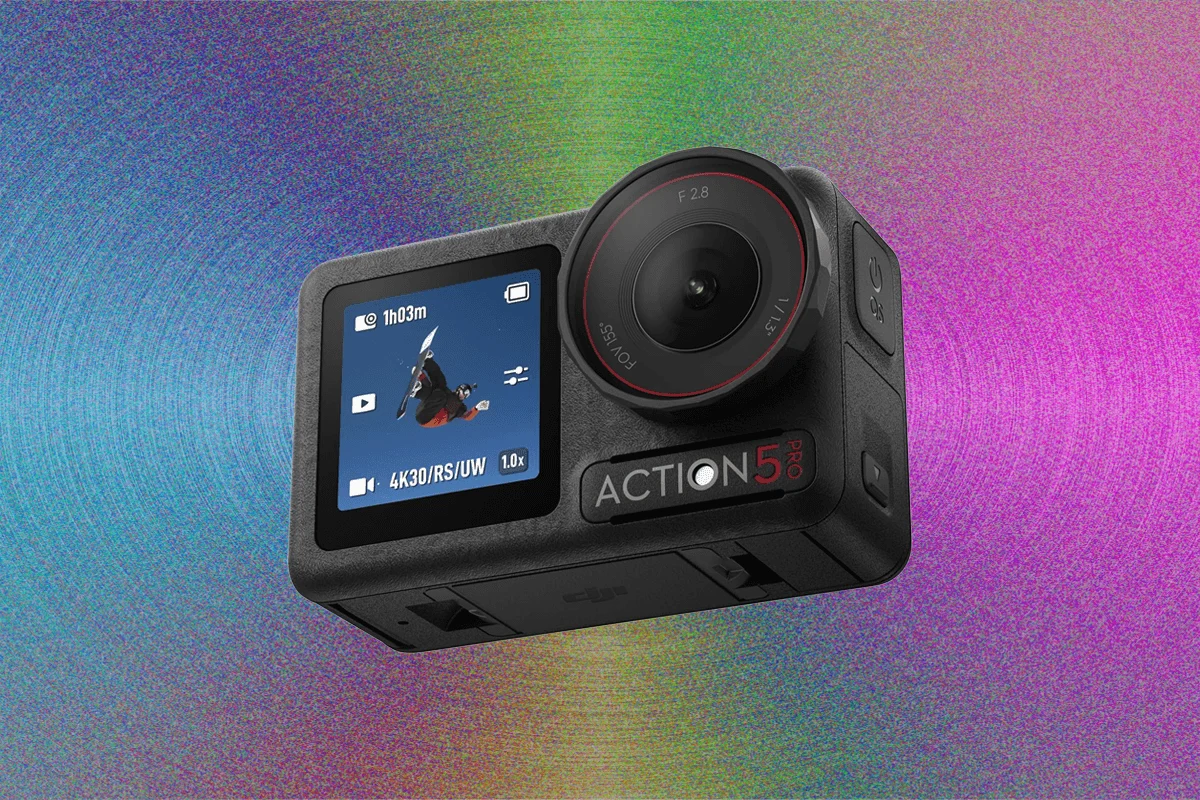
The global action camera market has undergone a radical transformation over the last decade, evolving from a niche segment for extreme sports enthusiasts into a multi-billion-dollar industry catering to vloggers, travelers, and professional cinematographers. As of 2024, the market is characterized by a stark divide between premium offerings from industry leaders like GoPro, DJI, and Insta360, and a flood of budget-friendly alternatives found on major e-commerce platforms such as Amazon. While these budget cameras often boast impressive specifications on paper—such as 4K resolution and waterproof ratings—industry experts and long-term users emphasize that the hardware specifications are only a fraction of the story. The true value of a modern action camera lies in its proprietary software, specifically the sophisticated image stabilization algorithms that allow for usable footage in high-intensity environments.
The Technological Divide: Stabilization and the Software Gap
The most significant hurdle for budget action camera manufacturers is the development of effective Electronic Image Stabilization (EIS). In the premium sector, GoPro’s HyperSmooth, DJI’s RockSteady, and Insta360’s FlowState represent the pinnacle of years of research and development. These systems utilize high-frequency gyroscopic data to crop and realign frames in real-time, resulting in footage that appears as though it were shot on a professional gimbal.
Conversely, many cameras priced under $100 lack the processing power and algorithmic sophistication to handle these calculations. While they may record in 4K resolution, the lack of stabilization results in "jittery" or "shaky" footage that is often unwatchable. For consumers, this creates a "false economy" where a cheaper initial purchase leads to a product that fails to meet the basic requirements of the medium. Journalistic analysis of market trends suggests that consumers are increasingly moving toward purchasing "last-generation" flagship models—such as the GoPro Hero 11 or 12—during sale events rather than gambling on unbranded budget alternatives. This shift reflects a growing consumer literacy regarding the importance of frame rates, bitrates, and software-driven features over raw resolution numbers.

A Chronology of Action Camera Innovation
The journey to the current state of action camera technology began in 2004 with the release of the first GoPro Hero, which used 35mm film. The timeline of the industry shows a consistent trend toward digitalization, miniaturization, and eventually, the integration of artificial intelligence.
- 2004–2010: The transition from film to digital (SD) and the birth of the "wearable" camera concept.
- 2012–2016: The "Resolution Wars." Manufacturers raced to achieve 1080p and eventually 4K. During this period, DJI entered the gimbal market, and Insta360 began experimenting with 360-degree capture.
- 2018–2021: The "Stabilization Revolution." GoPro introduced HyperSmooth with the Hero 7 Black, effectively eliminating the need for external gimbals for most users. DJI launched the Osmo Action, introducing the front-facing screen which revolutionized vlogging.
- 2022–Present: The "Sensor and Ecosystem Era." Modern cameras now focus on larger sensors (such as the 1/1.3-inch sensors in the DJI Action 4 and Ace Pro) and modular accessory ecosystems. The release of the GoPro Hero 13 Black and the Insta360 Ace Pro 2 marks a move toward "intelligent" hardware that can automatically detect accessories and adjust settings.
Supporting Data: The Cost of Performance and Reliability
Data from market research firms indicates that the average selling price (ASP) of a high-end action camera has stabilized between $350 and $450. In contrast, the budget segment remains under $120. However, the "hidden costs" of budget cameras often close this gap. Premium cameras typically offer better thermal management, allowing for longer recording times at high resolutions, whereas budget models often suffer from thermal throttling or hardware failure during extended use.
Reliability extends to storage media. The action camera industry relies heavily on the microSDXC standard. High-performance cameras require cards with a V30 (Video Speed Class 30) or higher rating to handle the high bitrates of 4K and 5.3K video. Supporting data suggests that using sub-standard SD cards is the leading cause of "file corruption" and "camera freezing" errors reported by users. Professional-grade cards, such as the SanDisk Extreme series or Samsung Pro Plus, provide the necessary write speeds (up to 130MB/s) and environmental protections (waterproofing and X-ray resistance) required for field use.
The Role of Professional Accessories in Content Quality
Beyond the camera body itself, the "trick out" culture of action cameras has created a secondary market for specialized accessories. These tools are designed to overcome the inherent physical limitations of small-form-factor cameras.
-Reviewer-Photo-SOURCE-Sam-Kieldsen.jpg)
Audio Integration and the Media Mod
One of the primary weaknesses of action cameras is internal audio capture, which is often compromised by wind noise and waterproof housing. The GoPro Media Mod, for instance, serves as a gateway for professional audio. By providing a 3.5mm microphone jack, it allows creators to bypass internal microphones in favor of lavalier or shotgun mics. While the Media Mod itself includes a directional microphone, its primary value is as a hub for higher-quality external inputs, which is essential for documentary-style filming or high-speed motorcycling content.
Optical Enhancement: ND and Polarizing Filters
To achieve a "cinematic" look, professional shooters utilize Neutral Density (ND) filters. These filters act as sunglasses for the camera, reducing the amount of light hitting the sensor. This allows the camera to maintain a slower shutter speed—typically following the "180-degree rule" where the shutter speed is double the frame rate—which introduces natural motion blur. The recent introduction of "smart" ND filters for the GoPro Hero 13 Black represents a significant leap forward; these filters communicate with the camera to automatically lock in the correct exposure settings, removing the trial-and-error process that previously deterred amateur users.
Specialized Mounting Solutions
The versatility of an action camera is dictated by its mounting options. The industry has moved toward a "universal" mounting standard, but specialized needs remain. Handlebar and seatpost mounts are staples for the cycling community, while motorcycle accessory bundles provide heavy-duty clamps capable of withstanding high vibrations and wind resistance. A notable trend in the latest hardware is the return of the 1/4-inch tripod screw mount, a standard in the photography industry for over a century, which was curiously absent from many early action camera designs.
Official Responses and Industry Sentiment
Major manufacturers have recently shifted their marketing strategies to emphasize "creator-centric" features. In official statements following the release of recent flagship models, GoPro executives highlighted the transition from being a "sports camera" to a "lifestyle tool." Similarly, DJI has leaned into its history of drone technology to market its cameras as "ruggedized cinema tools."

Consumer sentiment, tracked through enthusiast forums and professional reviews, indicates a high level of satisfaction with the current pace of innovation but growing frustration with the "subscription models" some companies use for cloud storage and advanced editing features. There is a clear demand for "open" ecosystems where footage can be easily moved between devices without proprietary software hurdles.
Broader Impact and Implications for the Future of Media
The proliferation of high-quality, stabilized action cameras has democratized professional-grade cinematography. What was once only possible with a helicopter and a stabilized camera rig can now be achieved by a single person with a $400 device and a chest mount. This has profound implications for news gathering, sports broadcasting, and independent filmmaking.
Furthermore, the rise of "invisible" technology—specifically the 360-degree cameras from Insta360—has changed the way perspective is handled in media. The ability to "reframe" a shot after it has been taken ensures that the action is never missed, a feature that is increasingly being adopted in professional sports like the X-Games and Formula 1.
As the industry moves forward, the integration of Artificial Intelligence is expected to be the next frontier. AI-driven "auto-editing" and real-time object tracking will likely become standard features, further lowering the barrier to entry for high-quality content creation. While the "cheap cameras on Amazon" will continue to exist for casual users, the gap between the budget and premium tiers will likely widen as software becomes the primary differentiator in the quest for the perfect shot. For the serious creator, the investment in a flagship ecosystem remains the only viable path to achieving results that meet the standards of modern digital platforms.
