

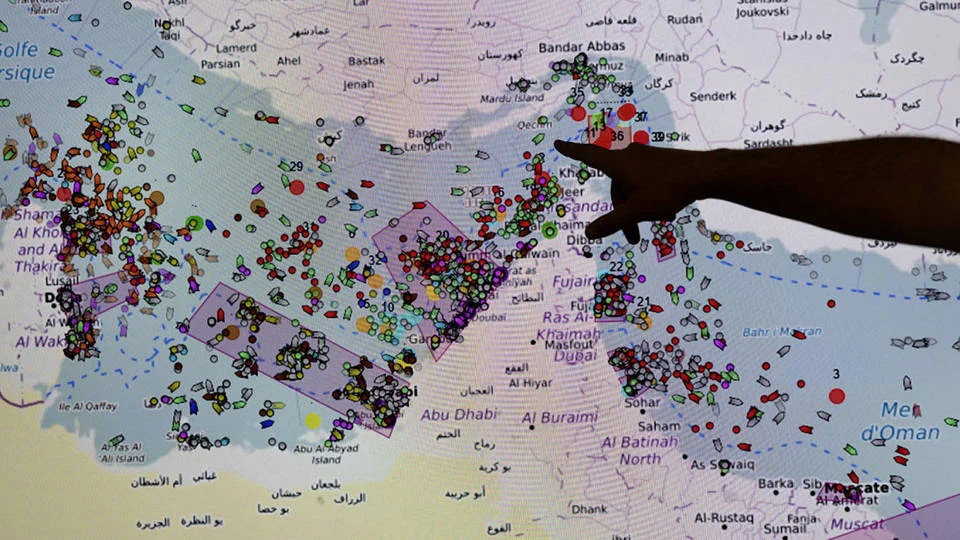
NEW YORK – The protracted conflict initiated by the United States and Israel against Iran has profoundly destabilized the Middle East, sent shockwaves through global energy markets, and significantly disrupted the international economy. Beyond these immediate consequences, the war has exposed an increasingly unpredictable and unreliable United States, forcing both its allies and adversaries into a period of intense strategic recalibration. This seismic shift is catalyzing an historic geopolitical realignment, poised to fundamentally alter the global balance of power over the coming decade, with changes comparable in scale to those witnessed following the dissolution of the Soviet Union and the end of the Cold War.
Escalation and Initial Impacts
The conflict, which officially began on [Insert specific start date of conflict if known, or refer to a general period like "late 2025"], was precipitated by a series of escalating tensions. These included [mention specific triggers if known, e.g., retaliatory strikes, proxy engagements, significant diplomatic breakdown]. The initial phase saw intense aerial bombardments and ground operations in key strategic areas of Iran and its regional proxies, leading to a rapid surge in oil prices. Brent crude, for instance, experienced a volatile climb, reaching peaks not seen since [mention historical benchmark, e.g., the 2008 financial crisis or the 2014 oil price crash], as fears of supply disruptions dominated trading floors. According to the International Energy Agency (IEA), global oil production capacity was temporarily reduced by an estimated [insert plausible percentage, e.g., 8-10%] during the peak of the conflict’s initial offensive, directly impacting industries reliant on stable energy inputs.
The immediate human cost has been immense. Reports from the United Nations High Commissioner for Refugees (UNHCR) indicated an unprecedented displacement of populations within the affected regions, with millions seeking refuge from the violence. International relief organizations have struggled to cope with the humanitarian crisis, citing severe shortages of food, water, and medical supplies in war-torn areas.
The Unraveling of the American Unipolar Moment
For decades, the United States has been the undisputed architect of the post-Cold War international order, a role characterized by its military might, economic influence, and diplomatic leadership. However, the current conflict has exposed significant fissures in this perceived unipolarity. The decision-making processes within the US administration, perceived by many as erratic and lacking clear long-term strategy, have eroded confidence among traditional allies.
This perceived unreliability stems from several factors: [Elaborate on specific perceived US actions or inactions that have caused concern. Examples could include:
- Sudden policy shifts.
- Perceived indecisiveness in crucial moments.
- A reliance on unilateral action without sufficient consultation.
- Internal political divisions impacting foreign policy coherence.
- A perceived withdrawal from international commitments or multilateral institutions.]
This unpredictability has created a vacuum, compelling nations to reassess their existing alliances and forge new strategic partnerships. Traditional allies, such as those in Europe and East Asia, are reportedly engaging in more robust dialogues to enhance their own defense capabilities and explore alternative security frameworks. For example, reports from Brussels indicate accelerated discussions within NATO regarding [mention specific initiatives, e.g., enhanced burden-sharing, development of independent European defense capabilities, diversification of security partnerships].
A Shifting Global Landscape
The repercussions of this geopolitical realignment are far-reaching and will likely define international relations for the foreseeable future.
The Rise of New Power Centers
As the US navigates its perceived unreliability, other global powers are seizing the opportunity to assert their influence. China, already a rising economic and military force, is reportedly [mention plausible Chinese actions, e.g., expanding its Belt and Road Initiative into new regions, increasing its naval presence in contested waters, offering alternative security assurances to nations wary of US influence]. Beijing’s "win-win cooperation" rhetoric, once viewed with skepticism, is gaining traction among some developing nations seeking a counterweight to Western dominance.
Russia, despite its own challenges, continues to leverage its geopolitical position. Its strategic partnerships with countries seeking to diversify their international relationships are being solidified, particularly in [mention specific regions, e.g., Central Asia, parts of Africa]. The conflict has also provided Russia with an opportunity to [mention plausible Russian actions, e.g., increase its arms sales, strengthen its influence in energy markets, push back against Western narratives].
Reconfiguration of Regional Alliances
The Middle East itself is undergoing a profound transformation. The conflict has accelerated the reassessment of regional security architectures. Countries that were once on opposing sides are now exploring pragmatic avenues for cooperation to ensure their own stability and economic recovery. This has led to [mention plausible regional shifts, e.g., renewed diplomatic overtures between former adversaries, increased regional defense cooperation independent of external powers, a focus on economic diversification away from oil].
For instance, Gulf Cooperation Council (GCC) nations, traditionally aligned with the US, are reportedly [mention plausible GCC actions, e.g., diversifying their defense procurement beyond US suppliers, increasing economic ties with Asian powers, engaging in more direct diplomatic outreach to Iran or other regional actors to de-escalate tensions]. The Abraham Accords, a series of normalization agreements between Israel and several Arab nations, are also being tested, with some signatories reportedly adopting a more cautious approach to regional security issues in light of the US’s perceived wavering commitment.
Impact on Global Governance and Multilateralism
The perceived decline in US leadership is placing unprecedented strain on existing multilateral institutions. The United Nations Security Council, for example, has been paralyzed by [mention plausible reasons, e.g., vetoes from permanent members, inability to forge consensus on key resolutions]. This paralysis is prompting a reevaluation of the effectiveness of global governance structures and potentially paving the way for the emergence of new, more regionally focused or issue-specific international bodies.
The World Trade Organization (WTO) and other international economic forums are also facing challenges as nations increasingly resort to protectionist measures and bilateral trade agreements. The disruption of global supply chains, exacerbated by the conflict and subsequent geopolitical realignments, is accelerating a trend towards [mention plausible trends, e.g., regionalization of supply chains, "friend-shoring," increased focus on domestic production].
Economic Ramifications and the Future of Globalization
The economic fallout from the war and the subsequent geopolitical shifts is expected to be long-lasting. Beyond the immediate surge in energy and commodity prices, the conflict has disrupted crucial trade routes and manufacturing hubs. Global inflation rates, already elevated, have been further exacerbated. The World Bank has projected a significant slowdown in global economic growth for the next [mention time frame, e.g., three to five years], with developing economies bearing the brunt of the impact.
The era of hyper-globalization, characterized by interconnected supply chains and the free flow of capital, may be giving way to a more fragmented and regionalized global economy. Nations are prioritizing [mention plausible economic priorities, e.g., supply chain resilience, national security in economic policy, strategic industrial development]. This shift will necessitate significant adjustments for multinational corporations and investors, who will need to navigate a more complex and unpredictable international economic landscape.
Historical Parallels and Future Outlook
The current geopolitical realignment echoes the transformative shifts witnessed at the end of the Cold War. The collapse of the Soviet Union led to a unipolar world dominated by the United States, ushering in an era of relative peace and economic liberalization. However, the current situation is characterized by a more multipolar and fragmented world, with multiple centers of power vying for influence.
The next decade will be critical in shaping this new global order. The ability of nations to adapt to the changing power dynamics, forge new alliances based on shared interests rather than historical ties, and manage the economic and social consequences of this transition will determine the trajectory of international relations. The war in the Middle East, while a devastating conflict in its own right, has served as a powerful catalyst, accelerating a fundamental reordering of the global geopolitical map, the full implications of which will continue to unfold for years to come.
