

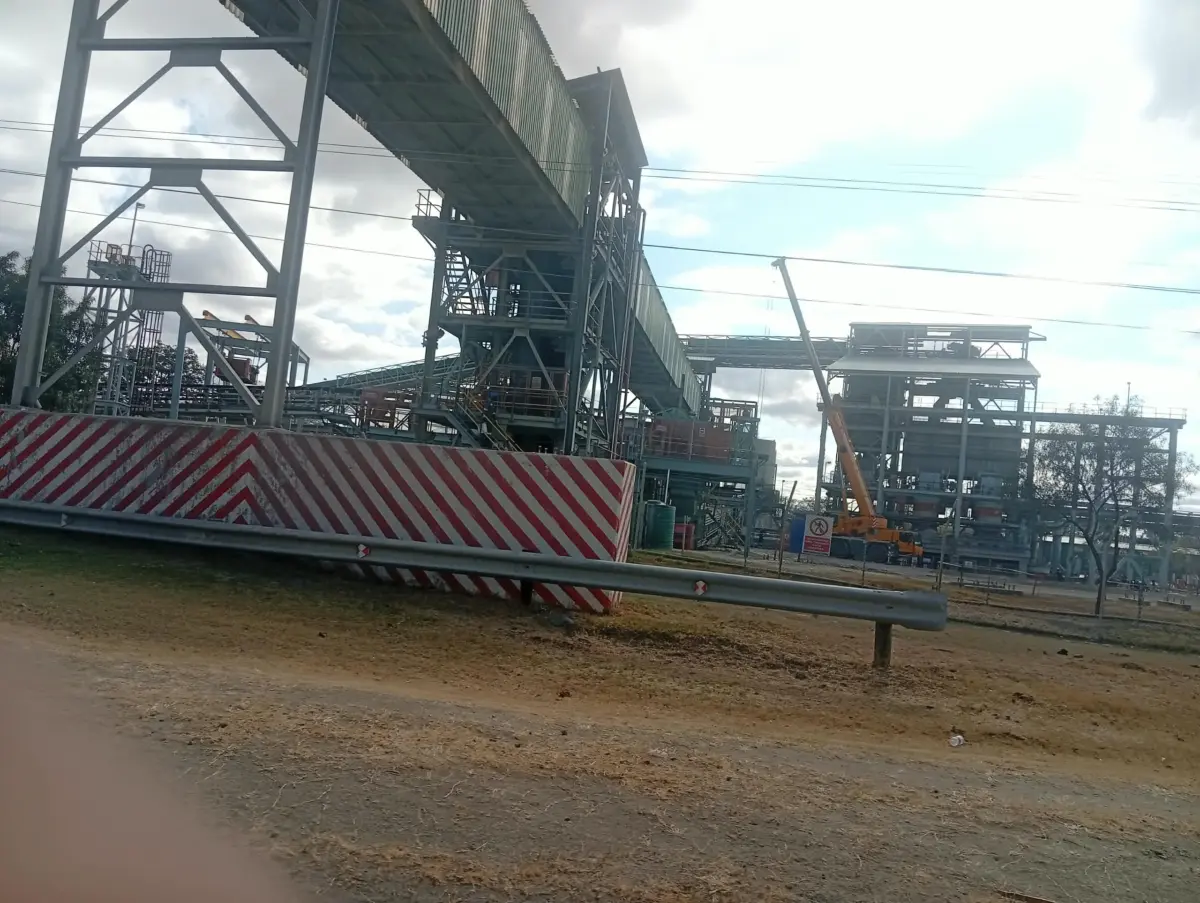
Mimosa, Zimbabwe – Zimbabwe’s platinum industry, a cornerstone of its national economy and a significant player on the global stage, is generating billions of dollars in revenue. However, a stark and growing disparity is casting a long shadow over this economic success: residents in the mining communities, the very land from which this immense wealth is extracted, report a profound failure of basic services—roads, schools, water, and sanitation—to keep pace with the burgeoning riches beneath their feet. This narrative of resource abundance juxtaposed with local deprivation encapsulates a critical challenge for the nation’s development agenda.
The global demand for platinum group metals (PGMs), particularly platinum, has seen prices soar. On January 26, the price of platinum reached an all-time high of $2,923 an ounce, driven by a broader rally in precious metals and persistent concerns over global supply chains, according to the World Platinum Investment Council. For Zimbabwe, which boasts the world’s second-largest known deposits of PGMs after South Africa, this price surge presents an unparalleled opportunity to significantly boost national revenue from a sector that is undeniably central to its economic health. Mining currently accounts for approximately 75 percent of the country’s total exports and contributes about 14.5 percent to its gross domestic product (GDP), as reported by the International Trade Administration in the United States. The sector recorded an impressive $8.5 billion in export earnings in 2025, a substantial increase from $5.9 billion the previous year, a growth attributed by John Musekiwa, then-president of the Chamber of Mines of Zimbabwe, to strong output and favorable prices, especially for gold and PGMs.
Yet, away from the national economic statistics and corporate boardrooms, in the very communities that host these colossal mining operations, the sentiment is one of disillusionment. Residents in areas surrounding major platinum mines lament that the wealth extracted from their ancestral lands has not translated into tangible improvements in their daily lives. The promise of development, often implicitly or explicitly linked to resource exploitation, remains largely unfulfilled, leaving behind inadequate roads, dilapidated schools, unreliable water supplies, and a general deficiency in other essential services. This tension is particularly palpable in Mhondoro-Ngezi, one of Zimbabwe’s primary platinum-producing regions, where the contrast between industrial prosperity and community struggle is visibly etched into the landscape.
A Rich Mineral Belt, Struggling Communities: The Great Dyke’s Paradox
The Great Dyke, a geological marvel stretching across central Zimbabwe, is a colossal repository of extensive PGM deposits. This mineral-rich belt is home to major mining players like Zimplats, which operates mines, concentrators, and processing facilities within the Mhondoro-Ngezi district. Inside these sprawling mining complexes, the scene is one of modern industrial efficiency: ore is processed in state-of-the-art facilities, and heavy trucks shuttle continuously between mines and plants, symbolizing a relentless rhythm of extraction and production. However, outside the perimeter of these high-tech operations, in villages such as Turf, Mamina, Murambwa, and their environs, residents paint a starkly different picture. They describe an infrastructure struggling desperately to keep pace with the demands imposed by the area’s growth, much of which is directly linked to the mining activities. The expansion of mining brings increased population, greater strain on existing resources, and heightened expectations for development that, many argue, are not being met.
The community leaders and residents articulate their grievances with a sense of urgency. Ernest Denhere, headman of Denhere village in Ward 3, voiced a widely held expectation: that mining companies should endeavor to leave a meaningful and lasting legacy in the communities where they operate. “We call upon Zimplats and other mines to build a road from Kadoma/Kwekwe to Turf, Benhura, Mamina, Murambwa and Kadhani, linking to the Harare-Masvingo highways,” Denhere stated, highlighting the critical need for improved connectivity and access that would benefit thousands of residents, facilitate trade, and enable better access to markets and services. The current state of roads, often unpaved and poorly maintained, significantly impedes transportation, increases travel time, and isolates communities during adverse weather conditions.
The educational infrastructure is another critical point of contention. Ward 3 Councillor Emmah Chikwai underscored the severe challenges faced by local children in accessing secondary education. “Children from Jompani, Majoki, Maleti and Makwavarara walk between 15km and 25km [9 to 15.5 miles] to reach Musinambi Secondary School,” she explained. This arduous daily journey not only poses physical risks but also detracts from study time, contributes to fatigue, and often leads to higher dropout rates, perpetuating a cycle of limited educational attainment in these resource-rich areas. Councillor Chikwai’s appeal was direct and poignant: “My appeal is for the mines to assist in setting up a satellite secondary school in Makwavarara,” a call reflecting the community’s desperate need for accessible educational facilities to secure a brighter future for their youth.

Schools, Water, and Livelihoods Under Pressure: A Community’s Daily Struggle
The infrastructural deficit extends beyond roads and schools to the very basics of human existence. During a September 7 visit, Al Jazeera observed pupils at Turf Primary School learning under the shade of trees, a vivid illustration of how soaring enrolment figures, often exacerbated by the influx of mining workers and their families, have severely strained the school’s already limited facilities. This lack of adequate classroom space directly impacts the quality of education, affecting learning outcomes and the overall environment for students and teachers alike.
For many residents, the economic benefits of mining remain elusive, pushing them to adopt precarious livelihoods. Nearby the schools, women and young men were seen sifting through mountains of waste, meticulously searching for plastic they could collect and sell. Amidst the refuse, cattle and goats grazed, underscoring the intertwined nature of human and animal lives with the waste generated, often implicitly, by industrial activities. Sakina Lice, a resident driven by necessity, explained how collecting plastic is her sole means of supporting her extensive family. “I have 11 children and nine grandchildren. Picking up plastics is the only way I survive. When I resell them, I can make maybe $20 a month,” she shared, a stark figure that highlights the severe economic marginalization faced by many. As the family’s sole breadwinner following her husband’s passing, Lice’s situation is a grim testament to the “hand-to-mouth” existence prevalent in these communities. Her plea was for empowerment: “My wish is for the mine to empower women, so we can start projects and support our families,” a desire for sustainable economic opportunities that transcend mere survival.
Beyond economic struggles, the environmental impact of mining activities and the corresponding health risks are significant concerns. Residents raised alarming concerns about the Ngwazani River, located barely 100 meters (330 feet) from the dump site. They allege that sewage from the mining area has contaminated the waterway, rendering it unusable for essential household needs and the irrigation of small gardens, which are often crucial for food security. Edson Mabure, whose family was among those relocated to accommodate expanding mining operations, recounted how the river, once a life source, has now become a source of problems in his new community. “Our village was where the mine is today, so we were relocated. From our new village, I cross the Ngwazani River, which is now flooded with sewage coming from the mine,” he stated, linking the pollution directly to the mining complex. Mabure’s frustration was palpable, echoing a broader sentiment: “Since the mine started operating, there is nothing tangible that has been done to leave a lasting legacy for the community. I don’t know whether the responsibility lies with the council or Zimplats.” This ambiguity regarding responsibility often leaves communities caught in a bureaucratic limbo, unable to secure redress.
Agnes Handidikundiona, met by Al Jazeera while crossing the polluted Ngwazani River with her children, corroborated the extent of the problem. She explained how residents once relied heavily on the river for various domestic activities and sustenance. “We are facing a serious challenge because the water is no longer clean,” she lamented. “Before the sewage spill, we used to use this water for domestic purposes, such as washing clothes and watering our nutritional gardens.” The contamination has thus stripped away a fundamental resource, forcing communities to seek alternative, often distant and less reliable, water sources. Furthermore, the river’s condition poses a direct threat to children’s education. “Children from many villages cross here to go to school. Sometimes when the river is flooded, they cannot go to school. We need a footbridge here,” Handidikundiona emphasized, highlighting how environmental degradation directly obstructs access to education.
Governance, Engagement, and Corporate Social Responsibility
The challenges in these mining communities are further complicated by issues of governance and corporate engagement. Ward 11 Councillor Nhomboka Kurebwa Javangwe noted the significant population increase in the area, driven by the arrival of mine workers and their families, which places even greater pressure on already insufficient facilities. While acknowledging Zimplats’ efforts in constructing some classrooms and houses, he stressed that demand continues to vastly outstrip available resources. Javangwe reiterated the urgent call for the company to invest more substantially, specifically requesting the construction and operation of a new primary school. A critical barrier to addressing these issues, according to Javangwe, is the limited direct access local councillors have to the mining companies. “We do not have direct access to the mine to raise the concerns of our people,” he explained, adding that only the council chairperson was authorized to meet with Zimplats officials. This hierarchical and restricted communication channel often prevents immediate, on-the-ground concerns from reaching decision-makers within the corporations, hindering effective problem-solving and fostering a sense of disenfranchisement among the local populace.
These concerns are not isolated to Mhondoro-Ngezi but resonate across other platinum-producing areas in Zimbabwe. In Shurugwi, home to the Unki Platinum Mine, residents have similarly appealed for greater investment in local infrastructure. Bulle Madzitire, chairman of the Shurugwi Residents Association, articulated these needs: “I call upon Unki to consider assisting with classroom blocks for schools, water and sanitation, and roads in Shurugwi town.” In nearby Zvishavane, Kamino Simango, chairman of the Zvishavane Residents Association, urged the Mimosa Platinum Mine to shift its focus towards infrastructure projects that would deliver broader community benefits. These widespread calls highlight a systemic issue of perceived neglect across the country’s platinum belt.

Industry Responses and the Search for Accountability
In response to inquiries, Unki Platinum Mine offered insights into its corporate social responsibility (CSR) initiatives. Evelyn Mawimba, Unki’s public relations manager, stated that the mine has invested an average of $1.5 million annually in community development over the past five years. These investments reportedly cover crucial sectors such as education, healthcare, water and sanitation, agriculture, and infrastructure. Specific achievements cited include the construction of 63 boreholes, support for 32 schools through its STEP-UP programme, and a significant contribution of $2.75 million towards land purchases and the development of the Impali housing estate. Mawimba also detailed the mine’s financial contributions to local governance, noting that Unki pays approximately $130,000 annually in municipal levies to the Shurugwi Town Council and contributes about $850,000 yearly to the Tongogara Rural District Council. These figures suggest a level of engagement and investment, yet they are often viewed against the backdrop of the immense wealth generated and the scale of community needs.
In contrast to Unki’s detailed response, Mimosa Platinum Mine did not respond to Al Jazeera’s questions, despite multiple attempts to establish contact. Similarly, the chairperson of the Mhondoro-Ngezi Rural District Council, Alderman Ephraim Pepukai Chengeta, who was contacted regarding Zimplats’ contributions and development plans, promised a response but did not return calls or messages. The council’s chief executive officer, Itai A Mawonde, requested questions in writing but provided no further communication. Zimplats’ head of corporate affairs, Hama Saburi, also indicated he would respond but failed to do so by the time of publication. These silences from key stakeholders—both corporate and governmental—further exacerbate the residents’ frustrations and perpetuate the information asymmetry that often characterizes resource extraction contexts, making accountability difficult to achieve.
Broader Implications: A National Development Imperative
The disconnect between Zimbabwe’s burgeoning platinum wealth and the underdevelopment of its mining communities carries significant national implications. It raises fundamental questions about equitable resource distribution, sustainable development, and the long-term social license to operate for mining companies. While mining is undeniably a critical economic driver, contributing substantially to foreign exchange earnings and government revenue, the failure to translate this wealth into tangible improvements for host communities risks fueling social unrest, eroding trust in both government and corporate entities, and ultimately undermining the very stability required for sustained economic growth.
Zimbabwe’s broader economic narrative has long grappled with challenges of poverty reduction, infrastructure development, and job creation outside the primary extractive sectors. The "resource curse" phenomenon, where countries rich in natural resources paradoxically experience slower economic growth and development, remains a persistent threat. For Zimbabwe to truly leverage its PGM wealth, it must ensure that beneficiation extends beyond mineral processing to include significant socio-economic upliftment of communities directly impacted by mining. This requires robust regulatory frameworks, transparent revenue management, effective community engagement mechanisms, and a genuine commitment from both government and industry to corporate social responsibility that is truly transformative, not merely performative.
The government’s "Vision 2030" aims to transform Zimbabwe into an upper-middle-income economy. Achieving this vision necessitates addressing the deep-seated inequalities highlighted in platinum-rich areas. Enhanced inter-ministerial coordination, clearer guidelines for community development agreements, and stronger oversight of CSR commitments are vital. Furthermore, empowering local councils and community structures with direct channels to engage mining companies and transparent access to information about local development levies and programs would foster greater accountability and local ownership of development initiatives.
For the residents of Zimbabwe’s platinum belt, the demands are straightforward and fundamental: better roads to connect them, functional schools for their children, clean and reliable water for their households and farms, and sustainable livelihoods that offer dignity and opportunity beyond sifting through waste. As Headman Denhere succinctly put it, “What is beneath our land speaks volumes. We need to see a lasting legacy for our communities.” This legacy, they contend, should not merely be measured in billions of dollars extracted but in the tangible improvements to human lives and the sustainable development of the very land that yields such immense riches. The platinum paradox of Zimbabwe stands as a stark reminder that true national prosperity must be measured not just by macroeconomic indicators, but by the well-being of all its citizens, especially those living at the heart of its wealth creation.
