


Launched in 2020 by the carbon recycling innovator LanzaTech, the Illinois-based LanzaJet has rapidly distinguished itself through its proprietary Alcohol-to-Jet (ATJ) technology. This process allows for the conversion of sustainable ethanol—derived from a diverse array of waste-based sources—into high-quality SAF and renewable diesel. The feedstocks utilized by LanzaJet include low-carbon sugarcane, specialized energy crops, forest residuals, agricultural waste, and organic municipal waste, offering a circular economy solution to one of the most difficult-to-abate sectors in the global economy.
Strategic Recapitalization and Leadership Transition
The new $20 million financing is backed by a powerhouse group of investors, including LanzaTech, renowned venture capitalist Vinod Khosla, and the LanzaJet Board of Directors. This funding is not an isolated event but rather a core component of a broader recapitalization and debt reduction initiative. This strategic move is designed to fortify LanzaJet’s balance sheet, providing the financial agility required to navigate the capital-intensive nature of renewable energy infrastructure.
As part of this financial restructuring, LanzaTech will significantly increase its ownership stake in LanzaJet. This deepening of the relationship between the parent and its offshoot signals a unified front in the commercialization of carbon-recycling technologies. Jennifer Holmgren, the CEO of LanzaTech, will continue her tenure as Chair of the LanzaJet Board. Furthermore, Holmgren has stepped into the role of interim CEO of LanzaJet to steer the company through its next phase of commercial expansion. This leadership shift follows the departure of Jimmy Samaritzis, who recently announced his transition to another leadership position within the burgeoning SAF industry.
Holmgren’s dual role is expected to harmonize the strategic goals of both entities, ensuring that LanzaTech’s carbon-capture capabilities are seamlessly integrated with LanzaJet’s fuel production expertise. "LanzaTech has taken first-of-a-kind technology to profitable commercial operation," Holmgren stated regarding the move. "With a larger ownership stake and the Board’s full support, we look forward to bringing Freedom Pines Fuels and future LanzaJet plants to the same commercial success."
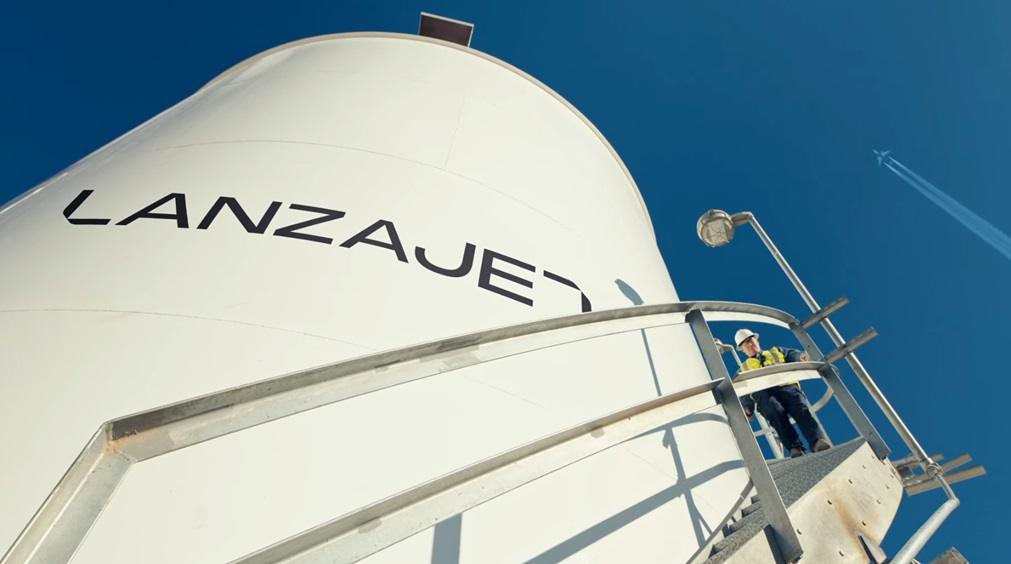
The Significance of Freedom Pines Fuels
The Freedom Pines Fuels facility represents a landmark in the renewable energy landscape. In November 2025, LanzaJet announced that the plant had achieved full operational status, marking it as the world’s first commercial-scale alcohol-to-jet production facility. Located in Soperton, Georgia, the plant has an annual production capacity of 10 million gallons, consisting of 9 million gallons of SAF and 1 million gallons of renewable diesel.
The facility serves as a proof-of-concept for the scalability of ATJ technology. Unlike traditional SAF production methods that rely heavily on Hydroprocessed Esters and Fatty Acids (HEFA)—which often use limited supplies of used cooking oil or animal fats—LanzaJet’s ATJ process utilizes ethanol. Because ethanol can be produced from a vast variety of sustainable and waste-based sources globally, the ATJ pathway is widely considered more scalable and capable of meeting the massive volume requirements of the global airline industry.
The fuels produced at Freedom Pines have already successfully met ASTM International specifications, ensuring they are "drop-in" ready. This means they can be blended with conventional jet fuel and used in existing aircraft engines and fueling infrastructure without requiring any modifications to the planes themselves.
Chronology of Development and Market Context
The journey of LanzaJet from a startup to a commercial-scale producer has been characterized by rapid technical milestones and strategic partnerships.
- 2020: LanzaJet is founded by LanzaTech with initial investment from Suncor Energy, Mitsui & Co., and British Airways.
- 2021-2022: The company secures a $50 million grant from the Microsoft Climate Innovation Fund and additional backing from the U.S. Department of Energy (DOE).
- 2023: Construction intensifies at the Georgia facility as LanzaJet signs memorandums of understanding (MOUs) with major airlines including Southwest and JetBlue.
- November 2025: Freedom Pines Fuels begins full commercial operations, delivering the first batches of ATJ-based SAF to the market.
- October 2026: LanzaJet secures $20 million in new financing and undergoes a major recapitalization to prepare for global site expansion.
This timeline reflects the urgency of the SAF market. The International Air Transport Association (IATA) has estimated that SAF could contribute around 65% of the reduction in emissions needed by aviation to reach net-zero in 2050. However, current global production of SAF accounts for less than 1% of total jet fuel demand. To bridge this gap, massive investments in facilities like Freedom Pines are essential.

Technical Analysis: The Alcohol-to-Jet Advantage
LanzaJet’s ATJ technology is uniquely positioned to address the "feedstock wall" that many SAF producers face. While the HEFA process is currently the most mature and cost-effective, the global supply of waste fats and oils is finite. In contrast, the world produces billions of gallons of ethanol annually. By providing a pathway to upgrade this ethanol into jet fuel, LanzaJet taps into a pre-existing, massive global supply chain.
The environmental impact of LanzaJet’s SAF is also significant. Depending on the feedstock used, the fuel can reduce greenhouse gas emissions by up to 85% compared to conventional petroleum-based jet fuel. Furthermore, the process produces significantly fewer particulates and sulfur oxides, contributing to improved air quality around airports.
The $20 million in new funding will likely support the optimization of these processes, potentially lowering the carbon intensity (CI) scores of the produced fuel even further through improved energy efficiency at the Soperton plant and the exploration of new, lower-carbon ethanol sources.
Economic and Policy Implications
The recapitalization of LanzaJet occurs against a backdrop of supportive government policy, particularly in the United States. The Inflation Reduction Act (IRA) has provided significant tax credits for SAF production (under sections 40B and 45Z), which are designed to make renewable fuels more competitive with fossil fuels. These incentives are crucial for attracting private capital to the sector, as evidenced by the involvement of Vinod Khosla, a veteran of green technology investing.
Khosla’s involvement is particularly noteworthy. As an early investor in various clean-tech ventures, his continued support for LanzaJet suggests a high degree of confidence in the long-term viability of the ATJ pathway. His participation in this round helps validate the technology to other institutional investors who may be wary of the risks associated with first-of-a-kind (FOAK) industrial plants.

Furthermore, the "SAF Grand Challenge"—a joint initiative by the U.S. Departments of Energy, Transportation, and Agriculture—aims to scale up the production of SAF to 3 billion gallons per year by 2030 and 35 billion gallons by 2050. LanzaJet’s expansion is a direct contribution to these national goals.
Broader Impact and Future Outlook
The success of LanzaJet has implications far beyond the borders of Georgia. The company is currently involved in several projects globally, including "Project Speedbird" in the United Kingdom, which aims to produce SAF for British Airways. The lessons learned and the financial stability gained from the current recapitalization will serve as a blueprint for these international ventures.
The aviation industry is often cited as one of the "hard-to-abate" sectors because, unlike light-duty road transport, it cannot be easily electrified. Batteries are currently too heavy for long-haul flight, and hydrogen propulsion remains in the early stages of development. Consequently, liquid fuels that can be burned in existing turbines—like those produced by LanzaJet—are the only viable medium-term solution for long-distance air travel.
As LanzaJet moves forward under the interim leadership of Jennifer Holmgren, the focus will shift from proving the technology works to proving it can be scaled profitably and consistently. The next phase of growth will likely involve licensing the ATJ technology to other producers and developers, creating a global network of ethanol-to-SAF refineries.
In conclusion, the $20 million financing and the associated corporate restructuring represent a vote of confidence in LanzaJet’s ability to lead the aviation industry into a more sustainable era. By leveraging waste-based ethanol and a proven commercial-scale facility, LanzaJet is providing a tangible, scalable solution to one of the most pressing environmental challenges of the 21st century. The path to net-zero aviation is long and complex, but the continued evolution of LanzaJet suggests that the technological and financial foundations for that journey are now firmly in place.
