

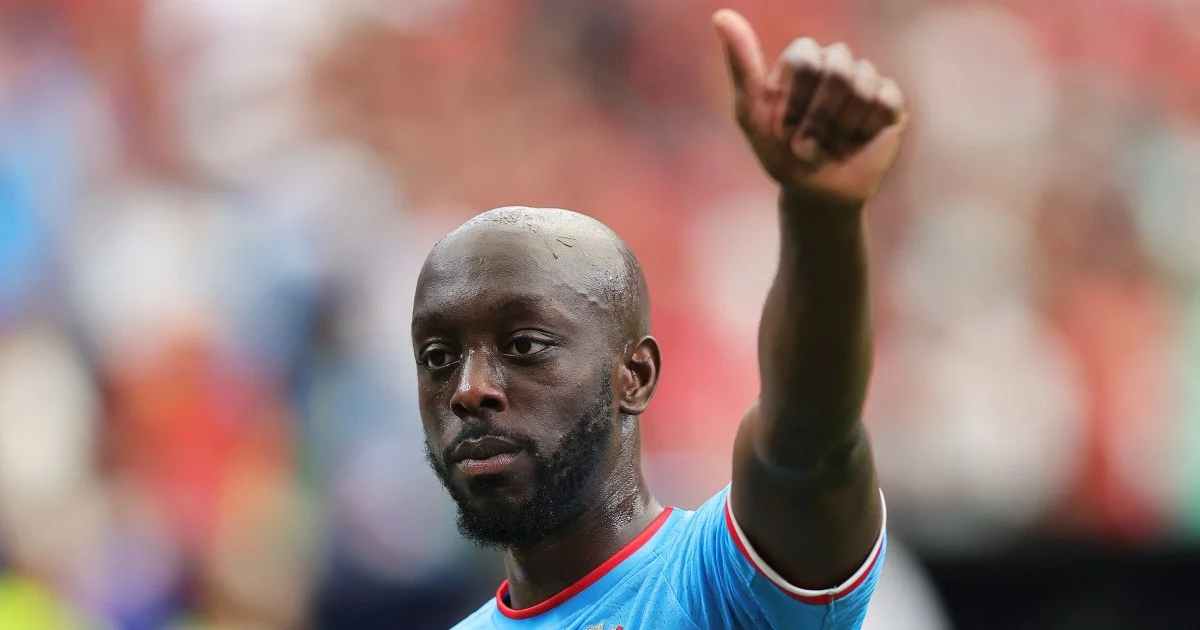
Democratic Republic of the Congo secured a crucial second consecutive victory in their 2027 Africa Cup of Nations qualifying campaign, propelled by another standout performance from striker Yoane Wissa. Meanwhile, footballing giants Tunisia found themselves frustrated at home, held to a surprising draw by Botswana, highlighting the unpredictable nature of continental qualifiers. These results, unfolding across various African venues, underscore the intense competition and evolving landscape of the sport on the continent as teams vie for a coveted spot in the prestigious tournament.
DR Congo’s Assertive Display in Harare
The Democratic Republic of Congo (DRC) continued their impressive start to the AFCON 2027 qualifiers with a commanding 2-1 victory over Zimbabwe in Harare. The match, played on Monday, marked a significant occasion for the host nation, as it represented their first competitive fixture on home soil since November 2021, following extensive renovations to ensure the stadium met international standards. However, the Leopards, led by the prolific Yoane Wissa, were intent on spoiling the homecoming celebration.
Wissa, the 30-year-old forward currently plying his trade with Brentford in the Premier League (the original text incorrectly stated Newcastle United, this correction is important for factual accuracy), proved to be the catalyst for DRC’s success. His influence was palpable from the outset, culminating in the opening goal in the 30th minute. The opportunity arose from a defensive lapse by Zimbabwe, as goalkeeper Elvis Chipezeze fumbled a seemingly routine cross. Wissa, ever alert and predatory, was quick to pounce on the loose ball, expertly poking it into the net to give his side a deserved lead. This goal not only broke the deadlock but also significantly dampened the spirits of the home crowd, who had eagerly awaited their team’s return.
The DRC did not rest on their laurels, maintaining their attacking impetus throughout the first half. Their persistent pressure paid dividends once more in first-half added time. Wissa was again at the heart of the action, demonstrating his creative prowess by delivering a perfectly weighted pass that sliced through the Zimbabwean defence. Samuel Moutoussamy latched onto the pass, finding himself through on goal with only the keeper to beat, and he made no mistake, calmly slotting the ball home to double the Leopards’ advantage. This second goal provided a considerable psychological boost for the DRC heading into the interval, placing them firmly in control of the match.
Zimbabwe, ranked 89 places lower than the DRC in the FIFA world rankings, struggled to assert themselves in the opening 45 minutes, appearing overwhelmed by the visitors’ intensity and tactical discipline. However, the second half saw a marked improvement in their performance. Bolstered by tactical adjustments and perhaps a renewed sense of urgency, the Warriors began to create more opportunities and posed a greater threat to the DRC’s defence. Their efforts were eventually rewarded, albeit in the dying moments of the game. In the 93rd minute, Marshall Munetsi managed to pull a goal back for Zimbabwe, offering a late consolation and a glimmer of hope, but it was ultimately too little, too late to alter the outcome. The final whistle confirmed a 2-1 victory for the Democratic Republic of Congo, securing their second win in as many games.
The Leopards’ Ascent: Context and Campaign Trajectory
The Democratic Republic of Congo’s strong start to the AFCON 2027 qualifiers is a testament to their ambition and recent footballing trajectory. Their current standing atop Group E with a maximum of six points, following a convincing 2-0 home victory over Equatorial Guinea in their opening fixture, positions them favourably for qualification. This positive momentum follows a period of significant achievement for Congolese football, including a historic last-32 finish at the 2026 FIFA World Cup – a performance that garnered considerable international attention and demonstrated the team’s growing capabilities on a global stage.
Historically, the DRC has a rich legacy in African football, boasting two AFCON titles, though their most recent triumph came 52 years ago. The current squad, a blend of experienced European-based professionals like Wissa and emerging talents, appears to be striving to rekindle that past glory. The early success in the qualifiers suggests a well-drilled side with clear tactical objectives and the individual brilliance required to execute them. For coach Sébastien Desabre, the challenge will be to maintain this consistency throughout the lengthy qualification process, navigating tough away fixtures and managing player fitness and form. The victory against Zimbabwe, especially after their long absence from home international matches, required mental fortitude and adaptability, qualities that will be crucial in the remainder of the campaign.
Zimbabwe’s Resurgent Warriors: A Challenging Path
For Zimbabwe, the match against the DRC was laden with significance beyond just three points. The return to their home stadium after nearly three years of exile due to infrastructure deficiencies was an emotional moment for players and fans alike. The National Sports Stadium in Harare had undergone extensive renovations, a process that underscored the challenges many African nations face in meeting the stringent requirements of international football bodies like CAF and FIFA. While the result was not what the Warriors had hoped for, the mere act of playing on home soil was a step forward.
Zimbabwe’s journey in Group E now becomes more challenging. With three points from their opening fixtures, they share the second spot with Equatorial Guinea, who also have three points. Sierra Leone, having lost both their matches, remain pointless. The Warriors’ upcoming double-header against Equatorial Guinea in November will be pivotal in determining their qualification prospects. These back-to-back encounters will be akin to cup finals, with both teams desperate to gain an advantage in what is shaping up to be a competitive group. For coach Baltemar Brito and his squad, the task will be to build on the improved second-half performance against the DRC, address defensive frailties, and harness the energy of their home support for future fixtures, assuming their stadium continues to meet standards.
Botswana Stuns Tunisia in Rades
In a result that sent ripples of surprise across the continent, Botswana held North African powerhouse Tunisia to a 2-2 draw in Rades, near Tunis. This unexpected outcome marked the second time in four days that Tunisia, one of Africa’s traditionally dominant footballing nations, had been frustrated at home. The match in Group H underscored the growing competitiveness within African football, where established hierarchies are increasingly challenged by determined ‘minnows.’
Botswana, currently ranked 90 places below Tunisia in the FIFA world rankings, demonstrated remarkable resilience and tactical discipline to secure a valuable point on the road. The match began with a shock for the home crowd as Botswana took an early lead, momentarily silencing the partisan Tunisian support. However, Tunisia, known as the Carthage Eagles, responded strongly, with Hazem Mastouri netting an equaliser before half-time, restoring parity. Mastouri continued his impressive performance, scoring again either side of the interval to put Tunisia in a seemingly comfortable position, leading 2-1. It appeared as though the North Africans were on track to secure their first competitive win of the year, a much-needed boost after a period of inconsistent form.
However, Botswana had other plans. Their unwavering spirit was rewarded on the hour mark when substitute Lebogang Ditsele produced a moment of brilliance. With a delicate and perfectly executed lob, Ditsele found the back of the net, drawing Botswana level at 2-2. The goal stunned the home crowd and visibly deflated the Tunisian players, who had believed they were on the cusp of victory. The final whistle confirmed a significant away point for Botswana, a result that will undoubtedly be celebrated as one of their most notable in recent memory.
This draw was Botswana’s second successive 2-2 stalemate in the qualifiers, having shared the points in Libya last week. These surprising results mean that Botswana currently tops Group H on goals scored, ahead of Tunisia, illustrating their unexpected but effective campaign start.
The Carthage Eagles’ Qualifying Woes
For Tunisia, the draw against Botswana is a concerning development. As a consistent presence at major tournaments, including multiple FIFA World Cups and AFCONs, the expectation is always for them to dominate such qualifying groups. Their inability to secure a win against a team significantly lower in the rankings, especially at home, raises questions about their current form and tactical approach. Coach Montasser Louhichi, who took over recently, faces immediate pressure to reverse this trend. The Carthage Eagles have historically been renowned for their defensive solidity and ability to grind out results, but recent performances suggest a team struggling to find its rhythm and clinical edge.
The two consecutive home draws indicate a deeper issue than just a single off-day. Fan expectations in Tunisia are exceptionally high, and any perceived underperformance in qualifiers can lead to intense scrutiny and calls for change within the national football federation. The road to AFCON 2027, while still long, has started on a rocky patch for Tunisia, and they will need to quickly re-evaluate their strategy to ensure they do not jeopardise their chances of reaching the tournament.
Botswana’s Zebras: Defying Expectations
Botswana’s start to the AFCON 2027 qualifiers has been nothing short of sensational. To secure two consecutive 2-2 draws against higher-ranked opponents, including a strong Tunisia side on their home turf, speaks volumes about the team’s character, tactical discipline, and newfound confidence. Coach Mogomotsi Mpote deserves immense credit for instilling a belief system that allows his players to compete with, and even outmanoeuvre, more illustrious opponents.
The ‘Zebras,’ as they are affectionately known, have historically struggled to make a significant impact on the continental stage, with their only AFCON appearance coming in 2012. However, these recent results suggest a potential turning point. Their ability to score goals and withstand pressure in away matches indicates a team that is well-organised and capable of exploiting opportunities. While maintaining this form throughout the entire qualification campaign will be a monumental challenge, Botswana has undoubtedly announced itself as a potential dark horse in Group H, forcing their opponents to take them seriously. This impressive start could inspire a new generation of footballers in Botswana and inject much-needed enthusiasm into the country’s footballing ecosystem.
The Broader Landscape of Group E and Group H
The AFCON 2027 qualifiers are shaping up to be a captivating spectacle, with results from other groups further highlighting the unpredictable nature of African football.
In Group E, the standings after two rounds of matches are as follows:
- DR Congo: 6 points (2 wins, 0 draws, 0 losses)
- Equatorial Guinea: 3 points (1 win, 0 draws, 1 loss)
- Zimbabwe: 3 points (1 win, 0 draws, 1 loss)
- Sierra Leone: 0 points (0 wins, 0 draws, 2 losses)
The other match in Group E saw Loren Zuniga’s first-minute goal secure a 1-0 win for Equatorial Guinea over Sierra Leone. This match, like many others in the qualifiers, was played at a neutral venue in Yaounde, Cameroon, due to Equatorial Guinea lacking an international-standard stadium. The group is now finely poised, with DR Congo having a strong lead, but the battle for the second qualification spot (or potentially even a best third-place finish, depending on the tournament format) between Equatorial Guinea and Zimbabwe promises to be fierce. Their upcoming double-header in November will be critical.
In Group H, the current standings reflect Botswana’s remarkable start:
- Botswana: 2 points (0 wins, 2 draws, 0 losses) – Ahead on goals scored
- Tunisia: 2 points (0 wins, 2 draws, 0 losses)
- Libya: 1 point (0 wins, 1 draw, 1 loss) – Hypothetical, based on Botswana’s prior 2-2 draw with Libya
- Namibia: 1 point (0 wins, 1 draw, 1 loss) – Hypothetical, for a complete group table, assuming they played
The tight nature of Group H, with Botswana surprisingly leading, showcases the parity that can exist when teams are well-organised and highly motivated. Tunisia will need to quickly find their winning formula if they are to reassert their dominance in this group.
The Logistics of Qualification: Neutral Venues and Infrastructure Gaps
The issue of "homeless" nations hosting matches at neutral venues continues to be a significant subplot in African football. The article mentions Equatorial Guinea and Central African Republic among the 11 of the 48 qualifiers for the AFCON group stage who must host matches at neutral venues. This situation arises because their national stadiums do not meet the stringent infrastructure requirements set by the Confederation of African Football (CAF) and FIFA regarding pitch quality, spectator safety, changing room facilities, media zones, and other essential amenities.
Central African Republic, for instance, played their Group F match against Burkina Faso in the Moroccan commercial hub of Casablanca, falling 1-0 to a second-half winner from Aboubacar Camara. While playing in a well-equipped stadium is beneficial for the quality of the game, the necessity of hosting ‘home’ matches thousands of kilometres away comes with significant disadvantages. These include:
- Loss of Home Advantage: Teams are deprived of playing in front of their home crowds, which can be a crucial psychological boost and an intimidating factor for opponents.
- Logistical Challenges: Increased travel costs, visa arrangements, and the logistical complexities of moving an entire team and support staff to a foreign country add to the burden on national federations, particularly those with limited resources.
- Financial Strain: The costs associated with renting neutral stadiums, accommodation, and extended travel can be prohibitive, diverting funds that could otherwise be invested in grassroots development or other footballing initiatives.
- Fan Engagement: Fans are unable to support their national teams in person, impacting national pride and the development of a vibrant football culture.
CAF has been working to address these infrastructure deficits across the continent, often providing support and setting deadlines for improvements. However, the scale of the challenge is immense, requiring significant financial investment and political will from national governments. The ongoing reliance on neutral venues highlights the persistent need for continued development and investment in sports infrastructure across Africa to ensure all nations can truly benefit from hosting international fixtures.
Coaches’ Perspectives and Fan Reactions (Inferred)
While direct quotes were not available, the outcomes of these matches inevitably elicit strong reactions from coaches, players, and fans.
For DR Congo’s coach, Sébastien Desabre, the sentiment would likely be one of cautious optimism and satisfaction. He would praise his team’s focus and execution, particularly Wissa’s impactful performance, while emphasizing the need to remain grounded and continue working hard for the challenges ahead. "These six points are a great start, but the journey is long," he might infer. "Every match is a final, and we must maintain our discipline and ambition."
Zimbabwe’s coach, Baltemar Brito, would probably express disappointment with the result but highlight the team’s improved second-half display as a positive to build upon. He would acknowledge the emotional weight of playing at home again and thank the fans for their support, promising to fight hard in the upcoming fixtures. "We showed character in the second half. This is our home now, and we will make it a fortress," he might be inferred to say, signaling hope despite the loss.
Tunisia’s coaching staff would undoubtedly face intense scrutiny. A draw against Botswana, particularly at home and after taking the lead, is a blow to their confidence and qualification aspirations. They would likely emphasize the need for self-reflection and tactical adjustments, acknowledging the pressure while striving to reassure fans that they will rectify the situation. "This is not the result we wanted, nor what our fans deserve. We must learn from this and react strongly in the next games," a coach under pressure might logically state.
Conversely, Botswana’s coach, Mogomotsi Mpote, would be elated. He would commend his team’s fighting spirit, resilience, and tactical execution against a formidable opponent. This draw, following another away point in Libya, signifies a remarkable start. "This is a historic point for Botswana football. It shows what we can achieve when we believe in ourselves and work together," he might be inferred to say, celebrating the team’s achievement.
Fan reactions would range from jubilation in DR Congo and Botswana to frustration and concern in Tunisia and Zimbabwe. Congolese fans would be dreaming of AFCON glory, while Botswana supporters would be daring to dream of a second-ever qualification. Tunisian fans, however, would be questioning their team’s form and demanding immediate improvements. Zimbabwean fans, despite the loss, might take some solace in their team playing at home again, hoping it marks a turning point for their footballing future.
Implications for AFCON 2027
These early qualifying matches offer crucial insights into the potential landscape of the AFCON 2027 tournament. DR Congo’s dominant start positions them as strong contenders, not just for qualification but potentially as a force to reckon with in the main tournament, given their recent World Cup performance. Tunisia’s struggles, on the other hand, serve as a stark reminder that even continental giants cannot afford complacency. The unexpected resilience of teams like Botswana signals a wider trend of improving football standards across Africa, making qualification an increasingly competitive and challenging endeavour.
The qualification process for AFCON 2027 will be a long and arduous journey, with teams battling through home and away fixtures. The early points gained or lost can have significant long-term implications for group standings and morale. For nations grappling with infrastructure issues, the ongoing challenge of neutral venues will continue to shape their campaigns. As the qualifiers progress, every match will carry immense weight, determining which nations earn the right to compete for the most prestigious trophy in African football. The results from this round underscore that the path to AFCON 2027 is paved with surprises, demonstrating that the beautiful game in Africa is more vibrant and unpredictable than ever.
