

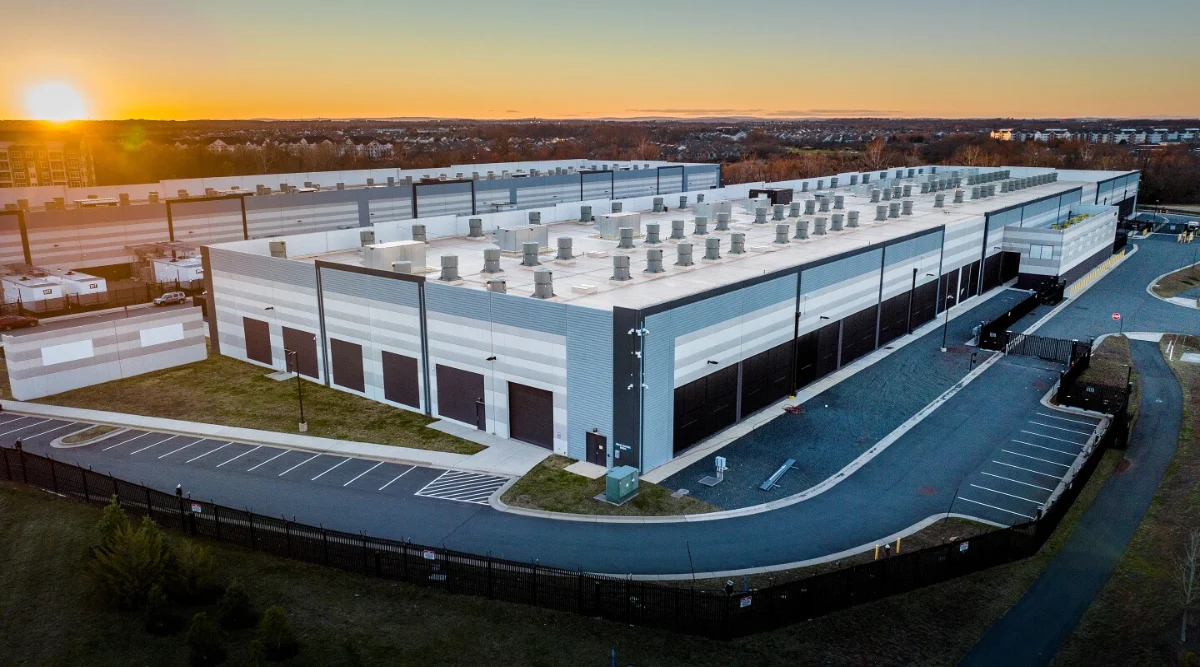
The rapid expansion of artificial intelligence (AI) has sparked a global infrastructure race, with technology giants and specialized developers scrambling to build the massive data centers required to power large language models and advanced computing. However, this digital gold rush is increasingly coming into conflict with public health and environmental safeguards. Recent reports and historical parallels suggest that the pursuit of technological dominance may be repeating the mistakes of the past, specifically the "Dieselgate" scandal that reshaped the global automotive industry. As data centers begin to rely on fossil-fuel-powered generators and aging coal plants to meet their insatiable demand for electricity, health experts are warning of a looming crisis characterized by rising respiratory illnesses and premature deaths.
The Historical Context: The Rise and Fall of Diesel
To understand the current tension between industrial growth and public health, one must look back at the trajectory of the diesel engine in Europe and the United States. Following the OPEC oil embargoes of the 1970s, European nations sought ways to reduce fuel consumption. Because diesel engines are inherently more efficient than gasoline engines—offering significantly more miles per gallon—governments across the Continent implemented tax incentives that made diesel fuel cheaper than gasoline. This intervention by the state, coupled with Adam Smith’s "invisible hand" of market demand, led to a decades-long dominance of diesel vehicles in the European market.
By the early 2000s, diesel cars accounted for more than half of all new vehicle sales in Europe. However, the environmental cost of this shift was largely ignored until 2012, when the World Health Organization (WHO) officially classified diesel engine exhaust as a Group 1 carcinogen, placing it in the same category as asbestos and tobacco smoke. This determination posed a direct threat to the business models of major German manufacturers, including Volkswagen, Mercedes-Benz, and BMW, who had invested billions in "clean diesel" technology.
The "Ten Monkeys" Experiment and Corporate Deception
In an effort to counteract the WHO’s findings, the German automotive industry funded the European Research Group on Environment and Health in the Transport Sector (EUGT). This organization commissioned the Lovelace Respiratory Research Institute in Albuquerque, New Mexico, to conduct a study intended to prove that modern diesel technology was safe for primates to breathe.
In a now-infamous experiment, ten macaque monkeys were placed in airtight chambers and forced to inhale the exhaust from a Volkswagen Beetle for four hours while being distracted by cartoons. Unbeknownst to the researchers at Lovelace, the vehicle used in the test had been equipped with a "defeat device"—specialized software designed to lower emissions only when the car detected it was undergoing laboratory testing. In real-world conditions, the vehicle emitted nitrogen oxides (NOx) at levels up to 40 times the legal limit.

The subsequent revelation of this deception, known as "Dieselgate," led to billions of dollars in fines, the imprisonment of several high-ranking executives, and a catastrophic loss of consumer trust. Today, diesel’s market share in Europe has plummeted from over 50 percent to approximately 7 percent, as cities implement bans and consumers pivot toward electric vehicles.
The AI Boom and the New Energy Crisis
The lessons of the diesel era are now being applied to the current surge in data center development. The computational power required for AI is immense; a single query to an AI model can consume ten times the electricity of a standard Google search. As the traditional power grid struggles to keep pace with this demand, developers are turning to unconventional and often more polluting energy sources.
In Memphis, Tennessee, and parts of northern Mississippi, Elon Musk’s xAI has deployed dozens of methane-fired (natural gas) portable generators to power the "Colossus" data center. This move was necessitated by the fact that the local utility could not provide the 150 megawatts of power required for the facility’s initial phase quickly enough. To ensure a steady supply of these generators, Musk reportedly acquired the company responsible for their manufacture, signaling a shift toward vertical integration in fossil-fuel-based power for tech infrastructure.
Furthermore, the federal government has recently taken steps to ensure that aging coal-fired power plants remain operational longer than originally planned. These facilities, many of which were slated for retirement due to their high carbon intensity and particulate emissions, are now being viewed as essential "bridge" power for the data center industry.
Quantifying the Health Impact: The EPN Report
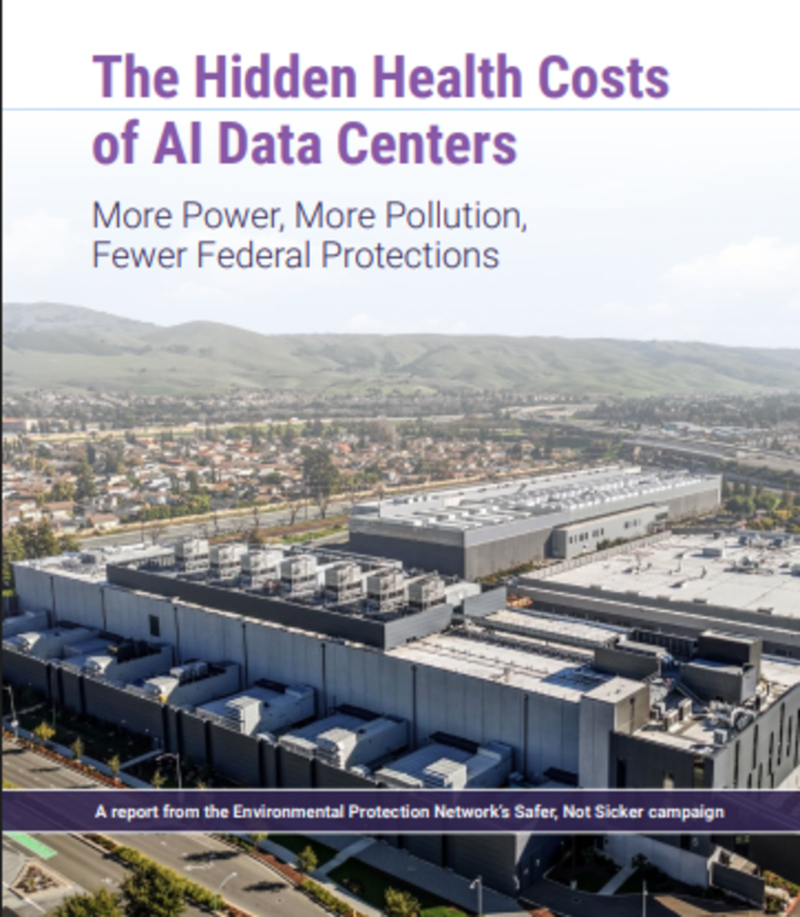
The Environmental Protection Network (EPN), an organization comprised of former Environmental Protection Agency (EPA) officials and scientists, recently released a comprehensive report detailing the "hidden costs" of AI data centers. The report argues that the current administrative push to accelerate data center construction is bypassing critical environmental reviews and weakening safeguards designed to protect air quality.
According to the EPN’s analysis, the cumulative impact of air pollution from data centers—specifically fine particulate matter (PM2.5) and nitrogen oxides—could result in staggering public health consequences by 2028:
- Asthma Cases: An estimated 600,000 additional cases of asthma symptoms in children and adults.
- Premature Mortality: Approximately 1,300 premature deaths linked to respiratory and cardiovascular failure.
- Economic Burden: More than $20 billion in annual public health costs, including hospitalizations and lost productivity.
Dr. Lynn Goldman, a pediatrician and former EPA assistant administrator, expressed grave concern over the current regulatory environment. Speaking to the New York Times, she noted that the EPA is increasingly being pressured to grant permits for high-emission energy sources in the name of technological competition. "These are decisions that can affect what Americans breathe, what gets into our water and, ultimately, what can make its way into our soil and food supply," Goldman stated.
Regulatory Rollbacks and Staffing Shortages
The EPN report highlights 30 specific federal actions that it claims will exacerbate pollution-related health risks. Among these is a recent rollback of automobile exhaust standards, which allows manufacturers to continue selling vehicles with higher tailpipe emissions—a move that even some industry leaders did not request, but which aligns with a broader trend of environmental deregulation.
Compounding the problem is a significant reduction in the EPA’s capacity to monitor compliance. Market intelligence from Cleanview indicates that while there are currently 1,300 data centers operating in the U.S., there are 2,000 more in various stages of planning and construction. The EPN argues that deep cuts in EPA staffing and funding have left the agency unable to effectively track emissions from thousands of new stationary sources, such as the backup diesel and gas generators that are standard at data center sites.
Scientific Analysis: The Danger of Fine Particulates
The primary health concern cited by researchers involves fine particulate matter, or PM2.5. These particles are so small—about 1/30th the width of a human hair—that they can bypass the body’s natural defenses in the nose and throat. Once inhaled, they can enter the bloodstream and travel to vital organs.
Recent peer-reviewed studies have found that these particulates can cross the placental barrier, with soot particles being discovered in human placentas and breast milk. The long-term exposure to these pollutants is linked not only to asthma but also to cognitive decline, heart disease, and adverse birth outcomes. The EPN warns that by prioritizing the rapid deployment of AI infrastructure over air quality standards, the government is effectively conducting an uncontrolled experiment on the American population, much like the primates in the Lovelace experiments.
Implications for the Future of Technology and Society
The tension between AI development and public health presents a complex policy challenge. On one hand, AI is viewed as a critical component of national security and economic competitiveness. On the other, the environmental cost of powering this technology threatens to undo decades of progress in air quality improvement.

The shift toward methane generators and the extension of coal plant lifespans represent a significant departure from the "green" image cultivated by many Silicon Valley firms. While companies like Google and Microsoft have historically committed to carbon-neutral operations, the sheer scale of the AI energy requirement is forcing a reliance on the most readily available, rather than the cleanest, energy sources.
Industry analysts suggest that without a massive investment in grid modernization and carbon-free energy—such as nuclear or long-duration battery storage—the conflict between data centers and local communities will only intensify. In several states, residents have already begun protesting the noise and air pollution associated with the massive generator farms that sit adjacent to residential neighborhoods.
As the U.S. continues to build out its digital infrastructure, the "Dieselgate" legacy serves as a reminder that corporate and governmental promises of "clean" technology must be verified by independent monitoring and rigorous enforcement. The EPN’s findings suggest that the current trajectory is one where the public health of citizens is being traded for the processing speed of machines. In the words of the EPN report, "protecting the health of U.S. citizens should be equally as important as the speed of technological innovation." Without a recalibration of priorities, the hidden costs of AI may eventually outweigh its perceived benefits.
